BMW's Electric i3 Beats the iX3 on Supply-Chain Emissions — but Not on Battery Cells
BMW claims a 37% supply-chain CO2e cut for the electric i3 and about 30% for the gas sedan, yet the i3's cells improve less than the iX3's did.
BMW's next 3 Series will start life with a smaller carbon bill, whichever powertrain buyers choose. The automaker says development changes cut supply-chain CO2e emissions by about 37 percent for the electric i3 and by roughly 30 percent for the combustion-engine sedan.
The figures land days before two milestones. The gas-powered 3 Series is due for its world premiere in late September, and US reservations for the i3 open on September 29.
Where the savings come from
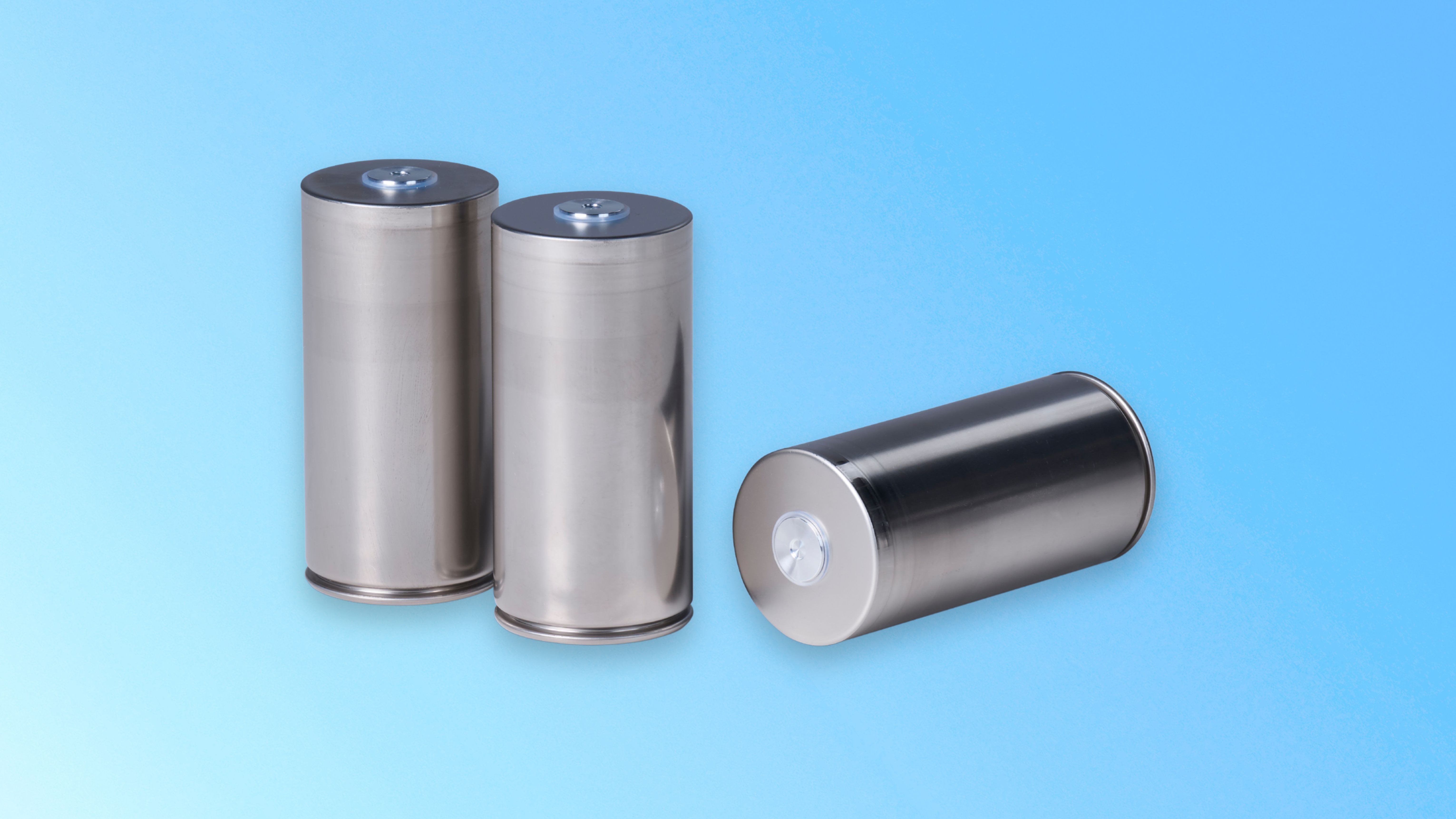
Battery cells and aluminum do most of the work. The i3's sixth-generation cells use partly recycled cobalt, lithium, and nickel, and BMW says renewable power runs both cell manufacturing and the production of anode and cathode materials. The company puts the cell's CO2e footprint per watt-hour about 33 percent below the Gen5 cell in the i4.
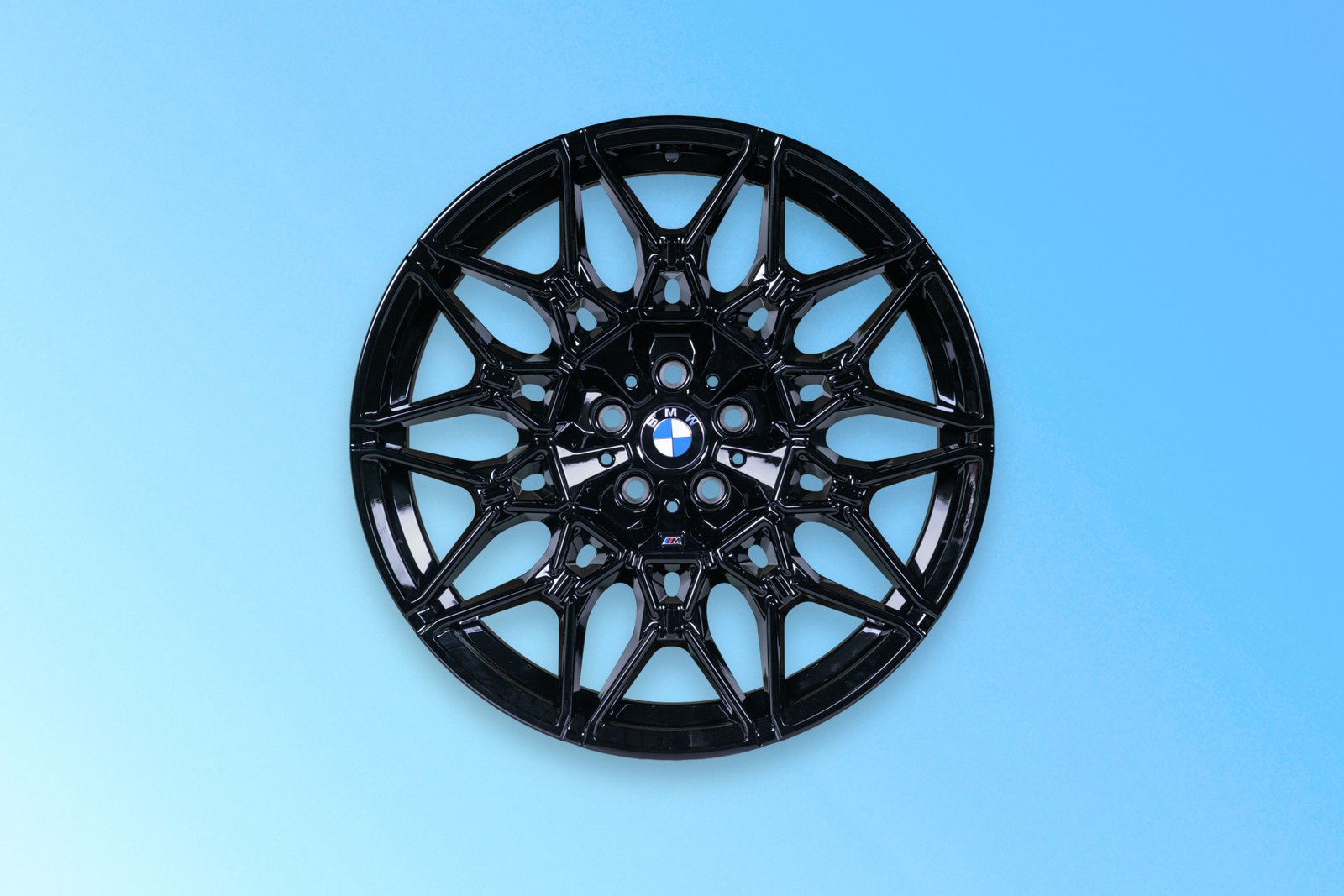
Recycled metal also goes into parts that carry serious loads. The wheels, swivel bearings, and wheel carriers are cast from aluminum made with renewable electricity.
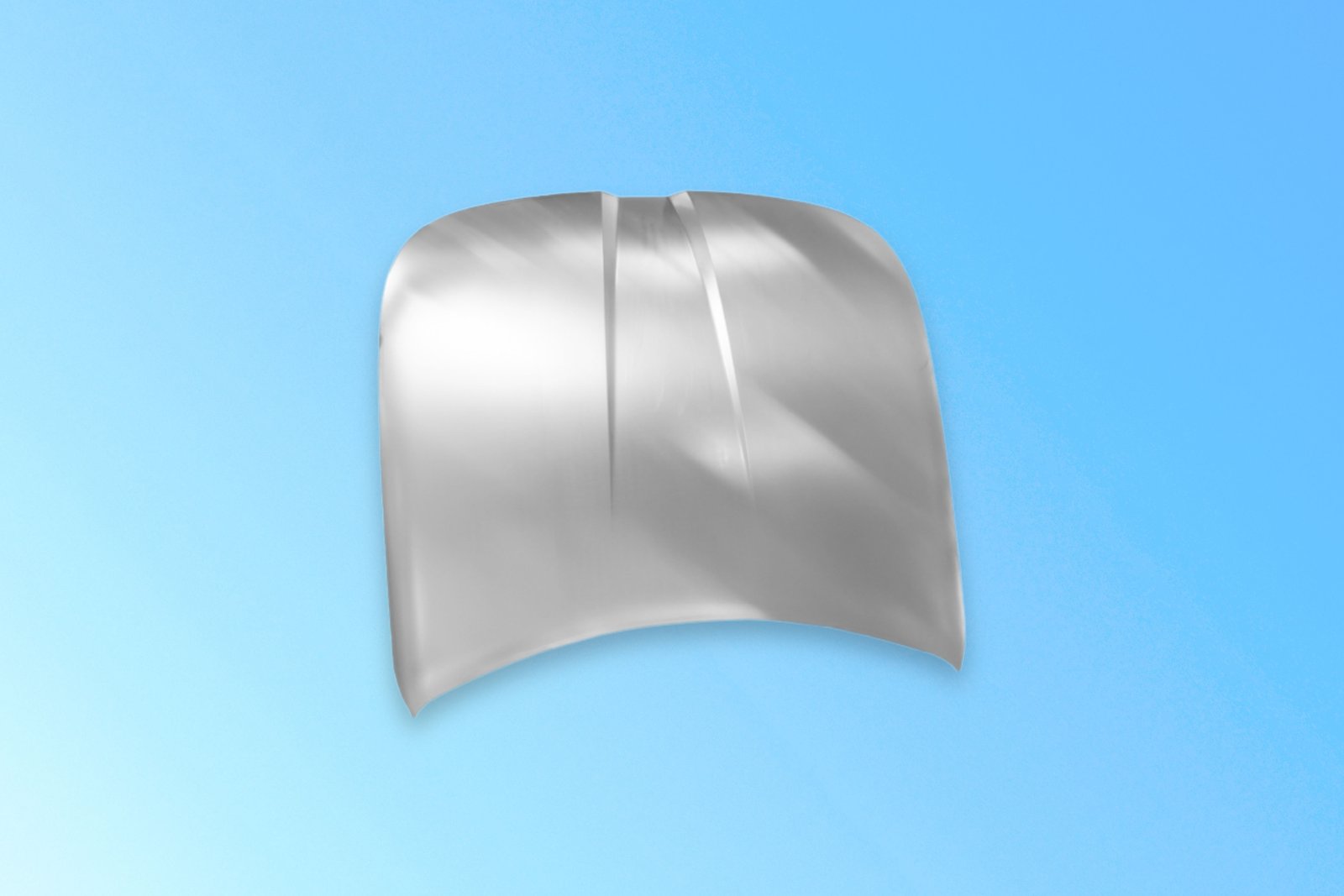
The hood alone is about 70 percent recycled aluminum. Across the whole car, BMW puts secondary-material content at about 31 percent for the i3 50 xDrive and about 25 percent for combustion models, though the gas-car figures are still provisional.
How it compares with the iX3
The obvious yardstick is the iX3, the first Neue Klasse model. For that SUV, BMW claimed a 35 percent supply-chain reduction, about one-third secondary materials, and Gen6 cells with 50 percent recycled cobalt, lithium, and nickel that cut CO2e per watt-hour by 42 percent versus Gen5.
So the sedan edges out its sibling on the supply chain overall but trails it on cells. The baselines differ, since the i3 is measured against the i4's cell, and BMW hasn't explained the gap. It also hasn't said what the 37 percent is measured against. When it detailed the i3 in March, BMW said its "about a third" estimate at the time compared the car with industry averages from an LCA database, not with the outgoing 3 Series.
Four plants, short trips
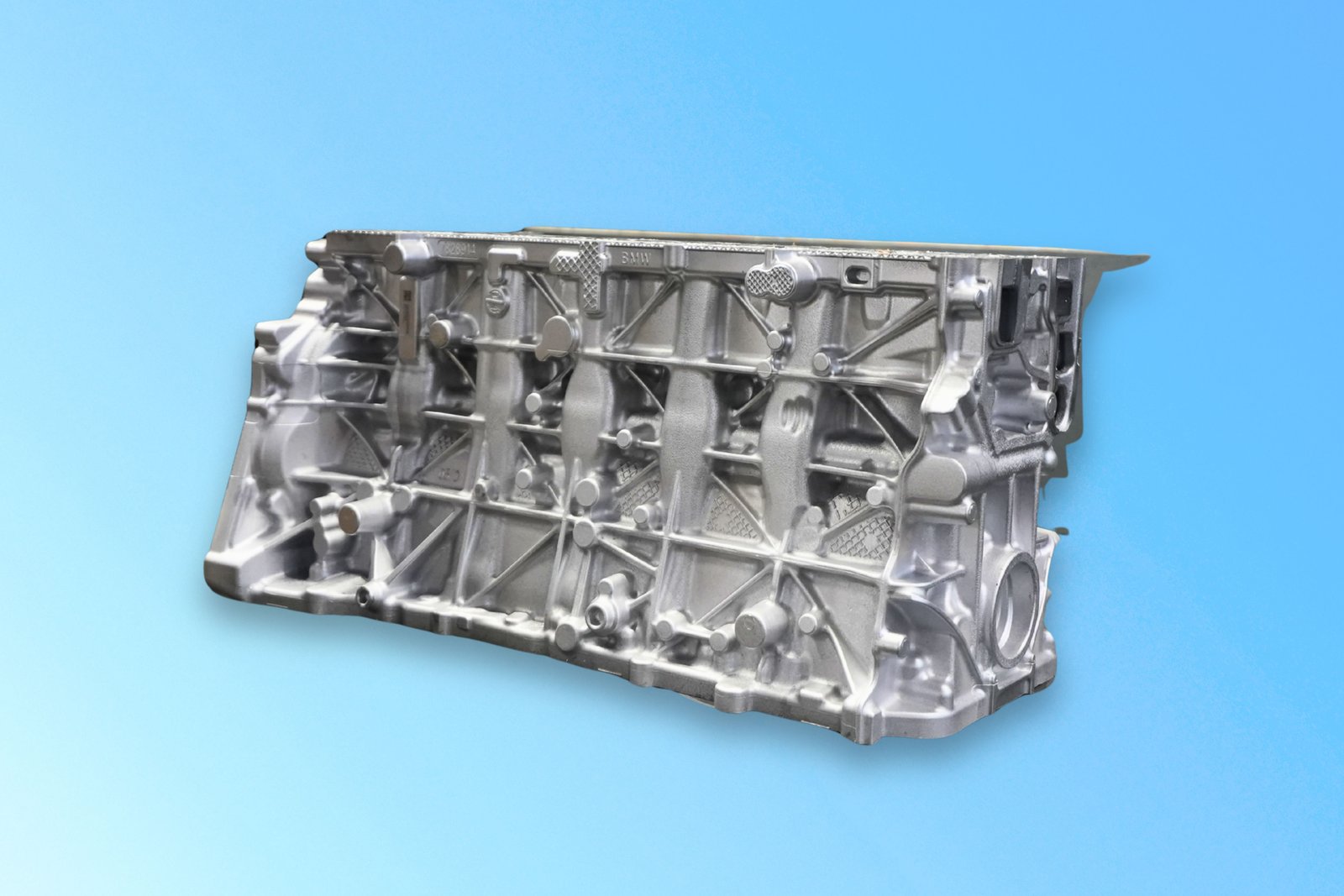
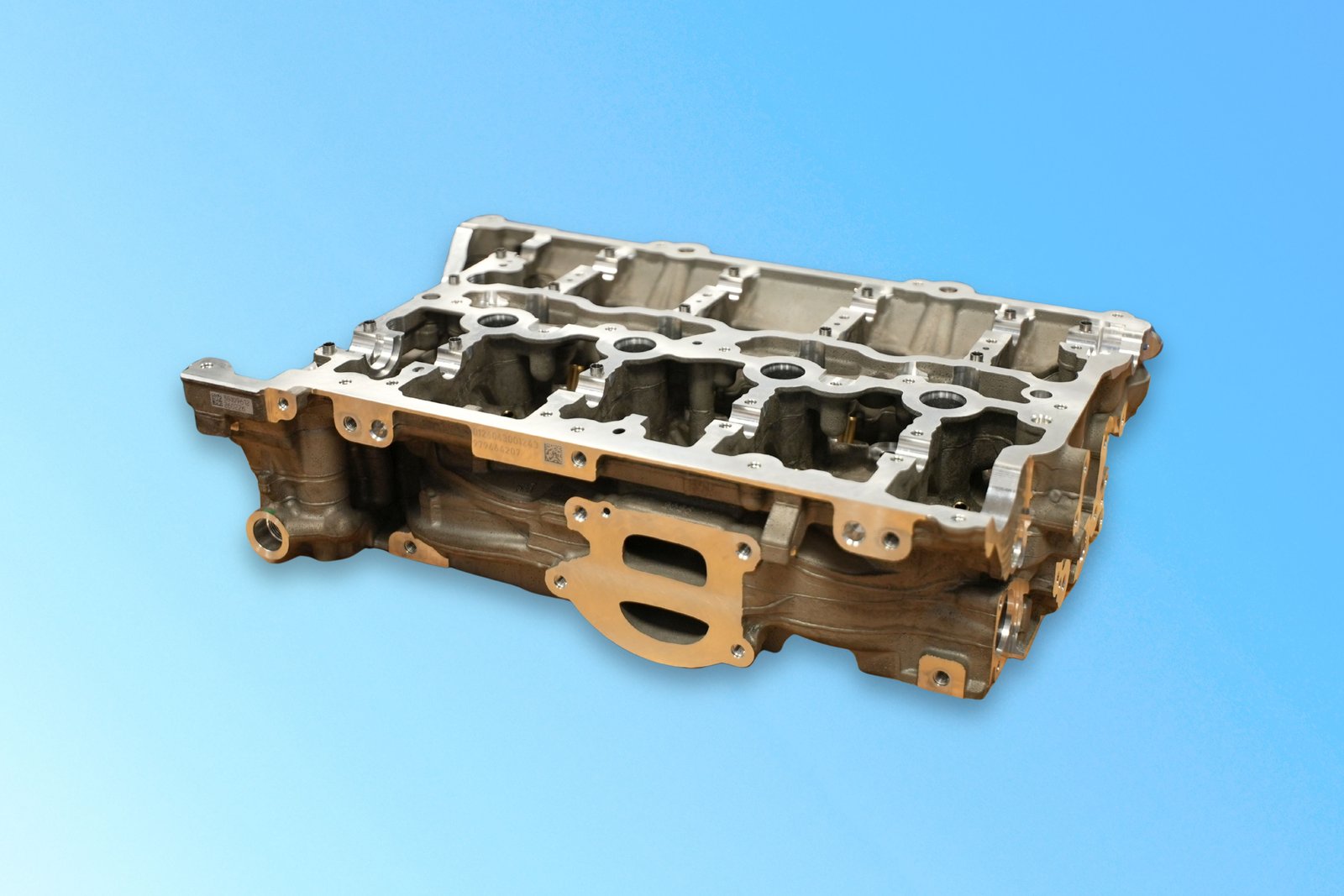
The rest of BMW's pitch is geography. Landshut, the group's largest component plant, casts the i3's rear e-drive housing along with crankcases and cylinder heads for the gas models. The finished drivetrains are assembled at BMW's plant in Steyr, Austria.
From October, the new Irlbach-Straßkirchen plant will supply the i3's high-voltage batteries, shipped to Munich on electric trucks. BMW says the site needs no fossil fuels for regular operation and no water for battery assembly.
Munich, which builds the i3, sources all external power from renewables and turns steel and aluminum offcuts from its press shop back into new coil. Dingolfing, where the combustion 3 Series moves for this generation according to Motor1, added a rooftop solar array of just under 11 megawatts peak in late 2025. A new biomass plant there covers about half the site's process heat.
What US buyers get
BMW estimates up to 440 miles of range for the 463-hp i3 50 xDrive, based on its own tests to EPA procedures, and says the sedan reaches the US in 2027. It also credits silicon-carbide electronics with cutting e-drive energy losses by up to 40 percent.
BMW hasn't announced US pricing. The related iX3 50 xDrive starts at $61,500 plus $1,350 destination. InsideEVs reports the first American i3s are expected in the first quarter of 2027.
BMW will publish the TÜV-verified carbon footprint, including its methodology, at series launch. That document, rather than development-phase percentages, will show how much the new 3 Series actually saves.