Akio Toyoda Inherited a Recall Crisis and Left Toyota Building 300-HP Corollas
Toyota's chairman just entered the Automotive Hall of Fame. His record includes a congressional apology, a $1.2 billion penalty, a manual-only hot-hatch Corolla, and a governance fight the ceremony didn't mention.
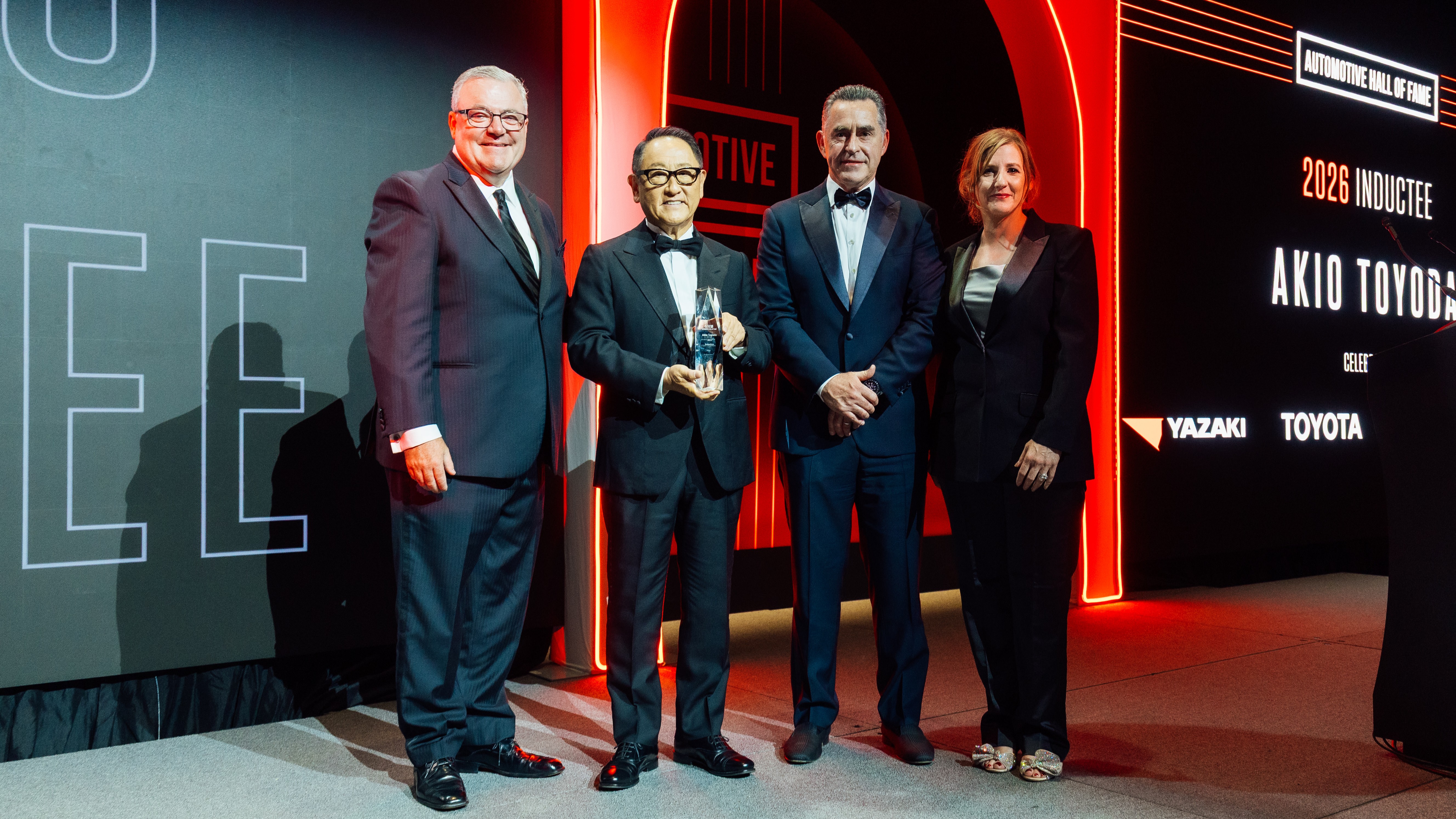
Akio Toyoda was inducted into the Automotive Hall of Fame on September 23 in Detroit. He is the fourth member of his family to receive the honor, after his grandfather Kiichiro, his father Shoichiro and Eiji Toyoda, his grandfather's cousin. Toyota's announcement credits him with rebuilding trust in the brand and making "ever-better cars" the center of its philosophy.
That is the official version, and much of it holds up. The full record is more complicated. His tenure began with the worst safety crisis in Toyota's history and produced the most enthusiast-friendly Toyota lineup in decades. It still draws criticism over electric vehicles and governance.
He took over at the worst possible moment
Toyoda became president of Toyota Motor Corporation in 2009. Within months the company was dealing with a wave of recalls tied to unintended acceleration. The causes were floor mats that could trap the gas pedal and pedals that could stick partially depressed.
By February 2010, Toyota put the worldwide count at about 8.5 million vehicles. Counting all related campaigns that began in 2009, recalls eventually passed 10 million, most of them in the U.S.
Toyoda initially said he would not testify in Washington, then reversed course after criticism. On February 24, 2010, he appeared before the House Committee on Oversight and Government Reform. He apologized, took full responsibility, and told lawmakers his name is on every car. Several members said the apology was not enough.
The penalties came later
The crisis did not end with the hearing. In 2010, Toyota paid NHTSA a $16.4 million civil penalty, the legal maximum, over how quickly it had recalled vehicles with sticky pedals.
In March 2014, the Justice Department announced a deferred prosecution agreement. Toyota admitted it had misled U.S. consumers about two safety issues and paid a $1.2 billion penalty, the largest of its kind imposed on an automaker at the time. It also accepted an independent monitor. Attorney General Eric Holder said Toyota had handled "a public safety emergency as if it were simply a public relations problem."
Federal regulators never found a defect in Toyota's electronics or software, which had been a major suspect in public debate. The admitted failures concerned floor-mat entrapment, sticky pedals, and what Toyota told regulators about both.
Inside the company, the response was structural. In February 2010, Toyoda created a Special Committee for Global Quality and chaired it himself. That May, NHTSA officials noted that Toyota's U.S. executives now had a direct role in recall decisions. Toyota also describes a broader shift under Toyoda toward faster decisions and a region-led management structure.
"No more boring cars"
The other half of his legacy started before he became president. In 2007, Toyoda and Hiromu Naruse entered the Nürburgring 24 Hours with a team of Toyota employees under the Gazoo Racing name. According to Autoblog, the effort was not officially sanctioned by the company. Toyoda raced under the alias Morizo, and he still does.
In 2017, he made the idea company policy: Toyota would stop building boring cars. The GR Supra debuted at the 2019 Detroit auto show as the first model sold exclusively under the GR banner.
The cars that followed
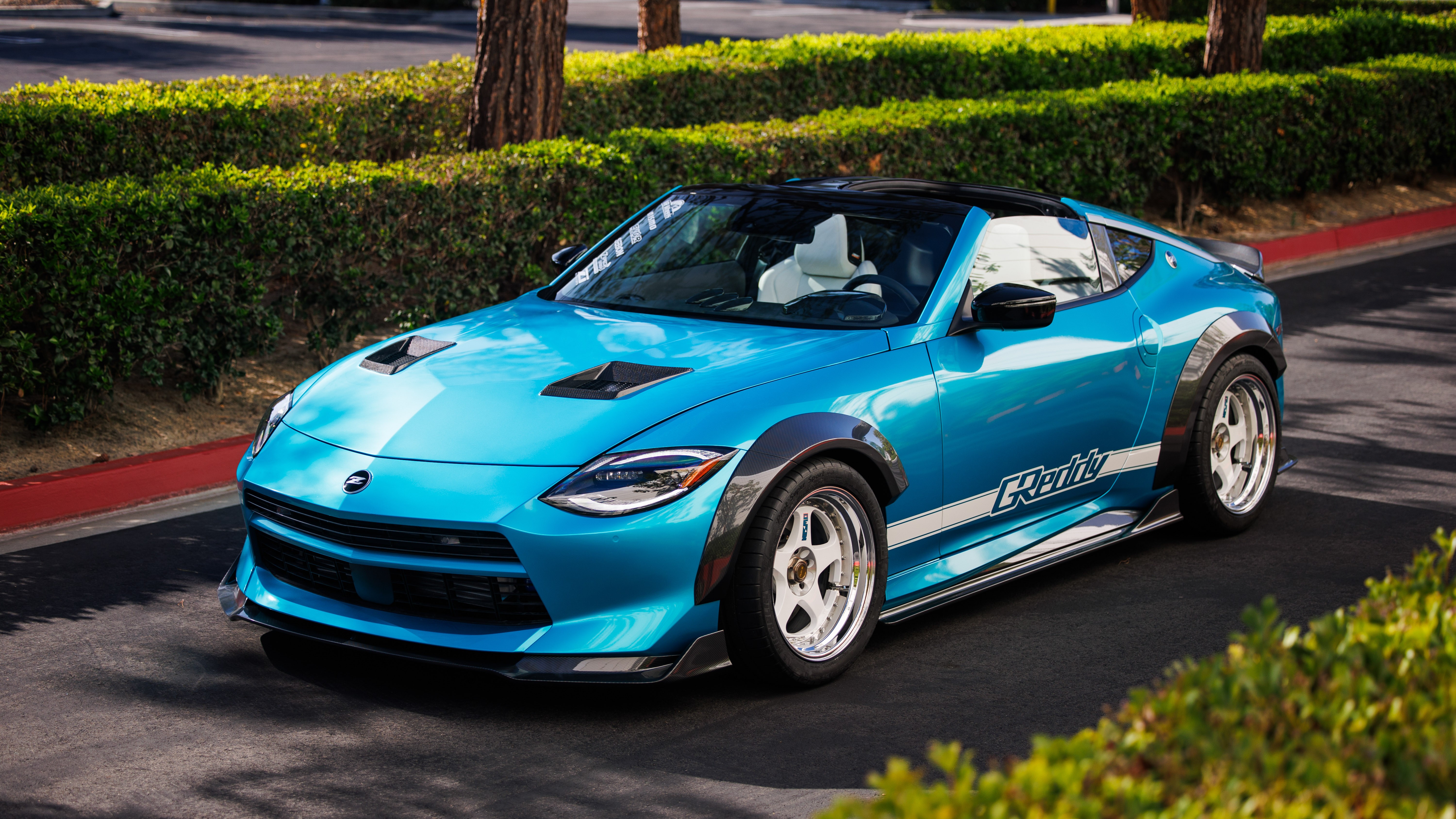
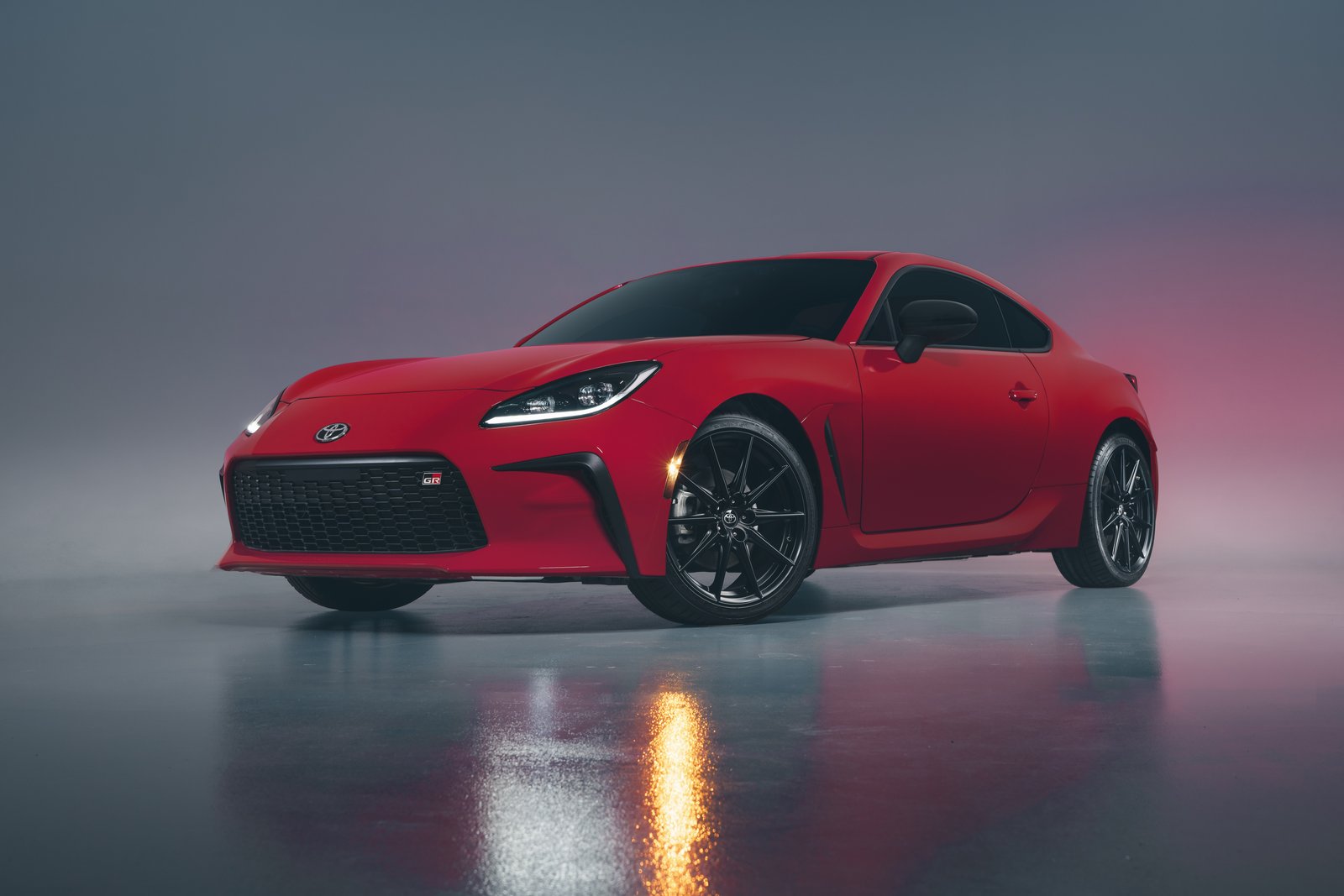
The second-generation GR86 arrived for 2022. Its larger 2.4-liter flat-four makes 228 hp, up from 205 hp in the previous car. It came with a standard manual transmission, rear-wheel drive and a starting MSRP of $27,700.
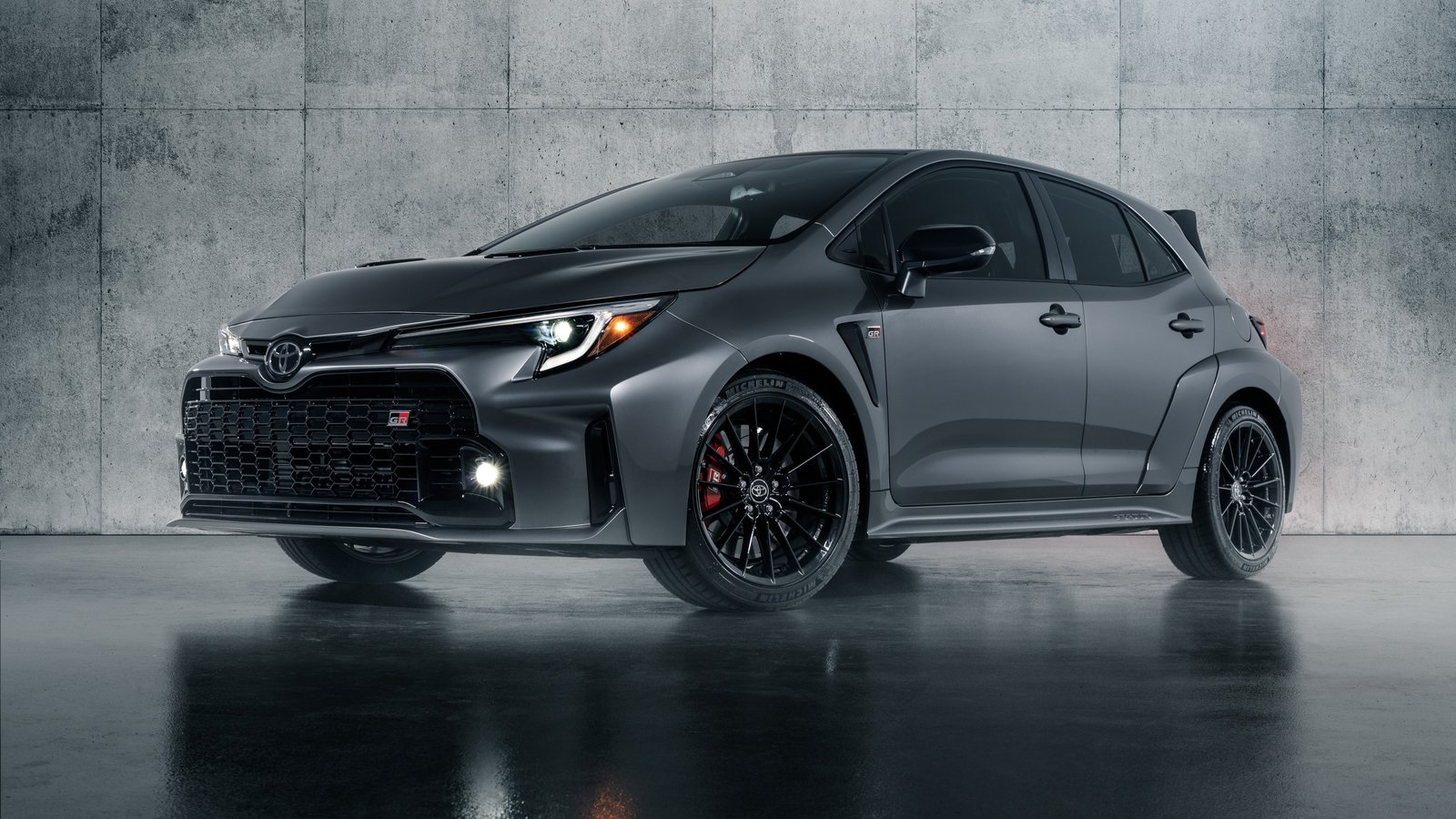
The GR Corolla, launched for the 2023 model year, was the most direct statement of the new direction. It has a 1.6-liter turbocharged three-cylinder making 300 hp and 273 lb-ft. Its GR-Four all-wheel-drive system lets the driver choose a 60/40, 50/50 or 30/70 front-to-rear power split. At launch, a six-speed manual was the only transmission.
Toyota priced the GR Corolla from $35,900. A limited Morizo Edition, named after Toyoda's racing alias, raised torque to 295 lb-ft. That is a lot of hardware for a nameplate better known as sensible transportation, one Toyota is now marking 60 years of building.
Toyoda has never hidden his own preferences. Speaking with a young Toyota engineer at Fuji Speedway, he admitted, "If we only built what I like, they'd all be GR Corollas and GR Yarises."
From racing team to standalone brand
In January 2026, Toyota dropped its own name from Toyota Gazoo Racing. The performance arm is now simply Gazoo Racing, or GR. It is a standalone brand positioned above Toyota and Daihatsu and below Lexus and Century. The GR GT supercar, revealed in December 2025, wears no Toyota badges at all.
That is a long way from an unofficial Nürburgring entry run by company employees.
What the ceremony left out
The Hall of Fame announcement skips the harder chapters. Under Toyoda, Toyota took a slow approach to battery-electric vehicles. It argued that the hybrids it pioneered with the Prius, plus hydrogen, would remain important. Toyota calls this a multi-pathway strategy. For years, investors and climate activists criticized it.
When Toyoda announced in January 2023 that he would hand the CEO job to Lexus chief Koji Sato, he called himself old-fashioned about EVs and digital technology. "I cannot go beyond being a car guy, and that is my limitation," he said.
Hybrid sales have since grown in the U.S. and Japan, and Toyota's current leadership says it is sticking with the strategy. Whether it was foresight or delay is still an open argument.
Governance became the other problem. In 2024, Toyota and group companies including Daihatsu and Hino were caught up in scandals over improper vehicle certification testing. In June of that year, Toyota admitted to irregularities in six different certification tests, including tests for three models still on sale. The problems were reported not to involve safety defects, and no recalls resulted.
Proxy advisers ISS and Glass Lewis recommended voting against Toyoda's re-election. His support at the 2024 shareholder meeting fell to about 72%, down from 96% in 2022. It rebounded to 96.72% in 2025 and was 95.97% at this June's meeting.
Where he stands now
Toyoda, who has been on Toyota's board since 2000, remains chairman. Sato ran the company from April 2023 until this April, when Kenta Kon became CEO. Kon previously served as Toyoda's secretary. Sato is now vice chairman and has left the board.
Kon has said Toyota will keep investing in AI, robotics and the multi-pathway strategy without "hitting the brakes suddenly." In other words, the course Toyoda set is still the course.
What it means if you shop Toyota
Our take: the Toyoda era leaves American buyers two things that were far from guaranteed in 2009.
The first is a company that had to rebuild its safety reputation in public, under a federal monitor, after admitting it misled customers. The second is a showroom where a 300-hp manual hot hatch and a rear-drive coupe sit next to the Camry and RAV4.
The first chapter explains why Toyota's recall handling became a governance issue rather than just a quality issue. The second is why enthusiasts who once ignored the brand now line up for it. The Hall of Fame honored both, but only one made it into the speech.