Toyota's Q3 Sales Were Flat. Its Electrified Sales Jumped 28 Percent
Toyota and Lexus sold 633,223 vehicles in the quarter, up 0.6 percent. Electrified models grew 28.5 percent, which means everything else shrank by about a fifth.
Toyota Motor North America sold 633,223 vehicles in the U.S. in the third quarter, a 0.6 percent gain that leaves it essentially where it was a year ago. The mix underneath that flat number moved a lot. Hybrids, plug-in hybrids, and EVs rose 28.5 percent to 363,367 and now make up 57.4 percent of everything Toyota and Lexus sell.
Run Toyota's percentages backward and the other half of the story appears. Sales of non-electrified models fell to about 270,000 from roughly 347,000 a year earlier, a drop of around 22 percent. That's our math from the figures in Toyota's release, not a number the company published, and it fits the wider Q3 picture of hybrids carrying the quarter.
September did most of the work. TMNA sold 201,306 vehicles, up 8.4 percent, and 117,215 of them were electrified, up 37.8 percent. Adjusted for selling days, total growth was 4.0 percent, so part of the monthly jump came from the calendar rather than the showroom.
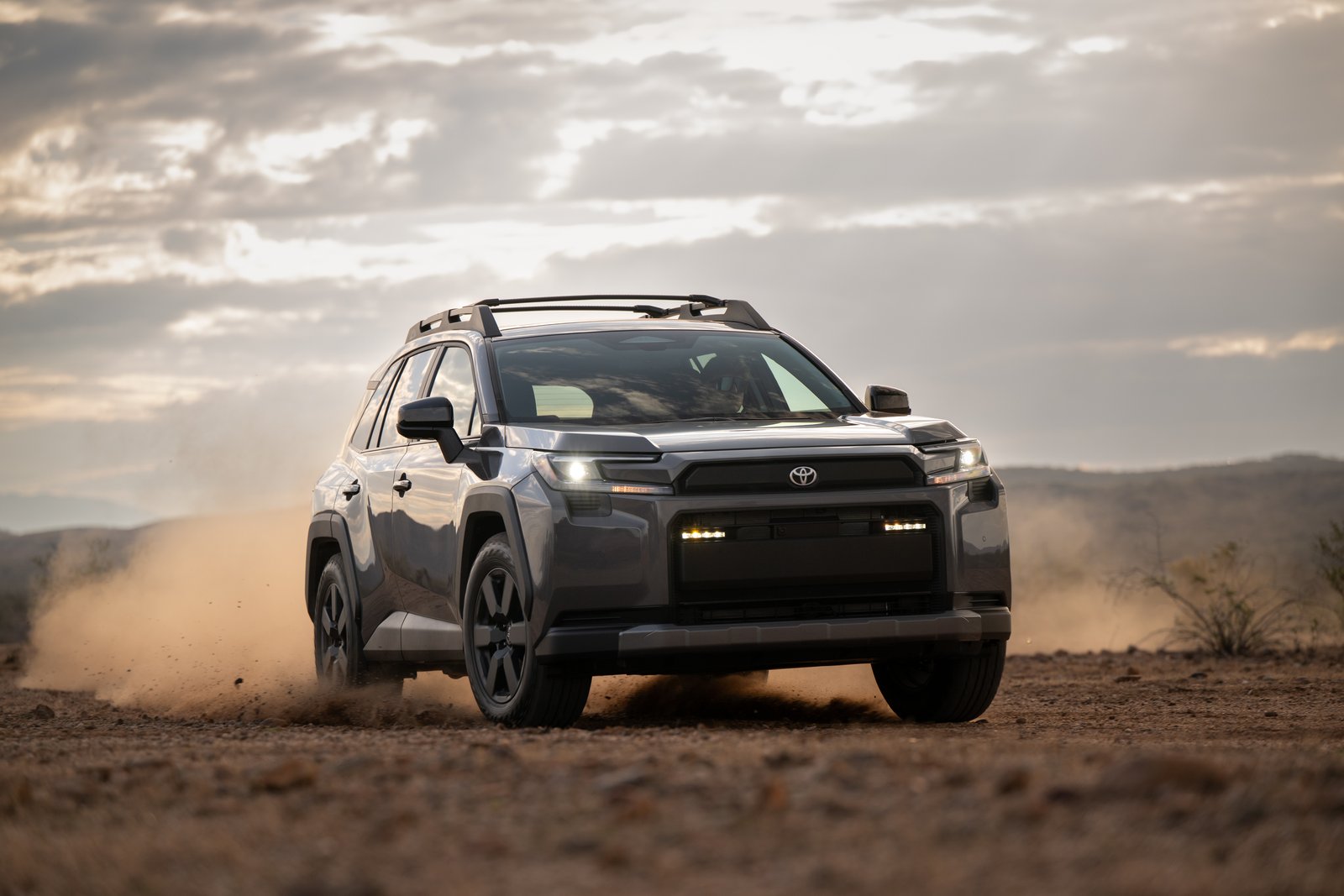
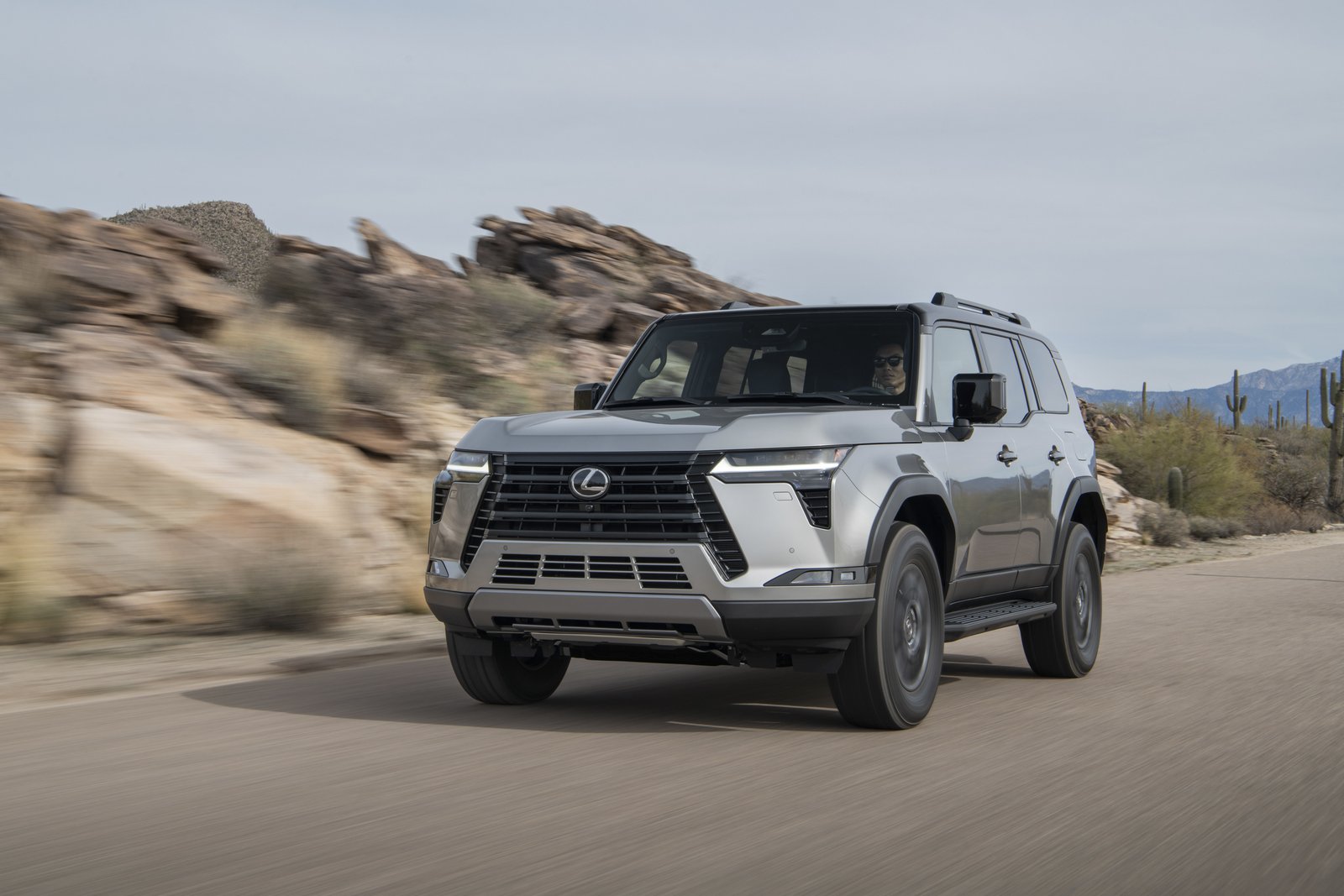
By brand, Toyota sold 540,167 vehicles in the quarter, up 0.5 percent, and the company puts the brand's electrified mix at 61 percent. Lexus grew a little faster: 93,056 for the quarter, up 1.6 percent, with its electrified sales up 23.1 percent to 38,140.
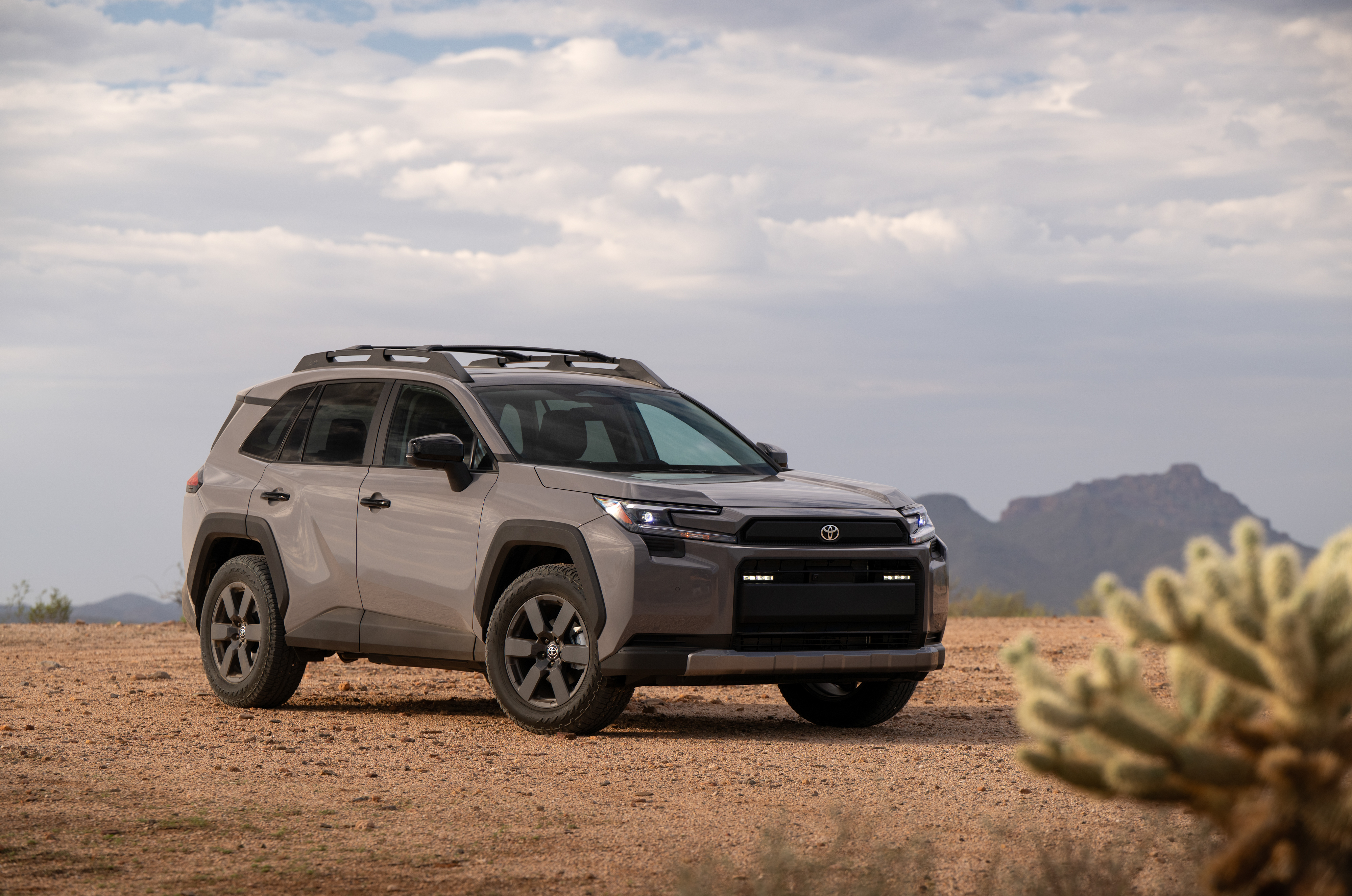
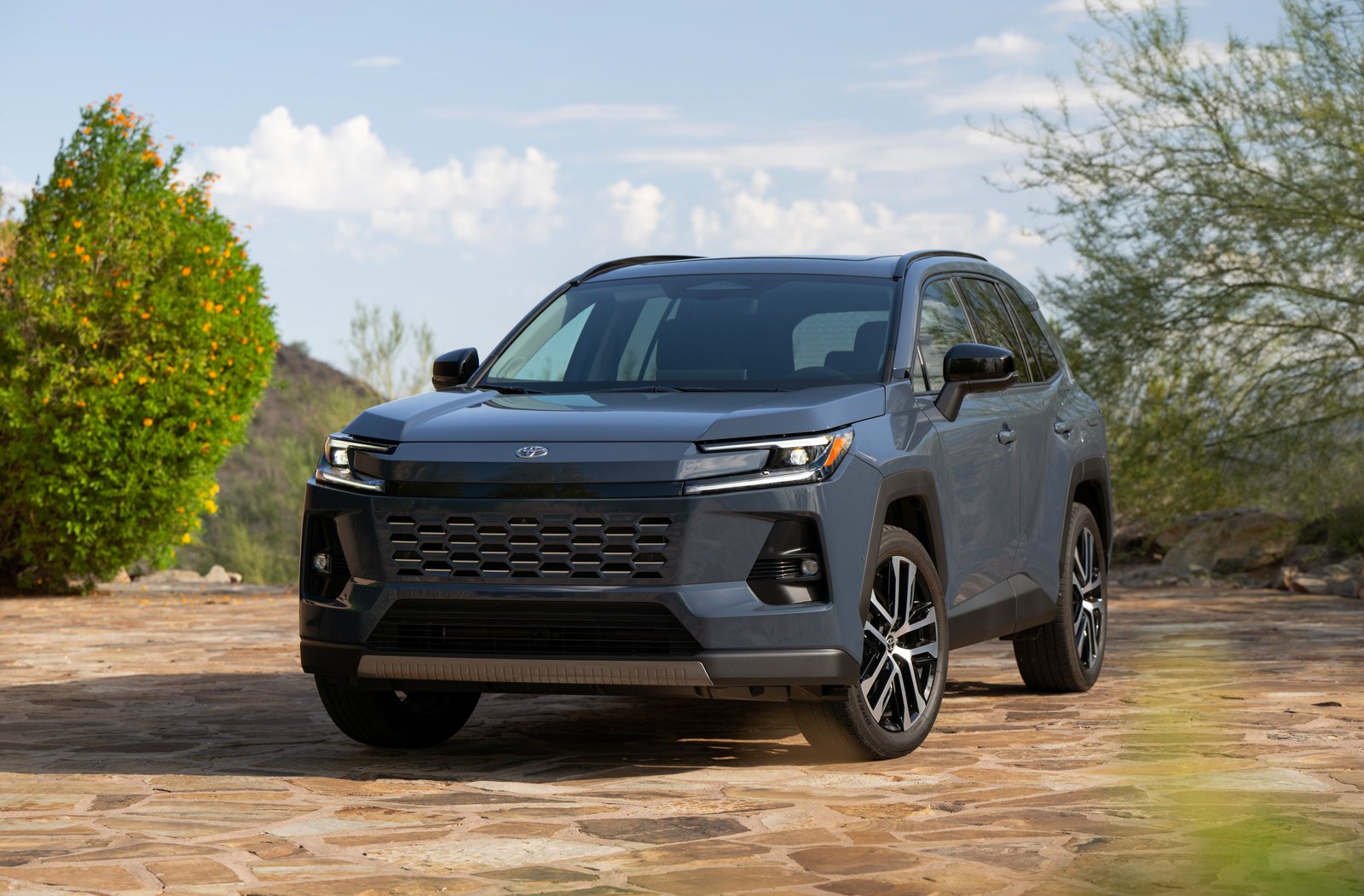
Part of the shift was engineered. When Toyota revealed the sixth-generation RAV4, its best-selling model, it dropped the gas-only version and kept hybrid and plug-in hybrid powertrains. The Camry, Prius, Sienna, and Sequoia were already hybrid-only. That makes the RAV4's fight with the CR-V Hybrid a hybrid-against-hybrid contest by default.
What changed this quarter is the pace. In the second quarter, Toyota's electrified sales grew 19.5 percent while total volume rose 1.1 percent, according to its Q2 report. In Q3, electrified growth sped up by nine points and overall growth slowed.
Honda, Toyota's closest rival in hybrids, had a different kind of quarter. American Honda sales rose 9.3 percent to 392,341, and the Honda brand sold more than 106,000 hybrids, a third-quarter record, according to Honda. Honda-brand passenger cars were up 20.9 percent, which matters for the Civic's race with the Corolla. Toyota's electrified volume is still more than three times Honda's hybrid tally, but Honda grew its total business while Toyota's stood still.
Toyota frames the result as proof of its multi-path approach. "Customers want choices," said Andrew Gilleland, senior vice president of the Automotive Operations Group. The company also says its incentives are among the lowest of any full-line automaker, though it didn't attach a dollar figure to that claim.
The headline figures don't split the electrified total into hybrids, plug-ins, and EVs, and Toyota hasn't said how much of the non-electrified decline reflects models that simply no longer offer a gas-only version. Its October results are due in early November.