Aptera's First Customer Car Is Finished. The Next 40 Still Need $25 Million
The three-wheeled solar EV's first customer car is headed overseas to its biggest investor. U.S. deliveries hinge on $25 million and a safety sign-off.
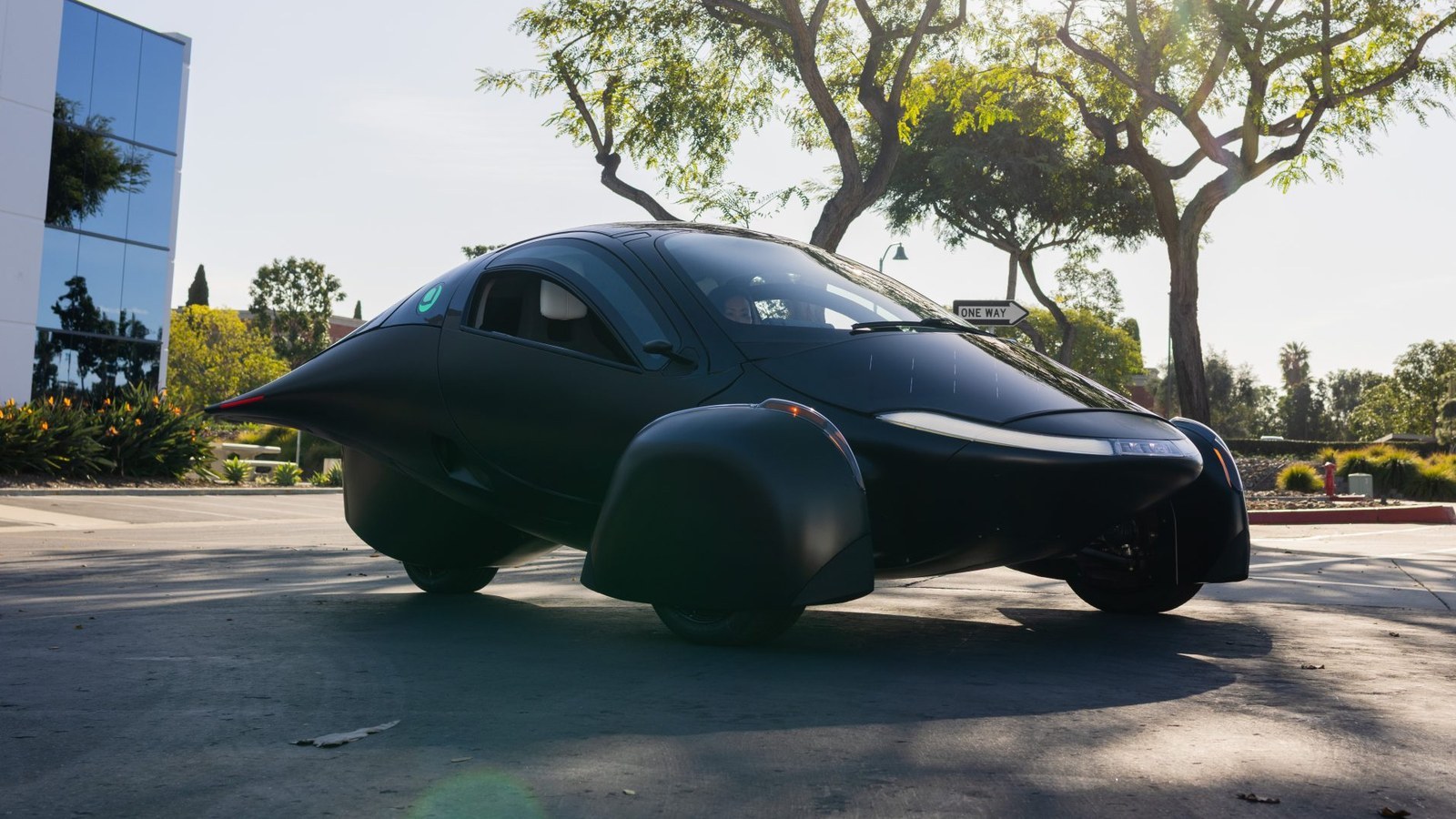
Aptera has finished the first car it intends to sell to a customer: a matte black, three-wheeled, two-seat solar EV built in Carlsbad, California. It has not been handed over, its price has not been disclosed, and it is leaving the United States. Everything after it, from the $40,000 target price to the next 40 cars, depends on money the company has not raised yet.
That makes this a milestone, not a launch. Here is what is confirmed, what is only claimed, and how the Aptera sits next to the cheapest new EVs you can actually buy today.
What Aptera actually announced
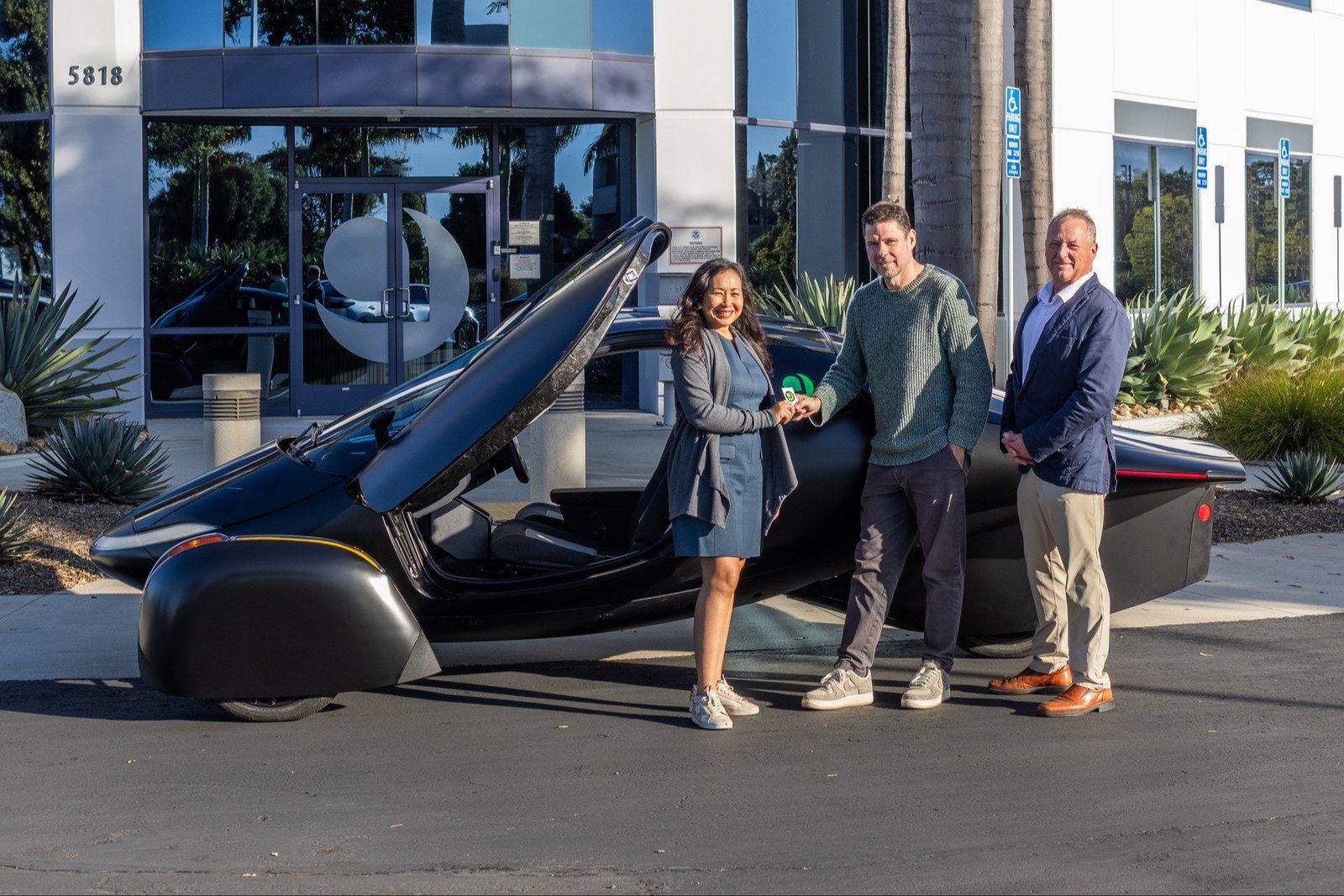
On November 19, the company said it had completed its first vehicle for sale to a customer. The car was built for Martin Hartono, chief executive of GDP Venture, whom Aptera calls Accelerator #1. It wears Noir, a matte black finish he picked, and Aptera says it intends to export the car to him outside the U.S.
Accelerators are early investors, not ordinary reservation holders. According to Aptera's third-quarter filing, the first program offered 2,000 delivery positions for a minimum $10,000 investment between January 2023 and January 2024, and participants put in about $18,700 on average. Delivery order follows the size of the investment, so car number one went to the biggest check.
The announcement leaves out what Hartono paid, which country the car is headed to, and when he gets the keys. Aptera says it is working to finish more cars for early customers but gives no number. Its own risk language adds that it has no history of sales or deliveries, and that one finished car does not predict what follows.
What kind of vehicle this is
The Aptera seats two, rides on three wheels (two in front, one behind), and offers 32.5 cubic feet of cargo space under its rear hatch. The Launch Edition, the only version being readied for production, is listed with front-wheel drive, 0–60 mph in under six seconds, and 400 miles of range. All of those are Aptera's numbers.
The spec has moved over time. When the Launch Edition was announced in 2023, it had all-wheel drive from in-wheel motors, a pack of about 42 kWh, and a claimed drag coefficient of 0.13. The current vehicle page lists neither a battery capacity nor a drag figure.
The 400 miles is not an EPA rating. The EPA issued a Certificate of Conformity for the 2026 Launch Edition on June 18, but that is an emissions-compliance document, not a range label. Aptera's latest release calls its range figures estimates rather than measured driving range. If the claim held up, it would put a two-seater with a small battery in the territory of the longest-range electric SUVs with EPA ratings.
It also plugs in like any other EV. Aptera said in 2023 that the car would use the NACS connector and gain roughly 13 miles of range per hour from a household outlet. A DC fast-charging rate for the production car has not been published.
The "40 miles a day" claim, unpacked
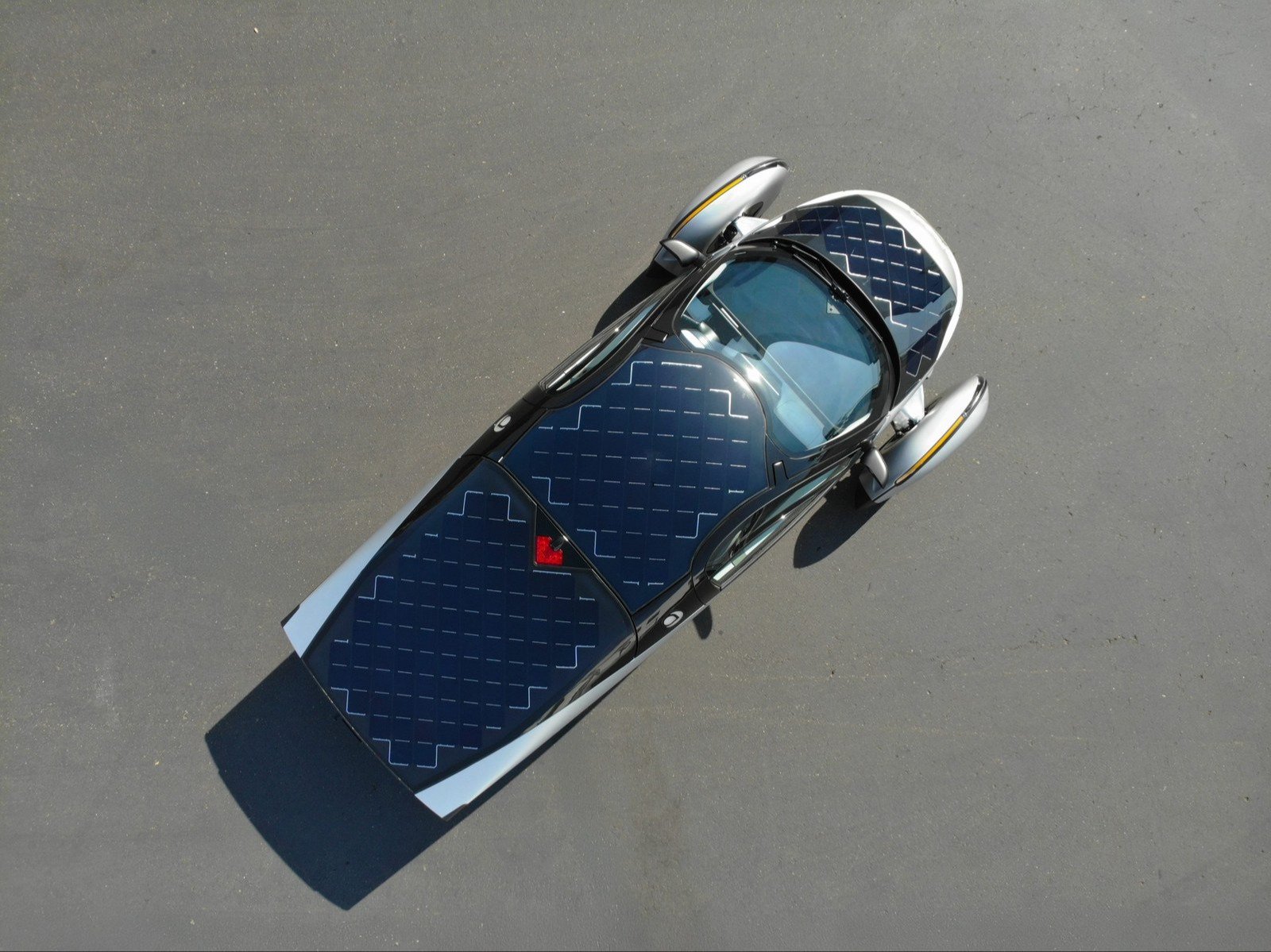
The headline solar number is arithmetic: 4.0 kWh of sunlight into the battery per day, divided by a target consumption of 100 watt-hours per mile.
The first half has been measured. TÜV Rheinland monitored one validation car at Carlsbad on three days in July and recorded 4.23 kWh with the car parked and untouched, 4.40 kWh when it was repositioned once at midday, and 4.75 kWh with the rear hatch propped toward the sun.
The second half is still a target. Nobody outside the company has verified 100 Wh per mile, and Aptera's own disclosures say production cars may not reach it. The test was run in clear July weather in Southern California, on a single car, and TÜV's role was to witness measurements, not to certify the vehicle. Aptera says results will vary with weather, location, orientation, and season, and that daily solar may not cover an owner's typical driving. A cheaper panel layout covering only the roof, hood, and dash is listed at up to 22 miles a day.
Price and reservations
Aptera's configurator shows a target price of $40,000 for the Launch Edition, with the final purchase price "to be announced prior to delivery." A reservation costs $100. Other battery sizes (250, 600, and 1,000 miles) and all-wheel drive appear as variants flagged as possibly affecting delivery dates.
The company reported more than 49,000 reservation holders as of September 30. The refundable fees behind them total about $4.1 million, which works out to less than $100 apiece. Whether those reservations convert into binding orders is one of the risks Aptera lists itself.
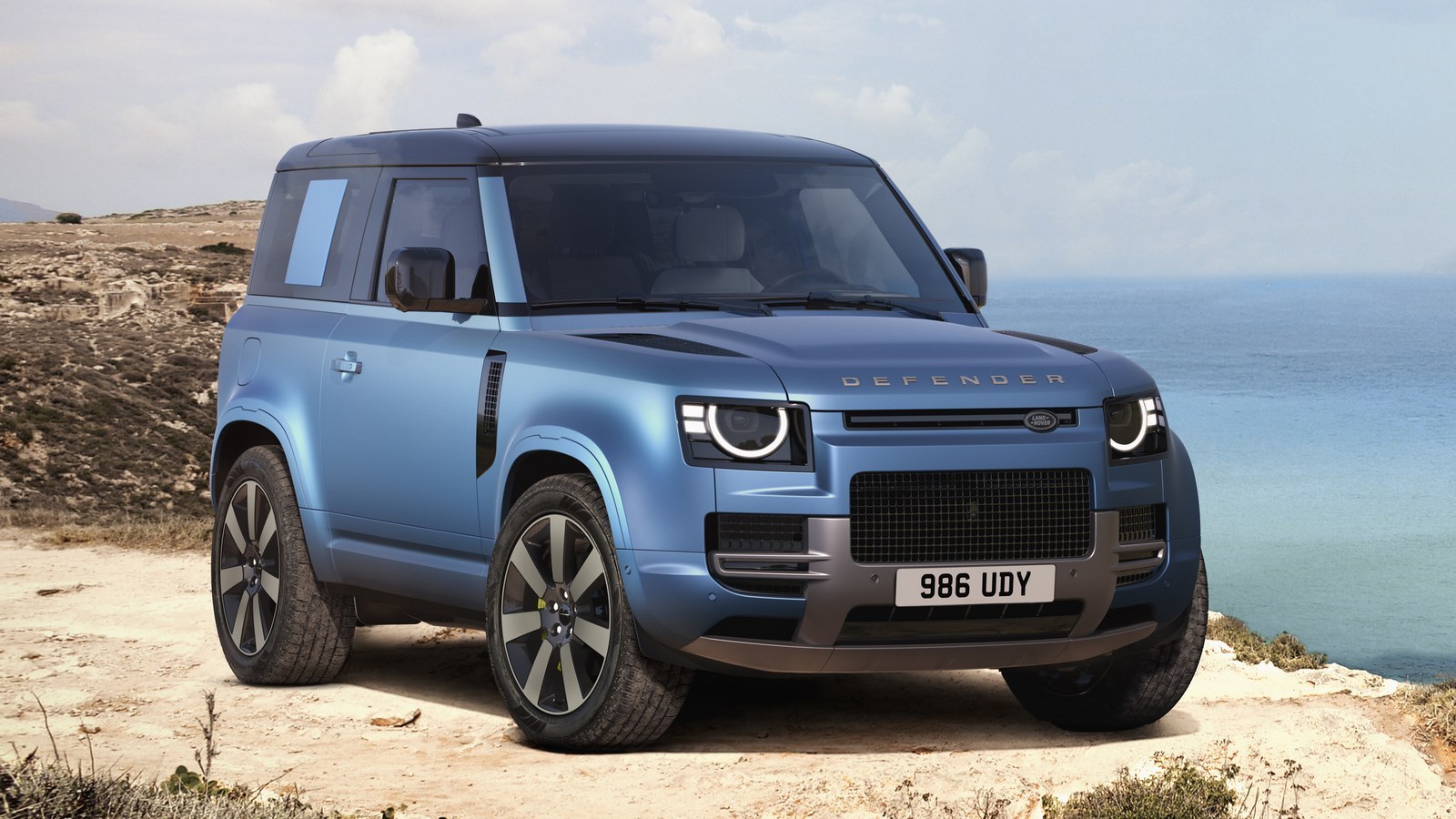
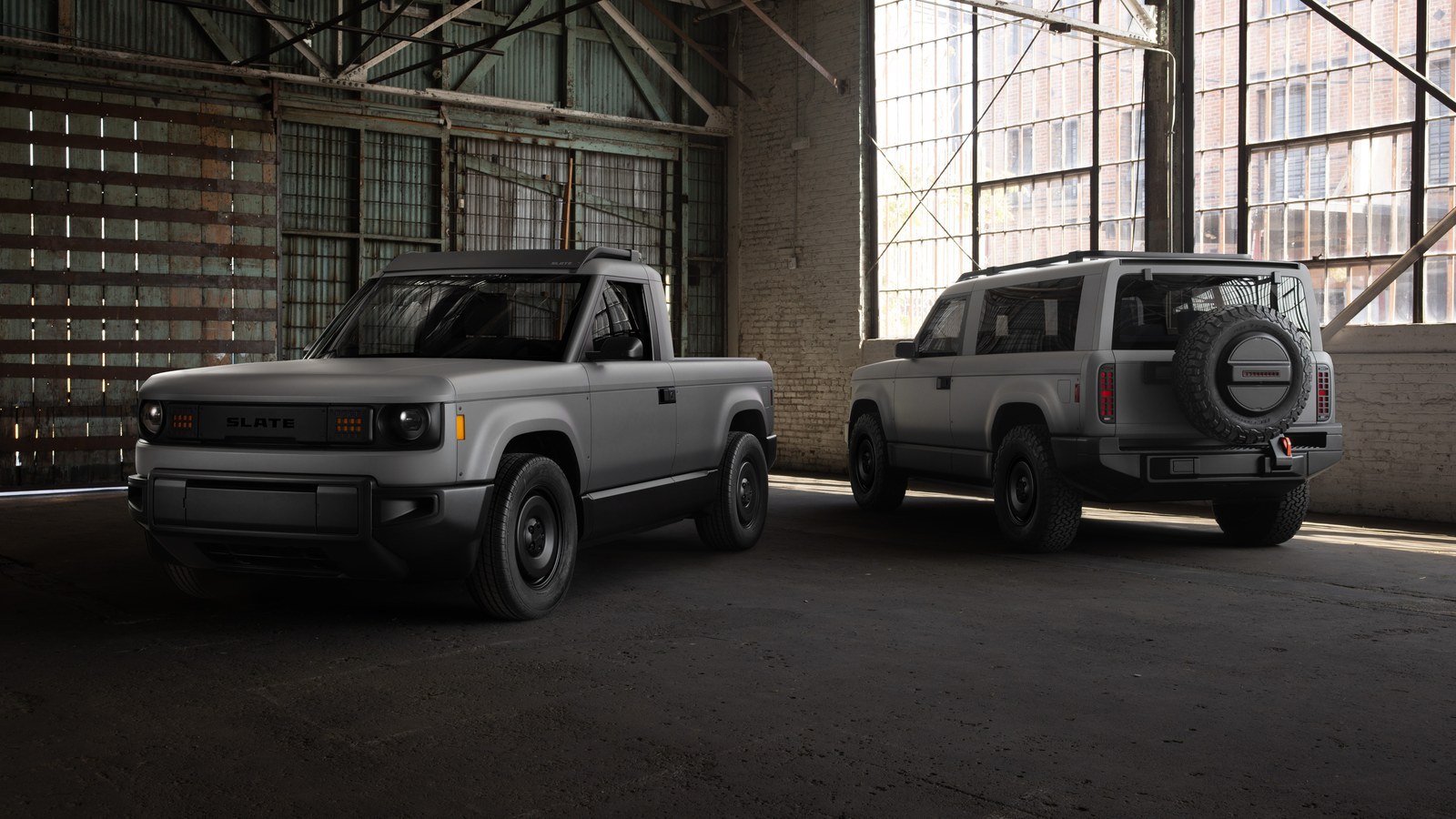
At $40,000, the Aptera is not a budget play. The Slate Truck starts at $24,950, or $26,400 with destination, and REO's gas-powered Runabout T4X is estimated at $21,500. Aptera is selling efficiency, not a low sticker.
Legally, it is a motorcycle
Federal safety rules sort vehicles by wheel count. NHTSA classifies every three-wheeled motor vehicle as a motorcycle, which means the Aptera must meet the Federal Motor Vehicle Safety Standards written for motorcycles, covering items such as brakes, lighting, and tires. The passenger-car standards for frontal and side crash protection do not apply to it.
That does not mean there is no federal hurdle left. Aptera says FMVSS compliance is the last federal requirement before U.S. customer deliveries and that it is still demonstrating it with cars from its validation line. No NHTSA star ratings or IIHS results exist for the vehicle. The first customer car is being exported, and Aptera has not said U.S. deliveries are cleared.
State rules vary. Aptera says the car is registered as an autocycle or a motorcycle depending on the state, that a standard driver's license is enough everywhere except Alaska, and that adults do not need a helmet. It names Arizona, Oklahoma, and Wyoming as states that require one for drivers under 18. Check with your own DMV before relying on that.
The money and the factory
Aptera has traded on Nasdaq under the ticker SEV since October 2025, so its finances are public. It ended September with $9.2 million in cash, of which about $4.1 million was refundable reservation money. The third-quarter net loss was $14.0 million, and the filing says substantial doubt about its ability to continue as a going concern has not been alleviated. It raised roughly $6 million more in November by selling shares at $1.75.
The production plan published on October 1 has three price tags:
- About $25 million to reach the start of production, down from an earlier $40 million to $45 million.
- About $65 million in total to reach 500 vehicles a month, the rate at which Aptera believes sales could fund operations.
- About $115 million in total to tool up toward roughly 20,000 vehicles a year.
On that plan, the first 40 production vehicles begin building by the end of 2026 and customer deliveries start in early 2027, subject to timely financing. Bodies and chassis for those 40 were ordered in August.
Final assembly is in a leased building of about 77,000 square feet in Carlsbad, and the filing says higher volumes will likely need a bigger site. Aptera credits much of the lower cost estimate to Shanghai-based Launch Design, a contract engineering and manufacturing partner signed in August for up to RMB 300 million in services, paid partly in warrants.
The solar cars that did not make it
Aptera is close to the last one standing. Dutch startup Lightyear sent its production arm into bankruptcy in January 2023, weeks after starting to build the Lightyear 0. Germany's Sono Motors canceled its Sion hatchback a month later, and what remained of the company ceased operations and entered insolvency in the summer of 2026. Tesla said a solar option would come to the Cybertruck; it has not been offered.
Aptera's bet is different in kind. Rather than adding panels to a normal-sized car, it built a very light, very slippery vehicle around what a few square yards of solar cells can deliver.
What we don't know yet
- The final price. $40,000 is a target, and Aptera says the real number comes before delivery.
- When U.S. customers get cars. "Early 2027" depends on raising about $25 million.
- Safety results. FMVSS compliance is not yet announced, and no crash-test data has been published.
- Real efficiency and range. The 100 Wh-per-mile target and the 400-mile figure are unverified.
- Battery and fast charging. Capacity, DC charging speed, and Supercharger access for the production car are unconfirmed.
- Service. Aptera flags warranty and service among its risks and has not described a service network.
What's next
Watch for four things: the handover of car number one, an FMVSS announcement, new financing, and whether the first 40 production cars are under way by December 31. We will update this page as each lands.