Bentley's First EV Will Be Hand-Built Inside a 1938 Factory Building
Days before the Torcal's debut, Bentley showed the new hand-assembly line inside its Crewe factory — a £350 million bet on building its first EV at home.
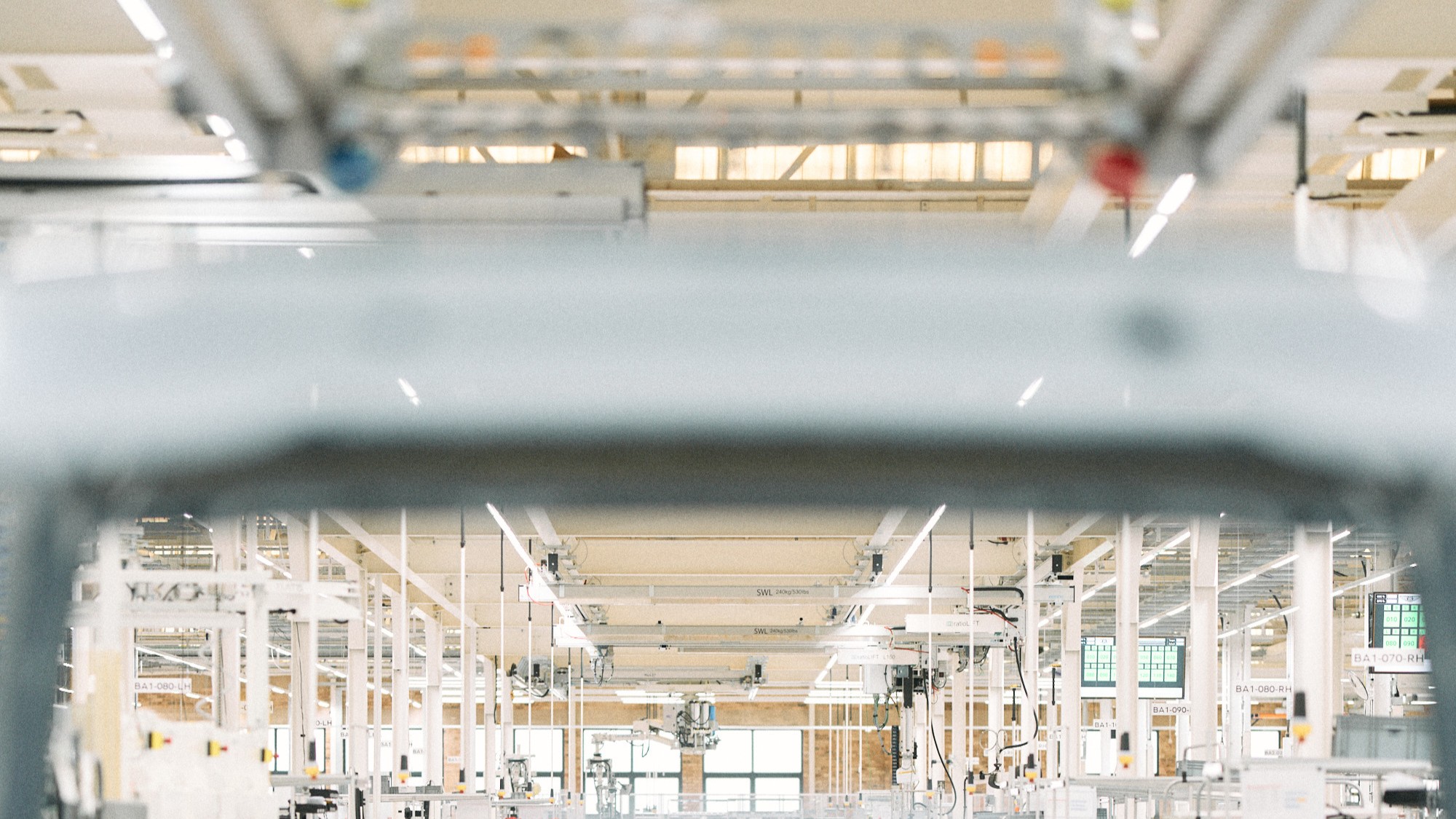
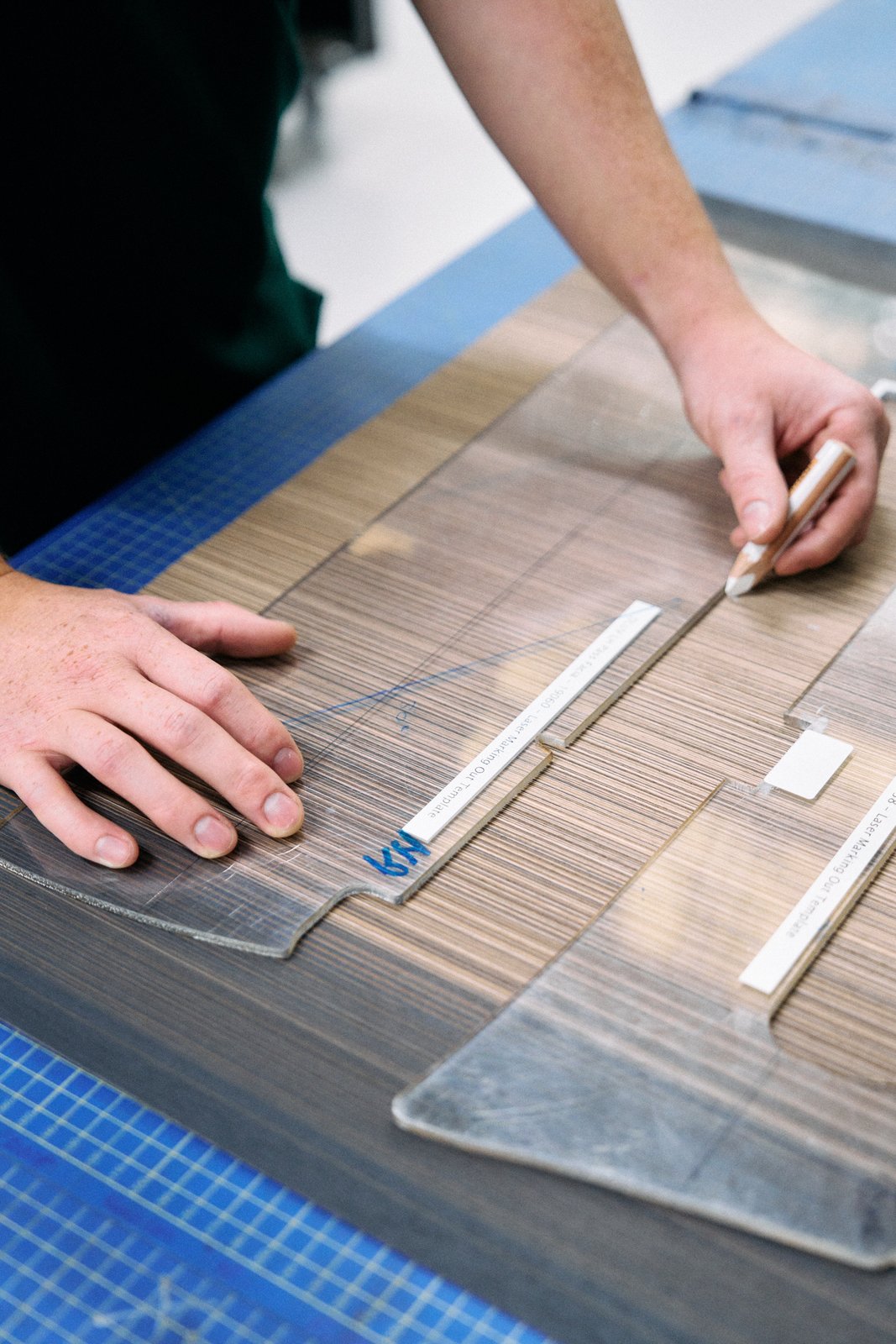
Six days before its first electric car breaks cover, Bentley has shown where it will be built: a new hand-assembly line taking shape inside one of the original 1938 buildings at the company's home factory in Crewe, England.
The line occupies a space that served as the site's machining shop in its early years and, most recently, as Bentley's R&D workshop. According to the automaker, the building was stripped back and fitted with a precisely level floor so that autonomous guided vehicles can carry partially built cars between stations. The line is now nearing completion.
The project is part of a self-funded investment of more than £350 million in the Crewe site, which also covers a factory-wide renewal program and the paint shop that opened in July — a facility Bentley says is the first automotive paint shop in the world to move bodies by AGV.
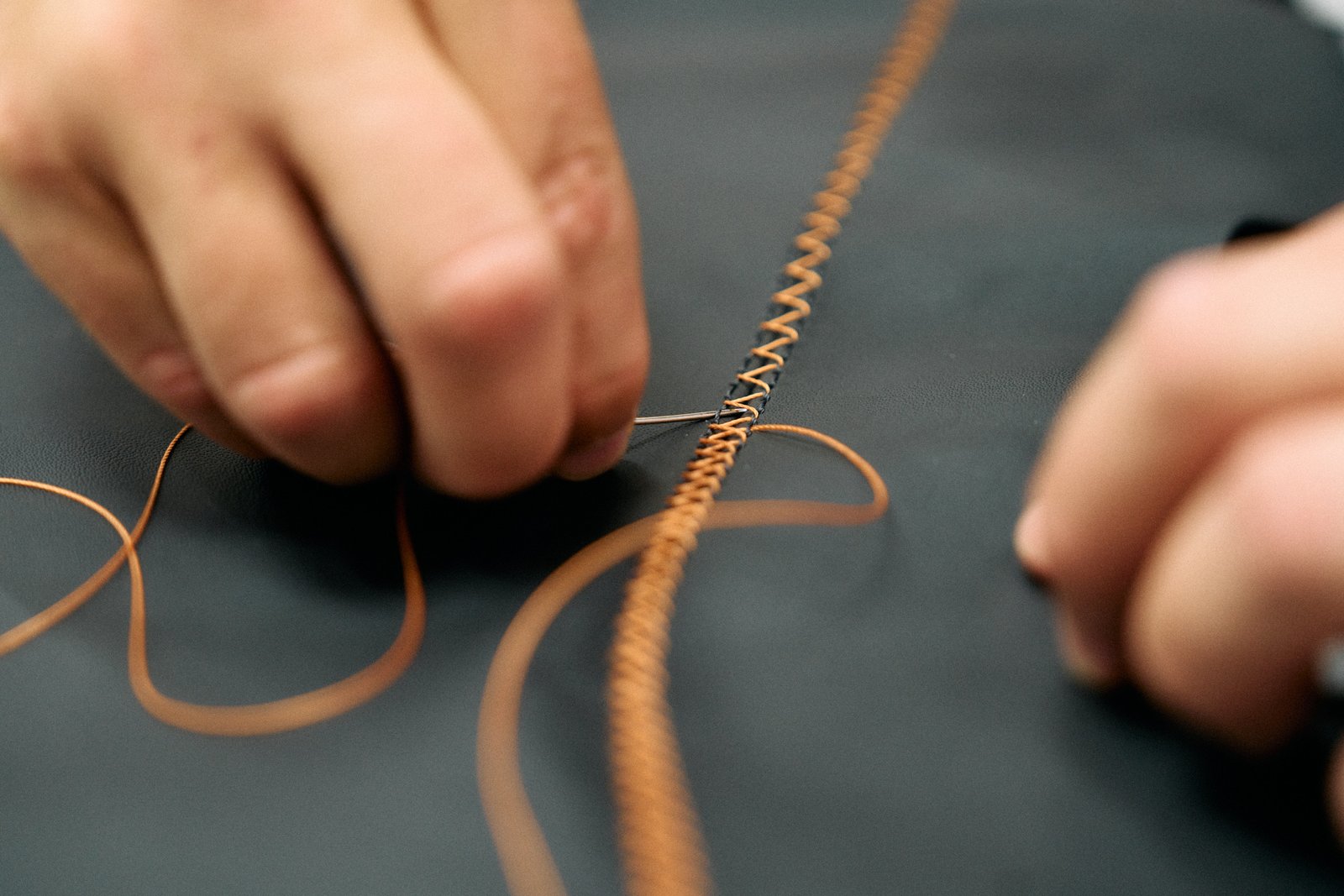
British suppliers stand behind the new model, including Fox Brothers, the Somerset mill providing the wool used in the Torcal's cabin. Leather will still be stitched by hand, the same treatment Bentley applies to the V8-powered, rear-wheel-drive Supersports. More than 4,000 people work at the Crewe site, one of the largest employers in the area.
A First EV on a Hedged Timeline
Bentley named the Torcal in July after El Torcal de Antequera, a limestone landscape in southern Spain, and set the reveal for 19:19 on September 23 in London — a wink at the company's founding year of 1919. The Torcal becomes the fourth model line alongside the Continental GT, Flying Spur, and Bentayga, and the company has previously billed it as the world's first true luxury urban SUV.
The car lands as Bentley itself keeps softening its electric targets. The original Beyond100 plan promised an all-EV lineup by 2030; in late 2024 that slipped to 2035, and last November the company said plug-in hybrids — plus a limited-run pure-combustion model — would stay in production beyond that date. Against that backdrop, a dedicated EV line inside a legacy plant reads as a two-way bet: Crewe will keep turning out gas, hybrid, and electric Bentleys on one site for years to come.
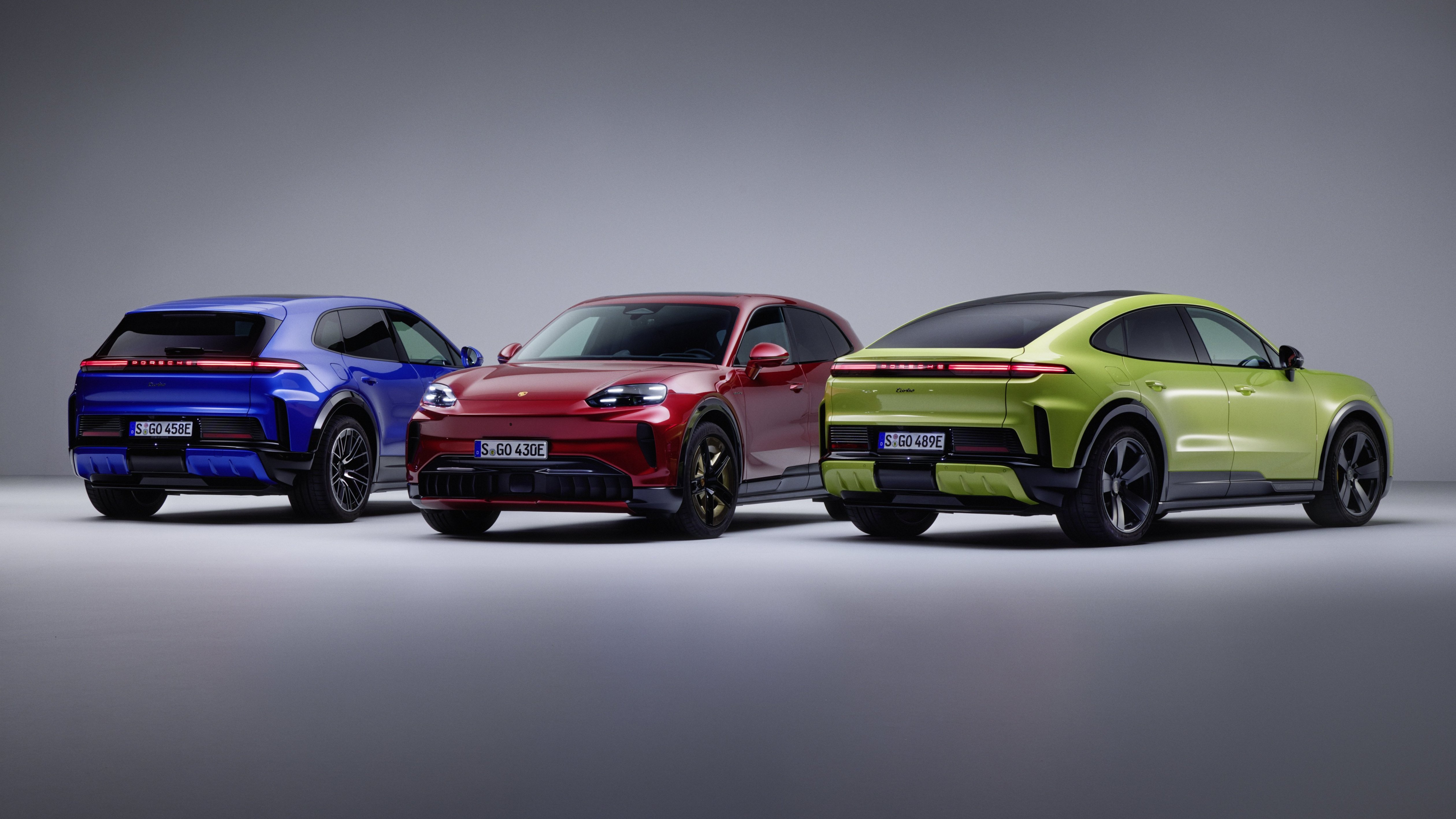
Bentley hasn't confirmed the Torcal's technical specifications, but The Drive, which rode in a prototype, reports the car shares its platform with the electric Porsche Cayenne. Range, output, and pricing remain undisclosed; those answers — and the car itself — are due September 23.