Ford Recalls Mustang Mach-E Over Software That Can Cut Power While Driving
Only 86 cars are affected, but the defect is unusual: replacement battery control modules that overstate the pack's health, risking sudden power loss and, over time, a battery fire.
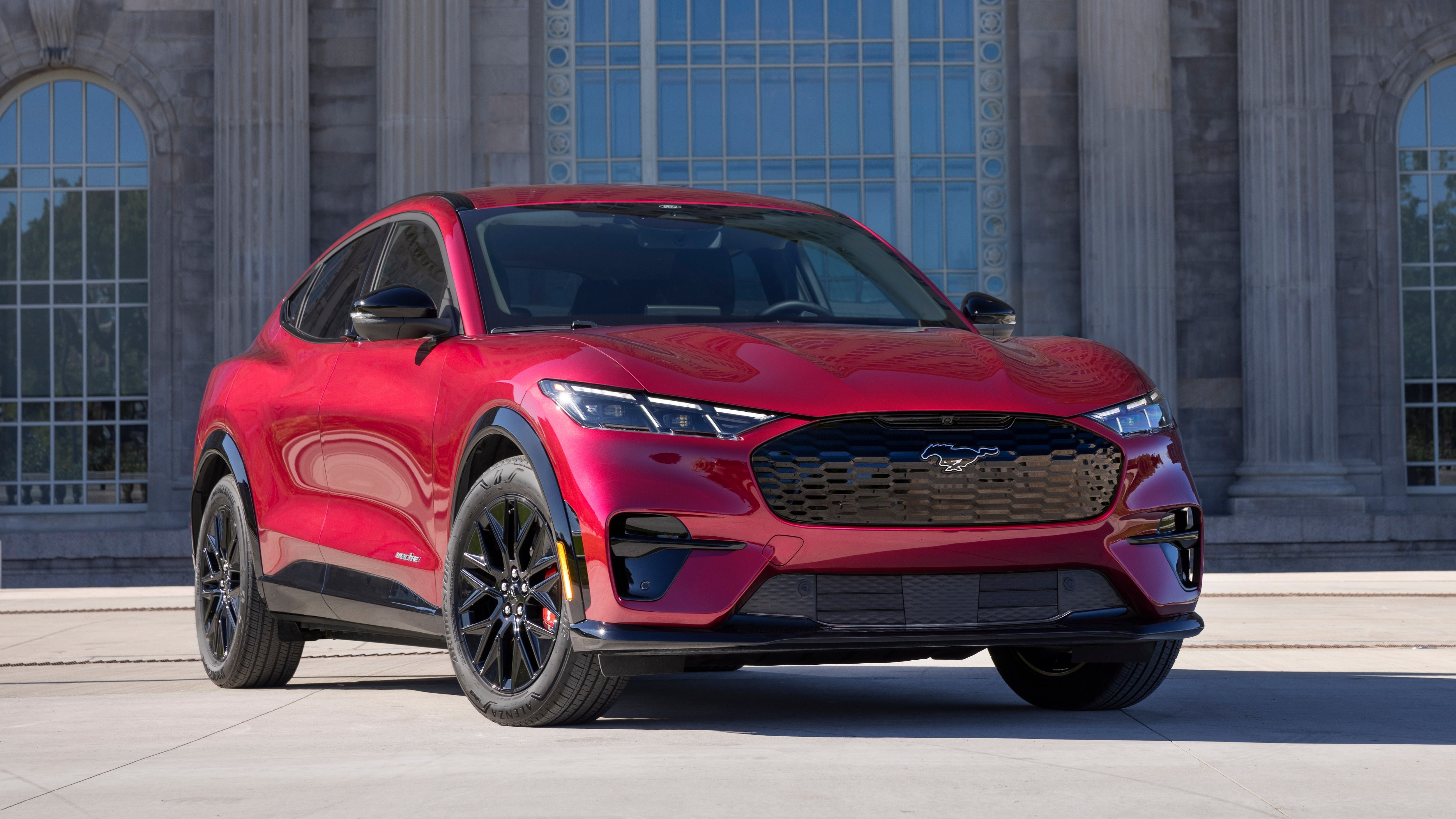
Ford is recalling a small batch of Mustang Mach-E crossovers because battery-management software can cut drive power without warning and, over time, raise the risk of a battery fire. The campaign, filed with the National Highway Traffic Safety Administration as number 26V582, covers just 86 vehicles from the 2023–2025 model years — and how the defect got into them is the unusual part.
According to the recall filing, every affected car has a lithium iron phosphate (LFP) battery pack and, at some point, received a replacement Battery Energy Control Module — the computer that monitors the high-voltage battery. Ford says those service modules default to treating the pack as being at 100 percent state of health instead of learning its real condition. The instrument cluster can then show more charge than the battery actually holds, so a driver counting on the displayed range may hit a sudden power limitation or a complete loss of drive power. Ford also says the miscalculation can accelerate lithium plating inside the battery cells, which over time creates a potential thermal venting condition — the fire risk cited in the filing.
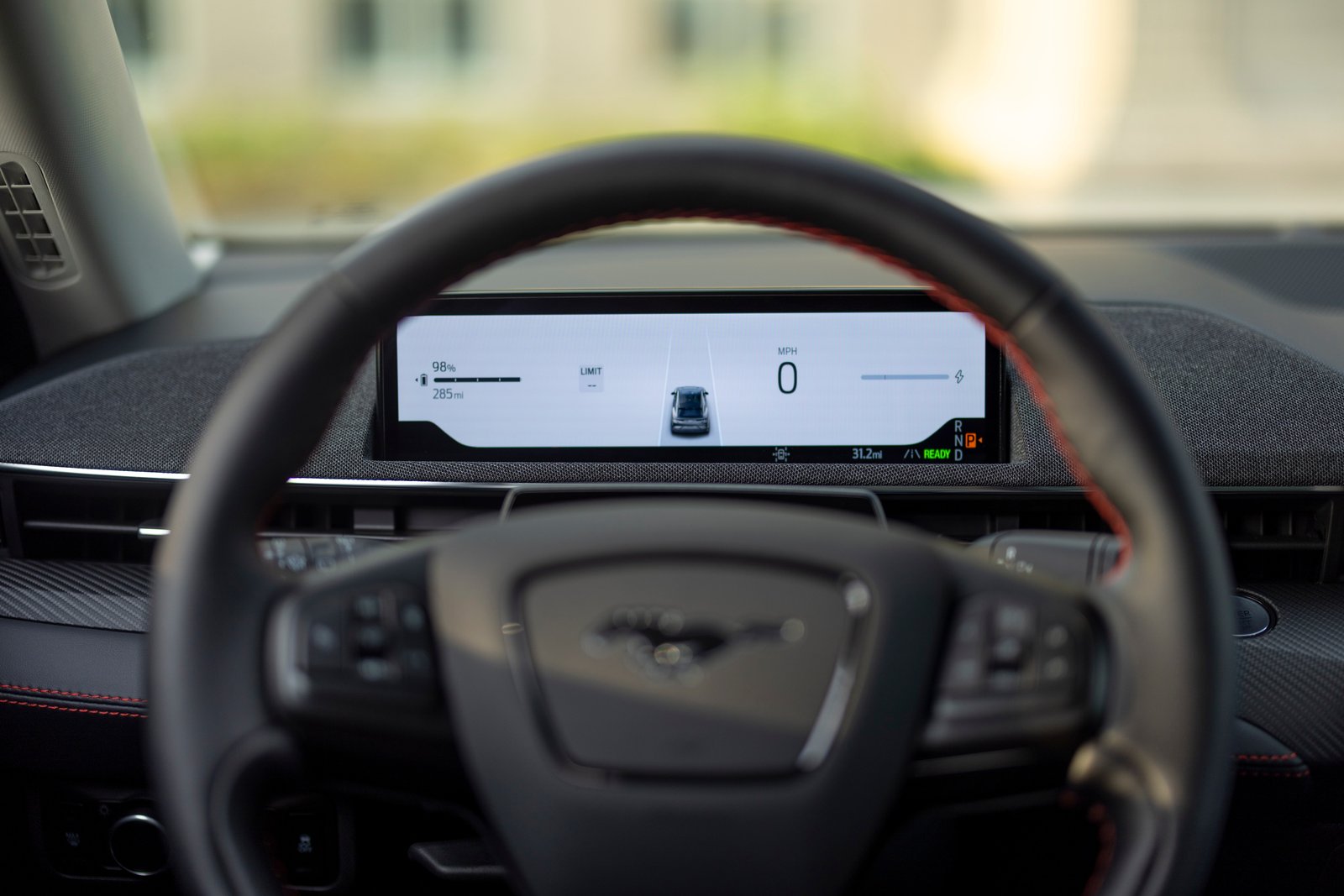
Because the defect lives in replacement parts, simply owning a 2023–2025 Mach-E doesn't put a car on the list. Only vehicles that had a BECM swapped during service, or fitted with an over-the-counter replacement module, are included. Owners can check their VIN in the NHTSA recall lookup.
The fix is a software update that teaches the module to calculate the battery's actual state of health, and the filing calls for Ford and Lincoln dealers to perform it free of charge. Interim letters are scheduled to reach owners between October 26 and 29, with remedy notifications to follow once the fix rolls out, which the filing schedules for late December. Ford's internal number for the campaign is 26S68. The company says it knows of one warranty report, one customer contact, and two internal quality reports linked to the issue, but no accidents, injuries, or fires.
The recall arrived in a September 21 NHTSA batch that included two more Ford campaigns: the 2026 Explorer, for a passenger airbag that may deploy improperly (26V581), and the 2026 Bronco, for a bracket that can tear the side curtain airbag (26V580).
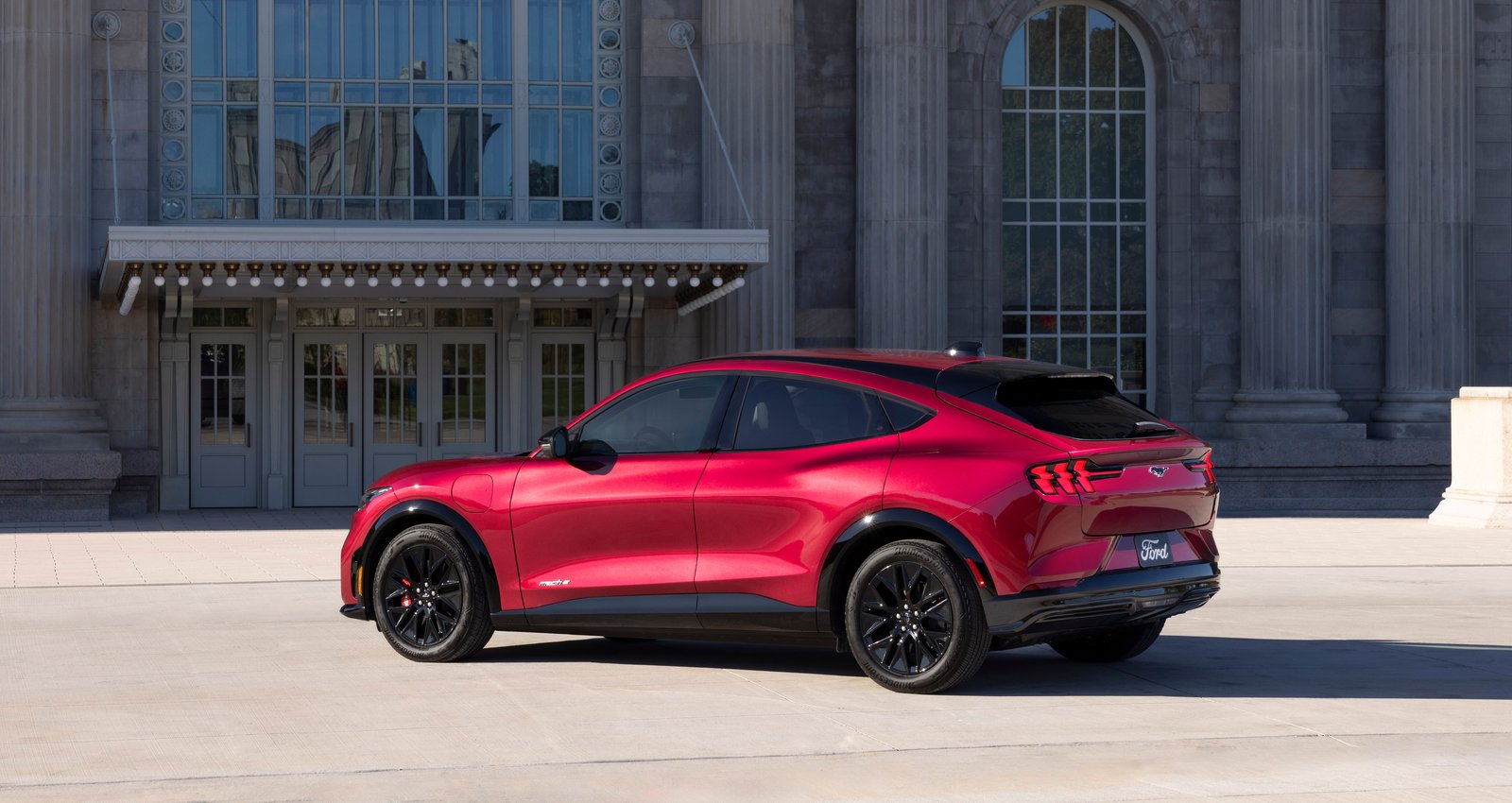
It also caps a rough recall year for the Mach-E. In July, Ford called back 42,784 examples from 2021–2023 over a rear differential pinion shaft that can fracture and cut drive power. Before that, the crossover was swept into a campaign covering nearly 273,000 vehicles — alongside the F-150 Lightning and Maverick — for a park module that may fail to lock, letting the vehicle roll away. Next to those numbers, an 86-car software recall is a rounding error. The pattern of drive-power defects is what keeps adding up.