Hyundai's Ioniq 9 Gets the Same Power-Seat Recall That Killed a Toddler in a Palisade
The 2026 Ioniq 9's second-row power seats can fail to sense a person and keep moving. It's the third Hyundai Motor Group model recalled for the defect since March.
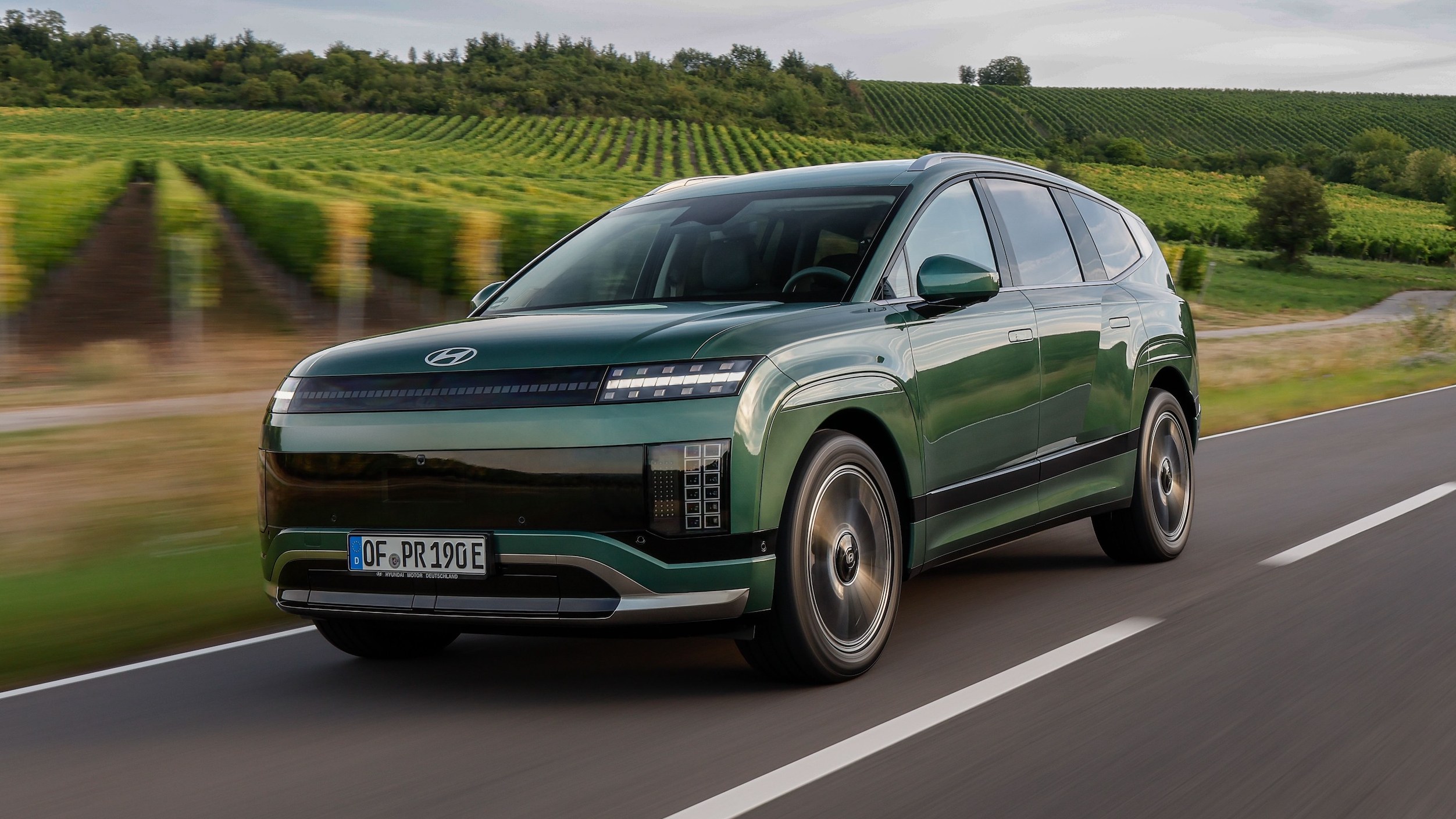
Hyundai is recalling 5,360 of its 2026 Ioniq 9 three-row electric SUVs because the second-row power seats can fail to sense that someone is in the way and keep moving after making contact. It's the same defect that forced a Palisade stop-sale in March after a toddler's death, and the Ioniq 9 is now the third Hyundai Motor Group model to get the recall.
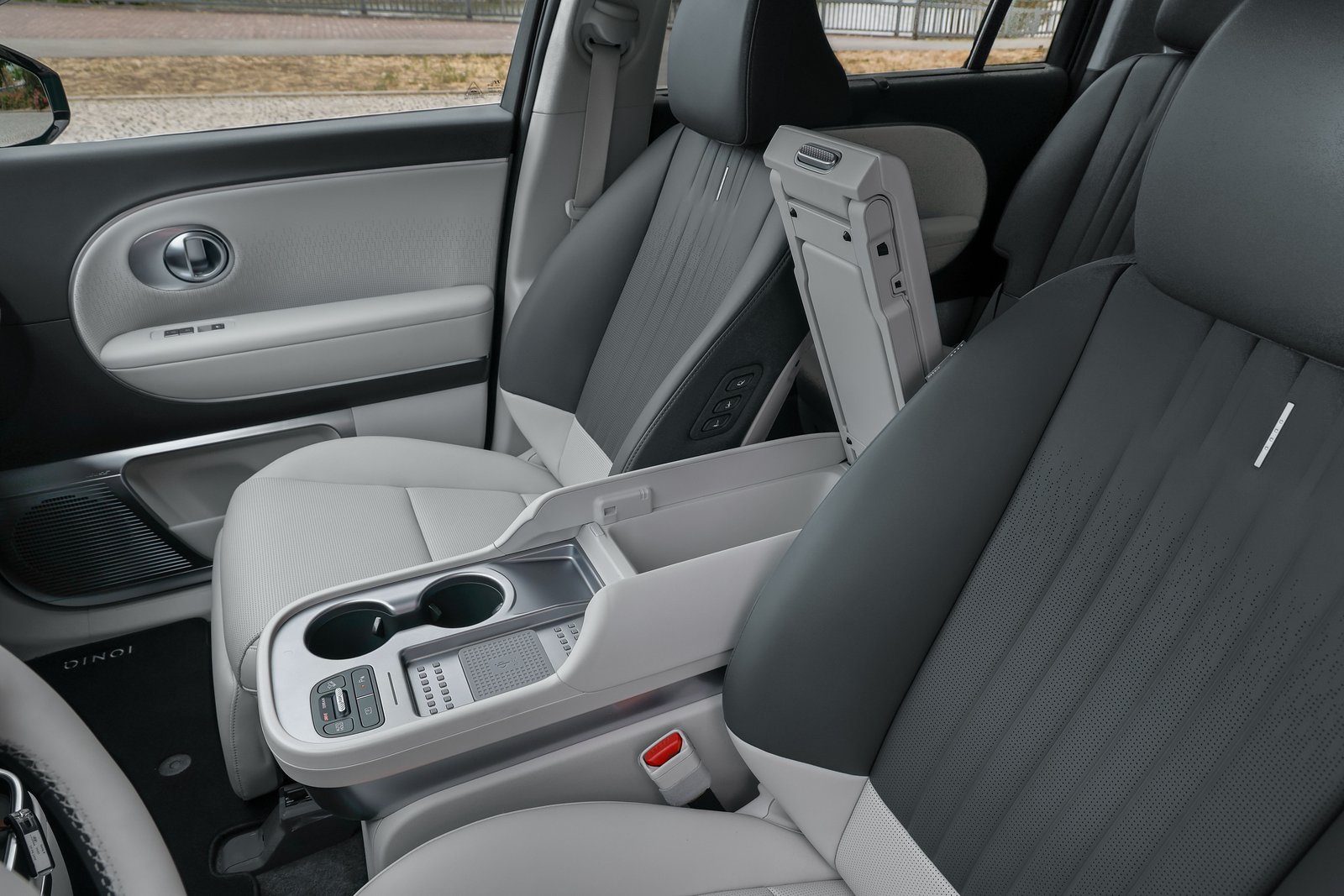
The campaign, filed with the National Highway Traffic Safety Administration as recall 26V588000, covers only Ioniq 9s in Limited, Calligraphy, and Calligraphy Design trim. Those are the versions with power-operated second-row captain's chairs and one-touch walk-in; the S, SE, and SEL come with a manually sliding bench, which is why they aren't included.
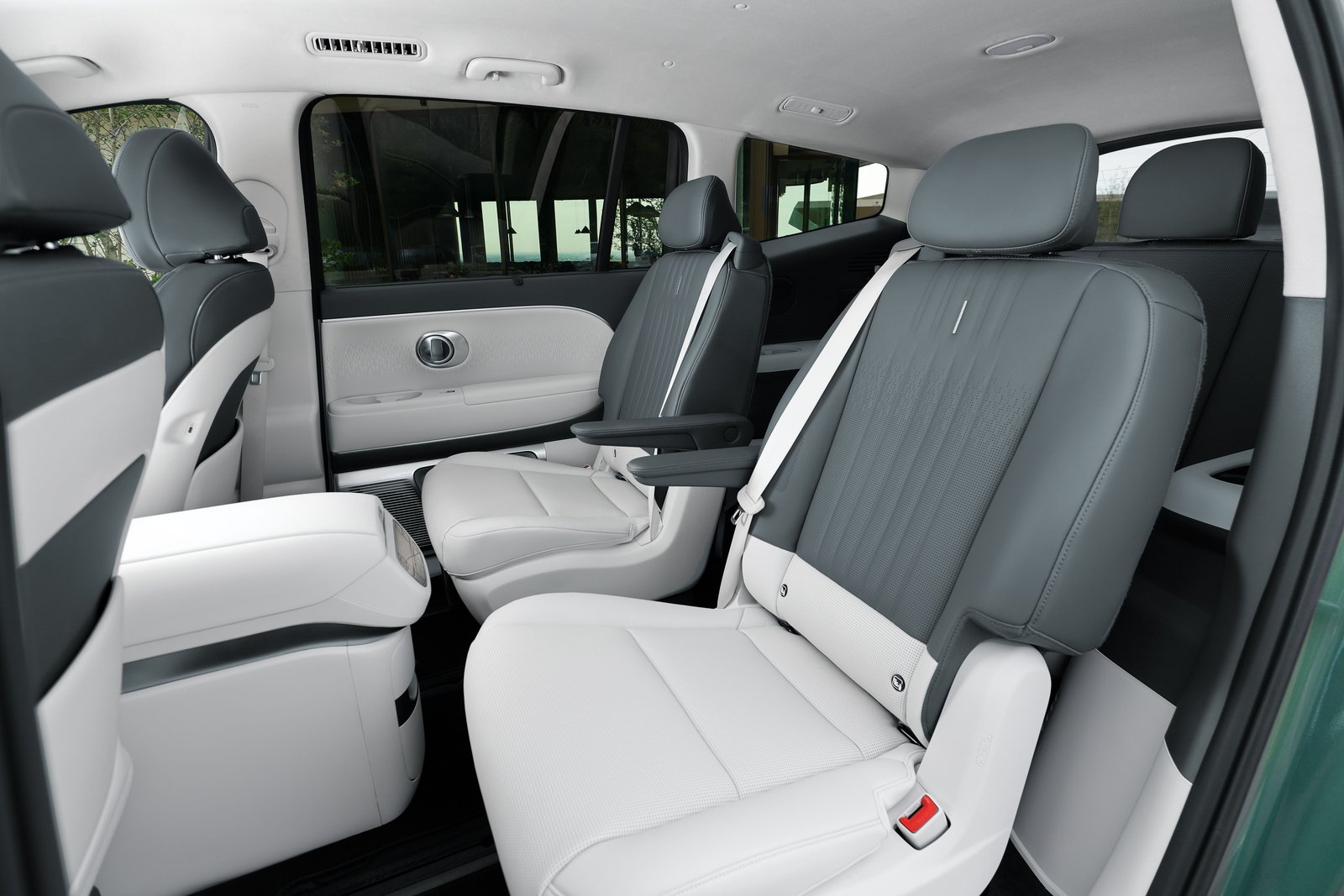
According to NHTSA's summary, the seats "may continue to move after contacting a person during powered seat functions, such as automatic power fold-and-stow." The consequence statement is blunt: a person, "especially a child," may become trapped by a rear powered seat.
What owners are told to do
Until the fix is applied, Hyundai says owners should use the second-row power functions with caution and keep children out of the rear seats and away from the rear seating area while a seat is folding. The remedy is an inspection and update of the seat software, delivered over the air or by a dealer, at no charge.
Hyundai expects to mail owner letters on November 9, 2026, nearly two months after the filing. VINs have been searchable on nhtsa.gov since September 12. Owners can also call Hyundai at 1-855-371-9460 and cite the company's internal recall number, 307.
The filing doesn't say how many incidents or injuries prompted the recall. Autoblog reported that it followed two alleged power-seat injuries, but that figure doesn't appear in the NHTSA campaign, and Hyundai hasn't confirmed it. The filing also doesn't address Ioniq 9s sold outside the US, or what happens for owners who haven't set up over-the-air updates.
Third model in six months
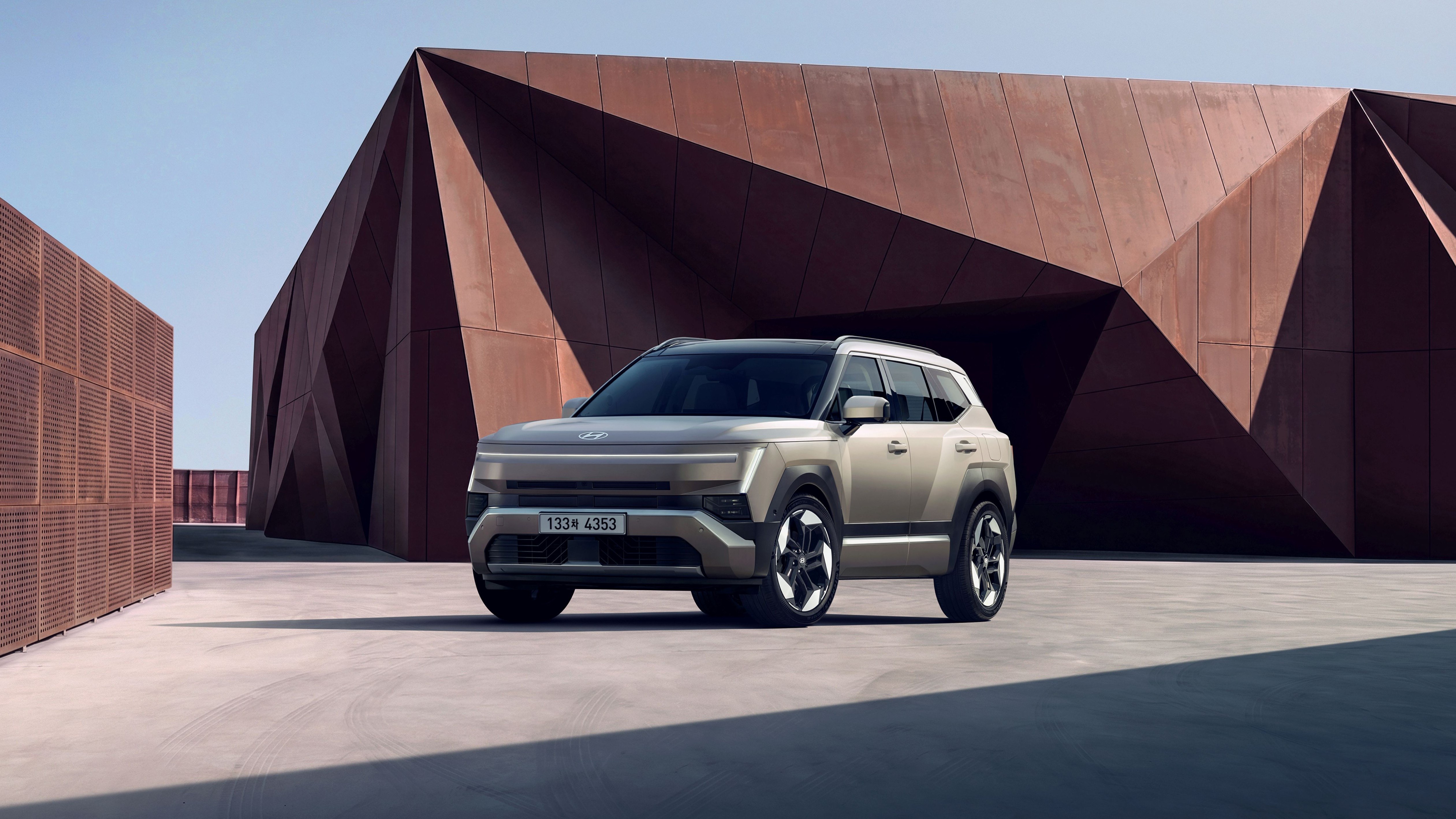
The Ioniq 9 filing reads almost word for word like the one Hyundai submitted for the 2026 Palisade in March. That recall, 26V160000, covered 61,307 Palisade and Palisade Hybrid models in the same Limited and Calligraphy trims. It came after a 2-year-old girl in Ohio died on March 7 in an incident involving a power seat, according to Reuters reporting cited by Fox Business, and Hyundai halted Palisade sales on March 13 while it developed the software fix. In that case NHTSA's consequence statement cited a risk of "injury or death"; the Ioniq 9 filing stops at "injury."
Kia followed three days later with a recall of 568 2027 Telluride Hybrids with the Executive Package for the same failure. The Ioniq 9 is the first EV in the group to get it. Kia's EV9, its own three-row electric SUV, has no matching seat recall; its open August campaign concerns a front-passenger occupant sensor, not the rear seats.
For the Ioniq 9 itself, this is the third recall of the year and by far the largest. The two earlier campaigns were tiny and shared with the Ioniq 5: 27 vehicles in total for a loose battery bus bar in February and 172 for rear-suspension fasteners in May. The affected trims are the expensive end of the lineup, too. The Limited starts at $71,250, the Calligraphy at $74,990, and the Calligraphy Design at $76,490 before freight, according to Hyundai's US site.
Hyundai hasn't said whether the same seat software is used in other Ioniq 9 model years, or when the over-the-air update will start rolling out. Nor has it announced a Palisade-style stop-sale for the Ioniq 9.