Ford Built Team Rubicon a Transit That Gives Volunteers Two Hours a Day Back
The GRIDRACK modular interior should save Greyshirt crews about two hours a day — and the van reached flood-hit Texas within 48 hours of completion.
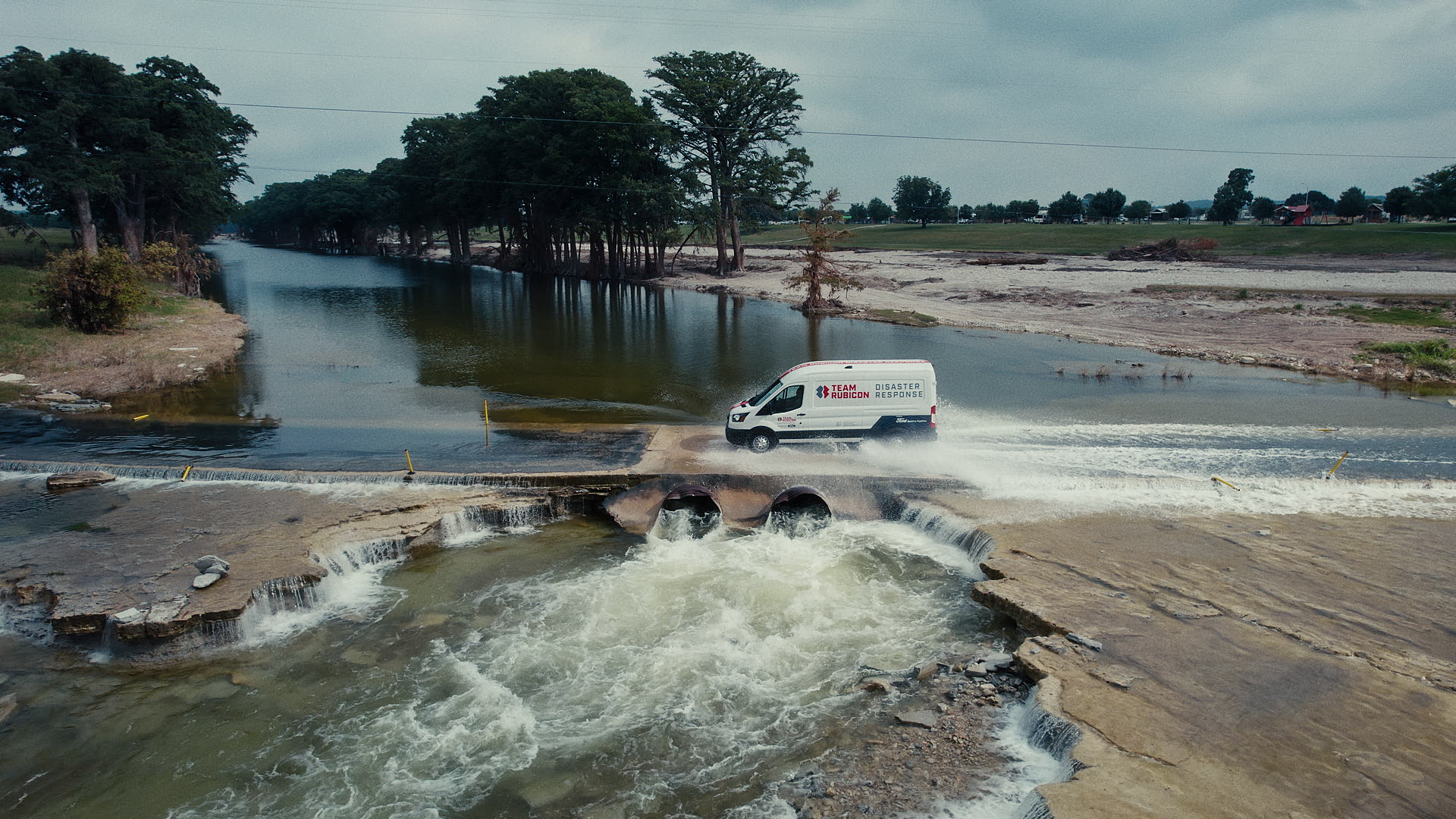
Ford has released a mini-documentary about the custom Transit cargo van it built for Team Rubicon — and the headline number is simple. The veteran-led disaster relief nonprofit expects the van to hand volunteers back about two hours every day in the field, time that currently disappears into loading, unloading, and hunting for gear.
Instead of a conventional shelving package, the cargo bay is organized around GRIDRACK, a modular system of interlocking wall panels with a grid of diamond-shaped cutouts. Long-handled tools — shovels, rakes, and pry bars of varying diameters — get dedicated mounts, smaller equipment rides in bins, and the layout can be reconfigured depending on whether a crew is heading into a flood muck-out or a chainsaw operation.
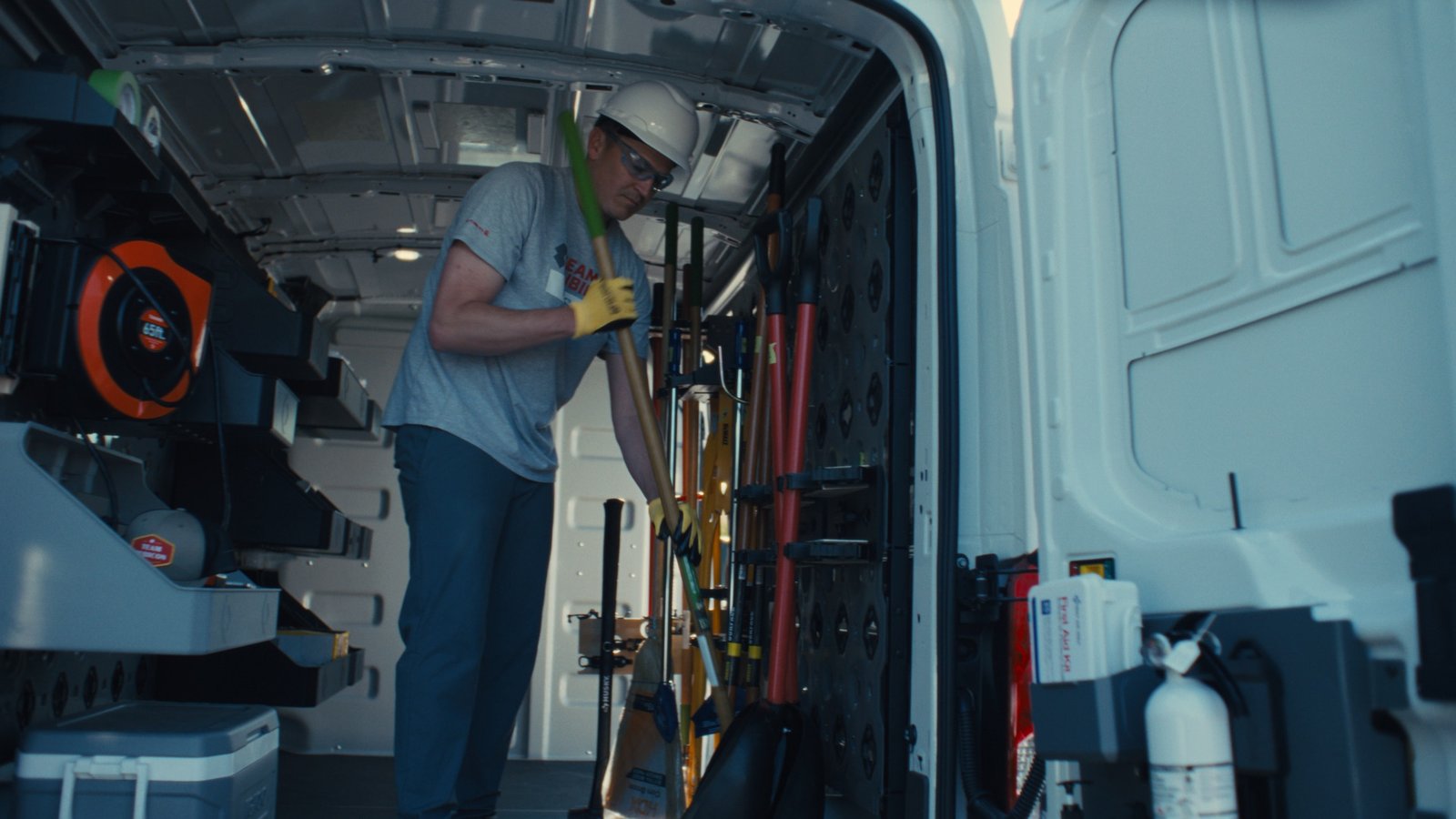
The idea came from inside Ford. Some of the automaker's employees volunteer with Team Rubicon as Greyshirts, and one of them, Ryan Keith, recalls wondering on his first deployment how much more the teams could accomplish if they weren't spending so much of the day moving equipment in and out of vehicles. Before any hardware was designed, Ford Philanthropy had GRIDRACK's consumer insights team study what volunteers carry, where it should live, and how it comes back out at the end of a shift.
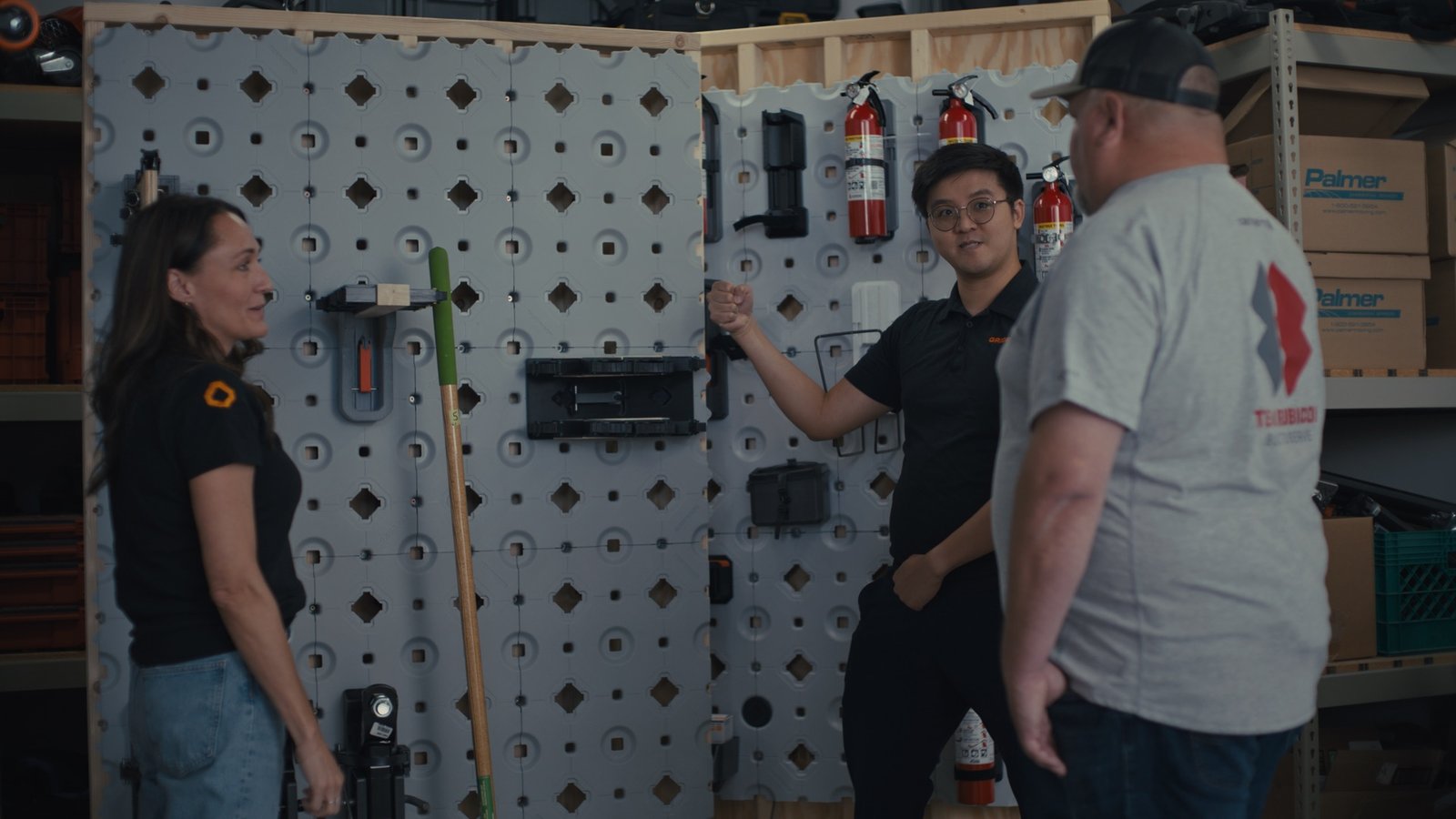
Prototypes then cycled from CAD models to physical mockups to field trials, with Team Rubicon reporting back after real use. Once the modular system was in place, laying out everything the nonprofit wanted the van to carry took roughly 90 minutes. Team Rubicon's Matt Colvin described the testing side bluntly:
"That's real field work — beating the hell out of this equipment and telling hard truths."
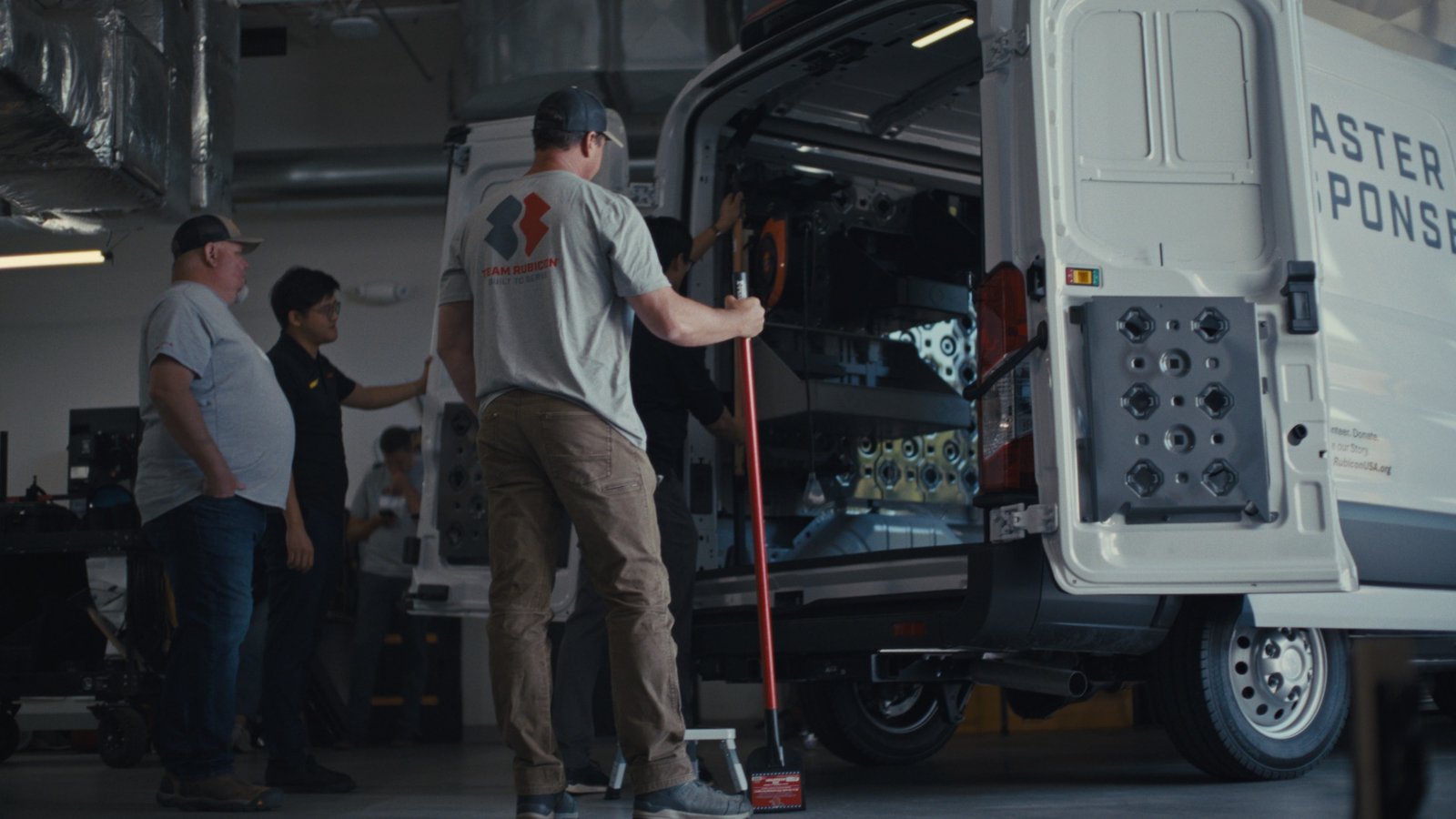
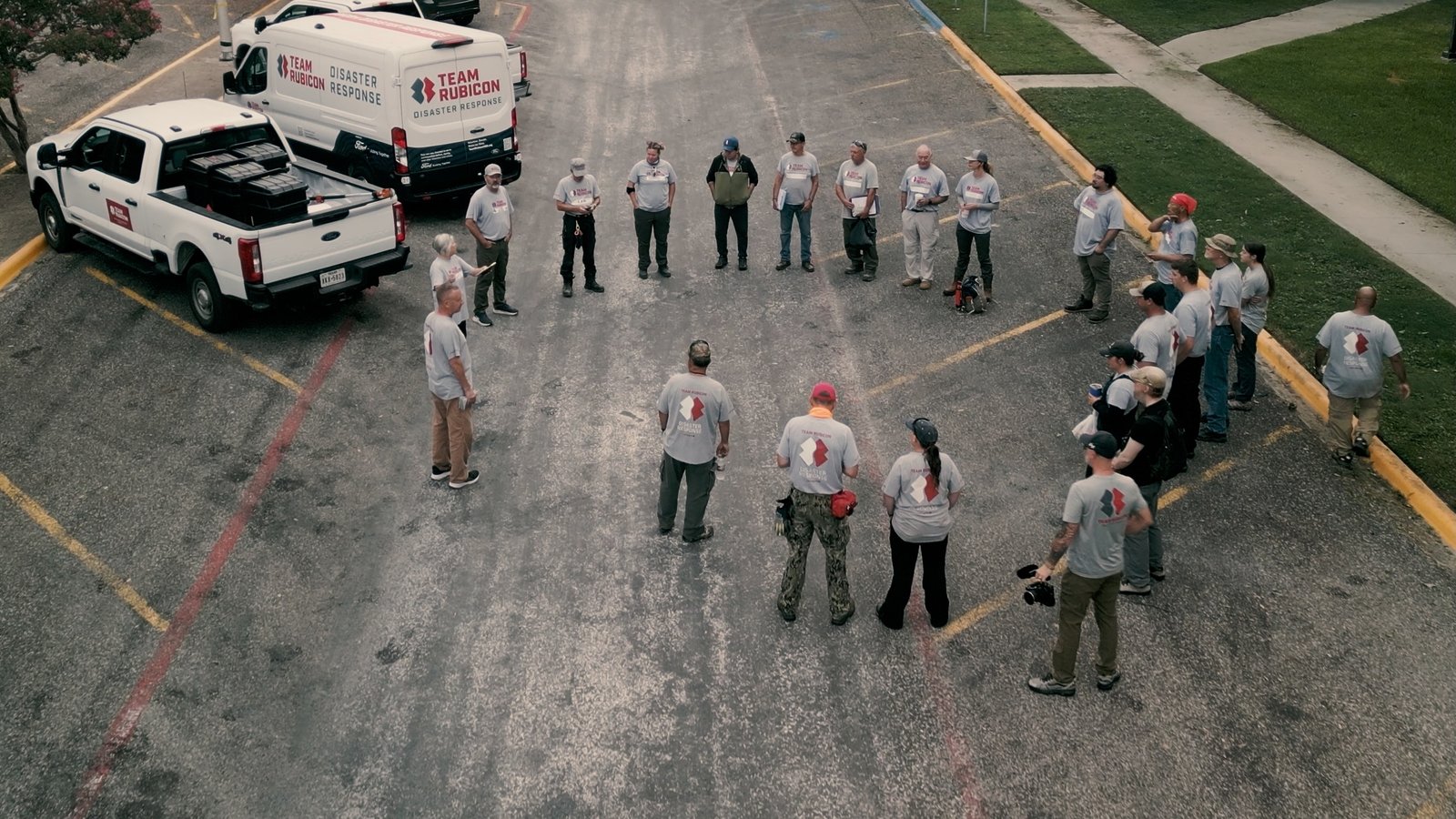
The first real test came fast. Beginning July 12, a storm system brought torrential rain and flash flooding across Central and West Texas — the second summer in a row the Hill Country has flooded, almost exactly a year after the deadly 2025 disaster. Team Rubicon launched recovery operations in Kerrville, Sonora, and Uvalde, with crews mucking out flooded homes and clearing debris. Less than 48 hours after the build was completed, the new Transit left to join them.
This isn't Ford's first disaster-response Transit. In 2018, the company's Disaster Relief Mobility Challenge awarded four upfitted vans to relief nonprofits. The difference now is the depth of engineering involvement, which Ford groups under its Building Together program, and the hardware itself: Ford filed to trademark the GRIDRACK name in June 2025, and the retail system already offers accessories such as Milwaukee Packout adapter plates.
By early August, Ford said volunteers were already using the van in the Hill Country, doing the work it was designed for. Neither the company nor the nonprofit has said whether more builds will follow — but a repeatable, pre-organized response vehicle looks like the obvious next question.