Texas Will Need 86,000 Auto Mechanics by 2034. Keeping Them Current Is the Harder Part
A new national report ranks auto technicians near the middle for shortage pressure. Their tougher problem is keeping up with driver-assistance sensors, hybrids, and EVs.
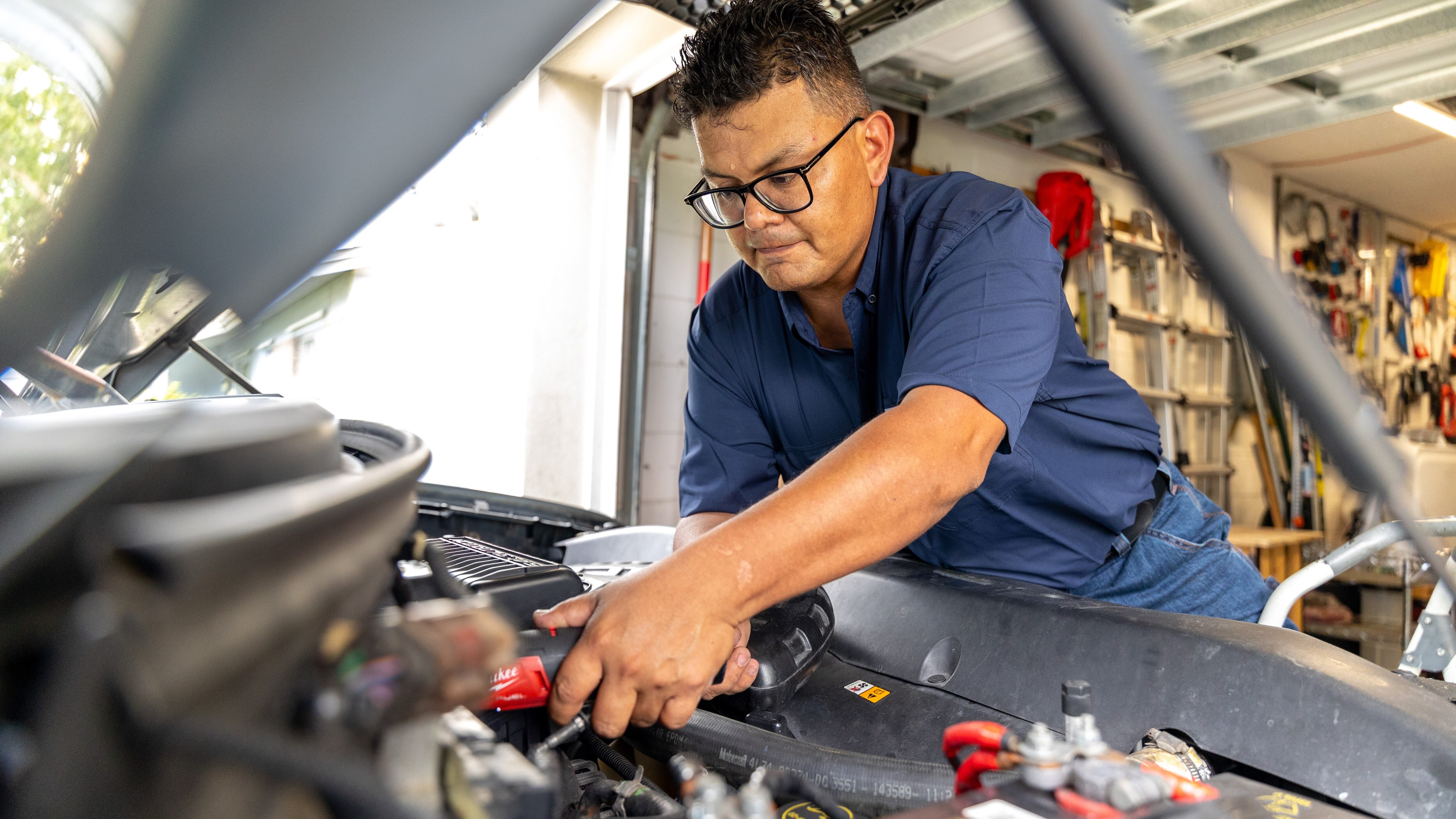
Texas will need about 86,000 auto mechanics by 2034, according to a national skilled-trades report released today. The same research, though, suggests the bigger issue for car owners isn't a shortage of people in service bays. It's whether technicians can keep up with the cars rolling into them.
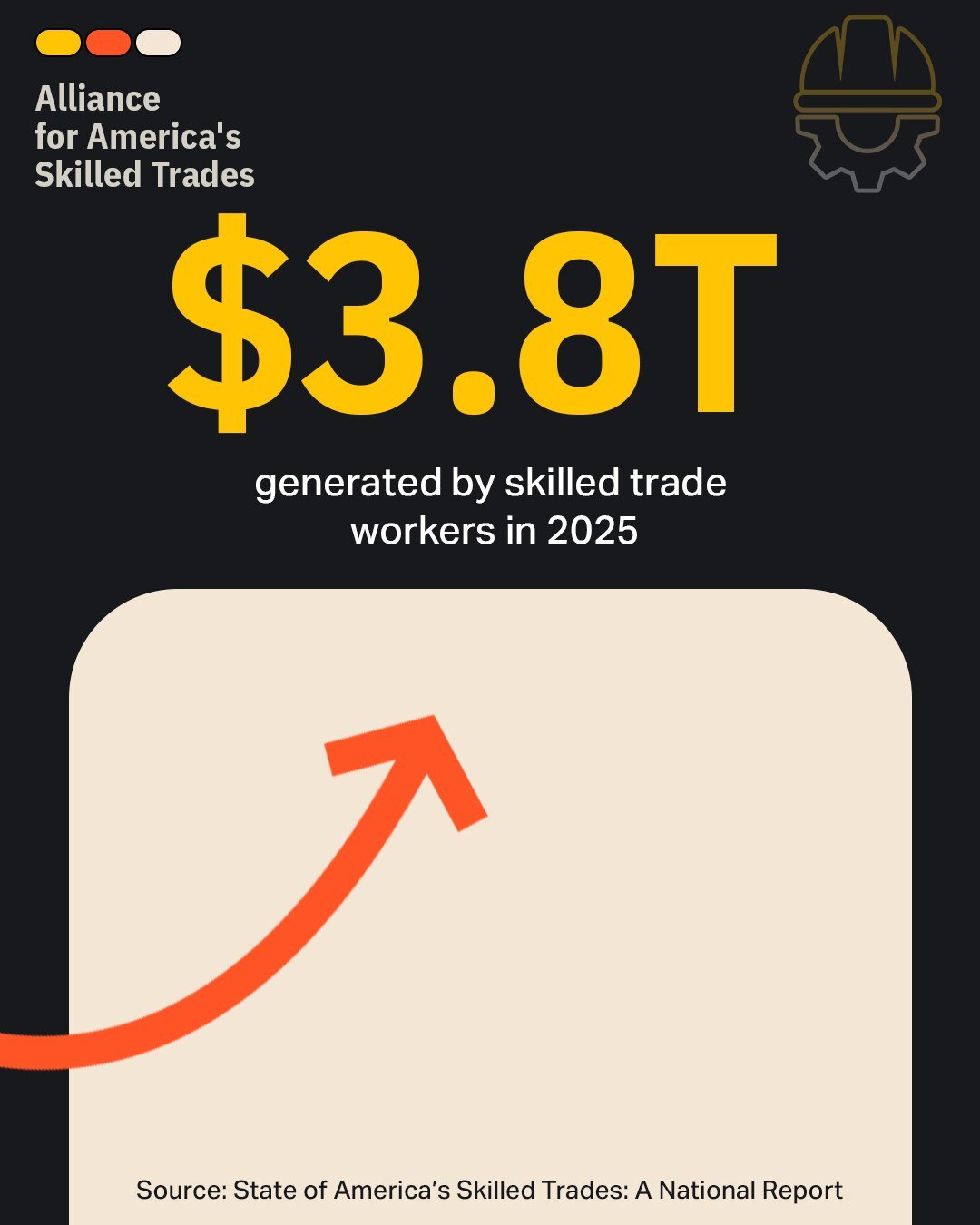
The study, The State of America's Skilled Trades: A National Report, comes from the Alliance for America's Skilled Trades. Ford co-founded the coalition in July with BlackRock, Carhartt, and Google. Jobs for the Future wrote the report, with labor-market analysis from the Burning Glass Institute. It arrives as automakers look for their own ways to attract and keep technicians, from dealer training to recognition efforts like GM's Technician 30 Under 30 program.
The national picture
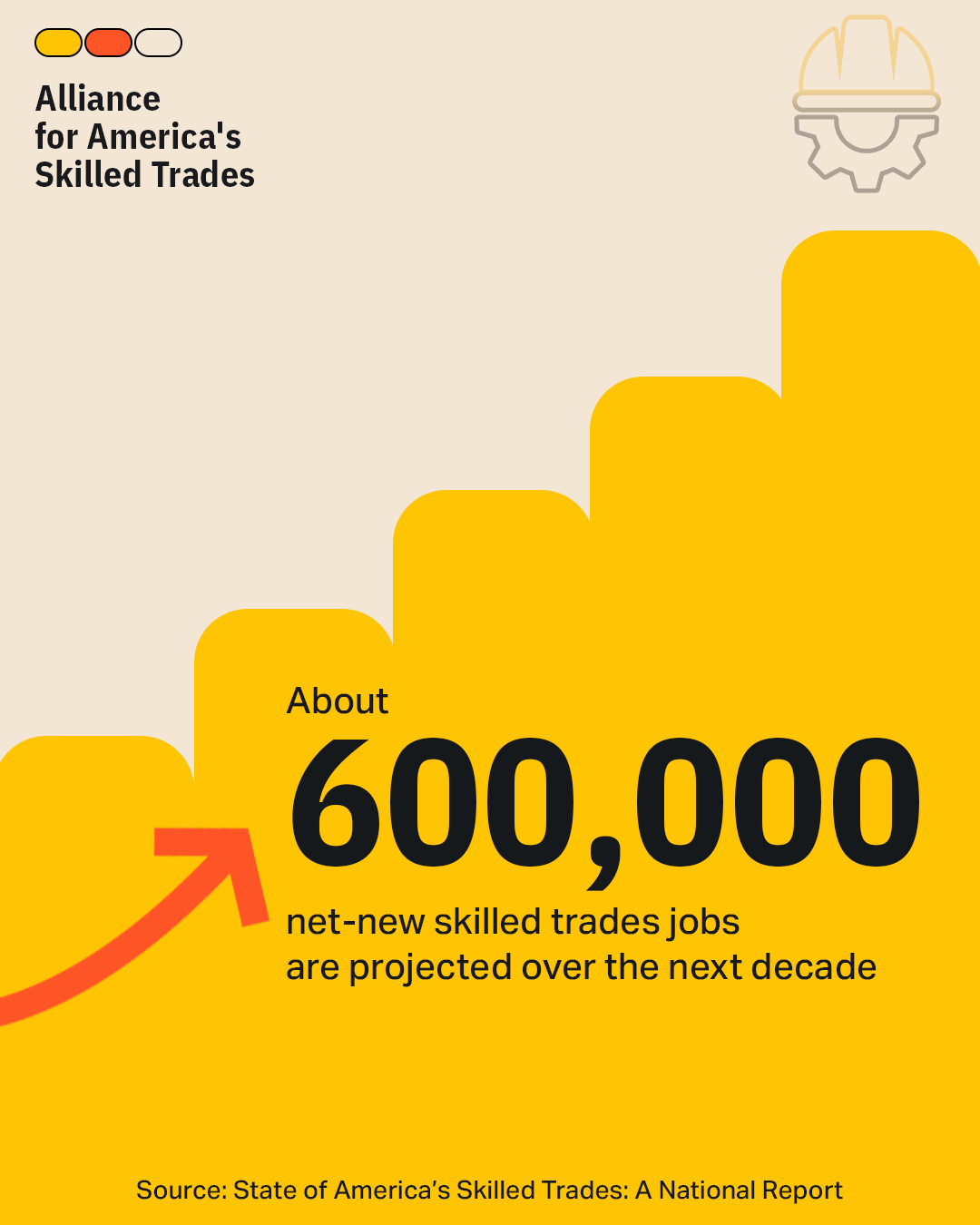
Across 124 trades in all 50 states, the coalition projects roughly 1.7 million openings a year through 2035. Retirements and turnover drive most of that, not just growth. Training pathways that can be counted produce about 55 workers for every 100 needed, and only about half of people who enroll in trade programs finish.
Nine states combine high demand with low supply: Arizona, Colorado, Delaware, Florida, Georgia, New Jersey, North Carolina, South Carolina, and Texas. Texas is also pulling workers in. The report says it gains roughly 5,000 more trades workers a year from other states than it loses, and the busiest corridor in the data runs from California to Texas.
"Training just 55 workers for every 100 needed puts economic growth at risk and leaves people without a clear path to a good career," said Ford CEO Jim Farley.
Where auto technicians fit
Nationally, auto service technicians and mechanics generate about 66,000 openings a year, and the report projects 5% employment growth over the decade. The Bureau of Labor Statistics counted 805,600 of these jobs in 2024, with median pay of $49,670.
The Texas figure, like the report's other state numbers, comes from official 2024–2034 state projections. It describes hiring need over a decade, not jobs sitting empty today.
On the report's Labor Shortage Index, auto technicians land at the 54th percentile of 523 occupations, close to the middle. Electricians rank at the 85th percentile, and industrial machinery mechanics at the 98th. Recruiting also looks healthier than in most trades: 15.5% of auto techs are under 25, compared with 11% across the skilled trades, and postsecondary automotive programs exist in every state.
The strain shows up after hiring. Cameras, radar, and other sensors can turn a windshield replacement or wheel alignment into a calibration job. Hybrids, plug-in hybrids, and EVs already account for about 21.4 million of roughly 294 million registered light-duty vehicles. Only about one in five technicians holds a certification or license, and the report warns that smaller shops may struggle to provide the equipment and supervised practice that EV and driver-assistance work demands.
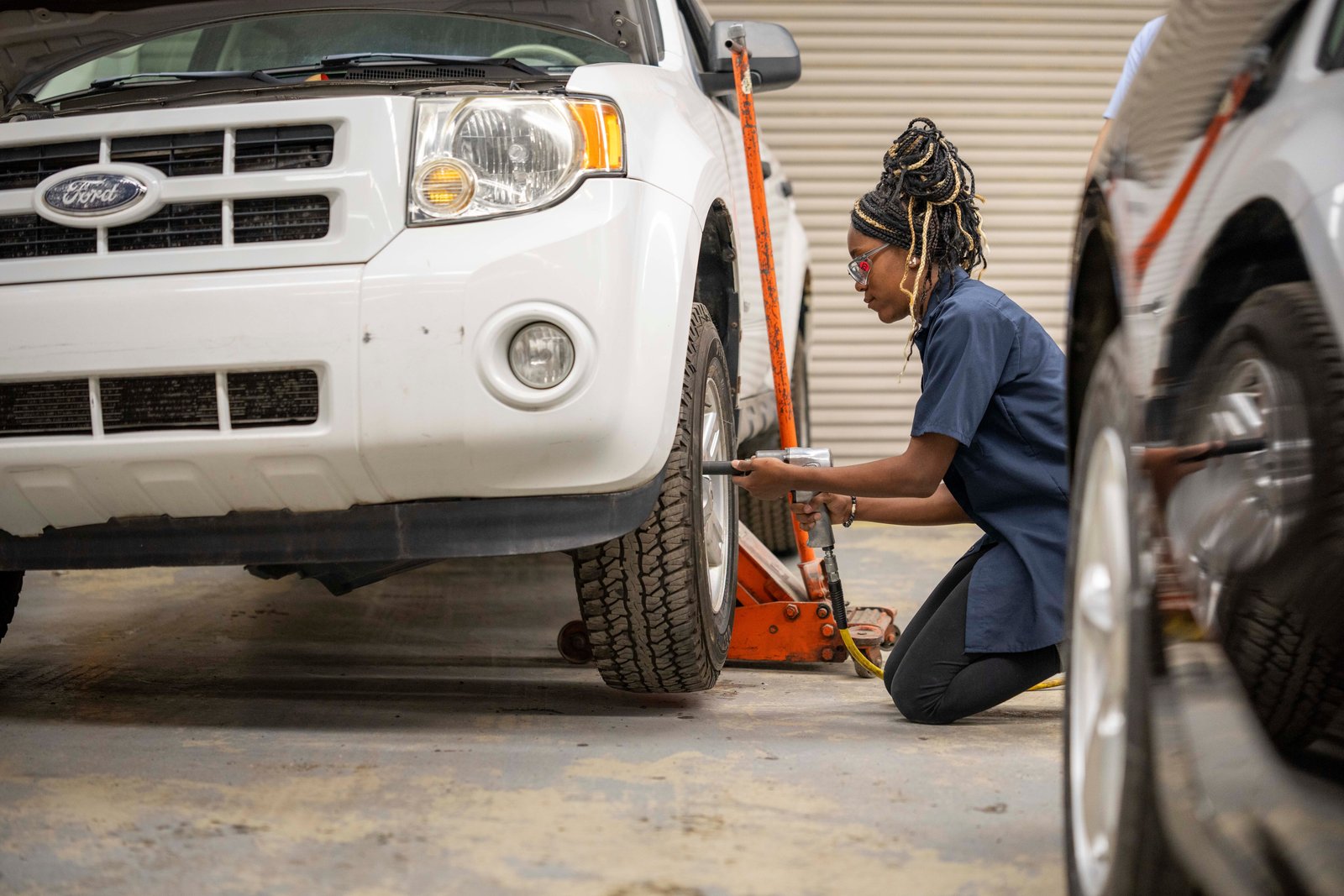
For owners of newer cars, the practical takeaway is that finding a mechanic may be easier than finding one trained and equipped for a sensor-heavy or electrified vehicle.
Waymo joins the coalition
The alliance also added 14 members today, bringing it to 18: AT&T, Barton Malow, Blackstone, Cintas, DeWalt, Dycom, Hershey, ManpowerGroup, Meta, Microsoft, Milwaukee Tool, Nvidia, Verizon, and Waymo.
Waymo is the new member with the clearest automotive tie. Ryan McNamara, its vice president of operations, said the company's fleet depends on workers who maintain its vehicles and assemble the Waymo Driver in the U.S. He added that Waymo is investing in technical education as its service expands. It's a reminder that driverless fleets still need hands-on labor, even as Waymo's robotaxi safety data draws most of the attention.
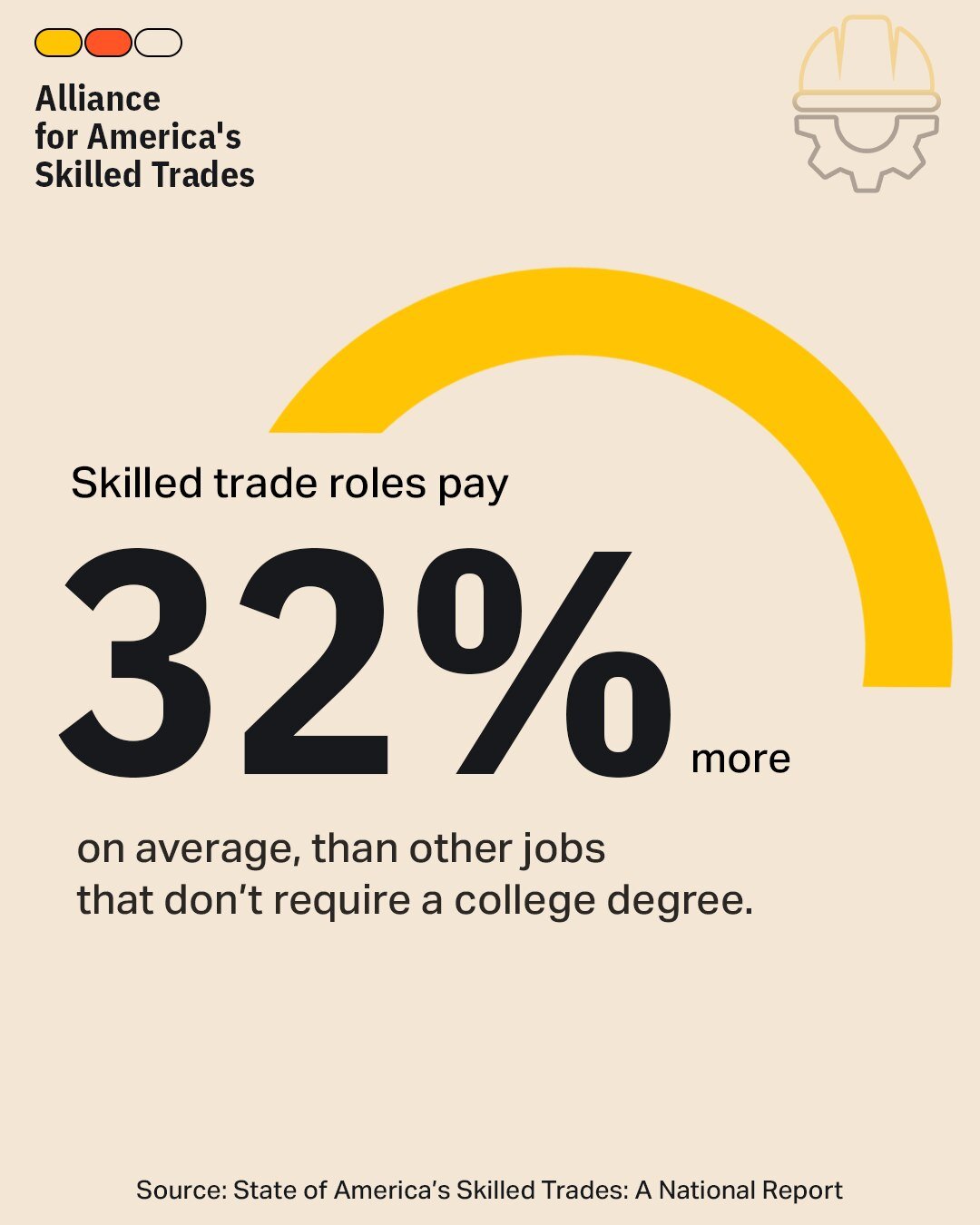
The coalition hasn't announced joint funding or hiring targets. So far, its output is the report and a free state-by-state dashboard covering all 124 occupations. The report's recommendations apply directly to service departments: paid on-the-job learning, current equipment for trainees, and help with transportation, child care, and income so people can finish their programs. Some apprenticeship programs already report completion rates above 90%, which suggests the dropout problem can be fixed.