GM Recalls 306,000 Chevy and Buick SUVs Over Backup Cameras That Can Go Blank
GM estimates about one in ten of the affected Chevy and Buick crossovers has a camera that can distort or lose its image — and not every owner will get a repair letter right away.
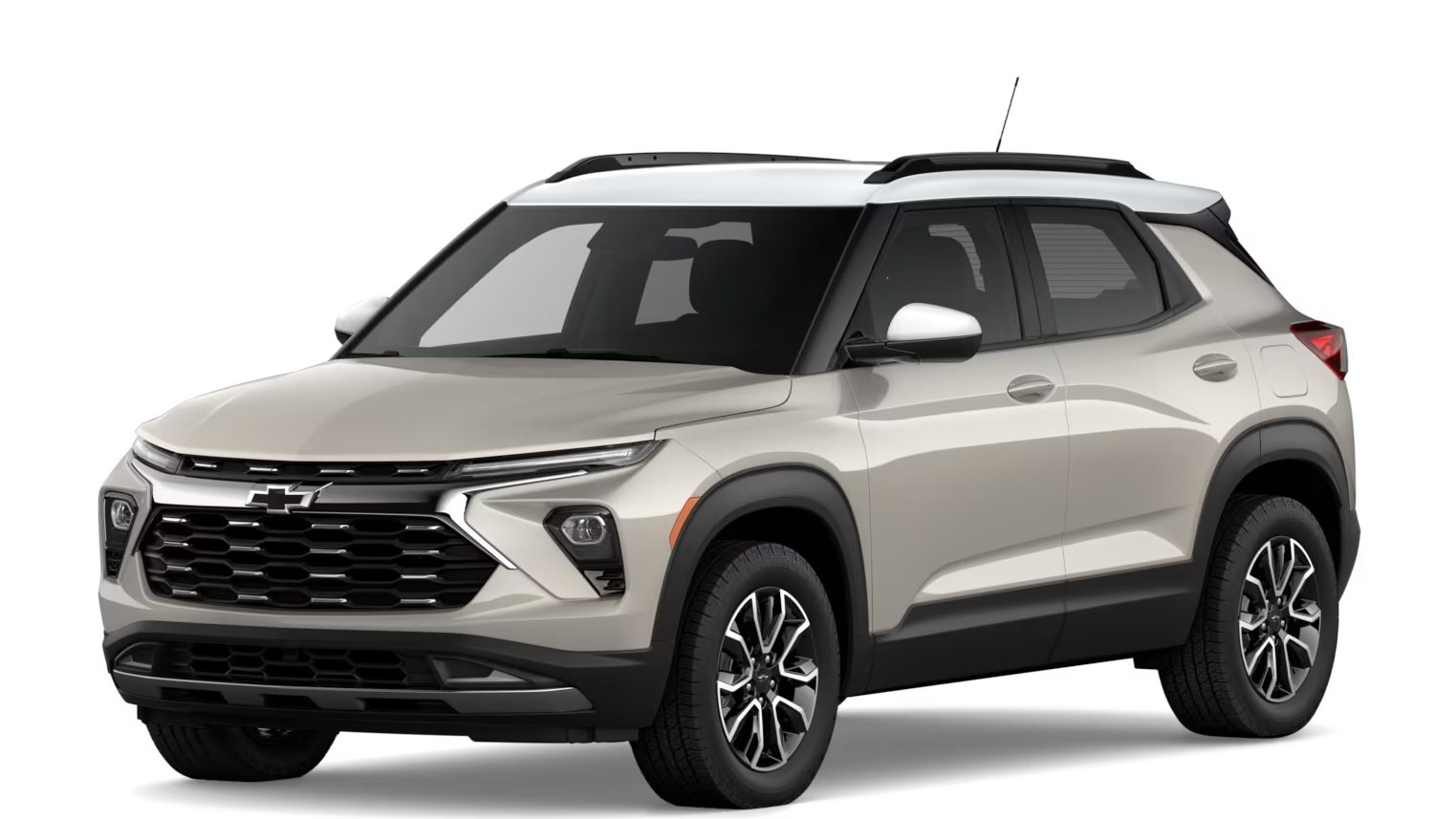
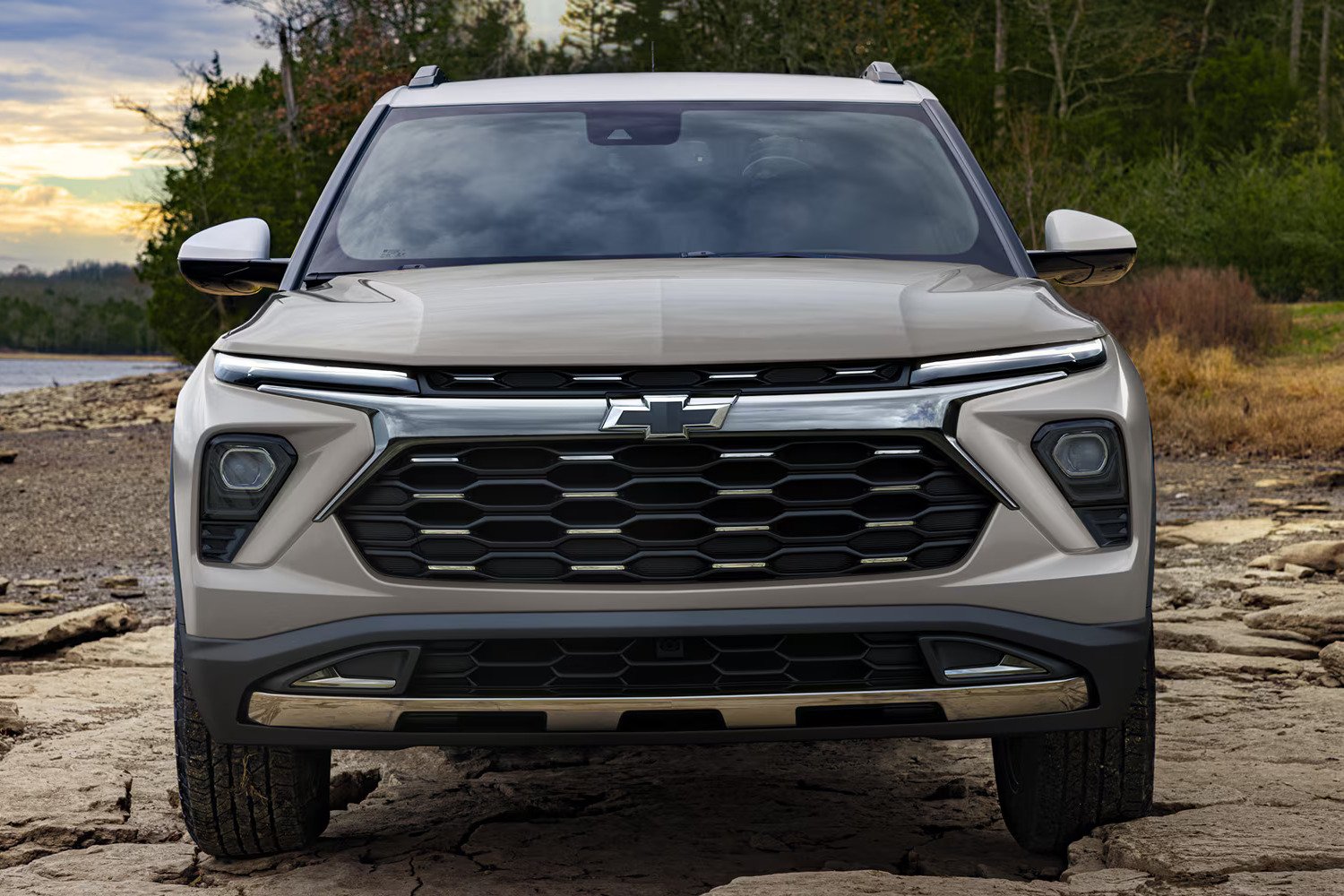
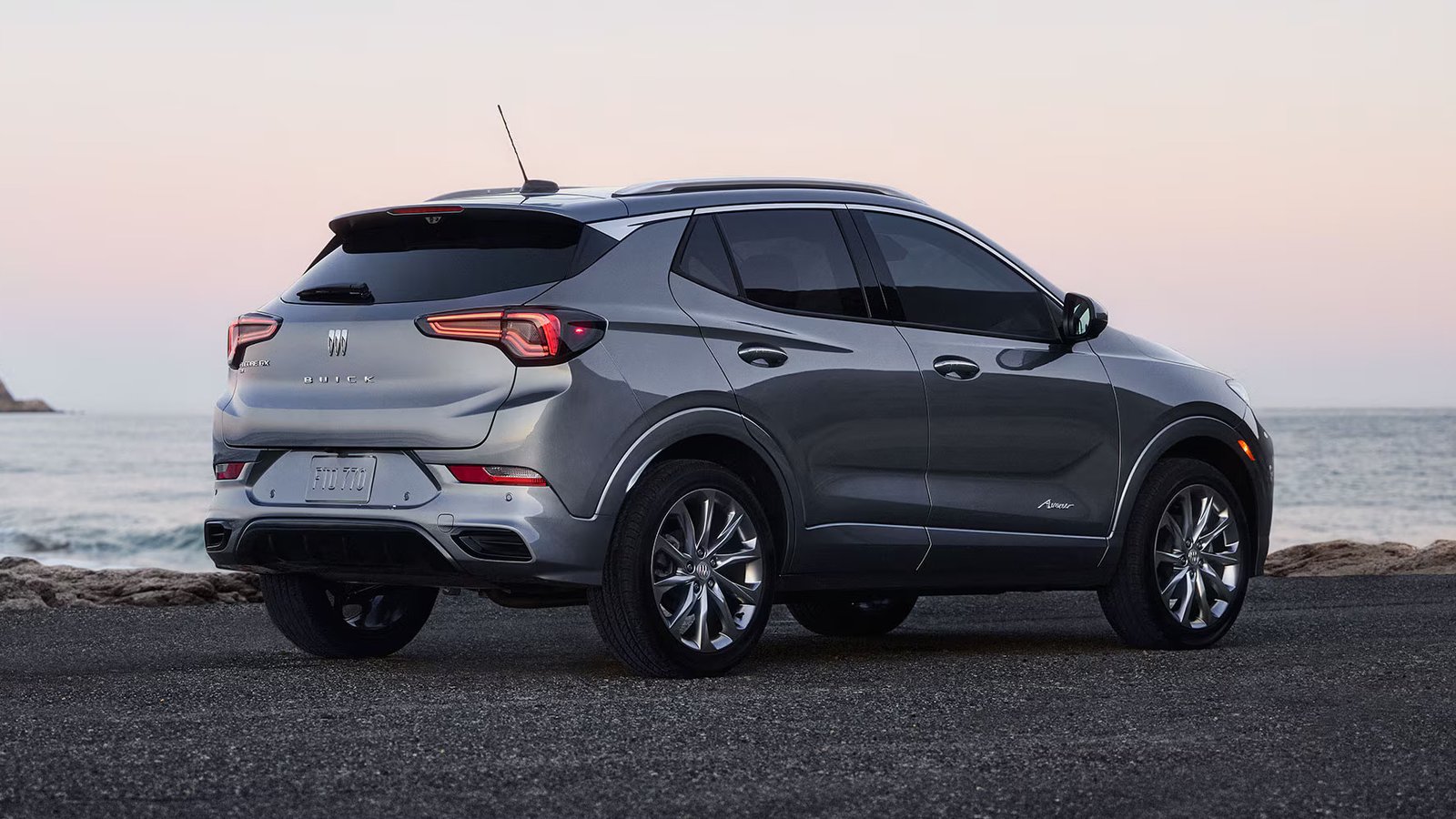
General Motors is recalling 306,511 subcompact crossovers in the United States because their backup cameras can show a distorted picture — or no picture at all — when the driver shifts into reverse. The campaign covers the 2025 Chevrolet Trax, the 2024–2026 Chevrolet Trailblazer and Buick Encore GX, and the 2024–2025 Buick Envista.
GM estimates that about 10 percent of the recalled vehicles actually have the defect, according to the defect report the automaker filed with NHTSA. The breakdown skews heavily toward a single model year:
- 2025 Chevrolet Trax — 159,821 vehicles
- 2025 Chevrolet Trailblazer — 73,665
- 2025 Buick Envista — 35,466
- 2025 Buick Encore GX — 30,150
- 2024 Buick Envista — 5,857
- 2024 Chevrolet Trailblazer — 843
- 2024 Buick Encore GX — 701
- 2026 Chevrolet Trailblazer — 7
- 2026 Buick Encore GX — 1
The common thread is a batch of cameras built between April and December 31, 2024, by supplier Wuxi Sharp Optoelectronic Technology. GM says a plasma-cleaning treatment used to prepare the camera housing could weaken the adhesive bond inside the assembly. Vehicles built after December 31, 2024, received parts from outside the suspect window. On the Encore GX, only cars with the standard rearview camera are affected — vehicles equipped with the optional Surround Vision system use a different camera and are not part of the recall.
A closed investigation, reopened
The recall caps a long paper trail. GM opened an investigation into inoperative rearview cameras in May 2025, then closed it that September after finding no defect trend, switching to monitoring at six-month intervals instead. In March 2026, a rising claim rate pushed the company to reopen the case, and on August 13 GM decided to conduct a safety recall. In total, the automaker identified 33,365 field complaints received between July 2024 and May 2026 that were potentially related to the condition. The company says it is not aware of any crashes or injuries.
A dead backup camera is more than an annoyance: under federal rear-visibility rules, every new light vehicle built for the US market since May 2018 must have one, and GM's report notes that a distorted or blank image reduces rear visibility and raises the risk of a crash while backing up. The scale matters, too. The Trax is GM's least expensive model and one of its volume champions — 200,688 sold in 2024 and 204,731 in 2025, per GoodCarBadCar data — and this campaign sweeps in nearly 160,000 of them from a single model year.
What owners should do
Dealers will inspect the camera and replace it free of charge if necessary; GM notified them on August 20. The owner mailing is phased: the first group gets letters with repair instructions starting September 16, while everyone else receives an interim notification from September 17. GM hasn't said when the final phase will go out, so some owners will have to wait for a second letter before booking the fix.
Affected VINs have been searchable on NHTSA's recall lookup since August 20. GM's internal number for the campaign is A262554900; owners can also call Chevrolet at 1-800-222-1020 or Buick at 1-800-521-7300. The published figures cover the US market only — GM hasn't broken out how many vehicles are affected in Canada and other markets, and the report doesn't say how many of the 33,365 complaints ended with a camera actually being replaced.