Jeep Recalls 328,381 Grand Cherokees Because Two Earlier Fixes Didn't Hold
Two inspect-and-repair campaigns since 2023 haven't stopped Grand Cherokee rear springs from working loose. Now Stellantis is replacing a part on all 328,381 SUVs — including ones already fixed twice.
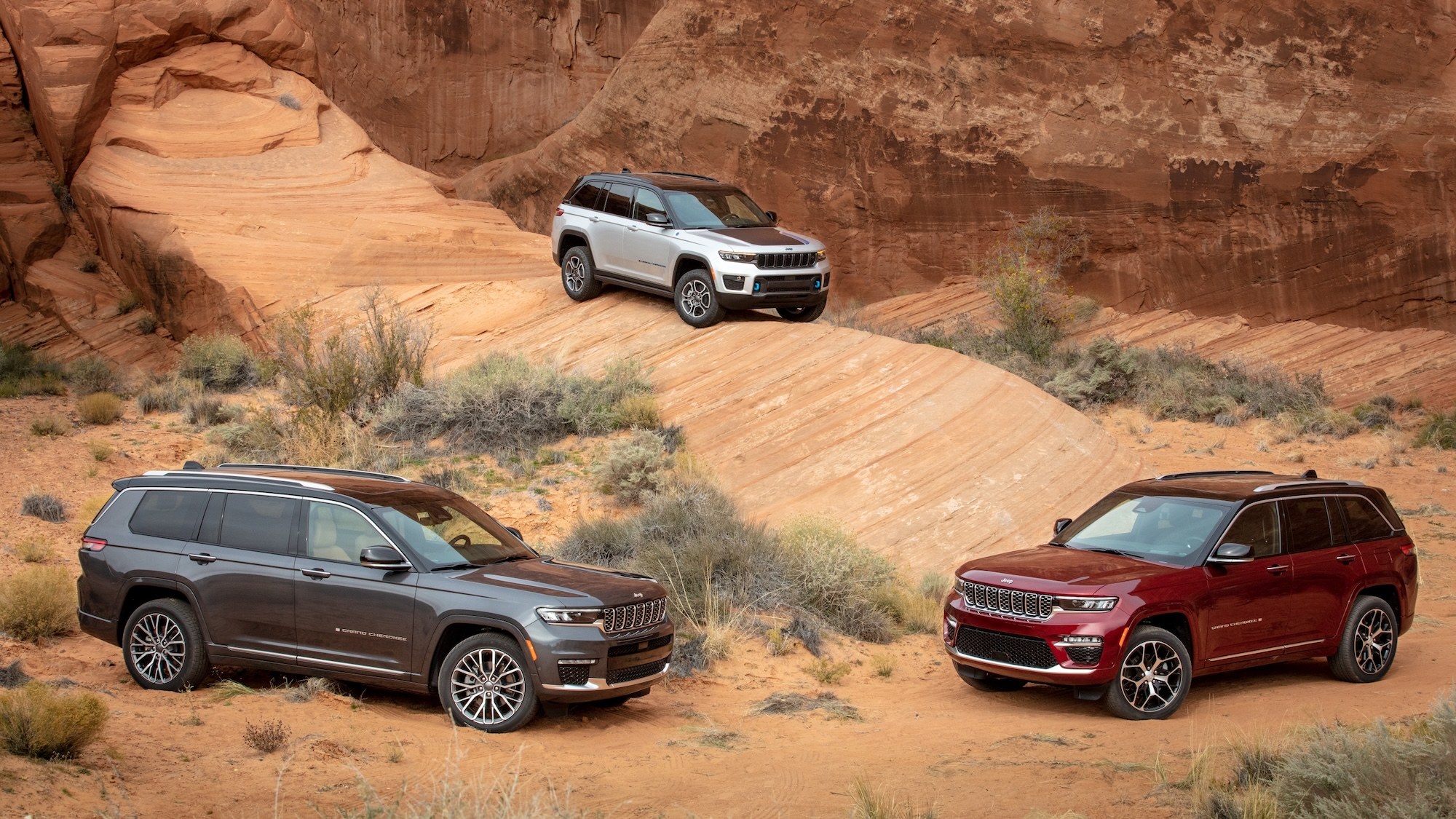
Jeep is recalling 328,381 Grand Cherokee, Grand Cherokee L, and Grand Cherokee 4xe SUVs because a rear coil spring can work its way out of position and, in the worst case, drop onto the road while the vehicle is moving. It is the third recall for the same problem since 2023, and it covers vehicles that have already been through both previous repairs.
The campaign, NHTSA number 26V562 (Stellantis code 89D), was filed on September 1 by Chrysler (FCA US), the Stellantis unit that builds the Grand Cherokee in Detroit. Dealer notification is scheduled for today, September 9, and owner letters go out between September 29 and October 7.
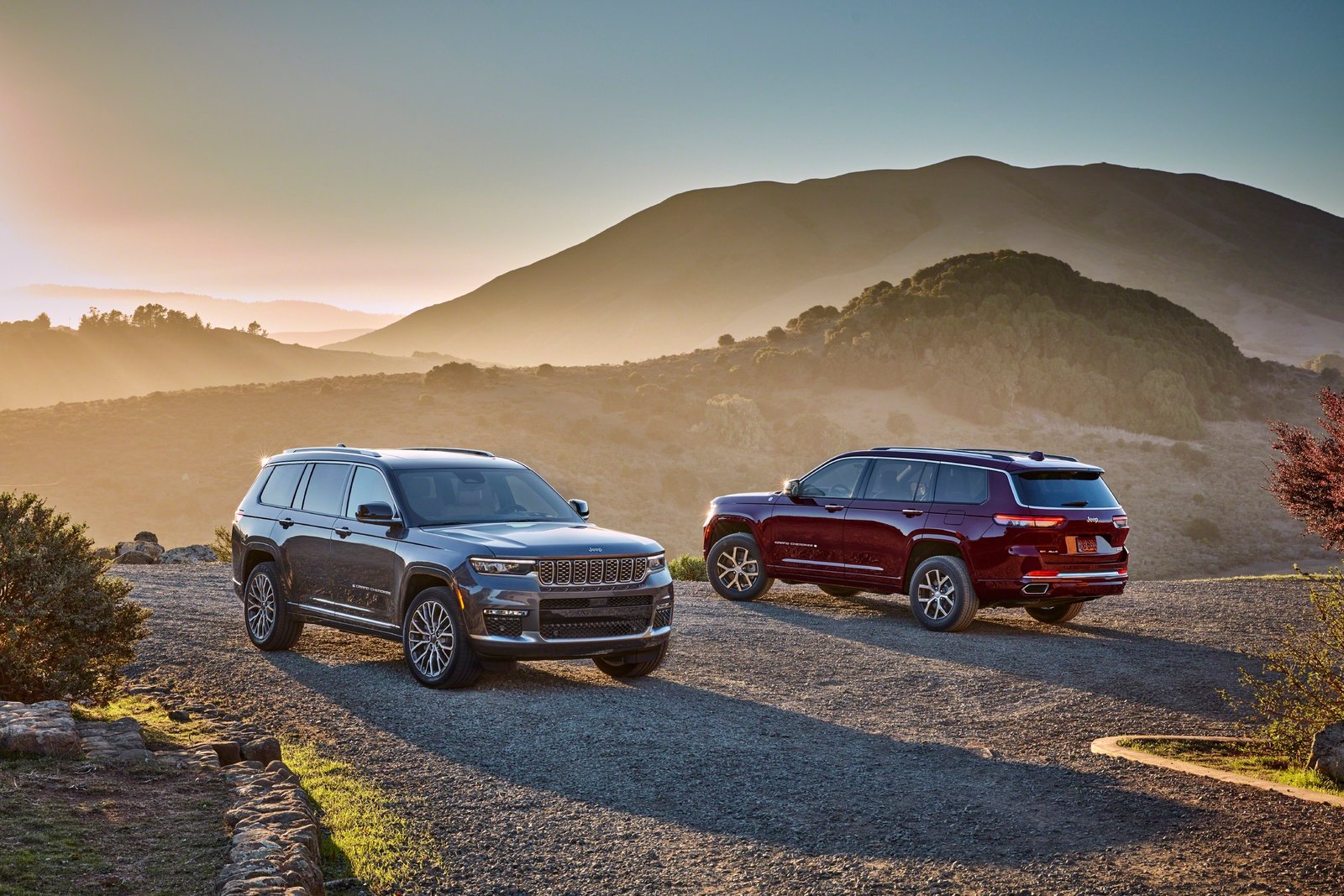
Three models are included, all with steel coil springs at the rear: 97,477 two-row 2022–2023 Grand Cherokees built between May 17, 2021, and May 31, 2023; 215,433 three-row 2021–2023 Grand Cherokee Ls built from December 5, 2020; and 15,471 2022–2023 Grand Cherokee 4xe plug-in hybrids built from August 4, 2021. Vehicles with the optional air suspension are not affected, and neither is anything built after May 31, 2023.
Stellantis estimates that only 0.1 percent of the recalled vehicles actually have the condition, but there is no way for an owner to spot it ahead of time. The filing says a detached spring "can cause a vehicle crash without prior warning" and lists no symptom a driver would notice first. The risk it describes is mostly to other road users: a spring lying on the highway is a hazard for whoever is behind.
Three recalls, three years, same springs
The story starts in June 2023, when FCA filed recall 23V413 for 331,401 Grand Cherokees and Grand Cherokee Ls whose rear springs might have been seated wrong at the factory. The fix was an inspection, with a repair only if a spring was found out of position, and Stellantis estimated at the time that about 13 percent of the vehicles had the problem.
Trouble resurfaced in September 2025, when NHTSA sent Stellantis 20 owner complaints about springs separating on vehicles that had already received the 2023 remedy. The automaker turned up 70 more potentially related claims in its own records. In December, NHTSA opened a formal Recall Query, RQ25005, to examine whether the original repair procedure was adequate.
Stellantis's answer, in January 2026, was a second recall: 26V051, covering 80,620 vehicles that had either been repaired under the 2023 campaign or never had the work done. That remedy was again inspect-and-repair. In July, NHTSA forwarded still more complaints and met with the company; Stellantis opened another investigation on July 24, and on August 26 its Vehicle Regulations Committee concluded a defect still existed.
By August 6, Stellantis had counted 29 customer-assistance records and 406 warranty claims potentially linked to the issue across all markets, up from 284 warranty claims in the January filing. Those are service records, not confirmed spring detachments, and the company says it knows of no crashes or injuries.
What's different this time
The remedy has changed. Instead of inspecting the springs and reseating them where needed, dealers will now replace both rear lower spring isolators, the pads a spring sits on in its lower perch, on every recalled vehicle. The filing lists a different isolator part number (68668244AA) than the one named in January, though Stellantis has not said what changed or why the earlier repairs didn't hold. The 2023 filing named the coil spring itself as the involved component; both 2026 filings point at the isolator instead.
The population has also grown roughly fourfold from January's 80,620 and is back to almost exactly the size of the 2023 campaign. In effect, Stellantis is starting over: every vehicle from the original recall gets new parts, whether or not it has been to the dealer before.
What owners should do
VINs are due to become searchable on NHTSA's recall lookup from September 9; owners can also call Chrysler at 800-853-1403 and cite recall 89D. The first letters, due from September 29, are interim notices, and Stellantis describes the campaign as phased, so a second letter will follow once parts are available. The work is free, and owners who paid for a spring repair out of pocket can apply for reimbursement under the plan Stellantis has on file with NHTSA.
What remains unanswered is why two rounds of repairs didn't solve the problem. Stellantis has not issued a statement beyond the regulatory filing, and the filing gives no root cause. Nor does it say whether Grand Cherokees sold outside the U.S. are getting the same fix, even though the claim figures it cites cover "all markets."