Toyota's Electric C-HR Can Lose Power on the Move — and the Fix Isn't Over-the-Air
NHTSA's filing puts the U.S. count at 8,521 and owner letters on October 18 — lower and sooner than reported all week. The defect is pure software, but Toyota is fixing it only at dealers.
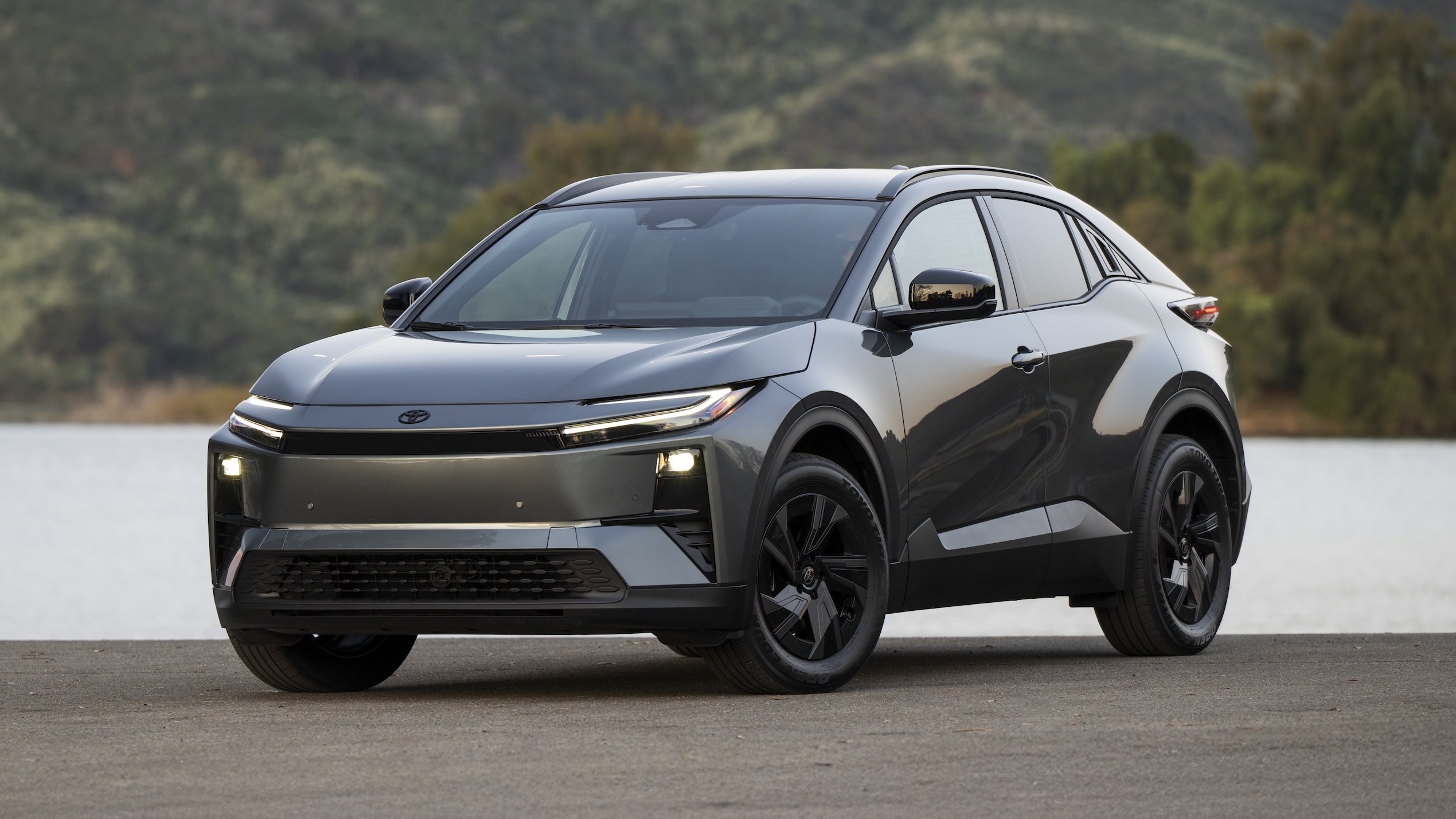
Toyota has recalled 8,521 examples of its 2026 C-HR, the electric SUV that only reached U.S. dealerships this spring, because a software error can let regenerative braking push the traction battery past its charge limit. When that happens, the electric drive system shuts itself down and the car loses power while it's moving.
The campaign appeared in NHTSA's database this week as 26V570000; Toyota's internal number is 26TA17. The record settles two figures that circulated before the filing went public. The U.S. count is 8,521, not "about 10,000," and owner letters are scheduled for October 18, not early November. The 10,000 figure is a North American total that includes Canada, where auto123 puts the affected fleet at roughly 1,310 vehicles.
NHTSA's summary describes the defect as a programming error that can overcharge the battery "under certain driving conditions." It doesn't say which ones. In the statement Toyota gave media earlier this week, reported by Autoblog, the company tied the fault to a high state of charge, which is when the pack has the least room to absorb energy recovered under braking.
Software defect, dealer fix
The remedy is a reflash of the BEV ECU, the controller that manages the high-voltage battery, and dealers will do it for free. Nothing in the hardware is being replaced. What the filing rules out is a remote update: NHTSA's record explicitly flags the fix as not over-the-air. A defect that lives entirely in code still requires every owner to book a service appointment.
The agency isn't asking owners to park the vehicle or keep it outdoors, which is consistent with a drive-power problem rather than a fire risk.
This is Toyota's second loss-of-power recall on its e-TNGA electric SUVs in under three months. In June, campaign 26V393 covered 20,991 model-year 2026 Toyota bZ, Lexus RZ, and Subaru Solterra vehicles for a battery ECU fault with the same consequence, the same dealer-only software fix, and owner letters that went out August 3. The C-HR wasn't part of that campaign, and the new filing describes a different mechanism: overcharging through regen rather than an ECU fault. The pattern, though, is identical. Twice now, Toyota's newest EVs have needed a safety-critical software correction, and both times the answer has been a trip to the dealer.
That matters more for the C-HR than for most cars. Toyota's U.S. version comes only as a dual-motor, all-wheel-drive model with 338 hp, a 74.7-kWh pack, and an EPA-estimated 287 miles on the SE. It's the smallest and newest of Toyota's three electric SUVs, positioned below the bZ, and Toyota's newsroom scheduled its dealer arrival for March 2026.
What Toyota hasn't said
The public record is thin. NHTSA's entry doesn't list production dates, and the detailed Part 573 report, which normally spells out when the defect was found and how many complaints or incidents preceded the recall, isn't posted yet. Toyota hasn't issued a separate statement beyond the text of the filing, and there's no indication in the record of any crashes or injuries. Electrek reported that the 2027 C-HR isn't affected; the NHTSA filing lists the 2026 model year only.
Owners can run their VIN through NHTSA's recall lookup or call Toyota at 1-800-331-4331. Given that the fix is a software flash, there's little reason to wait for the October letter if a dealer can schedule the reflash sooner.