Five Cars, 55 Years: What Lamborghini's SV Badge Actually Means
Lamborghini is marking 55 years of the Super Veloce badge as the hybrid Revuelto SV heads to production. Here's what five generations of SV actually have in common — and what changed.
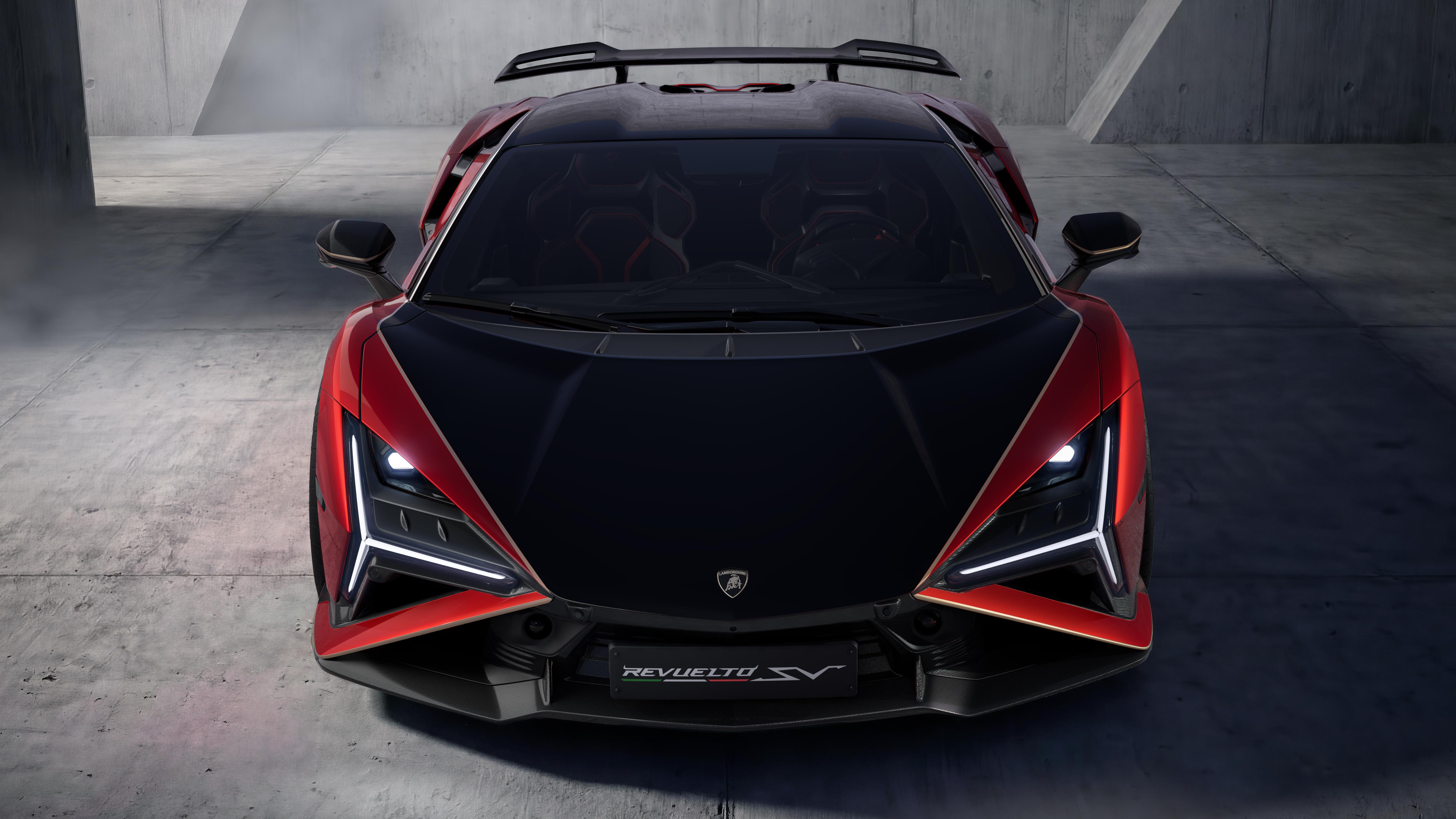
Lamborghini is marking 55 years of its Super Veloce badge, and the timing is deliberate: the Revuelto SV, the first hybrid to wear those two letters, is heading toward a 1,963-unit production run after its debut at Monterey Car Week in August. Only four cars carried the SV name before it.
The badge has followed the same recipe since 1971: take the flagship V12, add power, strip weight, and cap the build count. What has changed — dramatically — is what those numbers look like.
Five cars, one recipe
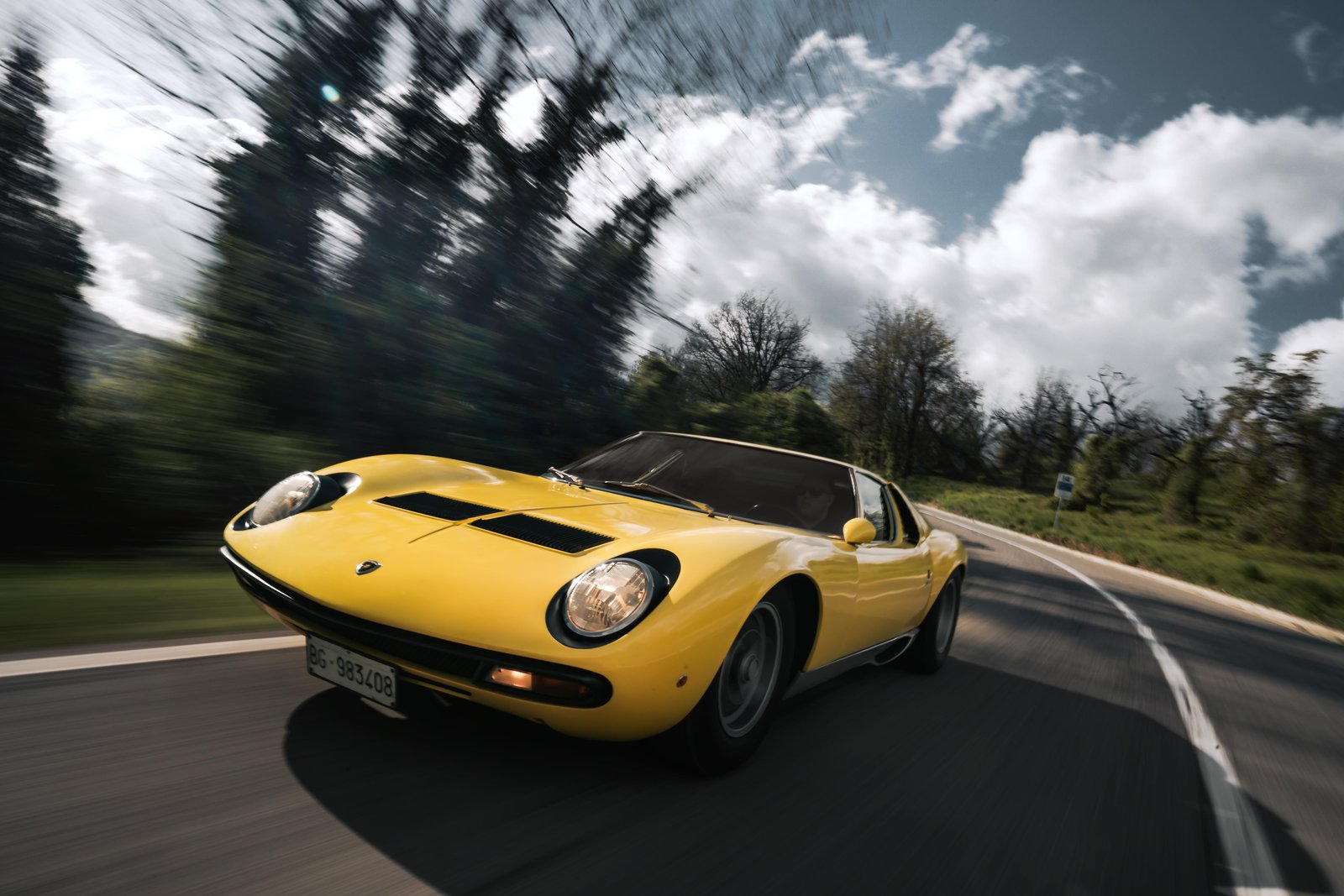
The original Miura SV arrived in 1971 as the final and sharpest version of the car that defined the mid-engine supercar layout. Its 4.0-liter V12 made 385 hp, enough for 0–62 mph (0–100 km/h) in about 5.5 seconds and a top speed beyond 174 mph (280 km/h). Lamborghini built just 150 of them.
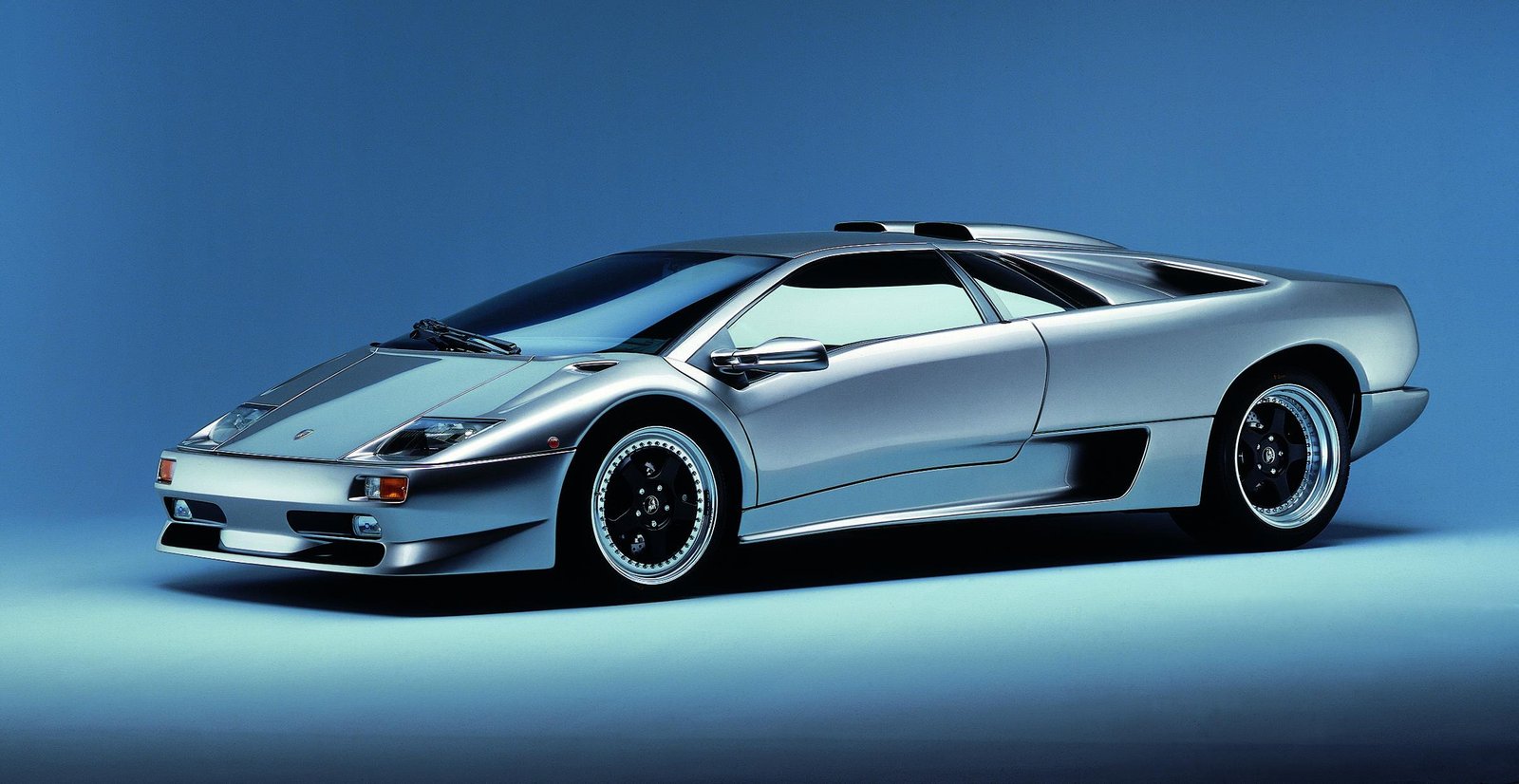
The badge then disappeared for 24 years. It returned on the 1995 Diablo SV, a rear-wheel-drive, 510-hp version that shed roughly 88 pounds (40 kg) and cut the sprint to 62 mph to around 4.5 seconds. From that point on, every V12 flagship got one: the 2009 Murciélago LP 670-4 SV brought 670 hp, a diet of about 220 pounds (100 kg), and — for the first time on an SV — all-wheel drive, with production held to 350 coupes and 50 roadsters.
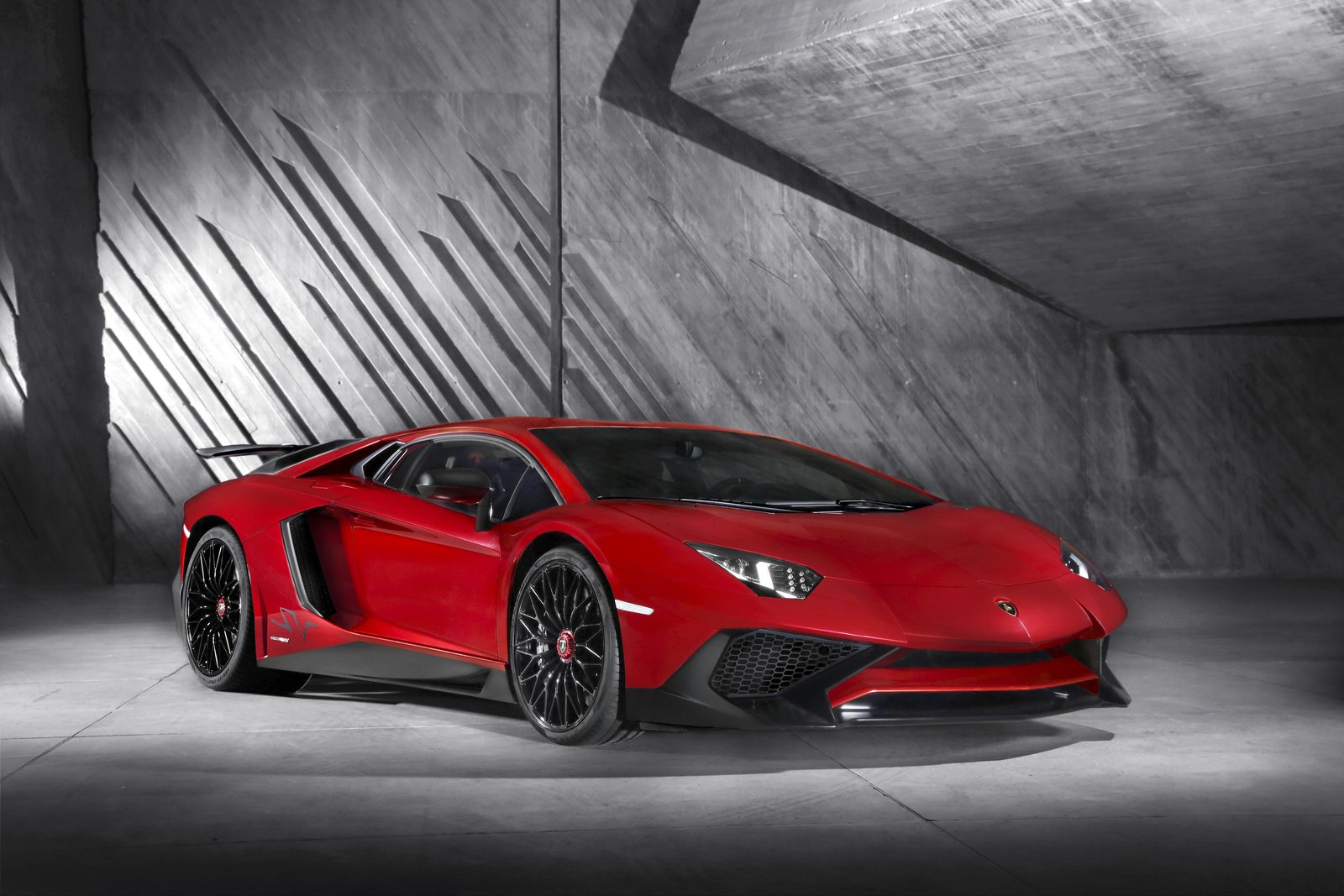
The 2015 Aventador SV pushed the naturally aspirated V12 to 750 hp and a 2.8-second run to 62 mph, with 600 coupes built. It was the last SV of the pure-combustion era.
The hybrid one changes the math
The Revuelto SV keeps the 6.5-liter naturally aspirated V12 but pairs it with three electric motors for a combined 1,065 CV (about 1,050 hp) and 1,425 Nm (1,051 lb-ft) of system torque. According to Lamborghini, that makes it the most powerful and quickest-accelerating production car the company has built: 0–62 mph in 2.4 seconds, 0–124 mph (200 km/h) in 6.7 seconds, and a top speed above 214 mph (345 km/h).
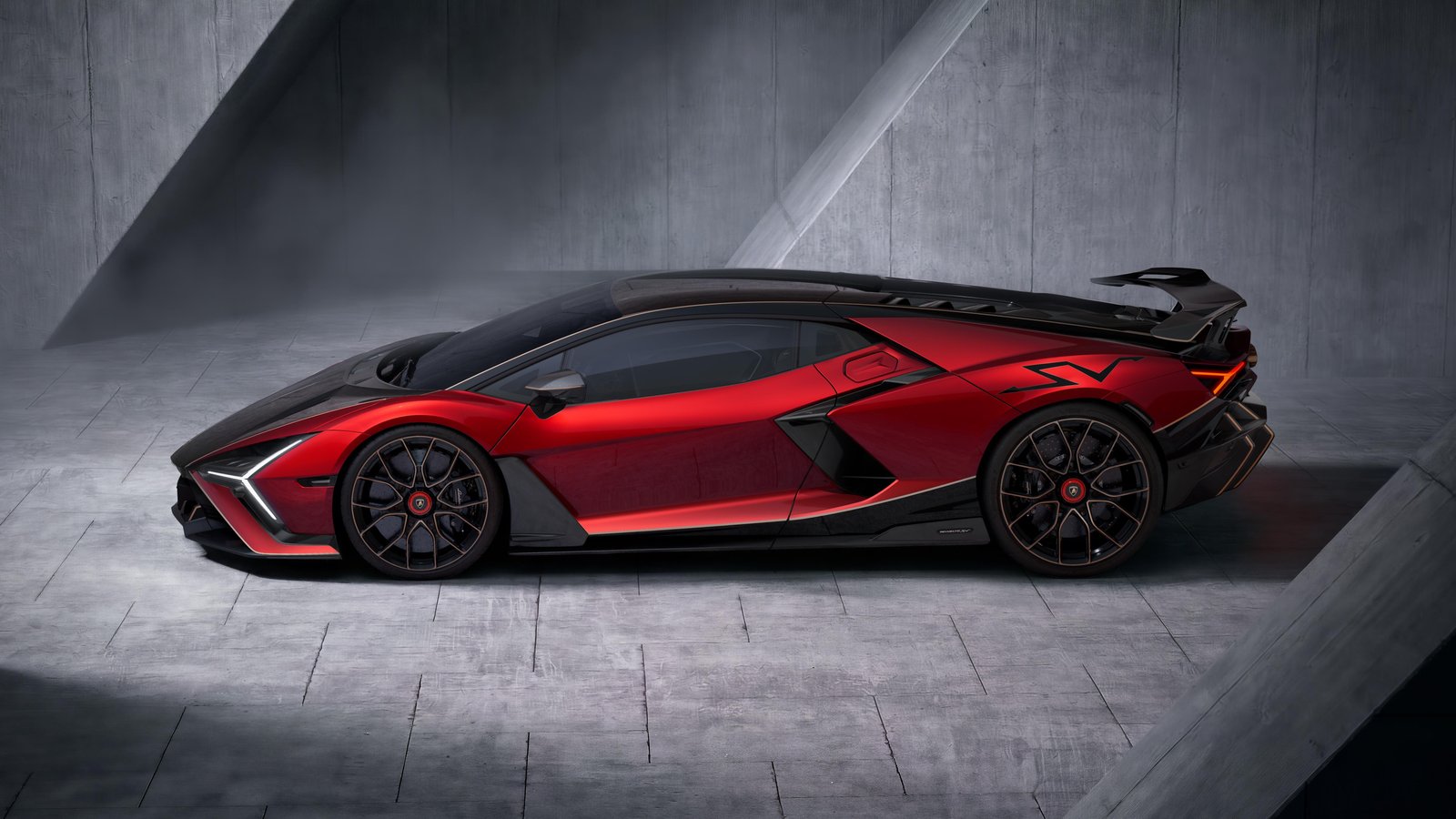
The gains over the standard Revuelto go beyond the 50 extra CV. The battery nearly doubles in capacity, from 3.8 to 7.3 kWh, total downforce rises by a claimed 80 percent, and the company says a factory driver lapped the Hockenheimring in 1:41.6 — a production-car record for the circuit, by Lamborghini's account.
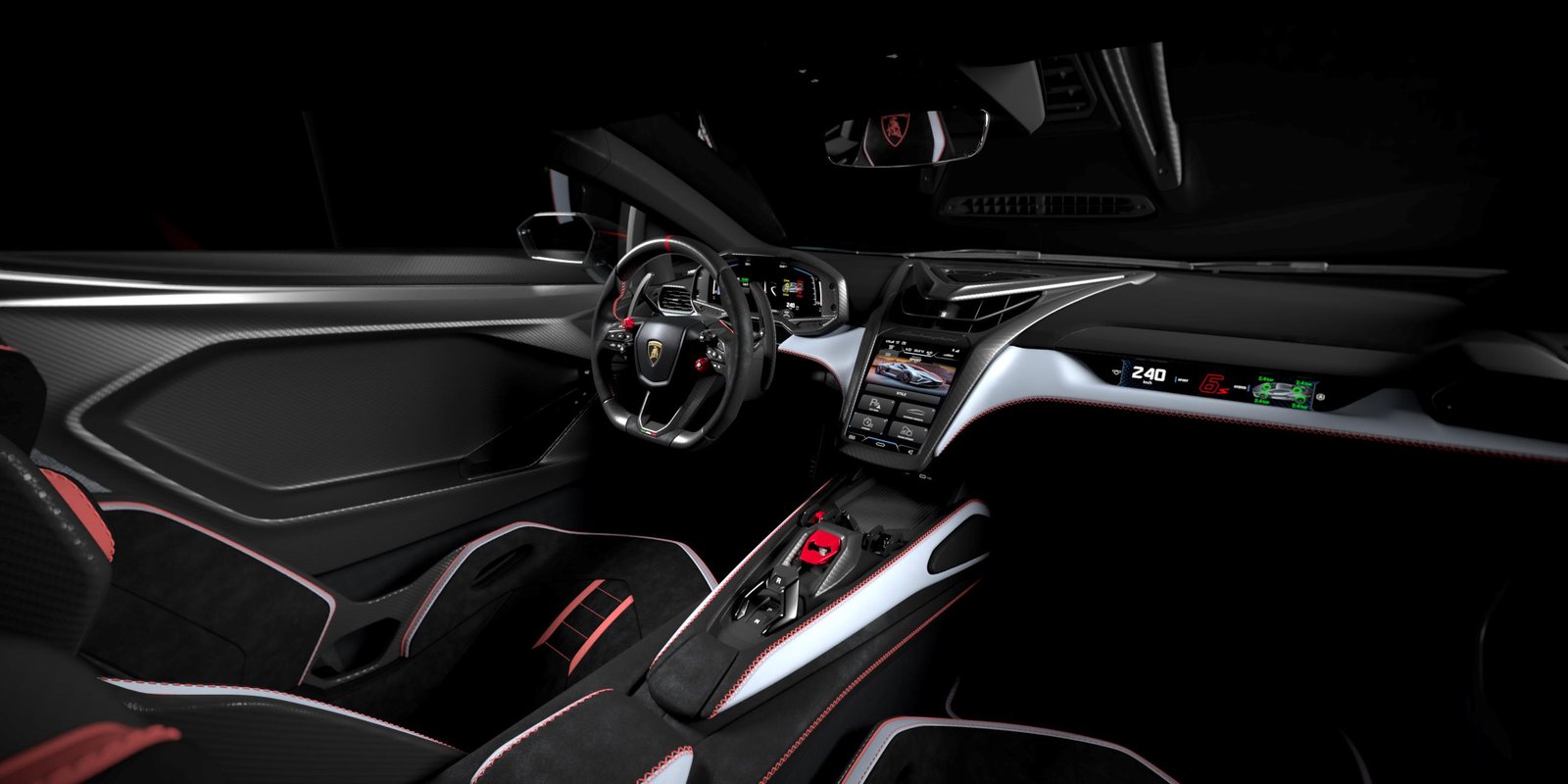
The exclusivity arithmetic tells its own story. The Miura SV was a 150-car run; the Revuelto SV will number 1,963 units, a reference to the company's founding year — and more cars than the previous three SV generations combined. Limited, in 2026, is a relative term.
The badge also now stands apart in the segment. Ferrari moved its flagship to a twin-turbo V6 hybrid with the $3.9 million F80, capped at 799 units, while Lamborghini's answer keeps twelve naturally aspirated cylinders spinning to 9,500 rpm and spreads the run across a far larger pool of collectors.
Lamborghini has not announced pricing or a delivery schedule for the Revuelto SV. The company says allocation is aimed at existing customers, which in practice means the order book will close long before the first car reaches a showroom floor.