Six Companies Have Promised America a New Pickup. Here's Who Will Actually Deliver One
We scored six promised pickups on five tests: confirmation, plant, date, price, and a truck you can see. Slate passes all five. Volkswagen passes none.
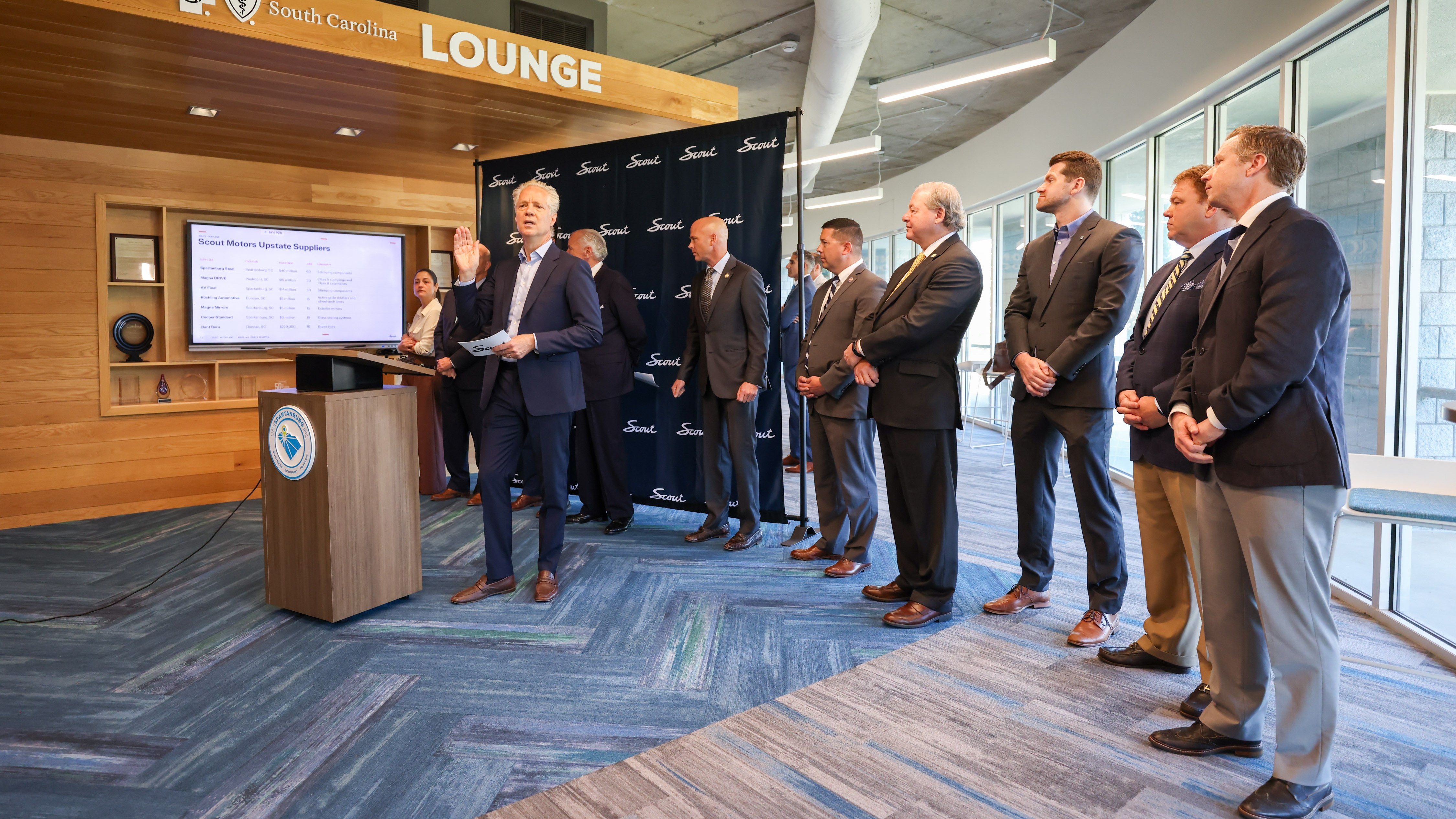
Six companies have now told American buyers that a new pickup is on the way: Volkswagen, Hyundai, Mitsubishi, Slate, Scout, and Ram. Only two of them, Slate and Scout, have named a factory, put a number on the price, given a date, and shown a running truck. Only Slate says customers will get theirs this year. Volkswagen, at the other end, has committed to a study.
The rush is aimed at a segment that has had the same five body-on-frame players for years, and that Toyota still leads by a wide margin; our midsize truck buying guide covers how those trucks compare today. Here, we sort the newcomers by a simpler question: how real is each one?
The Market They Want In
Toyota sold 71,027 Tacomas in the third quarter, down 3.5% from a year earlier. That is nearly half of the 149,081 midsize body-on-frame trucks sold by Toyota, Chevrolet, Nissan, Ford, and Jeep, by our math from the automakers' reports. That total leaves out the GMC Canyon, which GM says had its best quarter ever.
The challengers are growing faster. The Nissan Frontier rose 37.5% to 23,412, the Ford Ranger 14.8% to 17,561, and the Chevrolet Colorado 2.4% to 25,170. The Jeep Gladiator went the other way, falling 9% to 11,911, according to Stellantis figures.
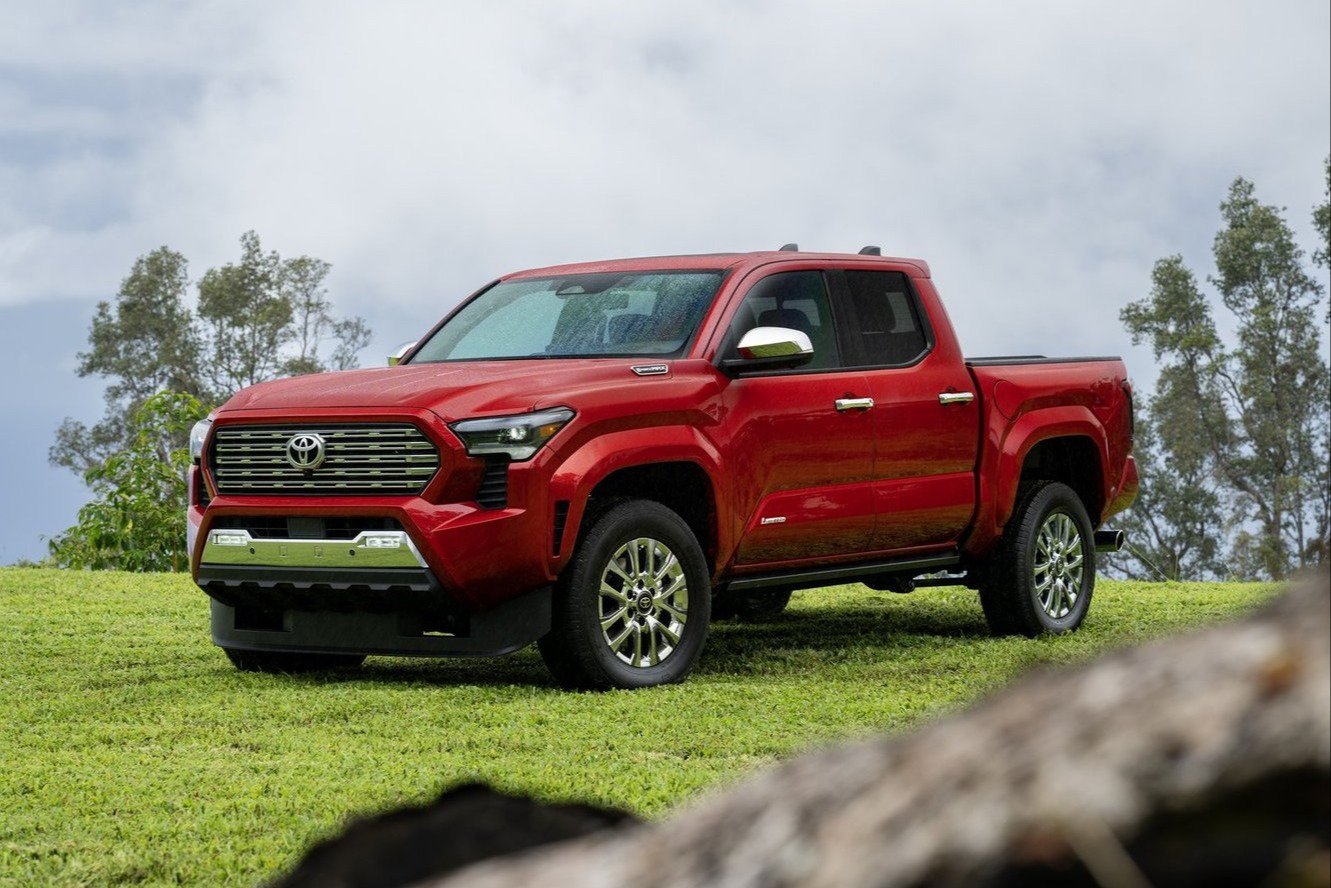
The smaller unibody end of the market shows where buyers are spending. Ford sold 41,970 Mavericks in the quarter, up 20.4%, and about two of every three were hybrids. Hyundai's Santa Cruz, the only truck the brand sells today, fell 25% to 4,830. The Maverick outsold it nearly nine to one.
The Reality Scale
We rated each truck on five yes-or-no tests: Has the company officially confirmed it for the U.S.? Has it named the plant? Has it named a date? Has it named a price? Has it shown the truck itself, not just a teaser or a related concept? A partial answer, such as a price target or a country without a site, doesn't count as a yes.
| Truck | Confirmed for U.S. | Plant named | Date named | Price named | Truck shown | Score |
|---|---|---|---|---|---|---|
| Slate Truck | Yes | Yes: Warsaw, Indiana | Yes: deliveries in Q4 2026 | Yes: $24,950 | Yes: prototypes in testing | 5/5 |
| Scout Terra | Yes | Yes: Blythewood, South Carolina | Yes: production 2027, deliveries 2028 | Partial: "under $60,000" target | Yes: revealed October 2024 | 4/5 |
| Ram midsize pickup | Yes | Yes: Toledo, Ohio | Yes: 2028 | No | No | 3/5 |
| Hyundai midsize pickup | Yes | Partial: "built in America," no site | Yes: by 2030 | No | Partial: Boulder SUV concept only | 2/5 |
| Mitsubishi pickup (Nissan-built) | Yes | No | No | No | No: dealer teaser silhouette | 1/5 |
| Volkswagen pickup | No: "explore" only | No (reportedly Chattanooga) | No | No | No | 0/5 |
Status as of October 24, 2026, based on company statements. Reported details that the companies have not confirmed are labeled. Slate is a two-door compact and the Terra is larger than a typical midsize truck; neither is a direct Tacoma rival.
Slate: The Only One With a Delivery Window
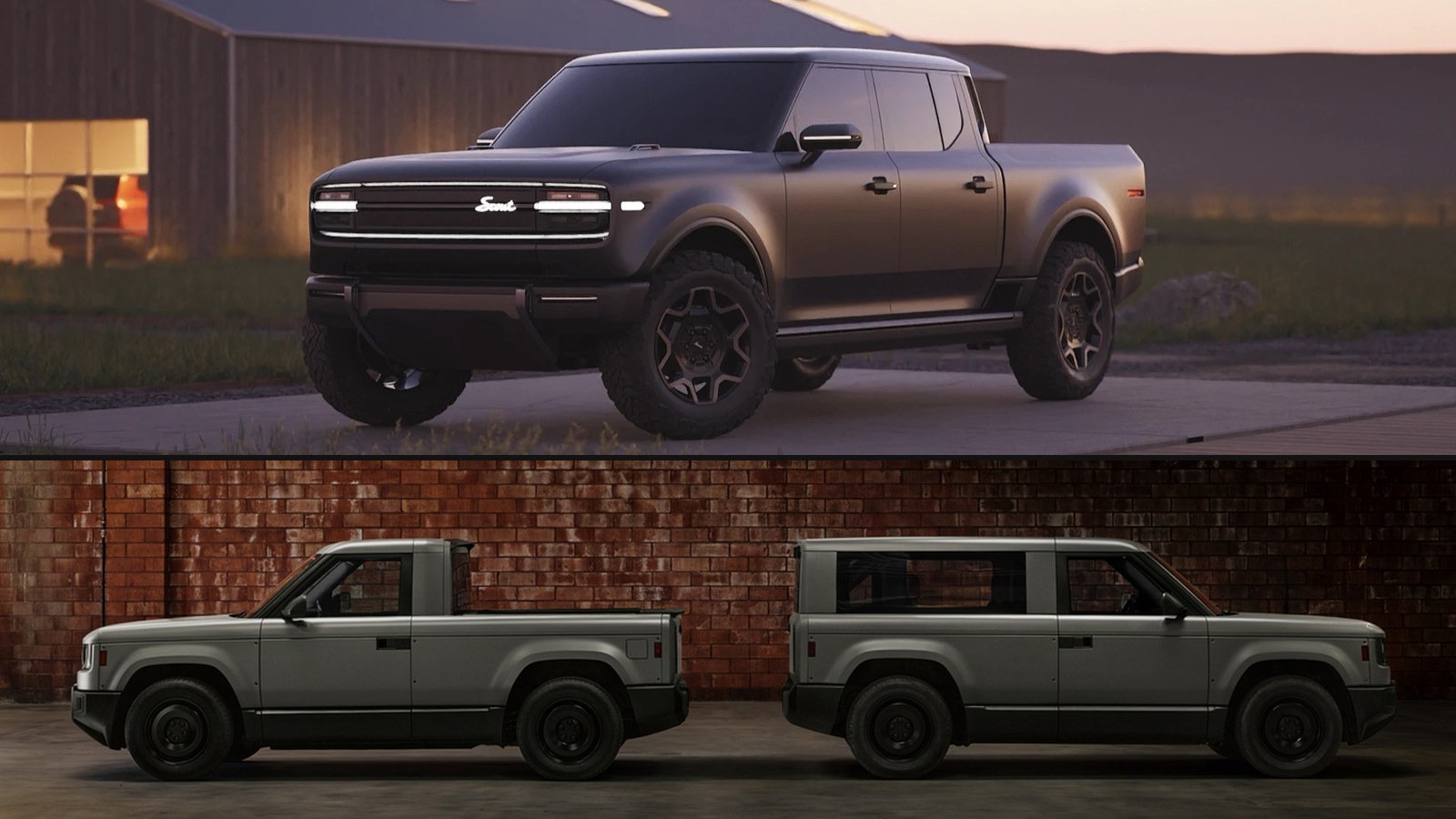
Slate is the youngest company here and the furthest along. It opened preorders on June 24 at $24,950 for the base truck and said first deliveries are planned for the fourth quarter of 2026. Its announced figures are an estimated 205 miles of range, a 2,000-pound tow rating, a 1,550-pound payload, and a 10-year/110,000-mile battery and powertrain warranty. More than 180,000 people had put down refundable deposits by then.
The factory is real, too: a former printing plant in Warsaw, Indiana, where Slate plans to invest about $400 million and employ more than 2,000 people. Slate says it has built three design-verification prototypes there. In mid-September, its communications chief told local outlet InkFreeNews that production would start in the fourth quarter, while the company was still checking that everything fit.
The catch is that the Slate is not a midsize truck. It is a two-door, rear-drive electric compact with no paint shop behind it and no dealers in front of it. In my view, it is the most real truck on this list and the least like the others. Its closest rival is Ford's Fathom, a compact EV pickup priced from $28,350 before destination and due in 2027; we've covered how the Fathom compares with the Maverick.
Scout Terra: A Real Truck With a Moving Date
Scout revealed the Terra two years ago this week, on October 24, 2024. It is a body-on-frame pickup with a solid rear axle, front and rear locking differentials, and a 5.5-foot bed. Scout projects up to 350 miles for the battery-electric version and 500 miles or more for the range-extended version, which uses a gas generator. Its site still says pricing is expected to start under $60,000 and that initial production is targeted for 2027, with customer deliveries in 2028.
The plant in Blythewood, South Carolina, is a $2 billion project that completed its first test-welded body in July. The question is which vehicle comes first. Forecaster AutoForecast Solutions reported in April that Terra production had slipped to March 2030, with the Traveler SUV moving to September 2028. Scout said it had not spoken to the firm and stood by its own timing, but CEO Scott Keogh has said the Traveler will launch first.
My bet is that the Terra arrives later than the Traveler, and that its sub-$60,000 target gets tested by the end of the federal EV tax credit. It is also bigger than the trucks in the Tacoma's class, so it will compete with half-ton pickups as much as with midsize ones.
Ram: A Plant and a Year, Nothing Else
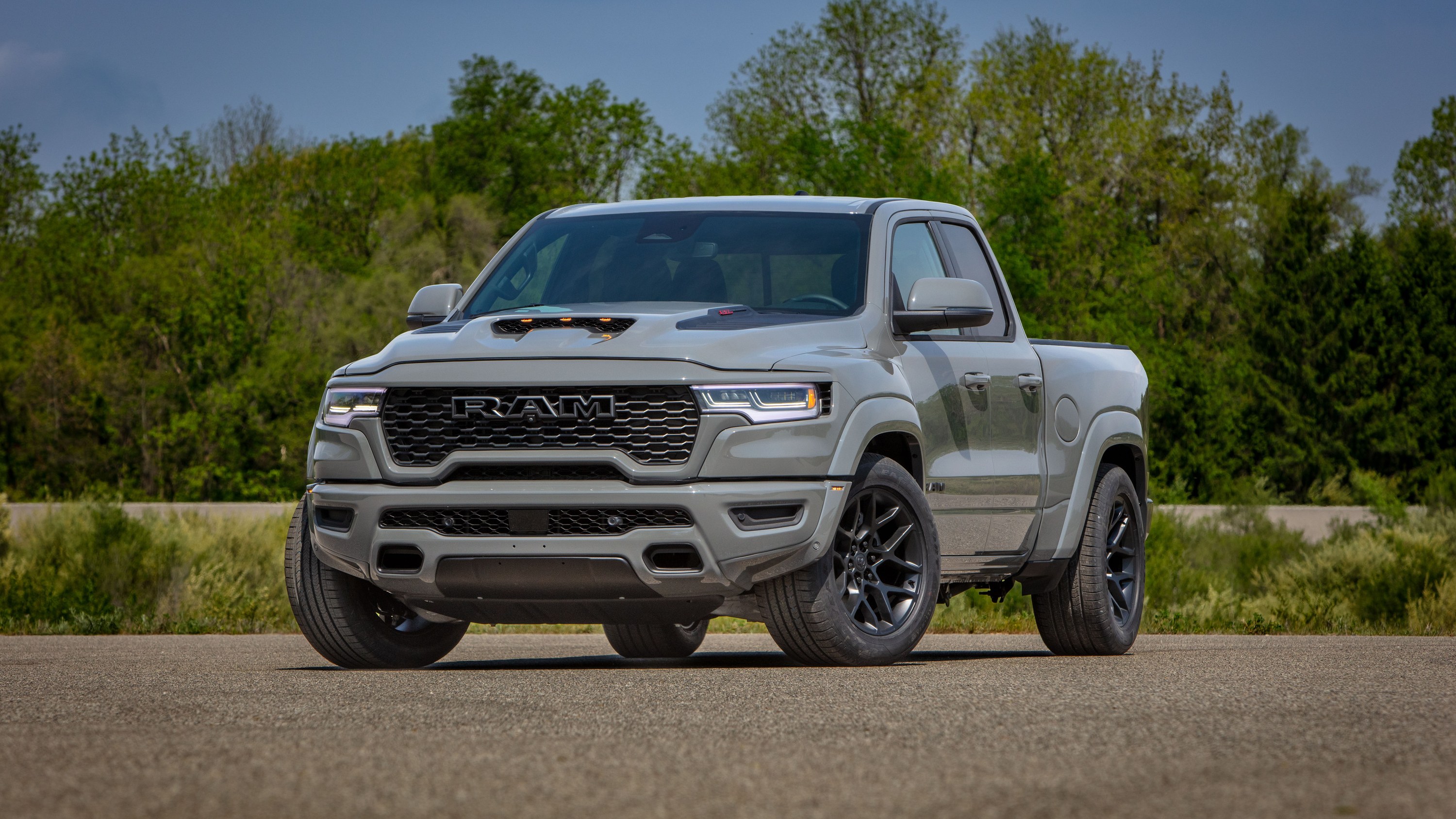
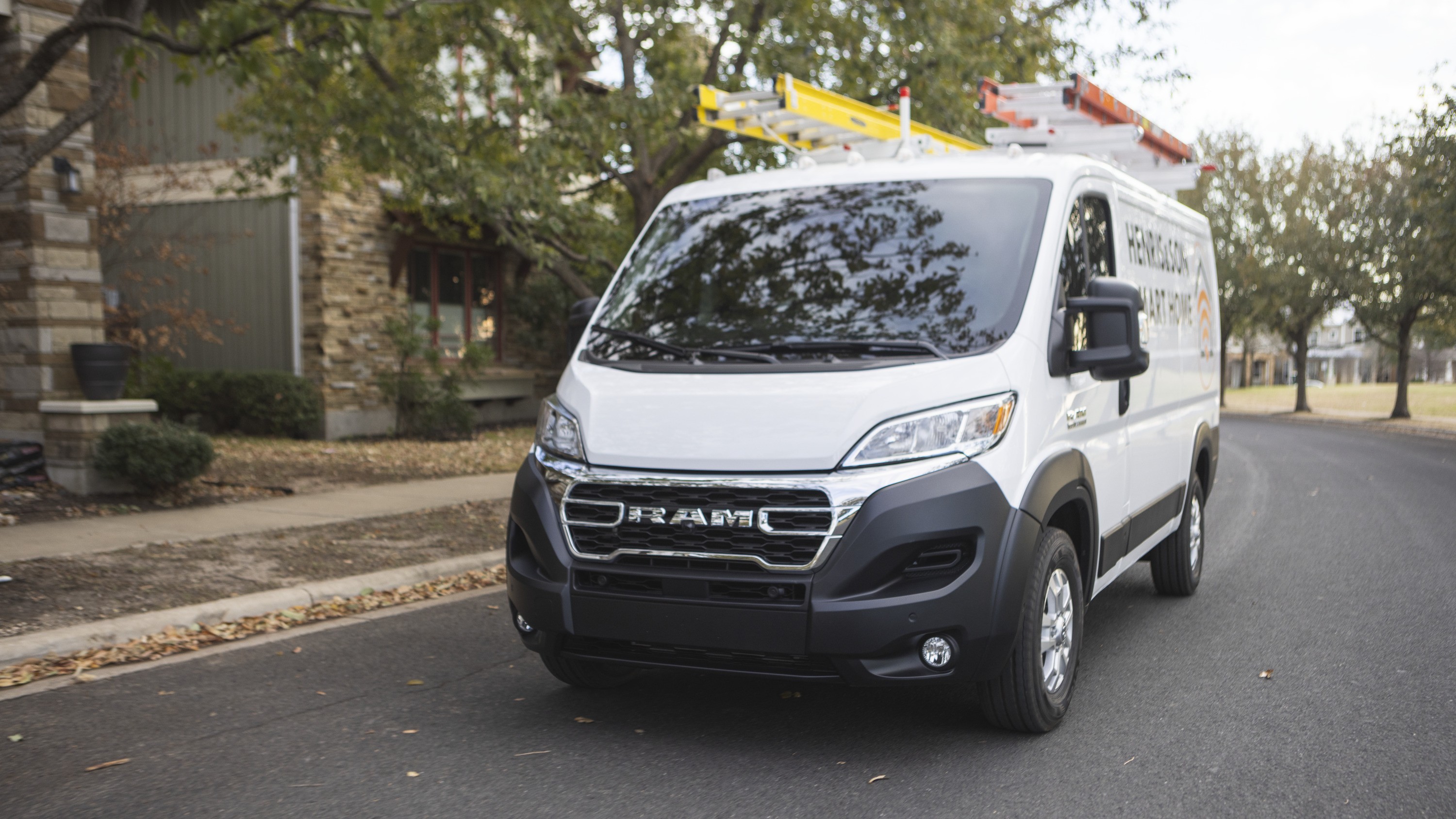
Ram's truck is the most conventional entry and, in my view, the one most likely to be the first new body-on-frame midsize truck to reach a showroom. In its $13 billion U.S. investment plan in October 2025, Stellantis said a new midsize truck would move from Belvidere, Illinois, to the Toledo Assembly Complex in Ohio, with nearly $400 million in investment, more than 900 jobs, and a 2028 launch. It will be built alongside the Jeep Wrangler and Gladiator.
Ram CEO Tim Kuniskis has since described it as a "real truck," smaller than Ram's full-size pickups but with genuine towing and payload. He told The Drive in February that he wasn't sure it needed a V8 and called hybrids an important sweet spot, without announcing a powertrain. Ford Authority has reported that it will be a crew cab with a starting price under $40,000. Ram hasn't confirmed either, or the Dakota name that keeps appearing in coverage.
Hyundai: A Deadline, Not a Date
Hyundai has the clearest intent and the least hardware. At the New York auto show in April, it showed the Boulder Concept, an SUV design study for its first U.S. body-on-frame platform, and said in its release that a midsize pickup on that platform will arrive by 2030. Hyundai says the vehicles will be designed, developed, and built in America with Hyundai-produced U.S. steel. CEO José Muñoz said the company plans to compete in the segment "with everything we have."
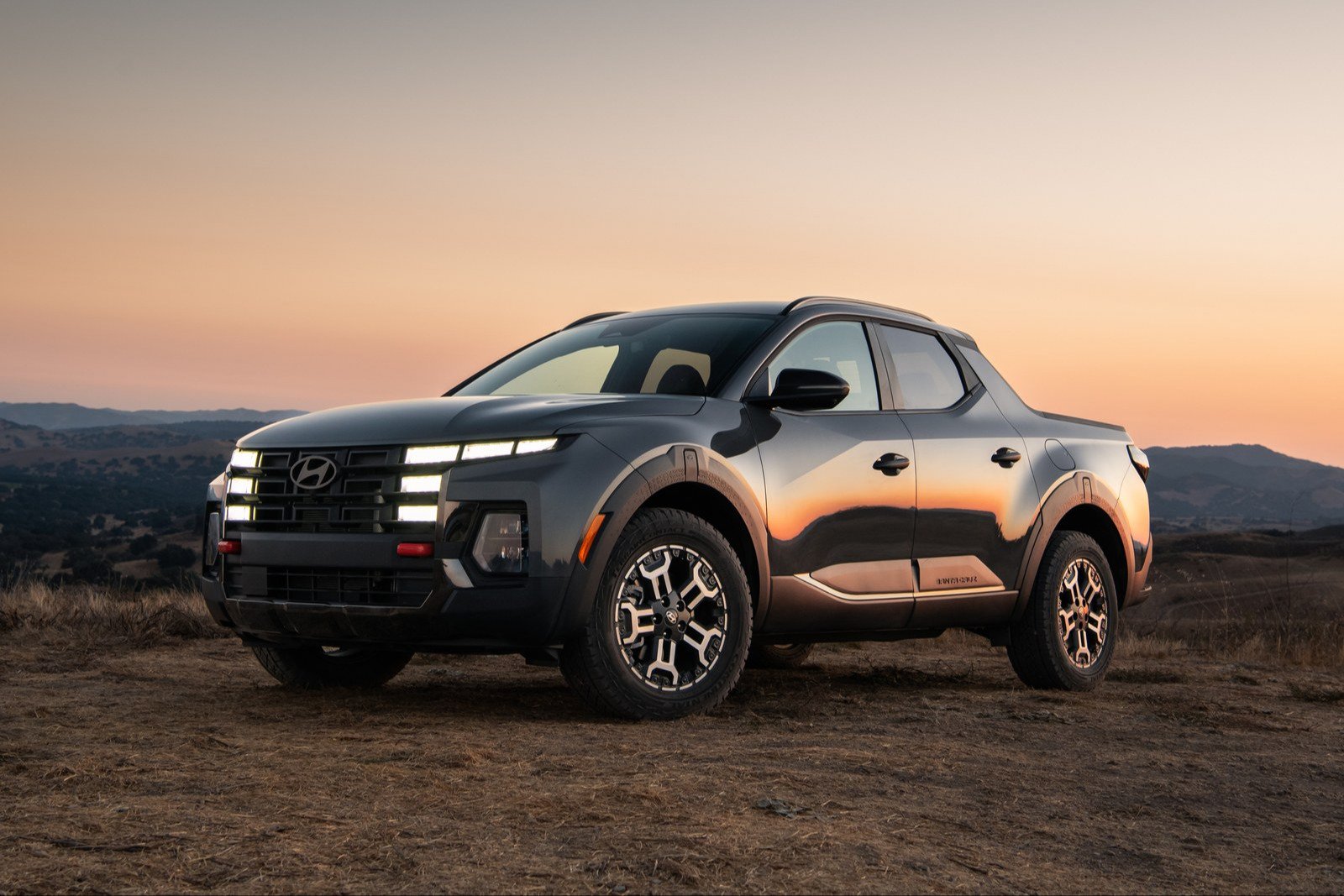
What Hyundai hasn't said is where, exactly, it will build the truck, what powers it, or what it will cost. In 2025, Muñoz suggested the Palisade Hybrid's powertrain could be used, Autoguide reported, but Hyundai hasn't confirmed it. Its current pickup is no proof of concept: the Santa Cruz is a unibody truck whose sales have fallen 28% this year, to 14,811 through September.
Mitsubishi: A Badge Waiting for a Truck
Mitsubishi told dealers in August that it intends to return to the U.S. pickup market through its partnership with Nissan, and the confirmation is about all there is. As we reported when Mitsubishi confirmed the Nissan-built pickup, it gave no name, timeline, platform, or price. Edmunds reports that it will be a body-on-frame truck arriving sometime after spring 2027, most likely based on the next-generation Frontier. If so, Mitsubishi is betting on the fastest-growing truck in the segment.
Don't confuse it with the other Mitsubishi pickup in the news. On October 22, Honda and Mitsubishi signed a memorandum of understanding for a Honda pickup based on the Mitsubishi Triton, scheduled to go on sale in Southeast Asia in 2028. The companies' announcement does not mention North America.
Volkswagen: Still a Study
Volkswagen's truck exists, officially, as one sentence. In a September 3 release about its new North American leadership, the brand said it would "explore" the body-on-frame segment, including rugged SUVs and pickups, as a potential part of its future lineup. Reuters reported in August that the truck would likely be built in Chattanooga, Tennessee, and arrive before the end of the decade. Volkswagen hasn't confirmed either point.
The obvious donor, the Amarok, has never been sold in North America, and the current one shares its underpinnings with the Ford Ranger. We track every signal in our Volkswagen pickup hub. Until Volkswagen names a platform or a plant, it scores zero.
Also on the Radar, but Not in the Ranking
- Ford Fathom: a confirmed compact electric pickup for the U.S., priced from $28,350 plus $1,595 destination. It belongs with the Maverick, not the midsize trucks.
- Renault Niagara: a compact pickup Renault revealed for markets outside the U.S. Renault doesn't sell cars in America.
- Honda's Triton-based pickup: confirmed, but for Southeast Asia in 2028.
What We Don't Know Yet
- Anything that is only reported. That includes Ram's name, cab configuration, and price; Volkswagen's plant and timing; the Frontier link for Mitsubishi; and the forecaster's later dates for the Terra.
- Tariffs and trade rules. None of the six has said how tariffs, or the pending review of the U.S.-Mexico-Canada trade agreement, would affect parts sourcing or pricing. Any version built outside the U.S. would face a different cost picture.
- Slate's actual start of production. The company has a quarter, not a day, and hasn't said how many trucks it will deliver this year.
- Hyundai's plant and powertrain, and whether its 10-year/100,000-mile powertrain warranty would apply.
- Scout's final price now that the federal EV tax credit has ended.
Three Things This Ranking Tells Us
1. The most real trucks are the least like a Tacoma. The two highest scores belong to a $24,950 two-door EV and a large range-extended truck from a new brand. The actual midsize fight, Ram in 2028 and Hyundai by 2030, is still years away. For anyone buying this year, the choice remains the five trucks already on sale.
2. Hybrids, not EVs, look like the default. Two of every three Mavericks sold last quarter were hybrids, Keogh said in March that about 87% of Scout reservations were for the range-extended version, and Kuniskis has called hybrids a sweet spot. I'd argue the first new body-on-frame midsize truck to arrive will run on gas or as a hybrid, not as an EV.
3. Watch factories, not concepts. Warsaw, Blythewood, and Toledo are real buildings with real investment. Hyundai and Volkswagen haven't named a site. In my view, the moment either one does is the moment its truck becomes more than a promise.
What's Next
The next checkpoint is the Los Angeles Auto Show, whose media day is November 19. After that, the dates to watch are Slate's first customer deliveries, scheduled for this quarter, and any reveal of Ram's truck ahead of its 2028 launch. We'll update this table when any of the six names a date, a price, or a plant.