Volkswagen Is Studying a Body-on-Frame Pickup for America. Here's Everything We Know
Volkswagen has confirmed only a study, but the Group's own Future Plan already points at a midsize or larger truck built in the US. Here's what's known and what isn't.
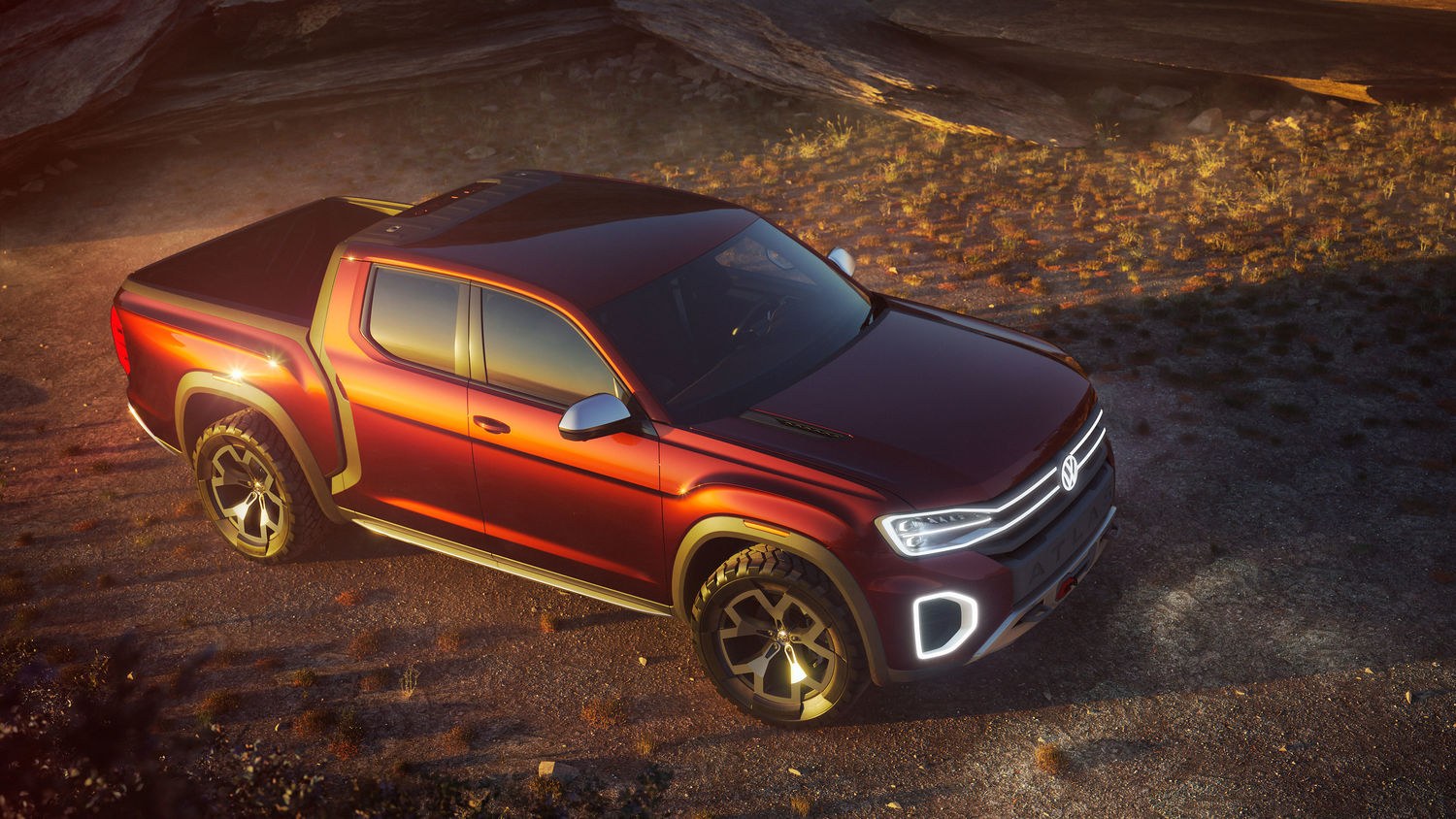
Volkswagen has put a pickup truck for the United States back on the table for the first time since the Atlas Tanoak concept of 2018. In a September 3 press release announcing a new leadership team for North America, the brand said it will explore the body-on-frame segment, including rugged SUVs and pickups, as a possible part of its future lineup. That is the entire official basis for this story: a study, not a program. No platform, size, powertrain, plant, price, or date has been announced, and Volkswagen has not said when a decision will come. The same day, the supervisory board in Wolfsburg approved the restructuring that would pay for a move like this — we cover what it means for American buyers separately.
This page tracks what is confirmed, what the company's own strategy documents suggest, and what remains open. We will update it as Volkswagen says more.
What Volkswagen actually said
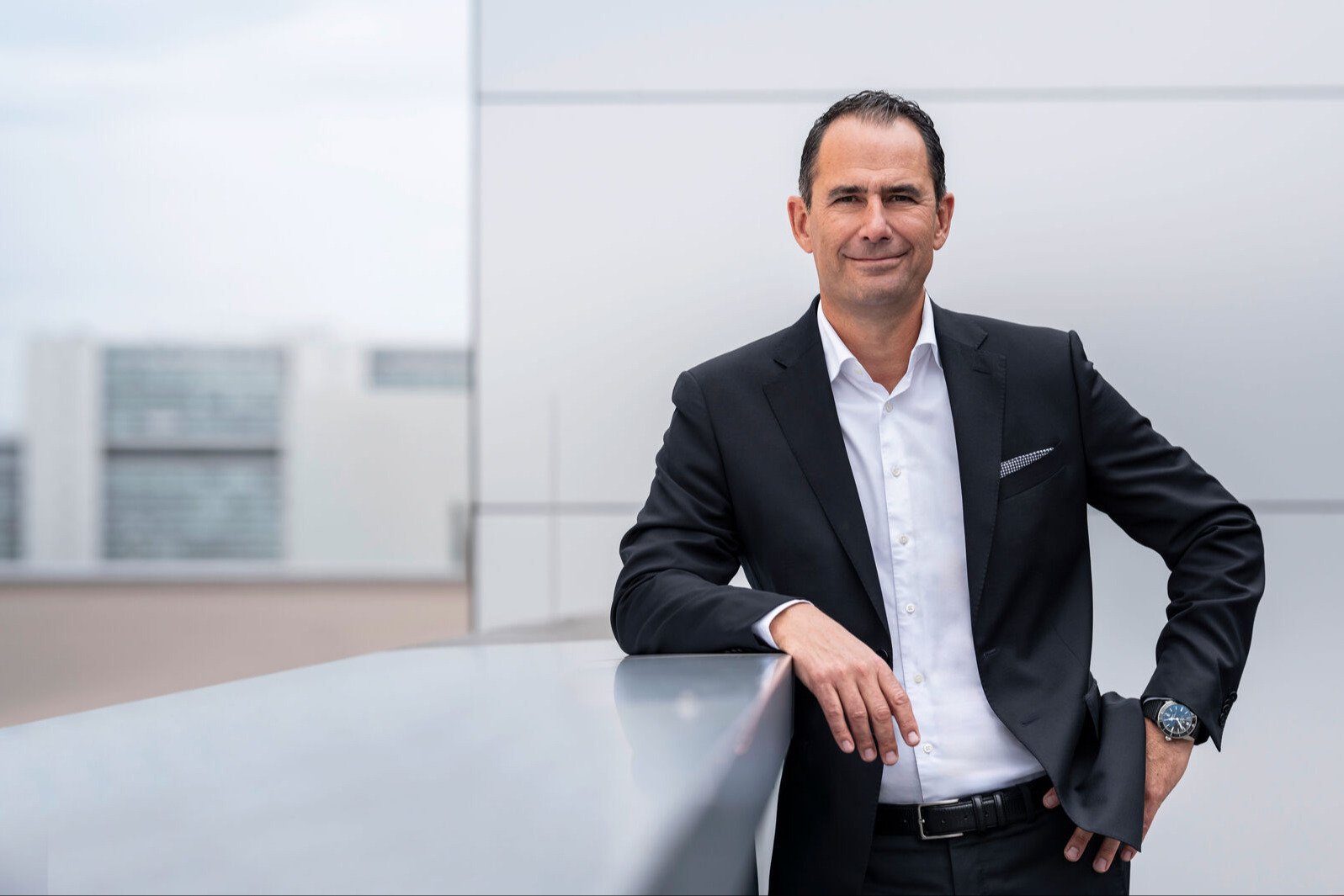
The pickup mention came in a release about executive changes. Marco Schubert, currently Audi's sales and marketing chief, takes over the North American region on October 1, 2026, reporting directly to Group CEO Oliver Blume. He replaces Kjell Gruner, who is leaving the company. Brand CEO Thomas Schäfer framed the appointment around a plan to develop the right vehicles for the market from within the market, the way Volkswagen already does in China and Europe.
The product language sits in the body of the release rather than in a quote. Volkswagen says it will focus on the segments with the strongest US demand, strengthen its successful models, expand the portfolio, and speed up its hybrid push. Then comes the sentence everyone picked up on: the brand "will explore opportunities in the highly popular body-on-frame B-segment, including robust SUVs and pick-up trucks, as a potential component of Volkswagen's future product portfolio."
Note the hedging. "Explore." "Potential component." Volkswagen has confirmed that it is studying a truck, not that it will build one. Asked by Reuters for details on size, the company declined to elaborate.
How big would it be? The "B-segment" puzzle
In American usage, B-segment means subcompact. There is no body-on-frame subcompact in the US market, and no automaker builds one. So either Volkswagen is using "B" in some internal sense, or the phrase is an artifact of how the release was written in Wolfsburg. The company has not clarified it.
The strongest official clue comes from a different document. The Volkswagen Group's Future Plan 2030 overview, approved by the supervisory board on the same day, says the US portfolios of the Volkswagen and Audi brands will focus on high-volume, high-margin segments, above all mid-size and larger SUVs and pickups, with more emphasis on local production. Read together, the two documents point at a midsize or larger truck rather than a Maverick-sized compact. That is our inference, though, not a Volkswagen statement.
If it is midsize, the competitive set is crowded: Toyota Tacoma, Ford Ranger, Chevrolet Colorado, GMC Canyon, Nissan Frontier, and Jeep Gladiator, with Ram and Hyundai reportedly preparing entries of their own.
Platform: Scout, or something new?
The obvious question is whether a Volkswagen truck would use the ladder frame the Group is already developing for Scout Motors. Scout's Terra pickup and Traveler SUV are body-on-frame, engineered in Novi, Michigan, and due to be built at a new plant in Blythewood, South Carolina. Scout says initial production is targeted for 2027, with customer deliveries in 2028 and starting prices below $60,000. Both come as battery-electric vehicles or as "Harvester" extended-range EVs with a gasoline generator.
Neither Volkswagen nor Scout has said the two projects are connected. Scout has consistently described its vehicles as unrelated to existing Group products, and the Terra is a large truck, closer to full-size than midsize, so a smaller Volkswagen would not be a simple carry-over. Scout's timing is also in question: forecaster AutoForecast Solutions told Automotive News in April that Traveler production had slipped to September 2028 and Terra to March 2030. Scout said it had not spoken to the forecaster and stood by its own dates.
The alternative is a frame developed for the Volkswagen and Audi brands themselves. According to Bloomberg, CFO Arno Antlitz told reporters the Group is looking at US-built ladder-frame vehicles for both brands, while adding that it was too early to make an announcement for the Volkswagen brand. Audi has never sold a body-on-frame model.
Where it would be built
Nothing is confirmed, but the economics point to the United States. Volkswagen's Chattanooga, Tennessee plant builds the Atlas family and the ID.4; Scout's Blythewood plant is under construction with a planned capacity of up to 200,000 vehicles a year. The Future Plan explicitly calls for more local production in North America.
Antlitz has been direct about the motive. The Mexico-built Jetta and Taos account for a large share of Volkswagen's US volume but earn thin margins under current tariffs, he said, and the brand wants to move into segments with better profit potential. Volkswagen holds roughly 3 percent of the US market, according to Motor Intelligence, and the Group's North American deliveries fell 13 percent in the first quarter of 2026.
Powertrain: expect a hybrid before an EV
The same release that mentions trucks says Volkswagen will accelerate its presence in the US hybrid segment. That is the only powertrain signal on record. Volkswagen has not said whether a truck would be gasoline, hybrid, extended-range electric like Scout's Harvester, or fully electric. Given the stated hybrid pivot, and Scout's own report that more than 80 percent of its reservation holders picked the Harvester, a pure EV truck looks like the least likely outcome. That is a reading of the signals, not an announcement.
Price
No price exists, and any figure you see elsewhere is a guess. The only Group reference point is Scout's sub-$60,000 target, which applies to a larger, electrified truck from a separate brand. A midsize gasoline or hybrid Volkswagen would have to be priced against the Tacoma and Ranger to matter. We will add pricing here when Volkswagen announces it.
Timing
Also unannounced. What is known: Schubert starts October 1; the Future Plan says the Group Board decides which models are built where during its planning rounds, subject to supervisory-board approval; and a ground-up body-on-frame vehicle normally takes years from approval to showroom. Even in the best case, a Volkswagen truck is a late-decade product. The Scout plant, with first customer vehicles due in 2028, is the nearest fixed date on the Group's US truck calendar.
Volkswagen and pickups: a short history
Volkswagen has sold exactly one pickup in the United States. The Rabbit Pickup, known as the Caddy elsewhere, was a Golf-based unibody compact built at Volkswagen's Westmoreland plant near New Stanton, Pennsylvania, starting in 1979. Volkswagen has not sold a truck in the US since 1984. The Amarok, the brand's body-on-frame pickup for Europe, South America, Africa, and Australia, has never been offered in North America.
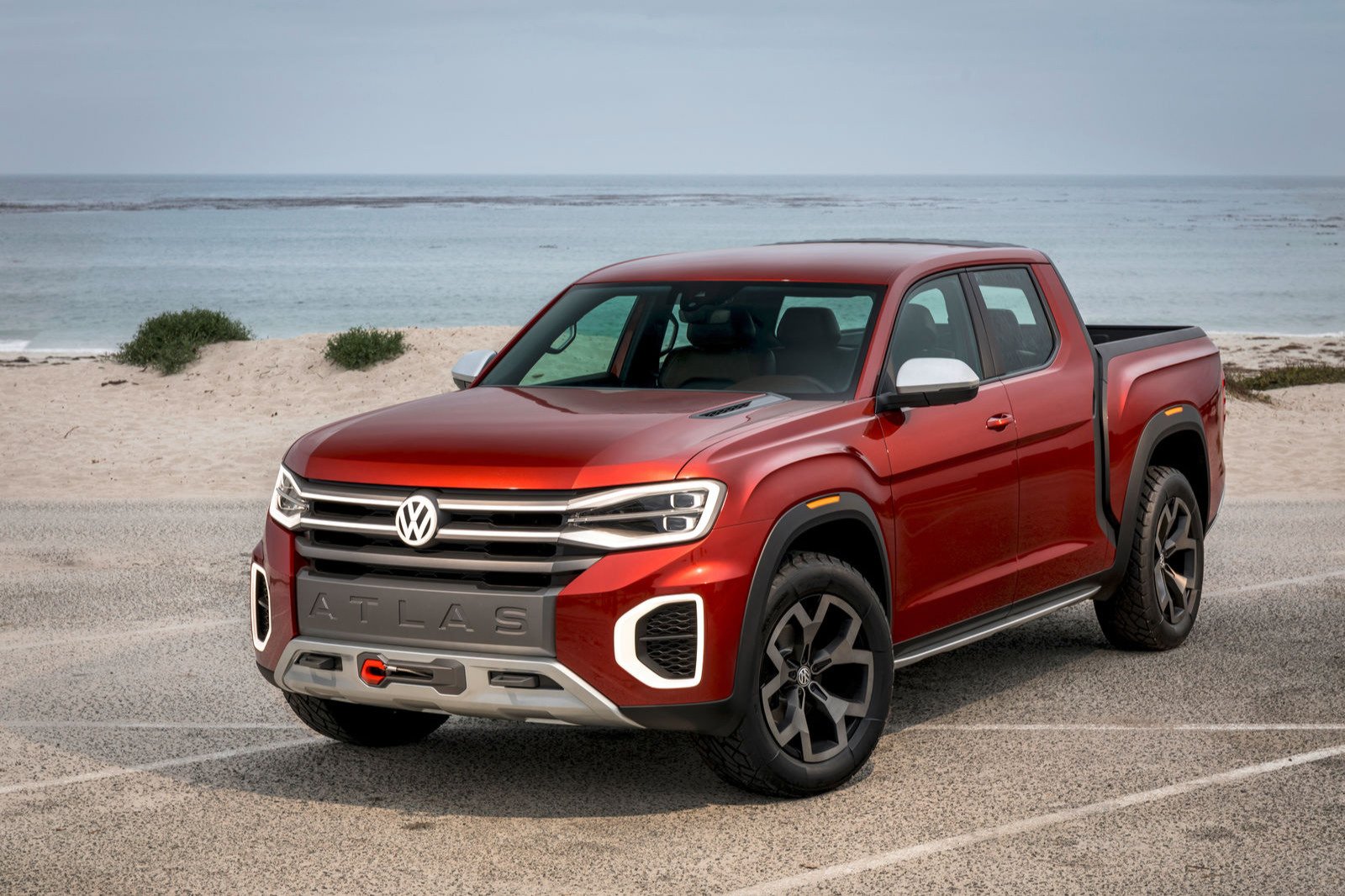
The closest the brand came was the Atlas Tanoak Concept, revealed at the New York auto show in March 2018: a unibody crew cab on the MQB architecture with a 276-hp (206 kW) V6. It was a design study, and Volkswagen never approved it for production. The photos on this page show that concept, not the vehicle now under study.
What we don't know yet
- Whether it will be built at all. Volkswagen has committed to a study, not a product.
- What "B-segment" means. The brand's release says B-segment; the Group's strategy page says mid-size and larger. Volkswagen has not reconciled the two.
- Platform. Scout's frame, a new one, or something borrowed from a partner. No official link to Scout exists.
- Size and body styles. Midsize versus full-size, and whether the SUV and the pickup share a base.
- Powertrains. Only the general hybrid push is on record.
- Plant. Local production is the stated direction; no site has been named.
- Timing and price. Neither has been discussed publicly.
What's next
Marco Schubert takes over on October 1, and the first concrete detail is likely to come from him or from the Group's next investor event, where executives have said they will lay out the profitability bridge behind the Future Plan. Watch for three things: an official explanation of "B-segment," any statement tying the project to Scout's South Carolina plant, and a concept or teaser, which is how Volkswagen tested the water with the Tanoak in 2018. Any of those will trigger an update to this page.