Does Your Chevy or Ford Have a Wet Timing Belt? The Engines, the Evidence, the Fixes
GM's 1.2-liter turbo in the Trax and Trailblazer runs its timing belt in oil. So did a Ford engine now under federal investigation. Here is what owners can do.
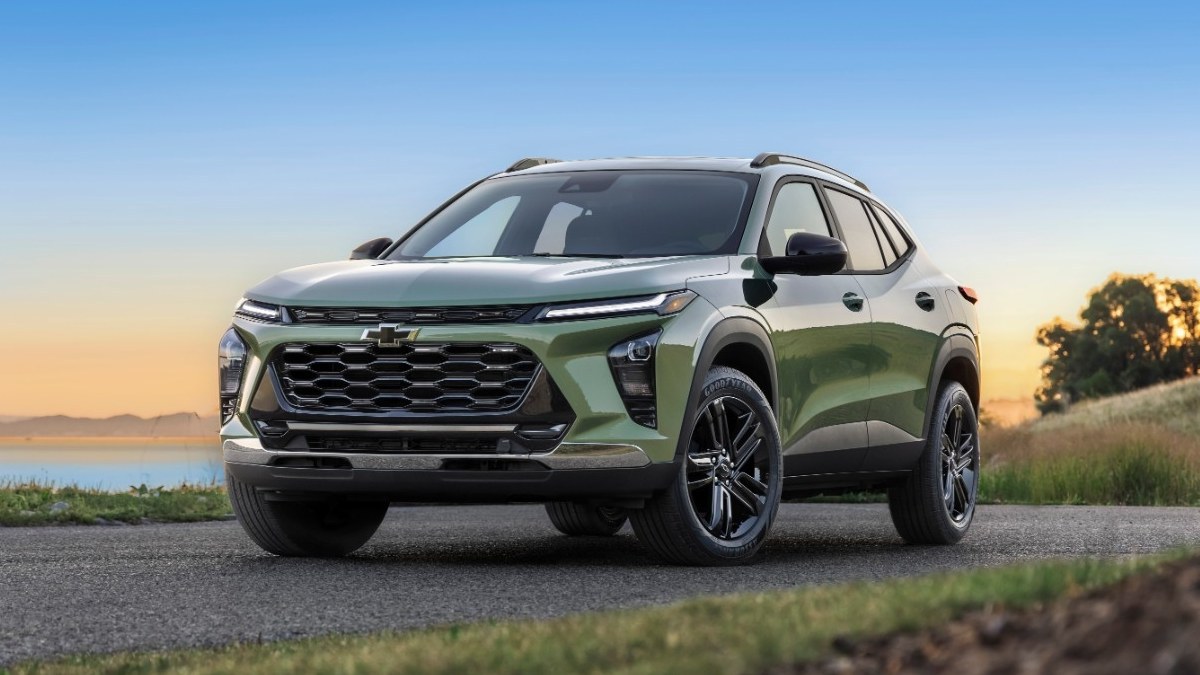
A teardown video has put a little-known piece of engine design in front of a lot of owners. The 1.2-liter turbo three-cylinder from a 2021 Chevrolet Trailblazer with about 84,000 miles came apart on the YouTube channel I Do Cars with a shredded timing belt, bent valves and belt fibers packed into the oil pickup, as Motor1 reported on November 21. GM's own schedule says that belt should last 150,000 miles.
One engine on a bench is not a failure rate, and Motor1 notes the car had repair work in its history. But the same engine powers some of the cheapest new cars in America, including the Trax in our Trax vs. Kicks vs. Venue comparison, and a similar design in older Fords is now under a federal engineering analysis. Here is what a wet belt is, which U.S. engines have one, and what an owner can do about it.
What a wet timing belt is, and why automakers use it
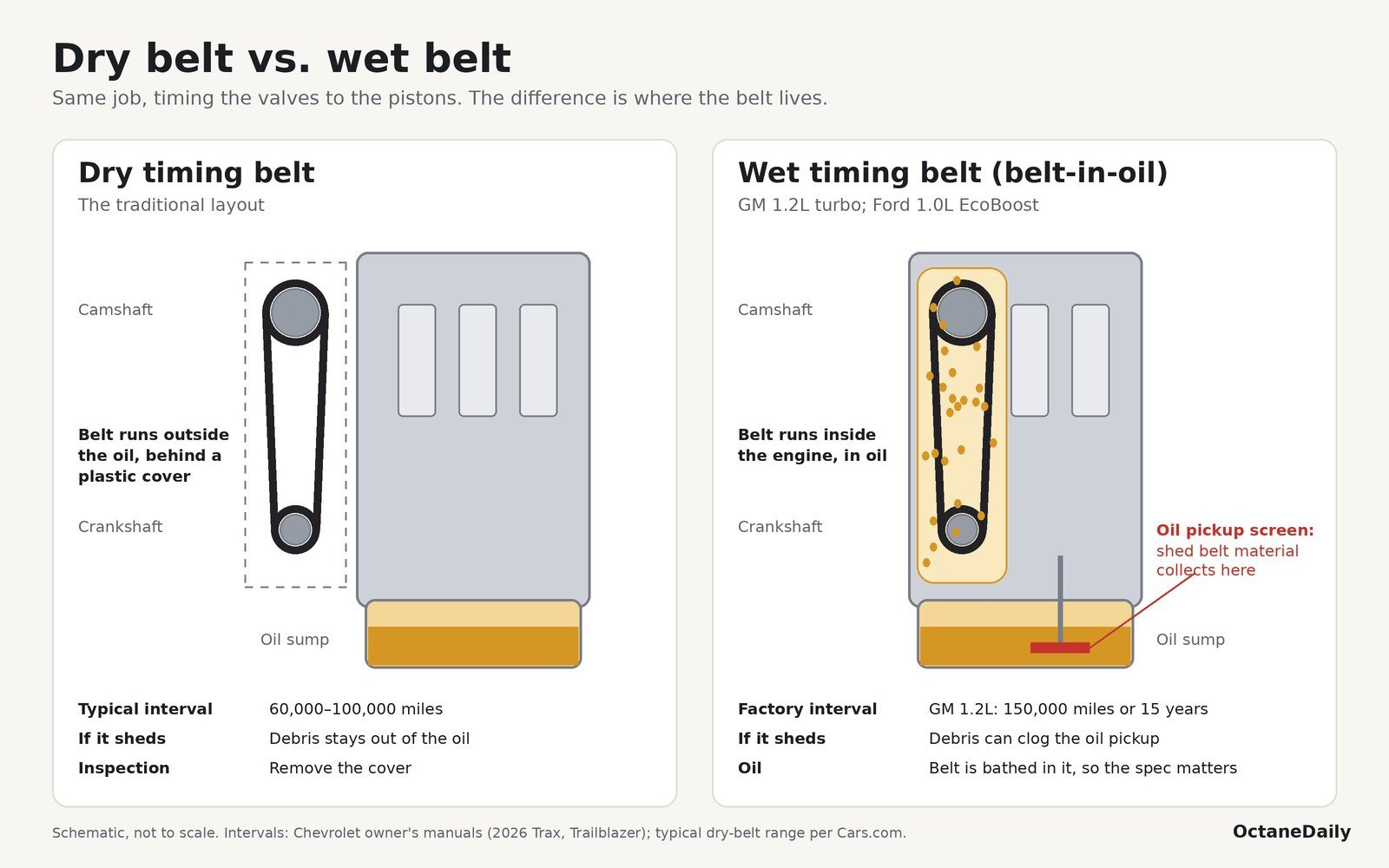
A timing belt keeps the camshafts in step with the crankshaft. A traditional belt runs dry behind a plastic cover on the outside of the engine. A wet belt, also called belt-in-oil, runs inside the engine and is bathed in engine oil, in the space where a timing chain would normally go.
The reason is friction. An SAE technical paper by MAHLE (2012-01-0427) puts the camshaft drive at roughly 5 to 10 percent of total engine friction. Belt supplier Continental claims up to 30 percent lower friction losses for its oil-running belts, along with less noise, and rates them for 240,000 km, or about 150,000 miles. That is the same figure GM and Ford print in their maintenance schedules.
The trade-off is where the wear goes. When a dry belt degrades, the debris stays outside the engine. When a wet belt degrades, the material ends up in the oil, and the oil pump draws from that same oil through a fine mesh screen.
Which U.S.-market engines have one
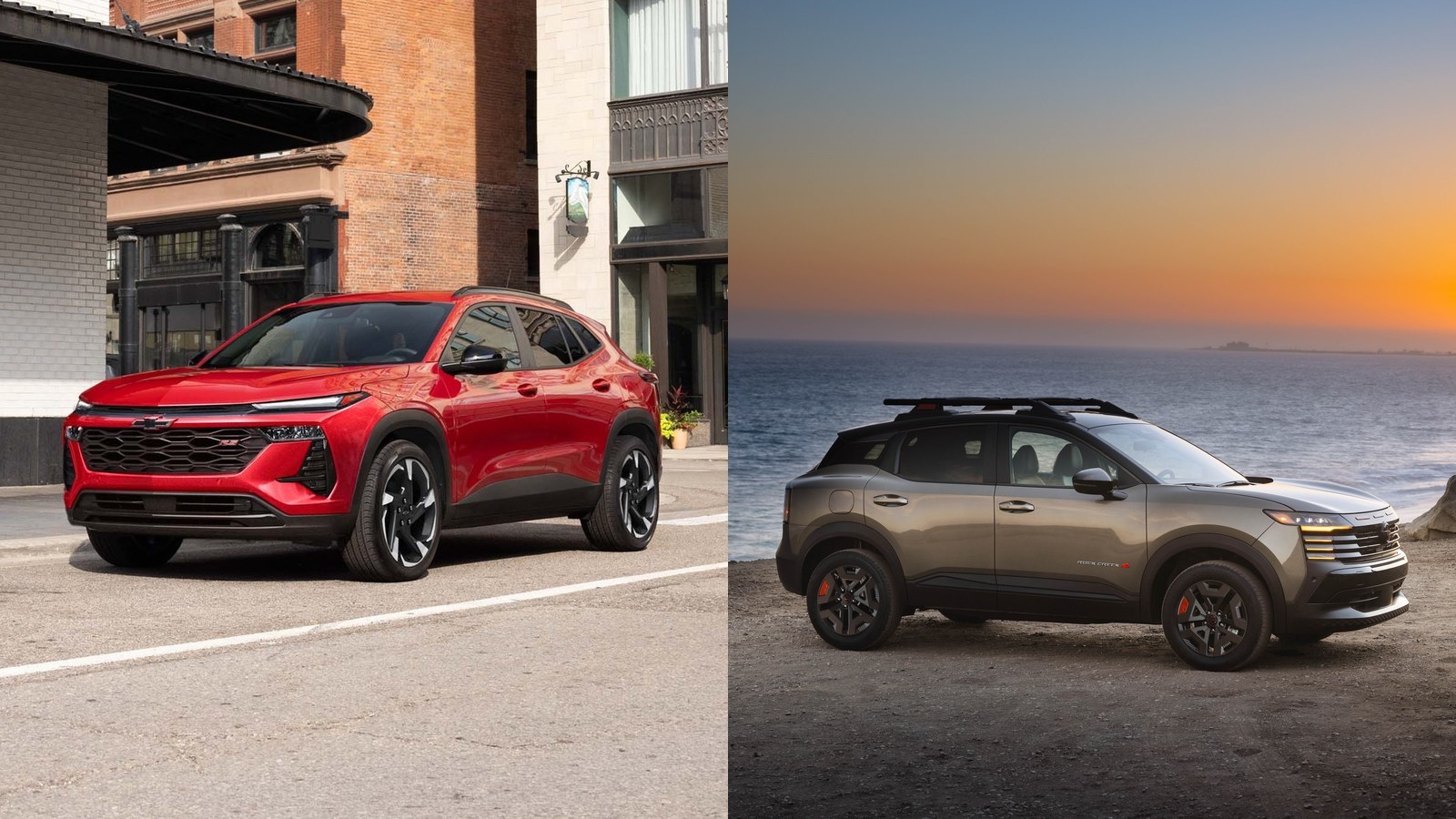
- GM 1.2-liter turbo three-cylinder (RPO code LIH; listed as LBP in 2026 manuals): Chevrolet Trax (2024 and newer), Chevrolet Trailblazer (2021 and newer), Buick Encore GX (2020 and newer) and Buick Envista. These sit at the bottom of our list of new cars under $25,000.
- GM 1.3-liter turbo (L3T), optional in the Trailblazer and Encore GX: not affected. The 2026 Trailblazer manual assigns the belt replacement to the 1.2 only; the 1.3 uses a timing chain.
- Ford 1.0-liter EcoBoost: 2014–2017 Fiesta, 2015–2018 Focus and 2018–2021 EcoSport. None is still sold new.
- Ford 1.5-liter EcoBoost three-cylinder (Escape, Bronco Sport): it depends on the year. The 2020 Escape and 2021 Bronco Sport owner's manuals list "Replace the timing belt (1.5L engine)" at 150,000 miles. That line is gone from the 2022, 2024 and 2026 Bronco Sport manuals we checked. Carscoops reports that the newer 1.5 uses a timing chain while its oil pump is still driven by a belt running in oil. We found no Ford statement on the changeover, so check the maintenance schedule in your own manual.
- Ford Maverick: not affected. It is not offered with the 1.5.
What the owner's manuals require
GM's 2026 Trax and Trailblazer manuals call for replacing both the timing belt and the oil pump drive belt at 150,000 miles or 15 years, whichever comes first. They also specify full-synthetic oil meeting GM's dexos1 standard in SAE 0W-20, changed when the oil life monitor asks and at least once a year. The manual warns that damage from the wrong oil is not covered by warranty, and it tells owners not to use oil additives or engine flushes. The specified grade has not been the same in every model year, so go by your own manual and the oil filler cap.
Ford's 2026 Bronco Sport manual specifies SAE 0W-20 oil meeting Ford specification WSS-M2C972-A1 for the 1.5 and caps oil changes at one year or 10,000 miles. For the 1.0-liter, Ford has already shortened the belt interval: on June 2, 2026, it told NHTSA it was cutting the original 150,000 miles to 100,000 miles or six years under a customer satisfaction program.
What is known about failures
Ford. NHTSA opened engineering analysis EA26004 on July 31, 2026, covering 135,551 Fiesta, Focus and EcoSport vehicles with the 1.0-liter engine. The agency's summary counts 355 incidents with no crashes or injuries. It found that belt material can degrade and clog the oil pump pickup screen, that the average failure came at about 70,000 miles, and that 98 percent of failures happened before the 150,000-mile interval. Two findings matter most to owners: failures occurred despite evidence of proper oil maintenance, and the screen cannot be inspected or cleaned without removing the engine. NHTSA said it believes there is "an unreasonable risk to motor vehicle safety." An engineering analysis is the step before a possible recall, and our Honda start-stop investigation explainer shows how that process runs.
GM. NHTSA's recall records for the 2021 Trailblazer and 2024 Trax show no belt-related campaign, and we found no open investigation of the 1.2-liter's belt. We searched NHTSA's complaint database for every model year of the Trailblazer, Encore GX, Envista and current-generation Trax. Out of roughly 1,100 complaints of all kinds, four mention the timing belt by name: three on 2021 Trailblazers, all filed since August 2026 and one citing a dealer diagnosis at 110,904 miles, and one on a 2024 Trax at about 44,000 miles. Complaints are unverified owner reports, and a keyword search undercounts, because many owners simply write that the engine failed.
GM has extended coverage on this engine before, for a different part. A special coverage bulletin filed with NHTSA covers turbocharger failures on 2020–2022 Encore GX and 2021–2022 Trailblazer models with the 1.2 for 15 years or 150,000 miles.
What owners should do
- Confirm your engine. Open the maintenance schedule. If it lists a timing belt replacement for your engine and there is no belt cover on the end of the engine, the belt runs in oil.
- Treat the oil spec as part of the belt. Use the exact specification and grade in your manual, change it when the monitor says so and never go past one year, and keep every receipt. Service records are what a warranty or goodwill claim will turn on.
- Stop for an oil pressure warning. NHTSA says Ford owners commonly saw a low oil pressure light just before losing power, and some reported no warning at all. Pull over and shut the engine off.
- Know your warranty. GM and Ford both cover the powertrain for five years or 60,000 miles. Owners of the Ford 1.0-liter who already paid for a belt-related engine repair should ask a dealer about Ford's reimbursement program.
- Budget for the belt job. The teardown's host estimated $1,200 to $1,500 for a belt service on the GM 1.2, per Motor1; Kelley Blue Book's estimator shows roughly $800 to $1,100 for a 2023 Trailblazer, depending on ZIP code. Our breakdown of AAA's ownership-cost figures shows where a bill like this fits in a yearly budget.
- Report failures. File a complaint at nhtsa.gov. Owner complaints are what prompted the Ford investigation.
What we don't know yet
- How often the GM 1.2's belt actually fails. There is no public failure-rate data, and one teardown plus four complaints does not establish one.
- Whether GM will shorten its 150,000-mile interval, as Ford did for the 1.0. GM has announced no change.
- Whether NHTSA's analysis ends in a Ford recall.
- Exactly when and why Ford's 1.5 lost its timing belt entry in the U.S. manuals.