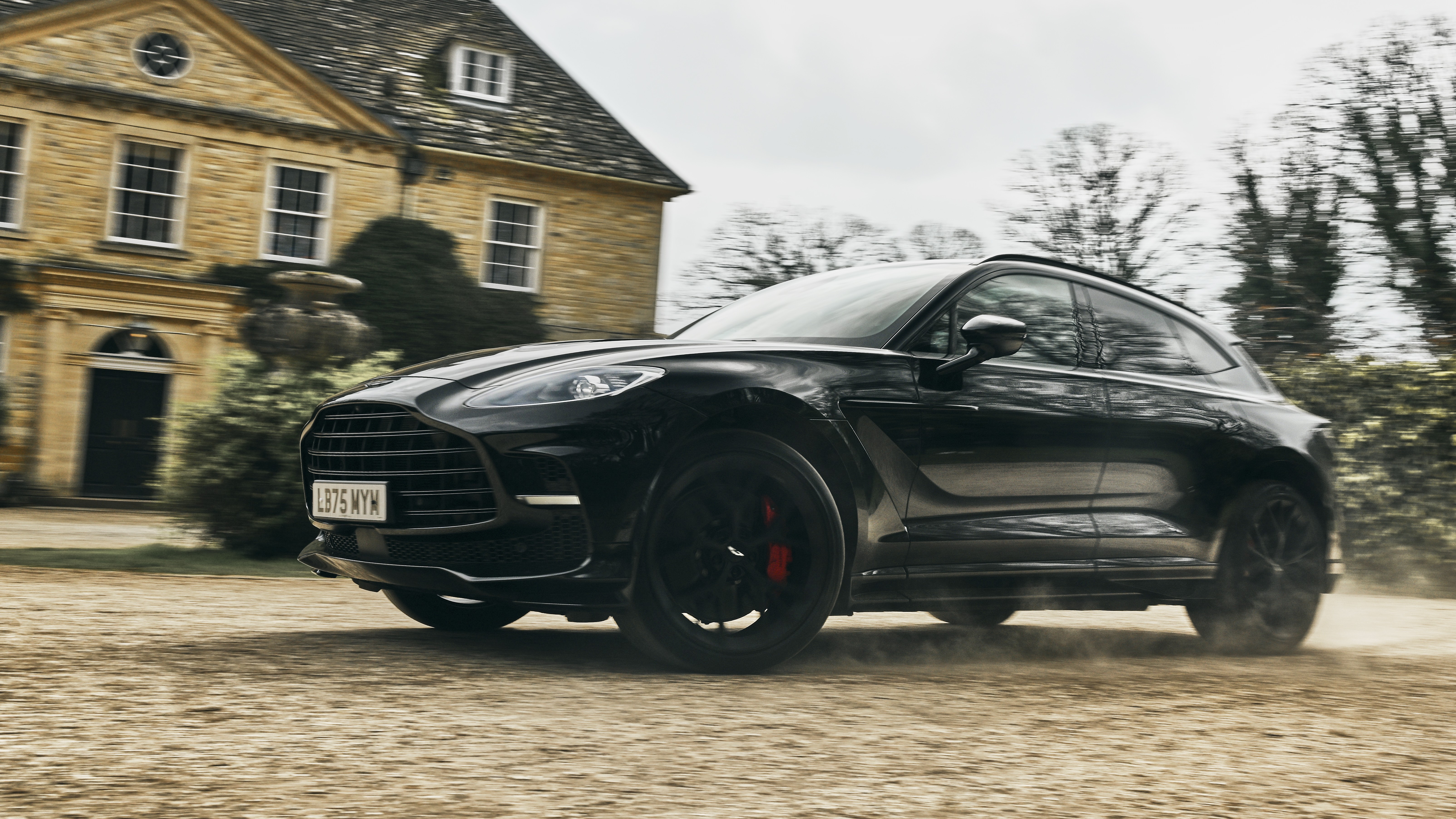
Aston Martin DBX GT Trades Aggression for Calm — and Keeps All 717 HP
The new luxury-focused DBX shares the DBX S's Valhalla-derived V8 and 193-mph top speed, but adds memory-foam seats, a quieter cabin, and a softer chassis tune.
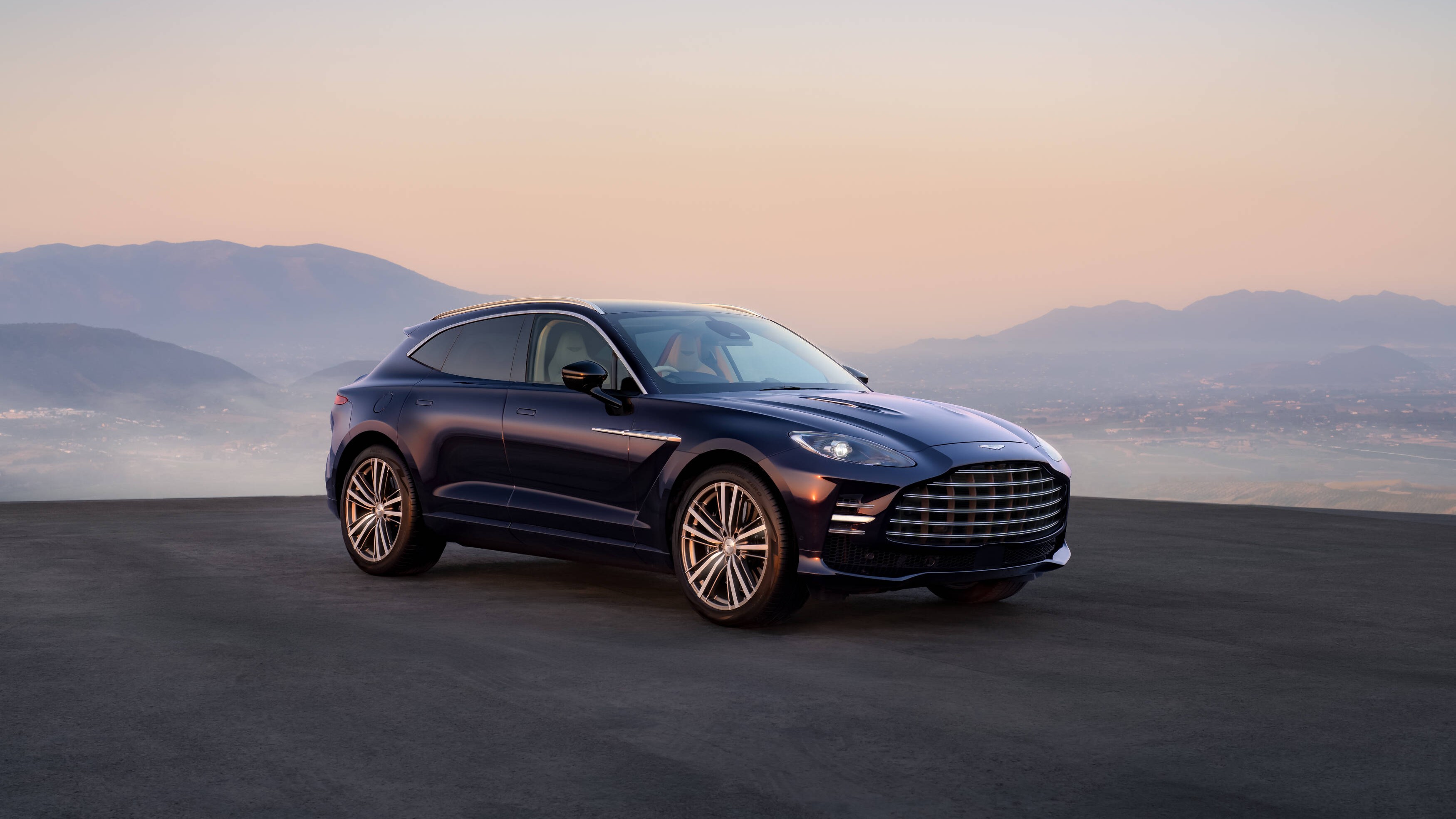
Aston Martin has given its fastest SUV a second personality. The new DBX GT keeps the 717-hp twin-turbo V8 of the DBX S but trades that model's aggressive styling for plusher seats, a quieter cabin, and suspension tuned for broken pavement. First deliveries are scheduled for the fourth quarter of 2026.
The GT is the second new DBX derivative in about a year, following the S, and fits CEO Adrian Hallmark's plan to spin more variants off existing models, a strategy CAR Magazine noted when the S launched. The DBX has stayed in the spotlight off the road, too, as Tom Hardy's Aston Martin DBX in MobLand Season 2.
Same engine, different tune
Under the hood, nothing is lost. The 4.0-liter V8 uses turbochargers derived from the Valhalla supercar and makes 717 hp (727 PS) and 664 lb-ft (900 Nm). Aston quotes 0–60 mph in 3.1 seconds and a 193-mph top speed, identical to the S. The carbon-ceramic brakes (16.5-inch front, 15.4-inch rear discs) and quicker steering ratio also carry over.
The differences are in the calibration. A new internal damper valve targets high-frequency, low-amplitude vibration from coarse asphalt and rumble strips. A stiffer transmission mount bushing, developed from Valhalla work, plus two new dampers linking the body to the rear subframe are meant to calm big impacts such as deep potholes. Throttle response and the nine-speed wet-clutch automatic's shifts have been smoothed, and a dedicated GT exhaust mode keeps the V8 quiet until the driver selects Sport or Sport+.
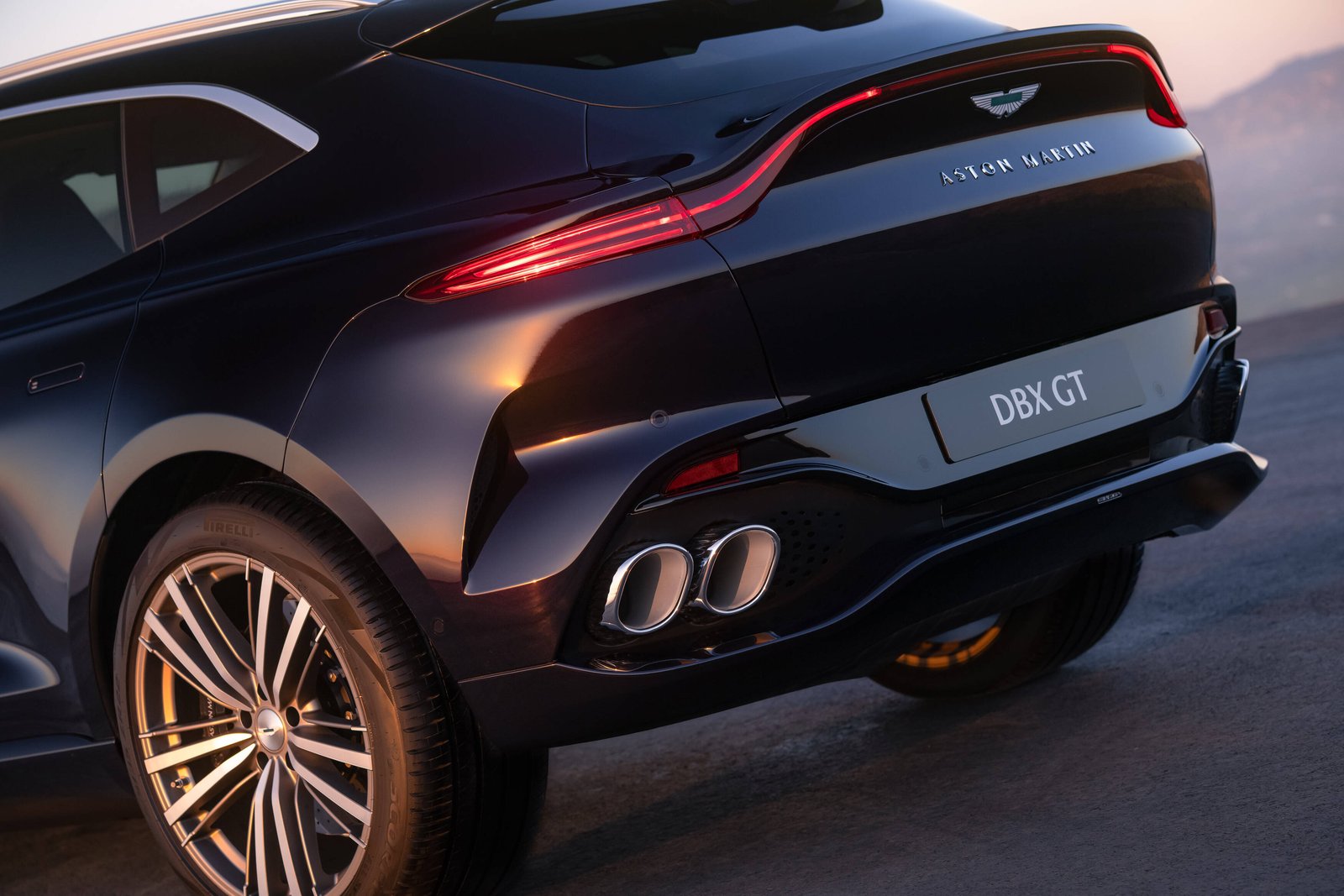
Standard wheels are 22-inch forged rims on Pirelli Scorpion Zero all-season tires; 23-inch wheels remain optional. Extra sound deadening, acoustic laminated rear side glass, and tighter body sealing deliver what Aston says is a 13% gain in Articulation Index, an industry metric for how easily occupants can hold a conversation on the move.
Softer seats, smarter details
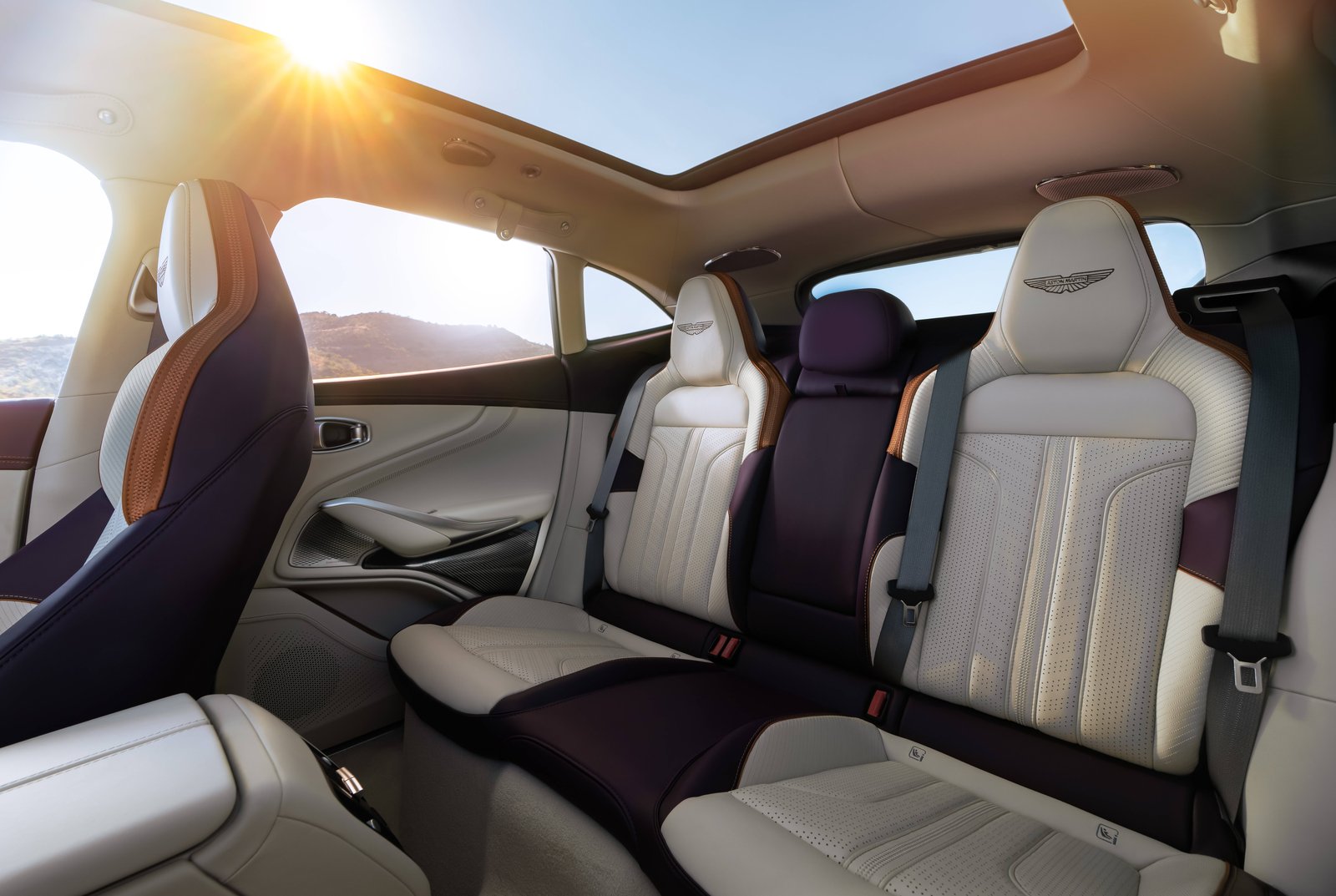
Both rows get new seats with a 10-mm (0.4-inch) memory-foam layer and reshaped bolsters. In back, two individually sculpted outboard seats replace the conventional bench, though the GT still carries five. A panoramic glass roof is standard. Aston says each front seat takes more than four and a half hours to build, using 691 meters (about 2,267 feet) of thread and 3,297 perforations.
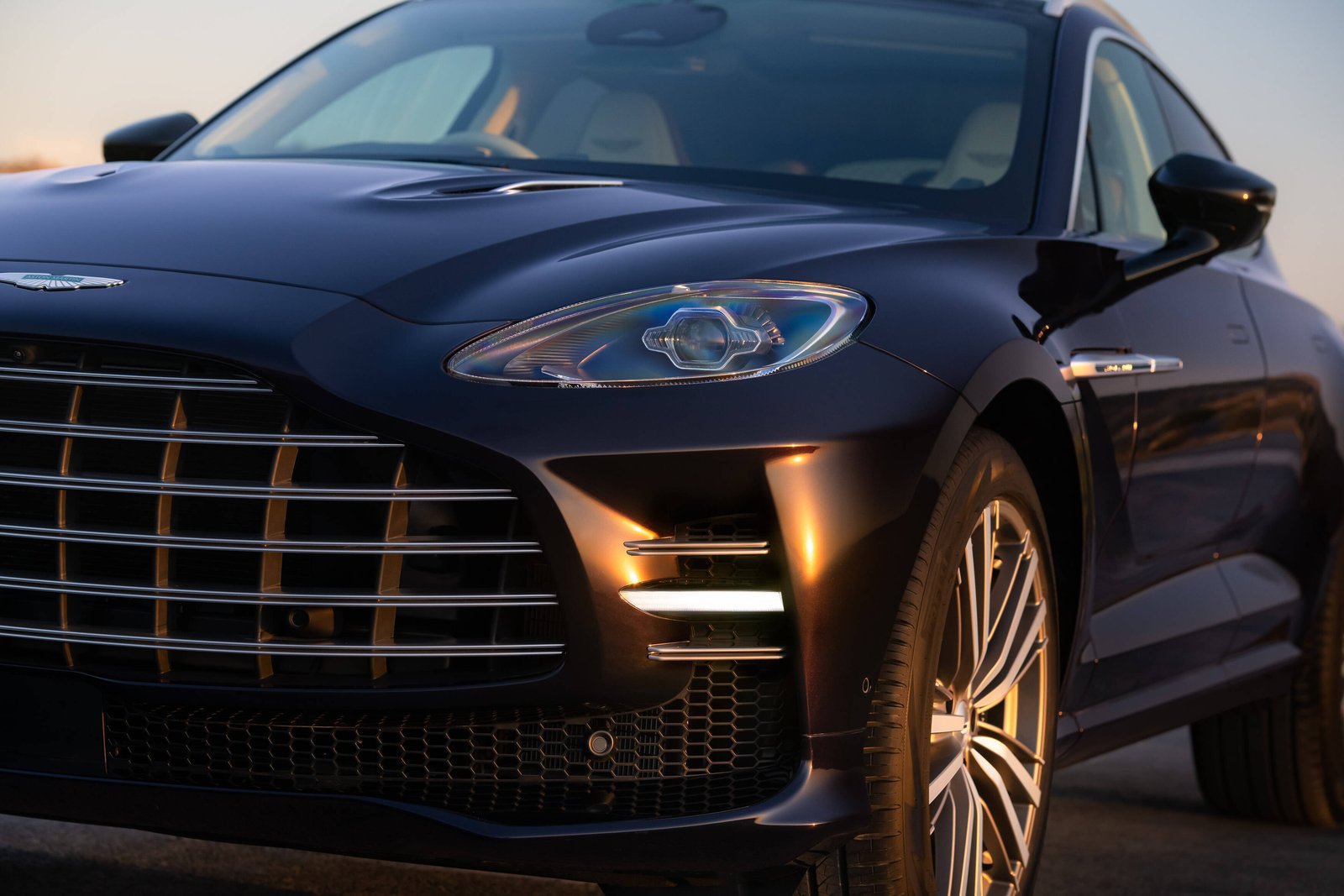
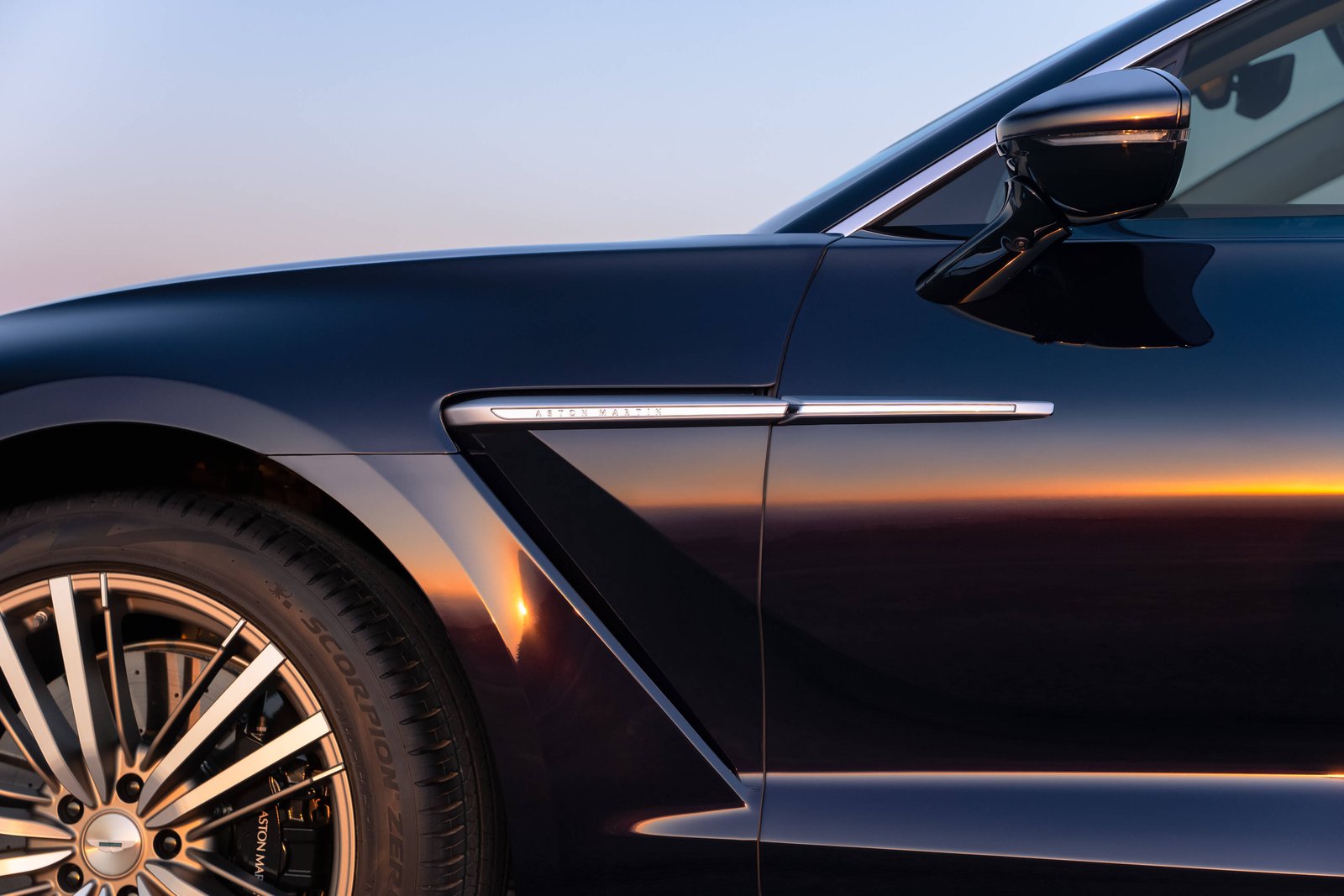
Outside, a double-vane grille extends into the outer vents and daytime running lights, a two-piece metal side strake mixes polished and satin finishes, and the lower bumper, sills, and diffuser are body-colored. The quad exhaust tips sit side by side, while the S uses vertically stacked pipes.
Why the GT matters
Aston calls the GT and S the world's most powerful pure internal-combustion SUVs, and the "pure" qualifier is doing real work. When the S launched, Autocar noted it narrowly outpunched the Ferrari Purosangue, while Lamborghini's plug-in hybrid Urus SE makes 789 hp combined.
The GT, though, isn't chasing numbers. Hallmark says it targets buyers who favor "assured elegance over sporting aggression," which puts it closer in spirit to comfort-first rivals at a time when Bentley has just shown its Bentley Torcal electric SUV.
Aston hasn't announced pricing for any market, and fuel-economy figures are still awaiting homologation. The company hasn't said when either will be published.