BMW's iX5 Hit 460 kW in a Charging Demo. No U.S. Network Offers That Yet
The electric X5 can take far more power than any public charger in the U.S. delivers today. Here's what that means for buyers in 2027.
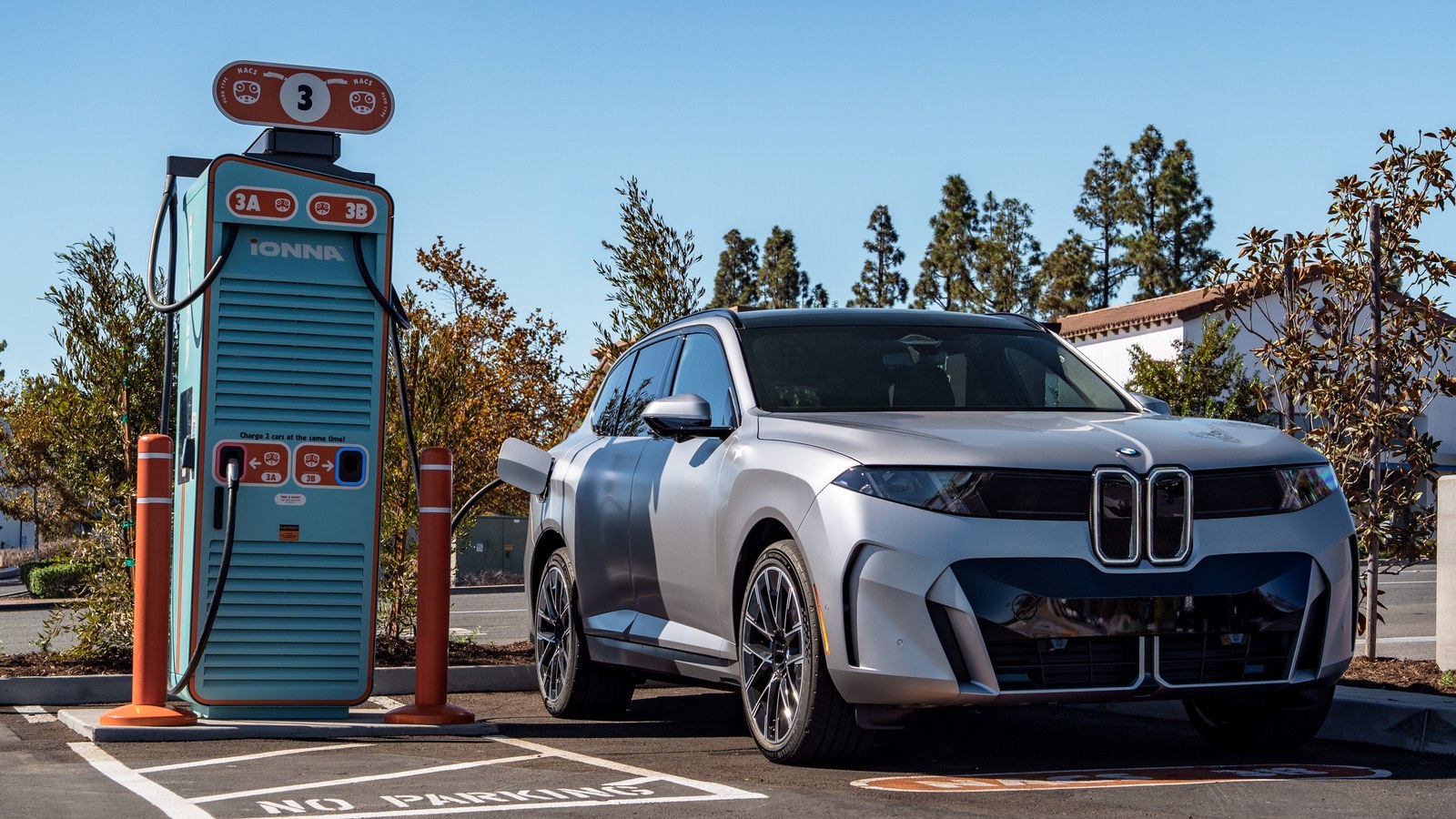
BMW pushed up to 460 kW into a new iX5 60 xDrive at a media event in Southern California on Oct. 20, a rate the company says can add up to 170 miles of range in 10 minutes. The catch sits near the bottom of BMW's own announcement: the 460-kW setup is a technology demonstration, not charging hardware that U.S. drivers can use today.
The iX5 is the first battery-electric version of the X5, and it arrives at U.S. dealers in the first quarter of 2027. We covered the SUV's X5 and iX5 accessory catalog last month; this is the first time BMW has shown what its charging hardware can do in public.
What BMW showed
The demo car runs BMW's sixth-generation eDrive system, the 800-volt hardware that debuted in the iX3. Its cylindrical cells hold 20% more energy for their size than the prismatic Gen5 cells they replace, according to BMW.
The iX5 60 xDrive carries a 144-kWh (net) battery. BMW estimates the 170-miles-in-10-minutes figure and a 10-to-80% charge in 22 minutes, both based on its own testing using EPA procedures. Neither number has been confirmed by the EPA.
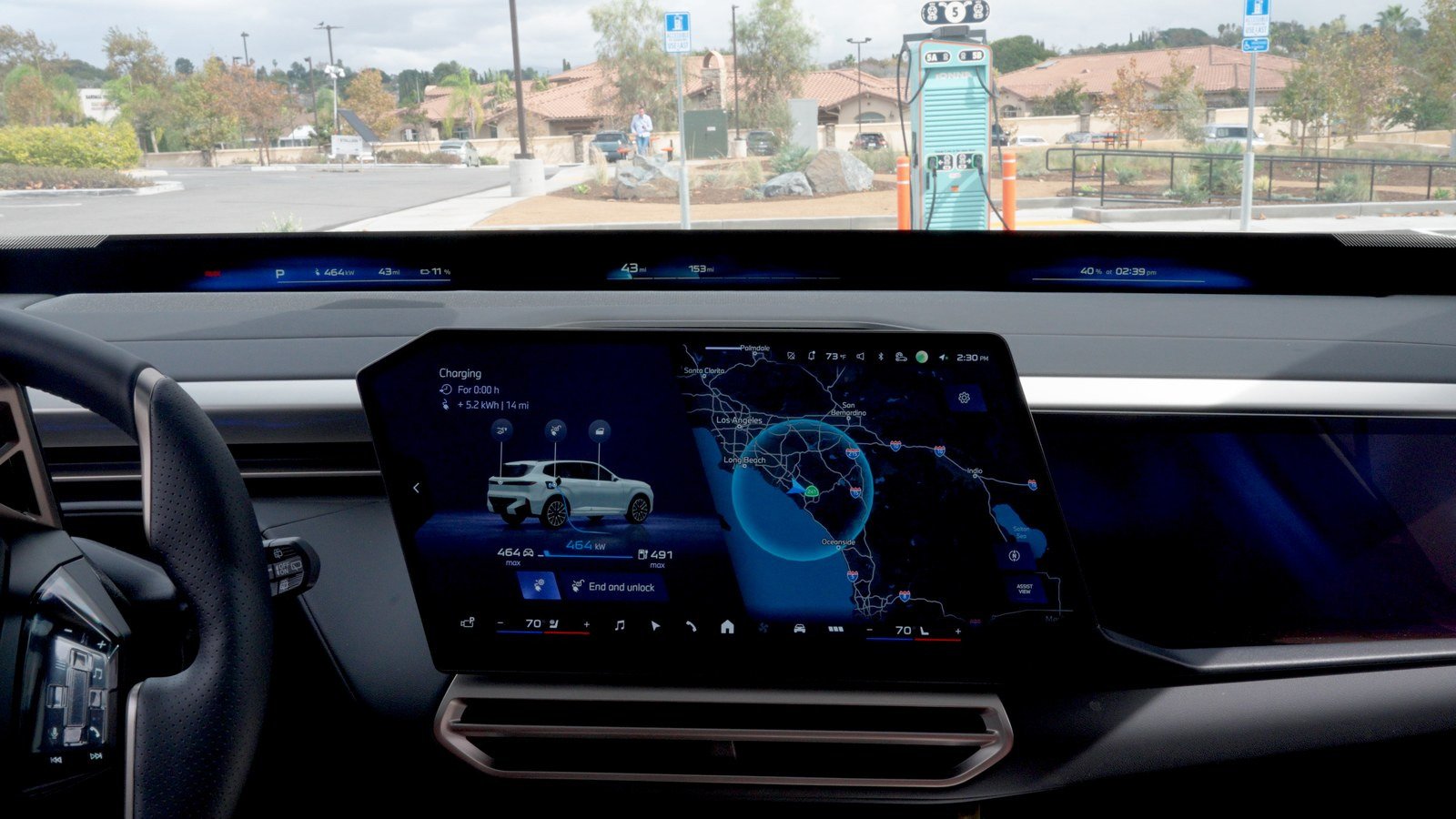
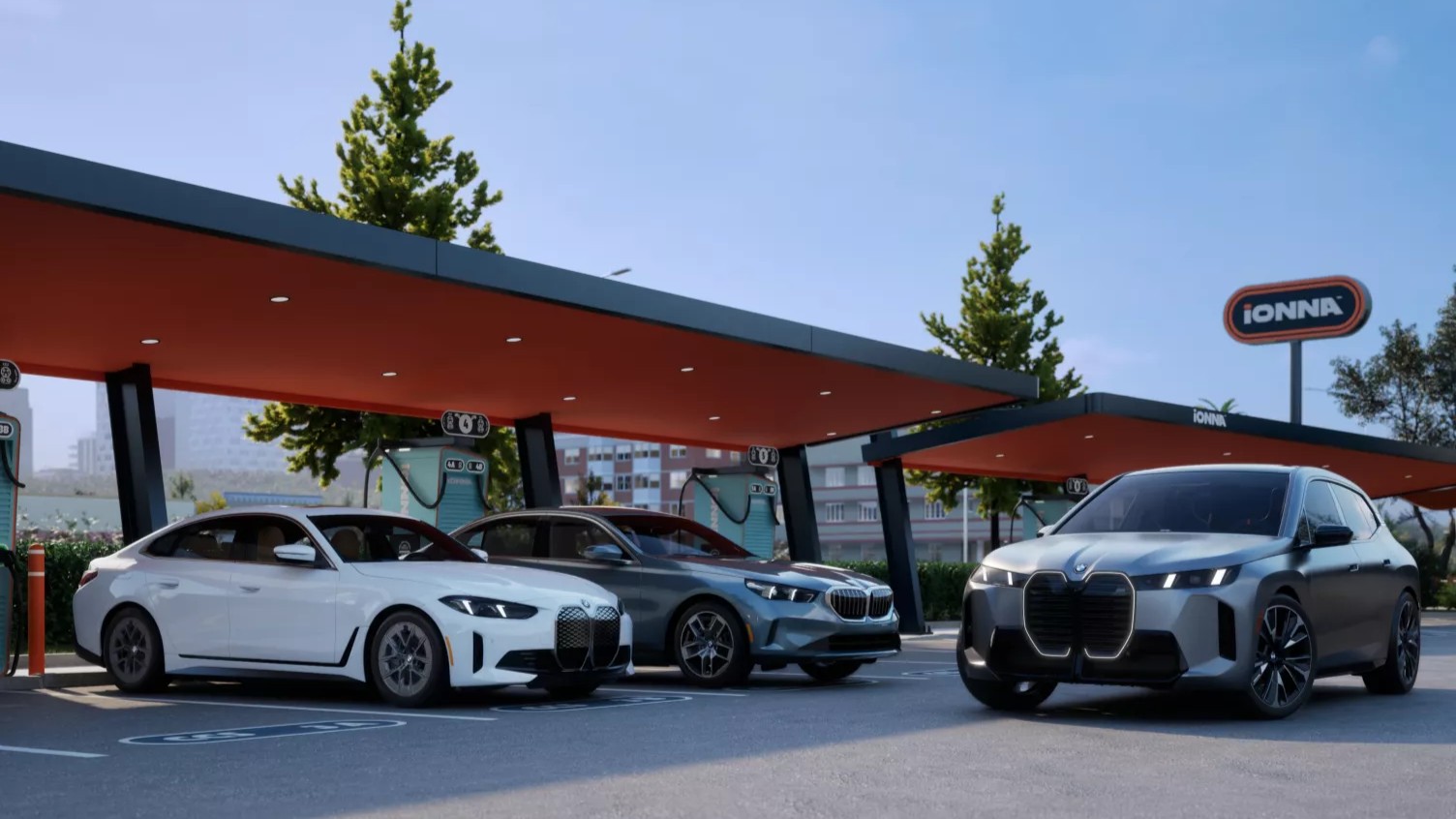
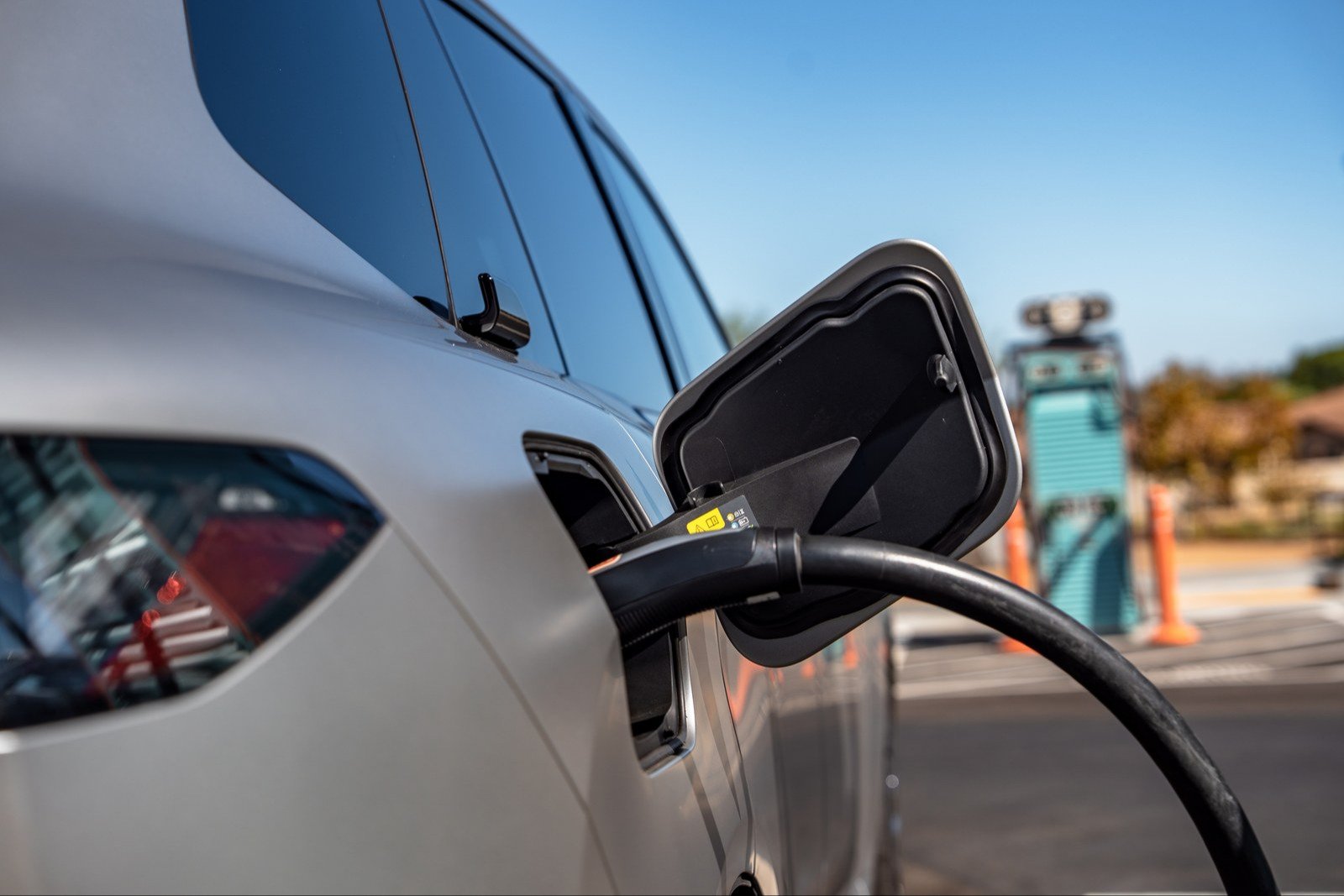
The charger came from Alpitronic, the Italian hardware maker that has worked with BMW for years, and the event was staged with IONNA, the automaker-owned fast-charging network. IONNA also says eligible BMW drivers will get charging discounts, but it hasn't said how large they are or who qualifies.
What iX5 buyers will actually get
IONNA's sites use connectors rated at up to 400 kW, as we noted when the network passed 180 U.S. locations. That leaves the iX5 60 kW short of its demo peak on the network that staged the demo. BMW hasn't said what peak the iX5 reaches on 400-kW hardware, or whether its 22-minute estimate assumes a 460-kW charger.
The gap may matter less than the headline number suggests. Adding 70% of a 144-kWh pack in 22 minutes works out to an average of roughly 275 kW across the session by our math, well below 400 kW. How much time the missing peak power costs in practice is something only real-world testing will show.
The closest reference point is BMW's own smaller SUV. The U.S.-spec iX3 uses the same Gen6 hardware, charges at up to 400 kW, and goes from 10 to 80% in 21 minutes.
The iX5 60 xDrive starts at $79,800 plus a $1,450 destination fee, with a BMW-estimated range of up to 435 miles. For an SUV at that price, 400-kW charging is already near the top of what the U.S. market offers. The 460-kW figure is a promise about the car, not about the network, and IONNA hasn't said when, or whether, hardware that fast will reach its sites.