Cadillac's F1 Seats Are Made of Flax, Not Carbon Fiber — Here's Why
A new What Makes Fast episode follows Valtteri Bottas's bespoke seat from a foam pour coordinated out of Charlotte to a flax-fiber shell built near Silverstone.
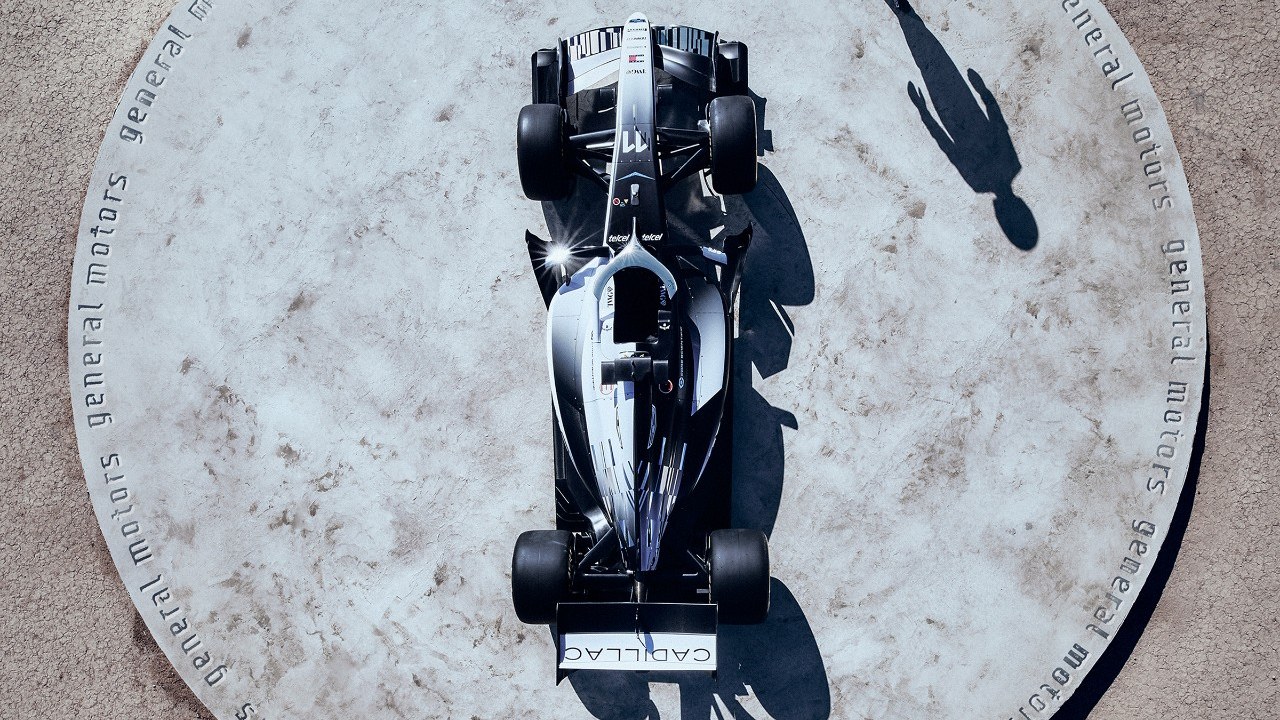
The newest team in Formula 1 is also doing something slightly unusual with one of the most personal parts of its cars. In the latest episode of its What Makes Fast video series, the Cadillac Formula 1 Team shows how it builds a bespoke seat for Valtteri Bottas — and reveals that the shell isn't carbon fiber at all, but a woven, flax-based natural fiber.

According to the team, flax does a better job than carbon of isolating the driver from the car's vibrations. That trade matters more than it sounds: an F1 seat has to grip the driver firmly enough to brace against cornering and braking loads, yet stay tolerable for a full race distance. Too loose, and the driver burns energy fighting the car; too tight, and two hours in the cockpit turns painful.
The build starts with the driver's own body. Bottas sits in the chassis on top of a plastic bag while a technician pours in a liquid mix that cures into a rigid foam around him. That foam buck is then measured precisely and turned into a digital model. Cadillac coordinates the whole process from GM's Charlotte Technical Center in North Carolina, while the finished seat is laid up at the team's U.K. base next to the Silverstone Circuit — a neat snapshot of how the transatlantic operation actually functions.

Flax in an F1 cockpit isn't a first, though. McLaren and Swiss supplier Bcomp introduced the sport's first natural-fiber composite seat back in 2020, for Carlos Sainz and Lando Norris. The pitch then was similar: strength and stiffness comparable to carbon fiber, better vibration damping, and a roughly 75 percent smaller CO2 footprint for the part. Flax composites also fail more gracefully — they bend and stay in one piece rather than shattering into sharp carbon shards. Cadillac hasn't said whose fiber it uses, but the difference here is that F1's newest team treats the material as its default, not an experiment.
The episode ends where every seat program does: with the driver's verdict. Bottas tried the new seat in the garage during the British Grand Prix weekend at Silverstone in July, told the engineers what pinched and what didn't, and the seat went back to the factory for material to be added and shaved. The revised version went straight into the car for Free Practice 1 that same weekend. The full episode is on Cadillac's YouTube channel.