Europe Just Got a $20,800 EV Built Outside China. Here's Why America Still Doesn't Have One
The second-generation Spring starts under €20,000, moves production from China to Slovenia, and lands about $8,200 below the cheapest EV in a U.S. showroom. Dacia has no plans to sell it here.
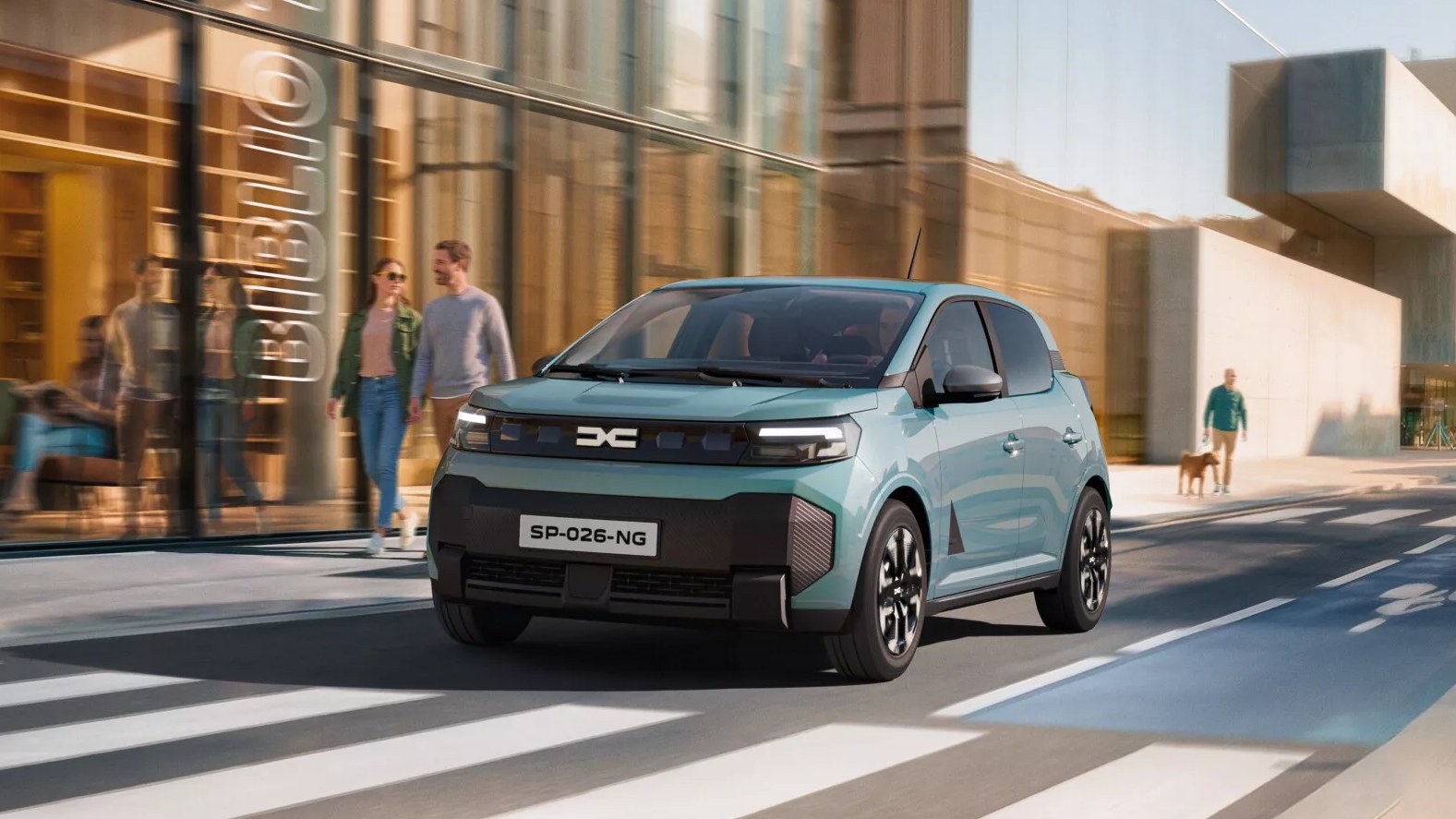
Dacia's second-generation Spring goes on sale in Europe this week at a starting price the company says will stay below €20,000 in every market — roughly $23,200 at current exchange rates, and closer to $20,800 in Italy, where the base car lists at €17,900. It is built in Slovenia rather than China. And it is not coming to the United States, where the cheapest new EV on sale today costs $28,995.
Those numbers frame the story for American readers. Europe's budget-EV leader has relaunched its cheapest model at a price no U.S. showroom can approach, and it did so by moving production out of China — the outcome Washington has been chasing with tariffs.
What Dacia announced
The new Spring rides on Renault Group's RG-EV small platform — the same one under the revived Renault Twingo, per Reuters — and is 18 cm (7.1 inches) wider than the outgoing car, according to Dacia's press kit. Assembly moves to the group's plant in Novo Mesto, Slovenia. The previous Spring, which has sold more than 210,000 units in over 40 countries since 2021, was imported from China.
Dacia hasn't published a European price list in the global press kit. The sub-€20,000 figure comes from the company's launch statements, and the Italian pricing — €17,900 for the base car and €19,500 for the better-equipped version — was reported by Motor1. Orders opened Tuesday in France and Switzerland, according to AFP. Dacia hasn't given a delivery timeline.
The dollar figures here use the European Central Bank's reference rate of $1.1622 per euro from September 7. They are conversions, not prices: European stickers include value-added tax, which U.S. window stickers leave out, so a like-for-like gap would be wider still.
The China angle
Dacia's materials don't say why production moved. Reuters reported that European assembly makes the car eligible for France's income-tested EV subsidy, which excludes Chinese-built cars and had shut the old Spring out of its biggest market. Automotive News framed the launch as Dacia bracing for cheap Chinese EVs entering Europe, and reported CEO Katrin Adt saying the brand can hold them off without cutting prices.
"Built in Europe" doesn't mean a European supply chain, though. AFP reported that the motor comes from China's Shanghai E-Drive and the battery from CATL's Chinese plants for now, with Adt saying CATL's Hungarian factory should take over in early 2027.
What $20,800 buys
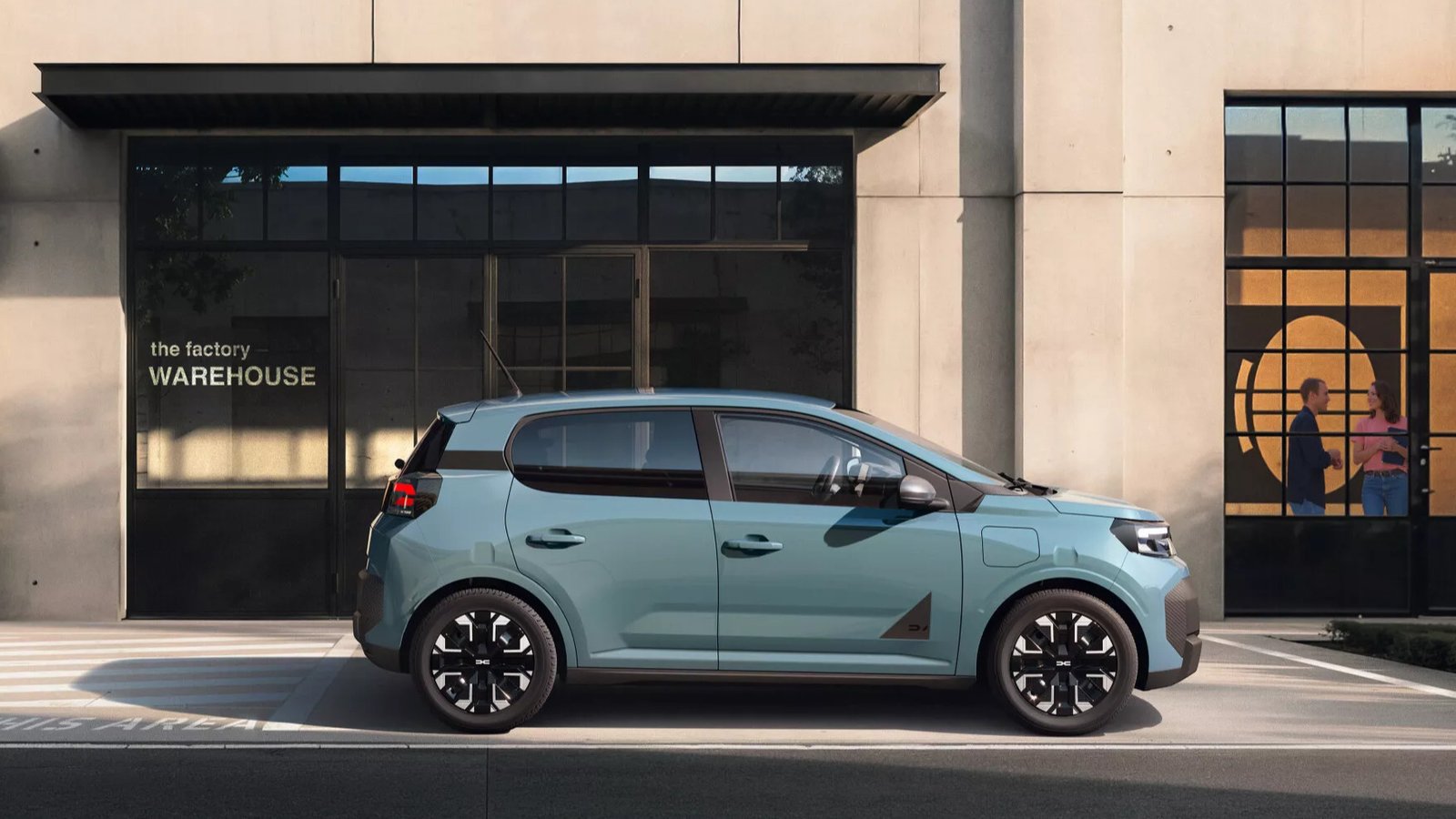
- Motor: 60 kW (80 hp) and 175 Nm (129 lb-ft); 0–62 mph (0–100 km/h) in 12.1 seconds; top speed 81 mph (130 km/h).
- Battery: 27.5 kWh usable, lithium iron phosphate; up to 155 miles (250 km) on Europe's WLTP cycle, which runs more optimistic than an EPA rating would.
- Charging: 6.6 kW AC standard; an optional pack adds 11 kW AC and 50 kW DC, good for 15 to 80 percent in 28 minutes.
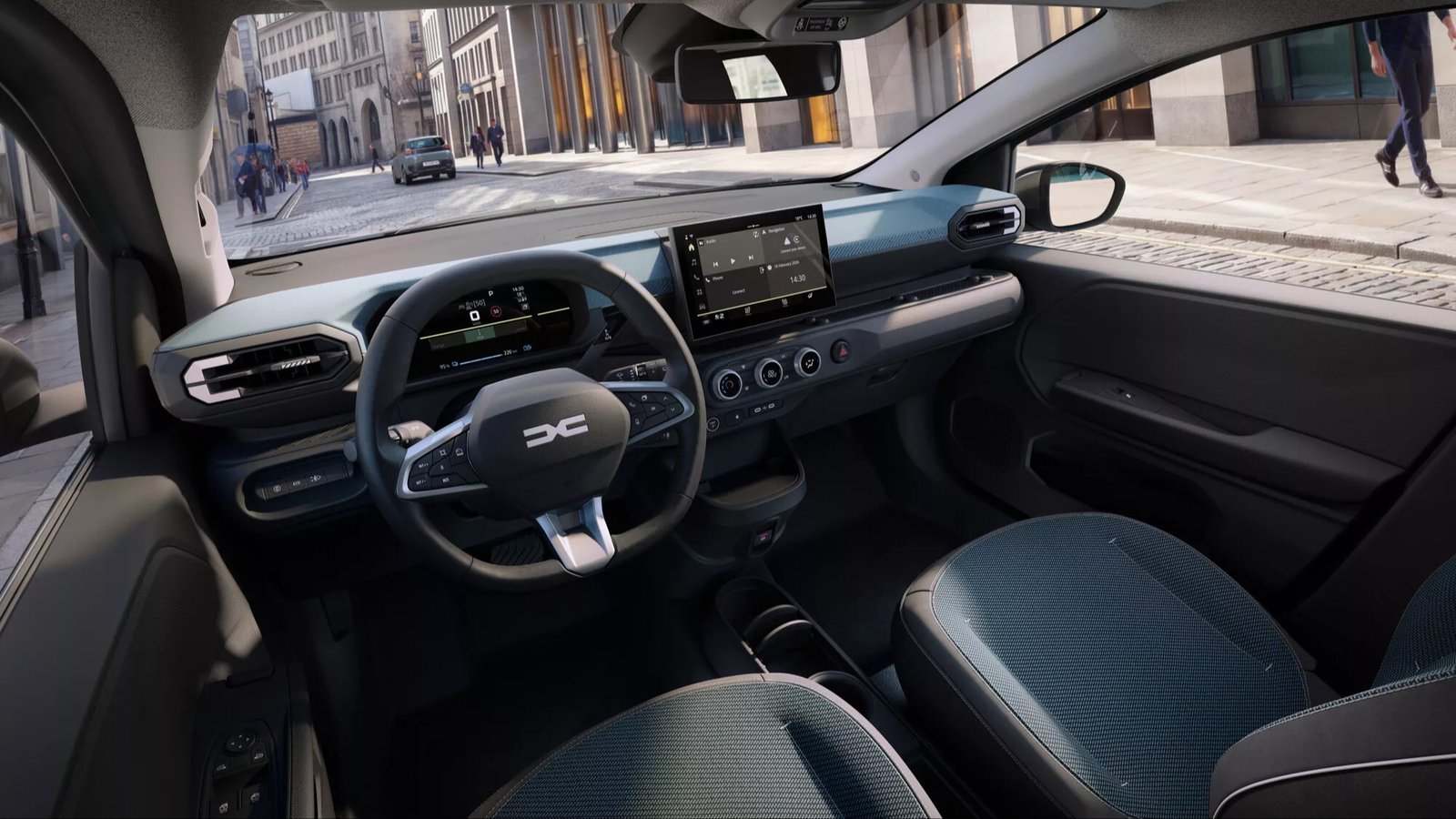
- Size and cabin: about 151.6 inches long and 68.5 inches wide, with an 11.9-cubic-foot trunk, per Motor1; a 7-inch digital cluster is standard, and the upper trim gets a 10.1-inch touchscreen with wireless CarPlay and Android Auto.
The car America can't buy
The Spring is not coming to the United States. Dacia doesn't sell here and has announced no plan to, and nothing about an 80-hp city car with a 27.5-kWh battery fits the way EVs are marketed in this country.
The price contrast is still worth a look. Chevrolet calls the 2027 Bolt LT, at $28,995 including destination, America's most affordable EV; it has been in dealerships since January. The 2026 Nissan Leaf S+ is $29,990 plus $1,495 destination, or $31,485. Slate's stripped-down electric pickup is priced at $24,950 plus a $1,450 destination fee the company confirmed to InsideEVs, for $26,400 — but Slate is still taking preorders, and its site talks about delivery windows filling, not trucks shipping. Against the Italian Spring, that is a gap of roughly $8,200 to the Bolt, $5,600 to the Slate, and $10,700 to the Leaf. The $7,500 federal EV tax credit that used to narrow such gaps expired on September 30, 2025.
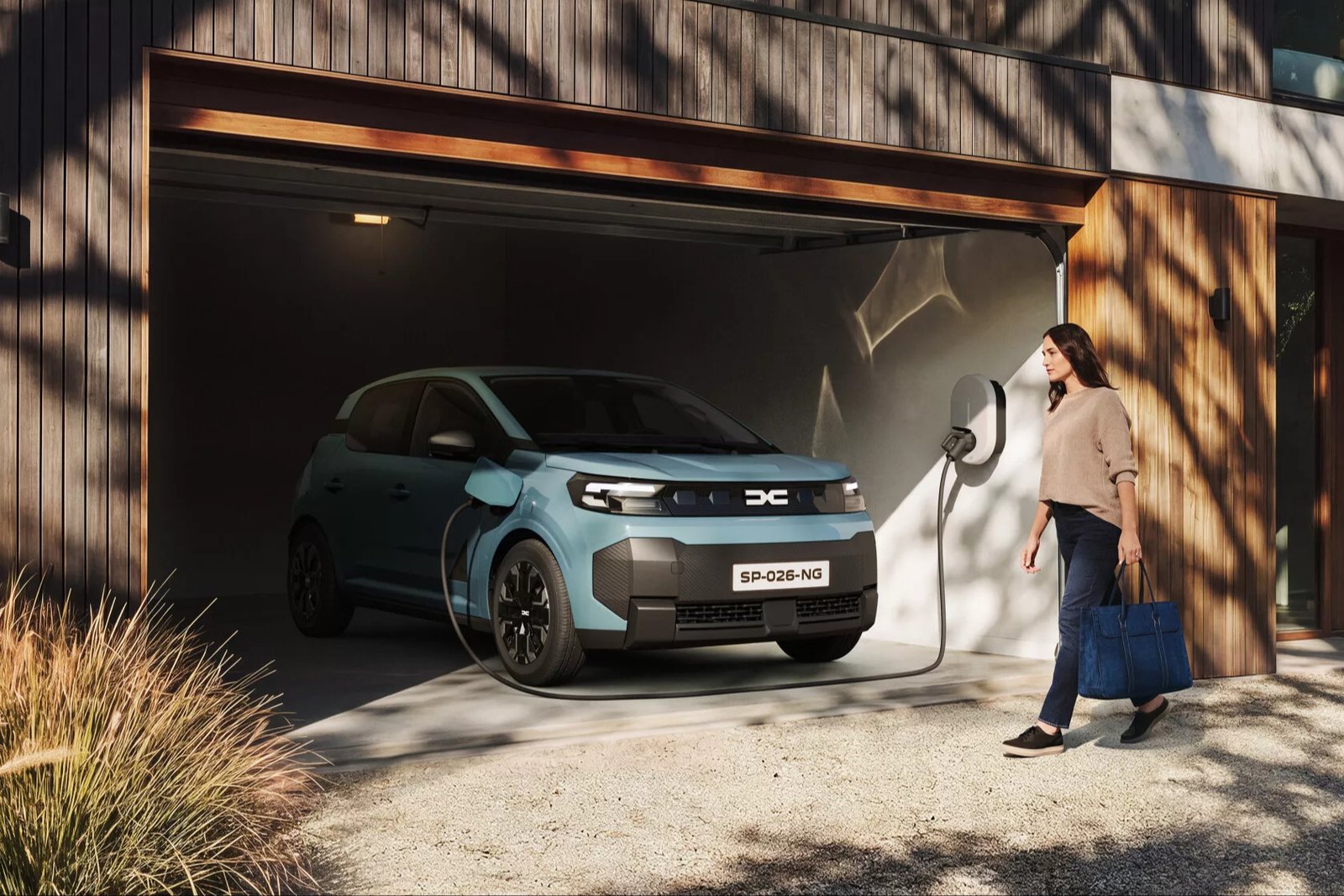
Dacia's own data also answers a familiar American objection — that a small battery makes a car useless. The company says owners of the first Spring average 21 miles (34 km) a day at an average speed of 21 mph, and charge at home 75 percent of the time. On that pattern, a 155-mile car needs plugging in about once a week.
What Dacia hasn't said: when European deliveries begin, what the car weighs, or whether it can power external devices. The Spring is the first of four electric Dacias promised by 2030, so the next data point is whether €17,900 holds outside Italy once national price lists appear.