Renault Revives the 8 Gordini as an Electric Two-Seater It Won't Sell
The one-off keeps the 1964 original's rear-drive layout and twin white stripes, debuts at the Paris Motor Show next month, and is headed for Renault's museum, not showrooms.
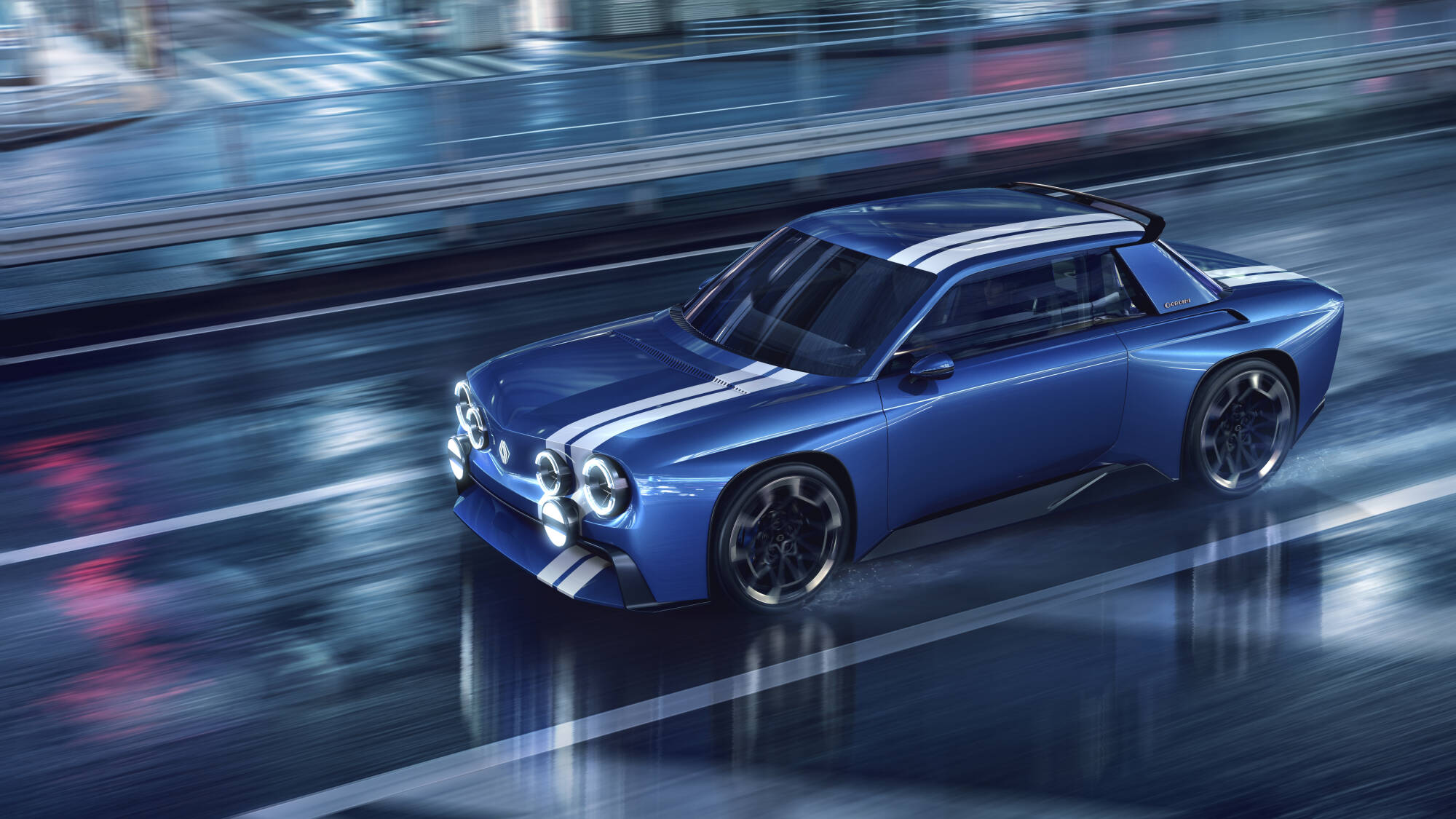
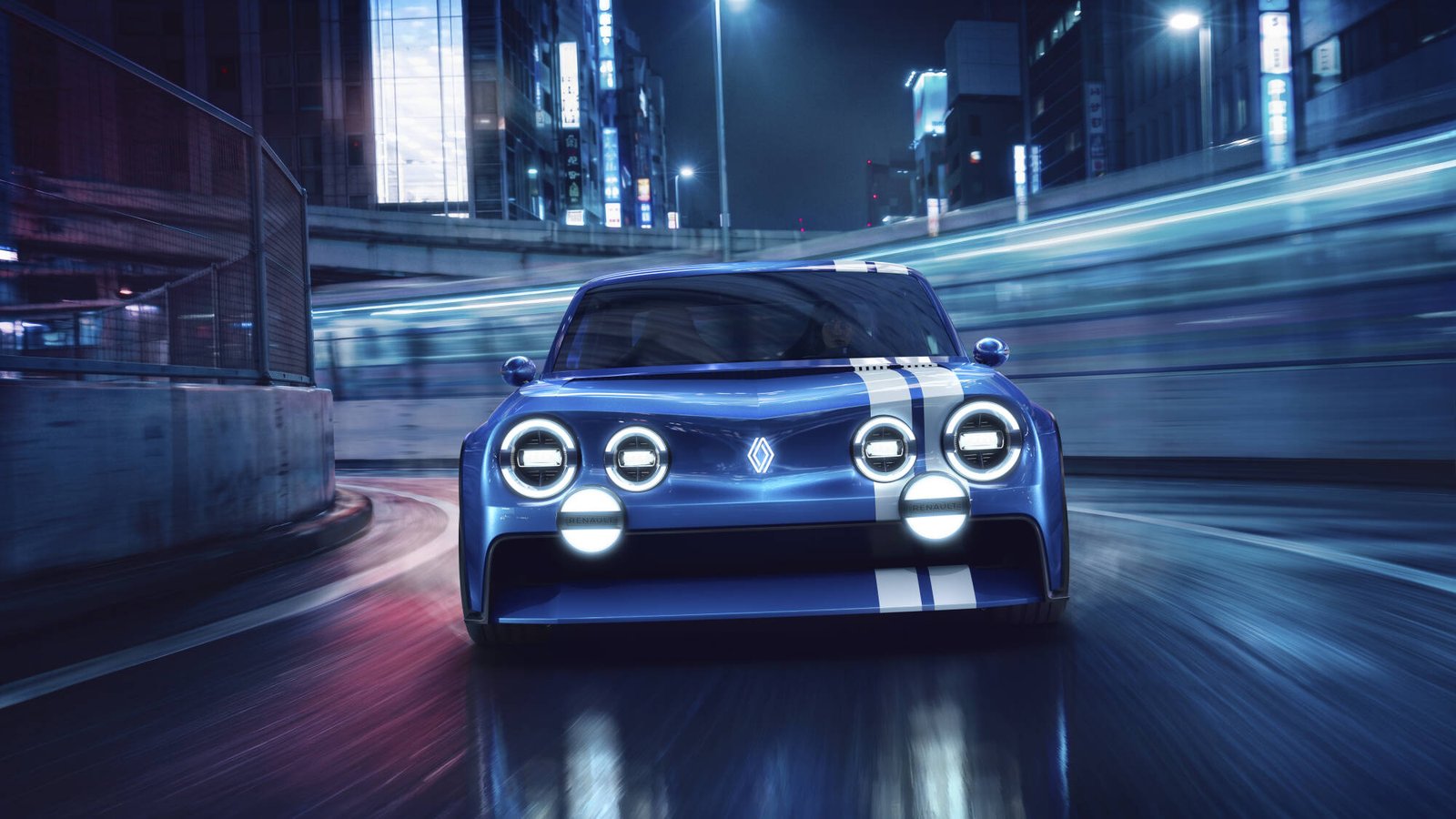
Renault has turned the 8 Gordini, the blue, double-striped sedan that taught a generation of French rally drivers their craft, into a low, wide, two-seat electric coupe. The Renault 8 Gordini Concept keeps the original's defining trait: its power goes to the rear wheels. It's also strictly a one-off, and Renault says it won't be sold.
The car was revealed Sept. 24 in Paris and will move to Renault's stand at the Paris Motor Show, which runs Oct. 12–18.
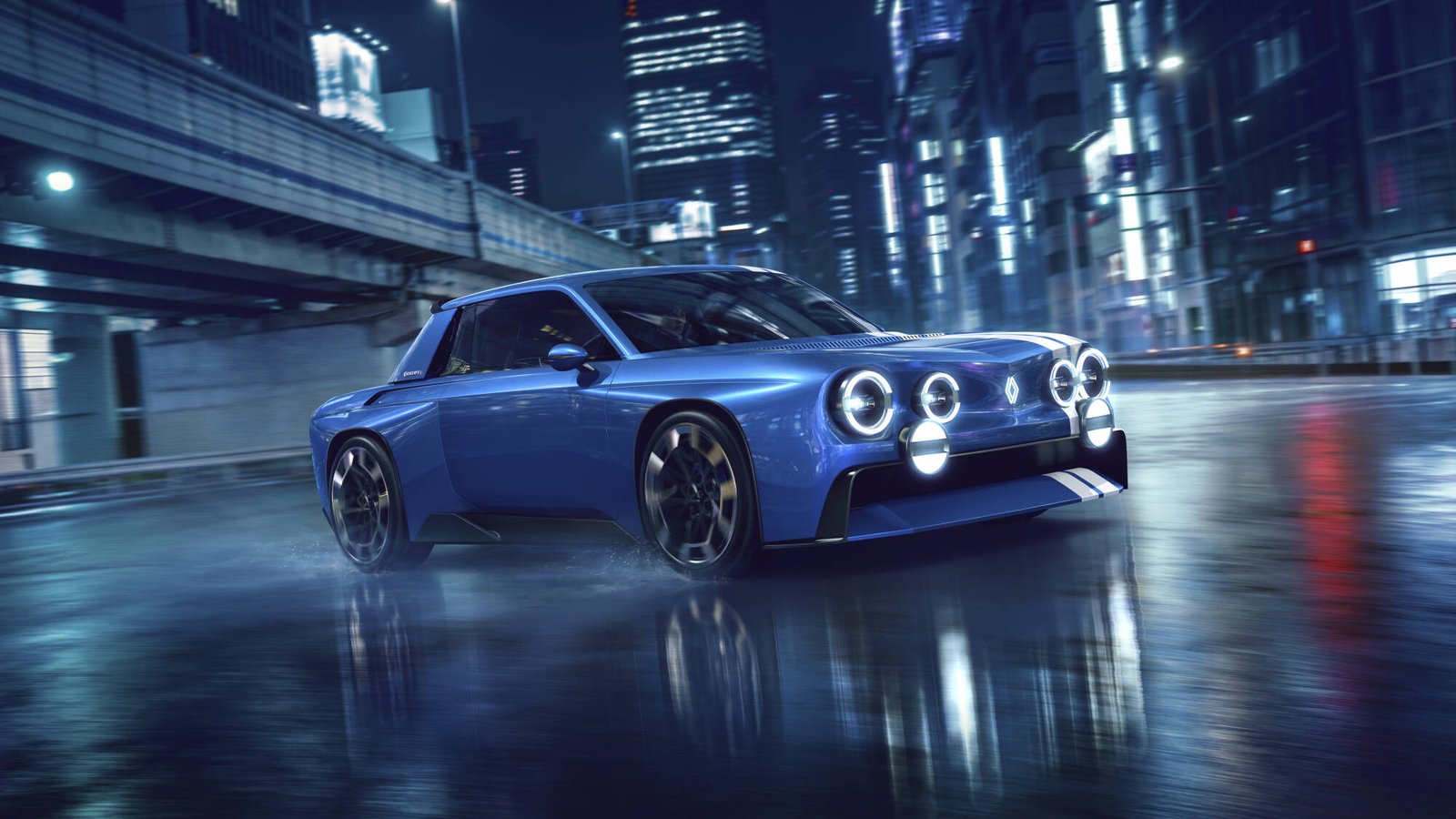
Renault quotes a single figure for the powertrain: 266 hp (270 PS / 199 kW) from one electric motor driving the rear axle. Battery size, range, weight, and acceleration haven't been disclosed. The coupe measures 162.2 inches long, 74.0 inches wide, and 50.0 inches tall, and it rides on staggered wheels, 19 inches up front and 20 inches at the rear. The bodywork is carbon, according to Renault's announcement.
The design came entirely from Renault's own studio. An internal competition drew more than 300 sketches, and two finalists were built as 2:5-scale models before the team merged the strongest elements of each.
The Gordini twin white stripes now do structural work. The cowl grille and the graphics inside the taillights line up with them, and the stripes continue across the top of the dashboard in blue. Six round headlamps recall the extra driving lights of the rally-spec originals. There is no hood shut line either: the entire nose comes off as one piece, race-car style.
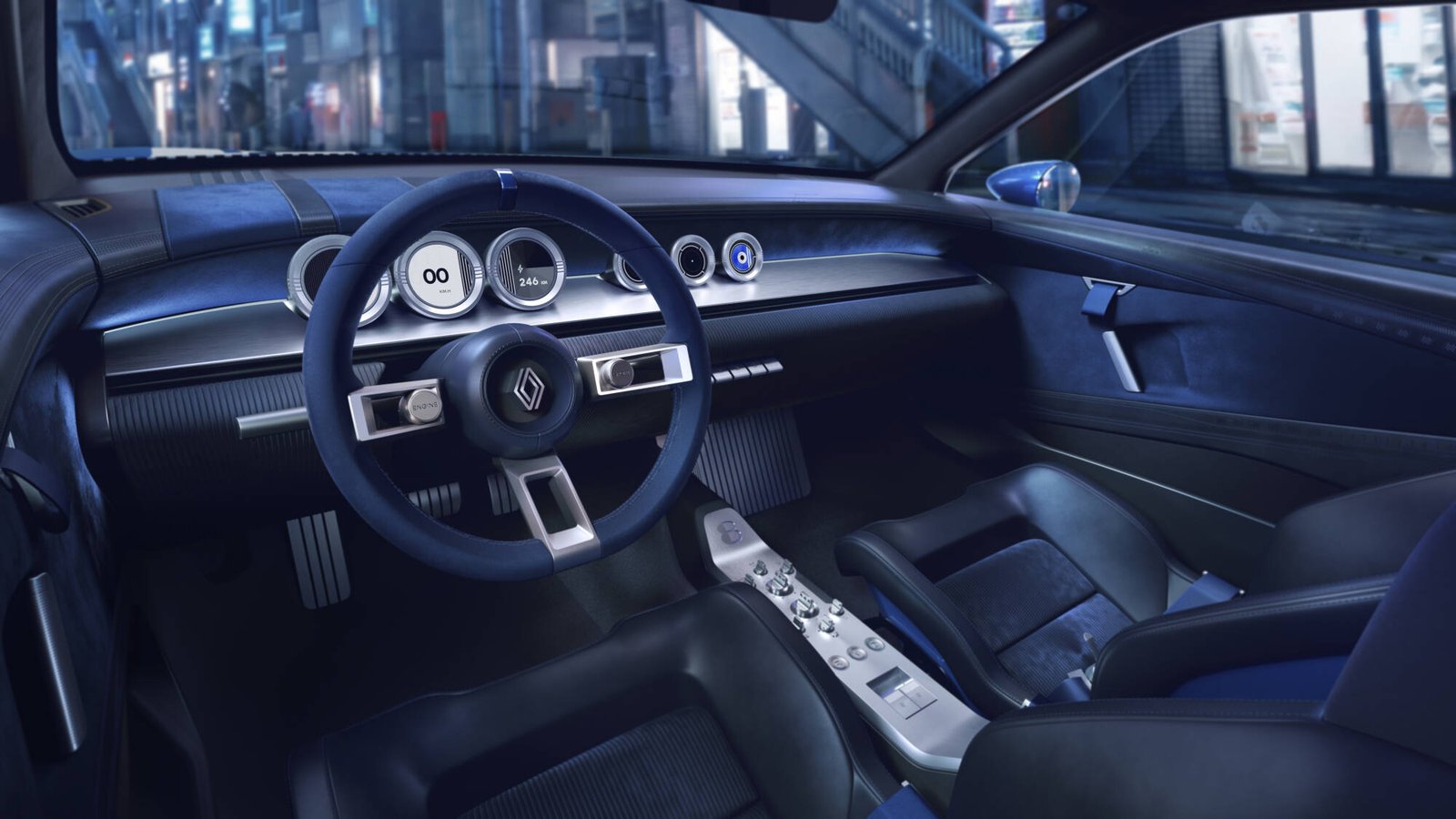
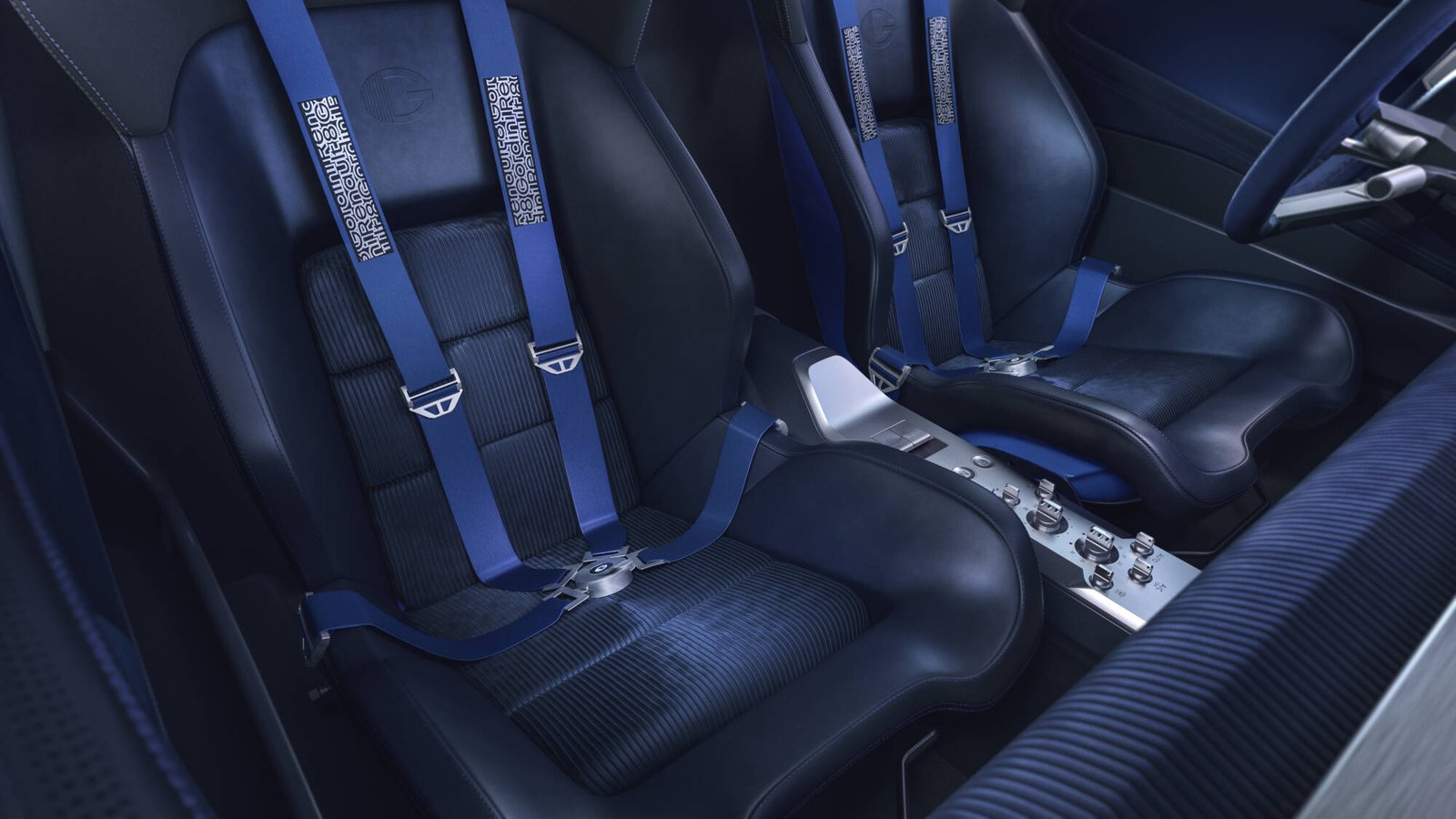
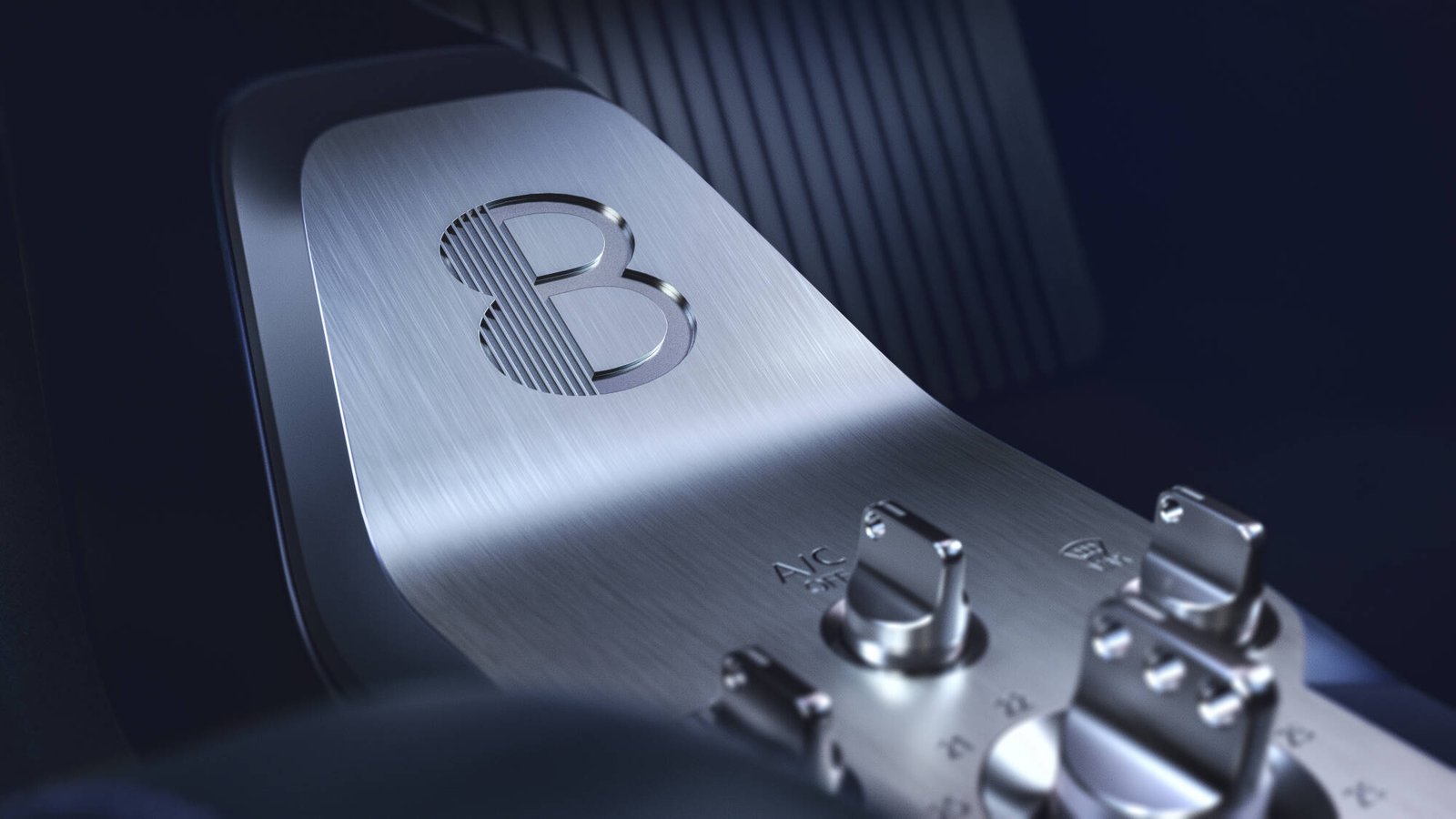
Inside, a brushed-aluminum strip carries a row of round digital displays, a red stopwatch button sits in the center, and the bucket seats get blue corduroy centers as a nod to the flat benches of the 1960s car.
Why Renault keeps building one-offs
The original 8 Gordini arrived in 1964 with a 94-hp (95 PS) rear-mounted engine. Renault points out that it made performance affordable a full decade before the hot-hatch GTI craze.
The new concept is the latest in a string of heritage specials. The Renault 5 Diamant, built with designer Pierre Gonalons, marked the 5's 50th anniversary in 2022. The R17 electric restomod, a collaboration with Ora Ïto, was revealed in September 2024 and shown at that year's Paris show. Unlike those two, the 8 Gordini had no outside designer. The new car is headed for the Renault Collections museum in Flins, which the company expects to open to the public in about 15 months.
Renault has turned a retro showpiece into a real product before. The 5 Turbo 3E uses two in-wheel motors at the rear for 536 hp (540 PS), with 1,980 numbered cars due in the first half of 2027. Even that car isn't coming to the U.S.; its announced markets are Europe, the Middle East, Japan, and Australia.
The 8 Gordini is a different case. Renault calls it a pure design exercise and answers the production question with a flat no.
The car's public debut comes in Paris next month. After that, its next scheduled stop is a museum floor rather than a showroom.