GM Built a New Truck V8. NHTSA Is Still Investigating Nearly a Million of the Old One
The 6.6-liter L78 replaces the 6.2-liter L87 in the 2027 Silverado and Sierra. NHTSA has two open engineering analyses into the L87 — one opened four weeks before GM's announcement — and the release mentions neither.
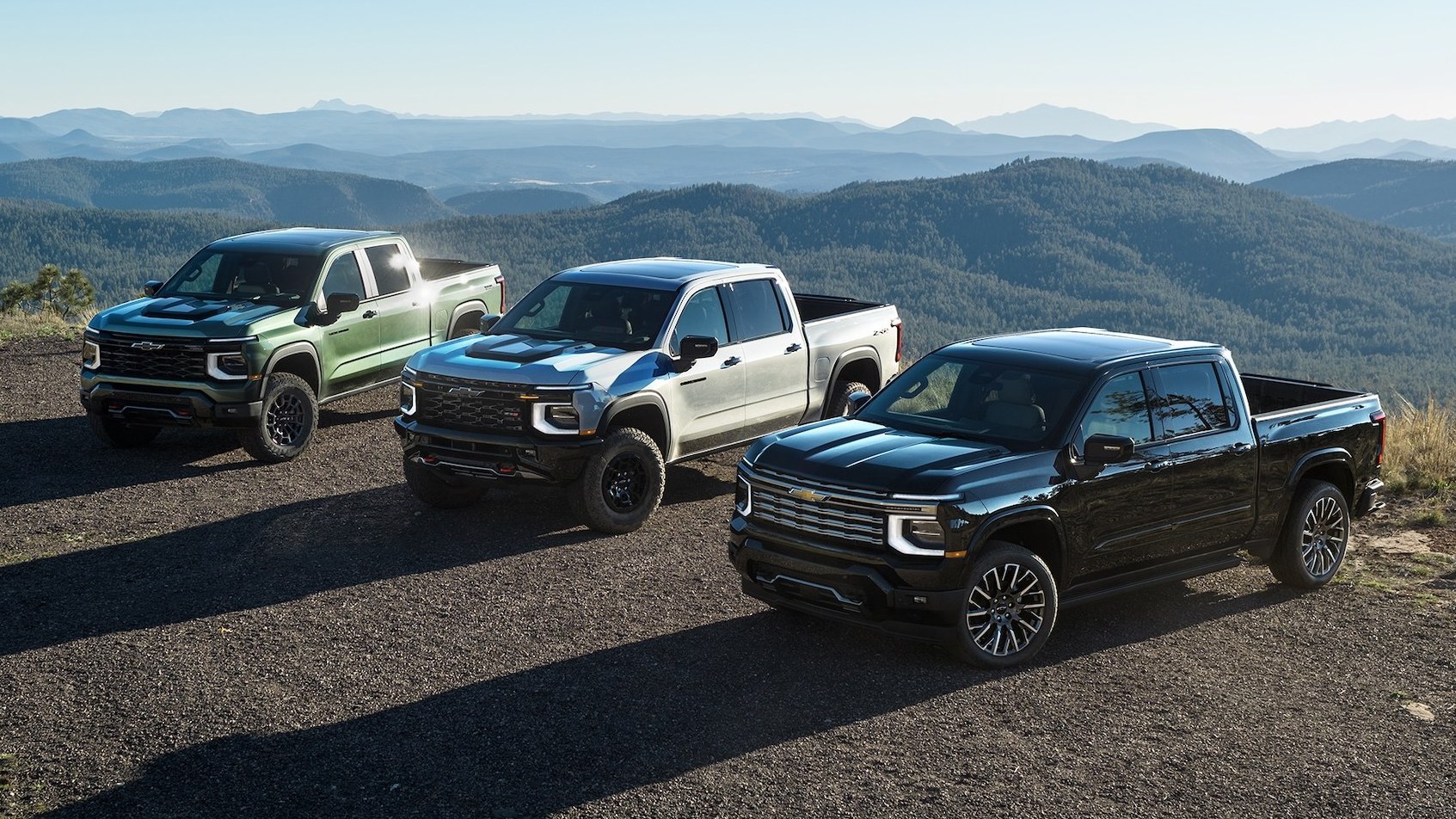
On September 17, GM announced the two V8s for the 2027 Chevrolet Silverado 1500 and GMC Sierra 1500: a 5.7-liter L76 and a 6.6-liter L78, the first light-duty truck engines on its sixth-generation Small Block architecture. Four weeks earlier, on August 20, NHTSA's Office of Defects Investigation had opened an engineering analysis covering 997,743 GM vehicles with the 6.2-liter L87 — the engine the 6.6 replaces. GM's release does not mention it.
For owners of a 2021–2026 truck or SUV with the 6.2, the investigations decide whether another fix is coming. For anyone waiting on a 2027 pickup, the question is what the new engine changes, what it keeps, and what nobody has said yet.
Two open federal investigations, not one
The story starts with recall 25V-274, filed on April 24, 2025. It covers 597,571 model-year 2021–2024 vehicles with the L87: Silverado 1500, Sierra 1500, Tahoe, Suburban, Yukon, Yukon XL, Escalade, and Escalade ESV. GM told the agency that connecting rods and crankshafts built between March 1, 2021, and May 31, 2024, could carry manufacturing defects, and blamed supplier manufacturing and quality issues. Dealers inspect the engine and replace it if it fails; engines that pass get higher-viscosity oil, a new filter and fill cap, and an updated owner's manual.
ODI now has two separate files open on the same engine, and they should not be confused:
- EA25007, opened October 23, 2025, covers 286,051 vehicles outside the recall — 2019–2021 and 2024 Silverado 1500 and Sierra 1500, plus 2021 and 2024 full-size SUVs. At opening, ODI had logged 1,157 rod-bearing failure reports on the L87, 173 of them from vehicles the recall does not cover, and five crashes or fires with no injuries.
- EA26005, opened August 20, 2026, asks whether the recall fix works. It grew out of a recall query, RQ26-001, that ODI opened in January and closed the same day the analysis began. By then the agency had 499 complaints of engines failing after the remedy — 473 after the oil change, 26 after a full engine replacement — plus 191 failures in L87s built after the recall's production window. GM reported 6,953 post-remedy complaints of its own. ODI lists one crash and one injury.
The second file matters most, because it widened the scope to model years 2021 through 2026 — the L87 GM is selling today. The figures above come from the two-page opening resume for EA26005. Neither analysis has produced a finding, and an engineering analysis is the stage that ends in either a closed file or a new recall.
What the new engine changes
We covered the headline numbers when the release came out: 402 hp and 428 lb-ft from the 5.7, 481 hp and 501 lb-ft from the 6.6. The part of the release that speaks to the L87's history is less quotable. GM lists a new lubrication system with a continuously variable oil pump, an on-engine oil cooler, and reworked oil feed locations "for additional oil pressure consistency," and says it expects to complete more than 1.5 million miles of on-road validation before the trucks reach dealers later this year.
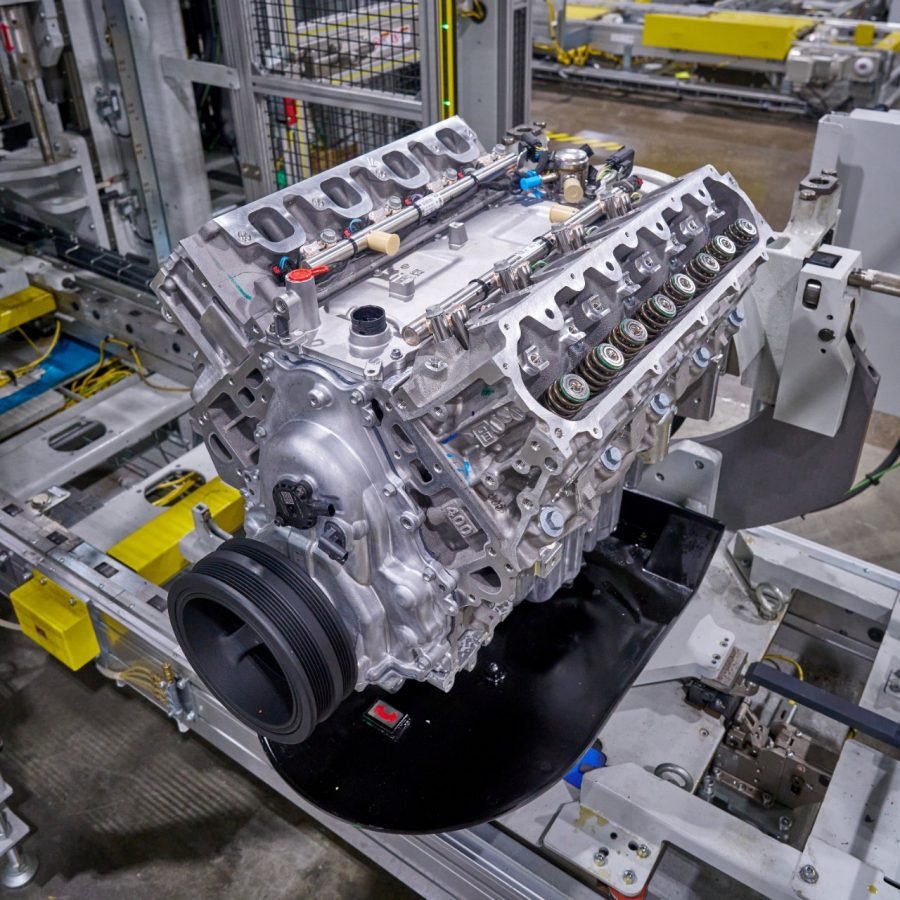
What GM does not say is anything about connecting rods, crankshafts, bearings, or suppliers — the parts at the center of 25V-274. GM described the recall's root cause as manufacturing quality, not design, which cuts both ways: a new oil system does not by itself fix a supplier problem, and a supplier problem does not automatically follow a design into its next generation. Nobody has claimed the L87's defect carries into the Gen-6 engines, and this article does not either. GM simply has not addressed the question in public, and the release that would have been the natural place to do it stays silent.
What carries over — and what disappears
Two details owners argue about most are absent from the release but came up at GM's powertrain media event in Flint, according to Pickup Truck Talk, which attended. Dynamic Fuel Management, GM's cylinder-deactivation system, stays on both new V8s, still using oil-fed lifters and eight solenoids. GM Authority reported the same on September 19; Autoblog followed a day later, noting that some owners pay to disable the feature. GM has published no statement on DFM for the 2027 trucks.
The oil dipstick is gone. Pickup Truck Talk quotes GM design system engineer Randy Dufresne explaining that the added port-injection hardware left no path to route one; a sensor now handles the level reading and the low-oil warning on the truck's screen. For an engine family whose predecessor is under investigation for bearing failures, losing the ability to check the oil by hand is the detail readers keep raising — and GM's official materials do not mention it.
If you own a 6.2-liter truck or SUV
- Run your VIN at nhtsa.gov/recalls. Recall 25V-274 (GM number N252494000) is free; owner letters went out June 18, 2025.
- If your engine failed after the recall work, or your vehicle sits outside the recall window and failed anyway, file a complaint with NHTSA. Complaint counts are what turned a recall query into an engineering analysis, and they will decide whether a second recall follows.
- Keep every repair order, including the inspection result and which remedy you received. EA26005 sorts failures by remedy type.
- Use the oil specification in your updated owner's manual, not the one printed at delivery.
If you are waiting for a 2027 Silverado or Sierra
The 6.6 is a new engine with no field history — neither a warning nor a reassurance, just unknown. What is known is where the two V8s sit in the lineup, and it is not intuitive. The 5.7 carries the maximum tow rating, 13,700 pounds on the Silverado and 13,500 on the Sierra when properly equipped, plus a higher payload. The 6.6, with 79 more horsepower, tops out at 9,700 and 9,400 pounds. If towing is why you buy a V8, spec the smaller engine. Silverado pricing is out, engine availability by trim is not, and GM says the trucks arrive later this year; our F-150 vs. Silverado comparison covers the outgoing trucks.
What we don't know yet
- Whether the Gen-6 engines use different connecting rod, crankshaft, and bearing suppliers than the L87, or the same ones under tighter controls. GM has not said.
- Where EA25007 and EA26005 are headed. ODI publishes a resume only when it opens or closes a file, and neither has closed.
- Whether the full-size SUVs — Tahoe, Suburban, Yukon, Escalade — move to the 6.6, and when. The September 17 release covers only the two pickups.
- Whether GM will comment on the link between the two engine generations. We have found no statement.
What's next
Three things would change this picture: a decision by ODI on either analysis, an official GM document that mentions DFM or oil monitoring for the 2027 trucks, and the first Gen-6 trucks reaching dealers. We will update this page when any of them happens.