F-150 vs. Silverado 1500: Which Truck Costs Less to Own, Not Just to Buy
America's two best-selling trucks are $3,000 apart before you even pick an engine. We break down real prices, fuel costs, discounts, and what each is worth at 120,000 miles.
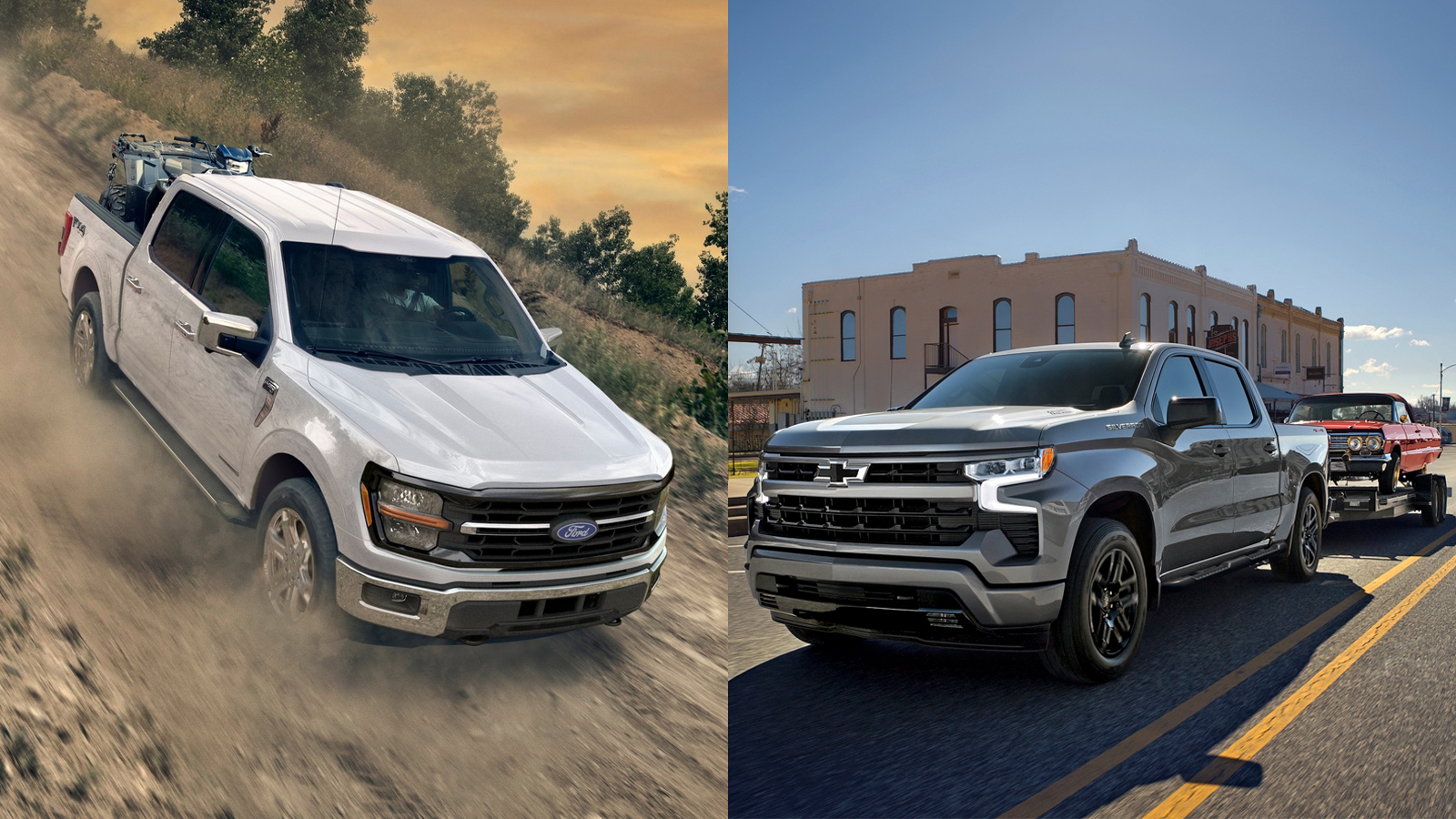
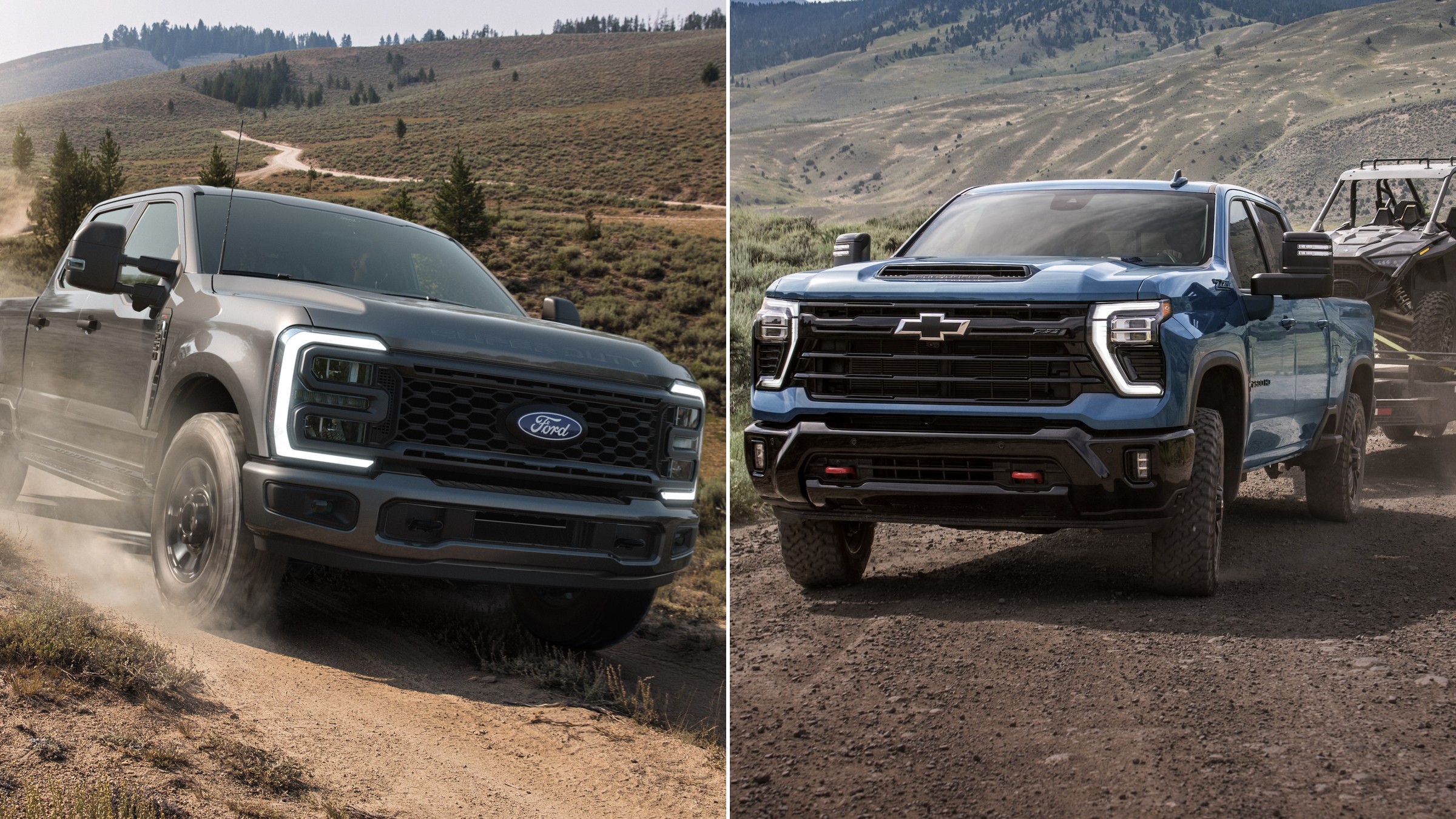
The Ford F-Series is on course to finish as America's best-selling vehicle again: Ford sold 561,508 of them through September, according to its third-quarter sales report, while GM delivered 422,713 Silverados of every size. That much never changes. What has changed is the math around actually buying one. Both trucks are in their final model year before all-new 2027 replacements, the average new vehicle now lists above $50,000, and import tariffs are quietly working their way into window stickers. So the useful question isn't which truck wins a spec-sheet fight. It's which one costs less to put in your driveway — and to keep there.
The third quarter added a twist. F-Series sales slipped 1.9% to 203,707, though September alone rose 2.4%. GM's light-duty Silverado, the truck in this comparison, gained 13.3% to 100,221 in the same three months, with its redesigned replacement due in showrooms by the end of the year. Ford's total includes Super Duty pickups, and the company doesn't break out the F-150, so the head-to-head isn't exact. Our look at what Q3 sales mean for car buyers has the wider picture.
Sticker prices: Chevy starts lower, Ford undercuts where most people shop
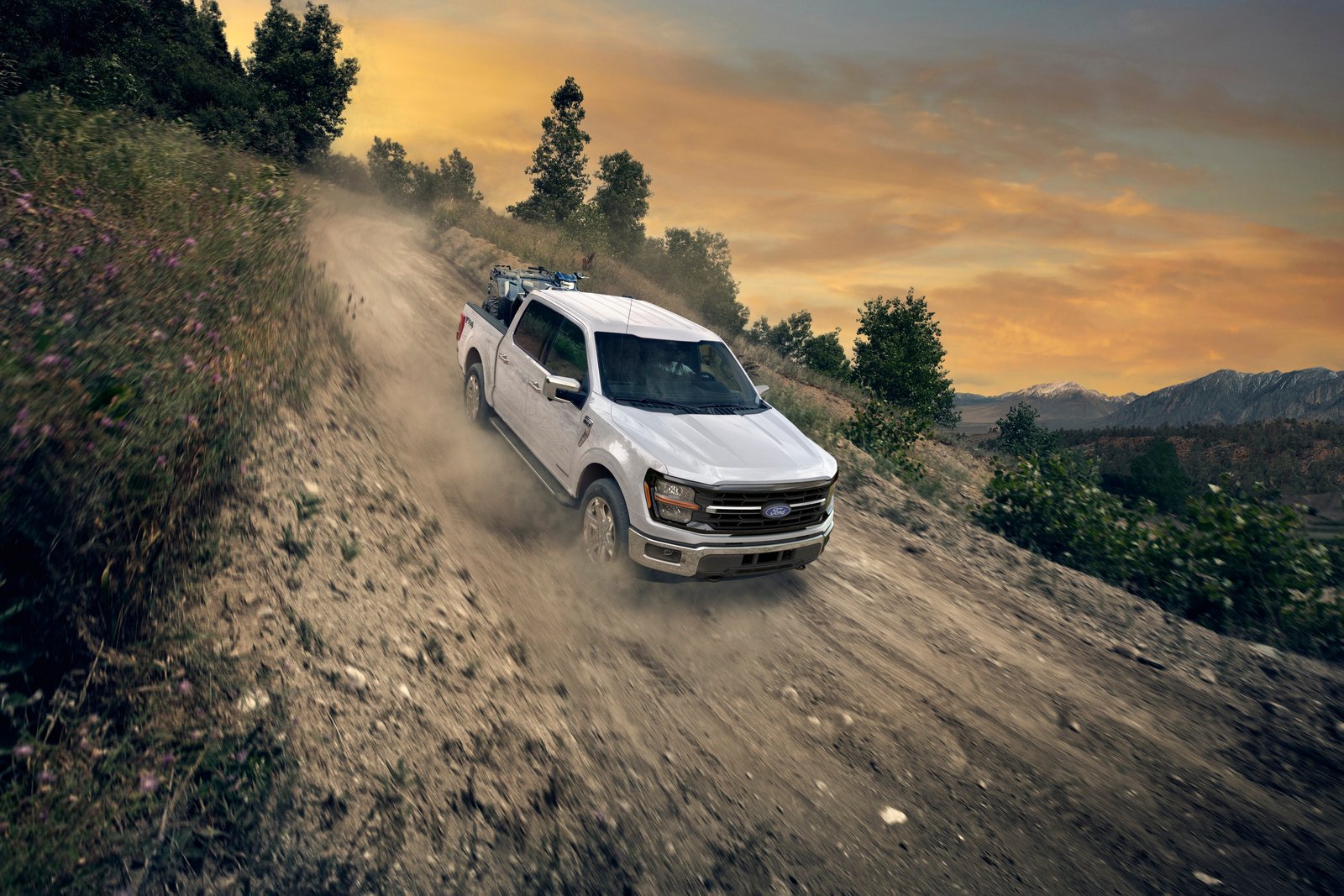
At the bottom of each range, the Silverado WT lists at $39,695 with destination against $42,125 for an F-150 XL — about a $2,400 head start for Chevrolet on a bare work truck. Flip to the volume family trims and the order reverses: an F-150 XLT starts at $47,690, roughly $3,000 under a Silverado LT at $50,695. Both brands charge the same $2,795 destination fee, and both have nudged MSRPs upward during 2026, so any price quote more than a few months old is stale.
| 2026 Ford F-150 | 2026 Chevrolet Silverado 1500 | |
|---|---|---|
| Base work trim (with destination) | XL — $42,125 | WT — $39,695 |
| Volume family trim (with destination) | XLT — $47,690 | LT — $50,695 |
| Destination charge | $2,795 | $2,795 |
| Engine lineup | Six: 2.7L EcoBoost V6 (325 hp), 3.5L EcoBoost V6 (400 hp), 5.0L V8 (400 hp), PowerBoost hybrid (430 hp), plus two Raptor engines | Four: 2.7L TurboMax I4 (310 hp), 5.3L V8 (355 hp), 6.2L V8 (420 hp), 3.0L Duramax diesel (305 hp) |
| Hybrid available | Yes — 3.5L PowerBoost, 570 lb-ft | No |
| Most efficient version (EPA) | PowerBoost 2WD: 23/25/24 mpg city/highway/combined | Duramax 2WD: 23/28 mpg city/highway, up to 25 combined |
| Max towing (specific configurations only) | 13,500 lb (3.5L EcoBoost) | 13,300 lb (properly equipped) |
| Max payload (specific configurations only) | 2,440 lb | 2,260 lb |
| Warranty | 3 yr/36,000 mi basic; 5 yr/60,000 mi powertrain | 3 yr/36,000 mi basic; 5 yr/60,000 mi powertrain |
| Safety ratings | 5-star NHTSA overall (crew cab); stronger IIHS small overlap score | 5-star NHTSA overall (crew cab); IIHS Marginal small overlap, Poor updated moderate overlap |
| Assembly | Dearborn, MI and Kansas City, MO — all U.S. | Fort Wayne, IN; Silao, Mexico; Oshawa, Canada (Canadian output ending with 2026) |
| Q3 2026 U.S. sales | F-Series: 203,707, down 1.9% (Super Duty included; Ford doesn't break out the F-150) | Light-duty Silverado: 100,221, up 13.3% |
| Dealer stock, end of September | 215,400 F-Series trucks (Super Duty included) | Not published by model; about 568,000 GM vehicles in total |
| Current offers (Oct. 4) | Regional; shown by ZIP code on ford.com | Regional; shown by ZIP code on chevrolet.com |
| Tariff cost baked into your specific truck | TBA — not itemized on the sticker | TBA — not itemized on the sticker |
| All-new replacement | 2027 F-150 revealed September 2026; from $40,585 with destination (XL Regular Cab 4x2), per Edmunds; XLT not yet priced | 2027 Silverado 1500 debuted June 2026; priced from $38,600 (WT) before destination |
The hybrid is Ford's structural advantage
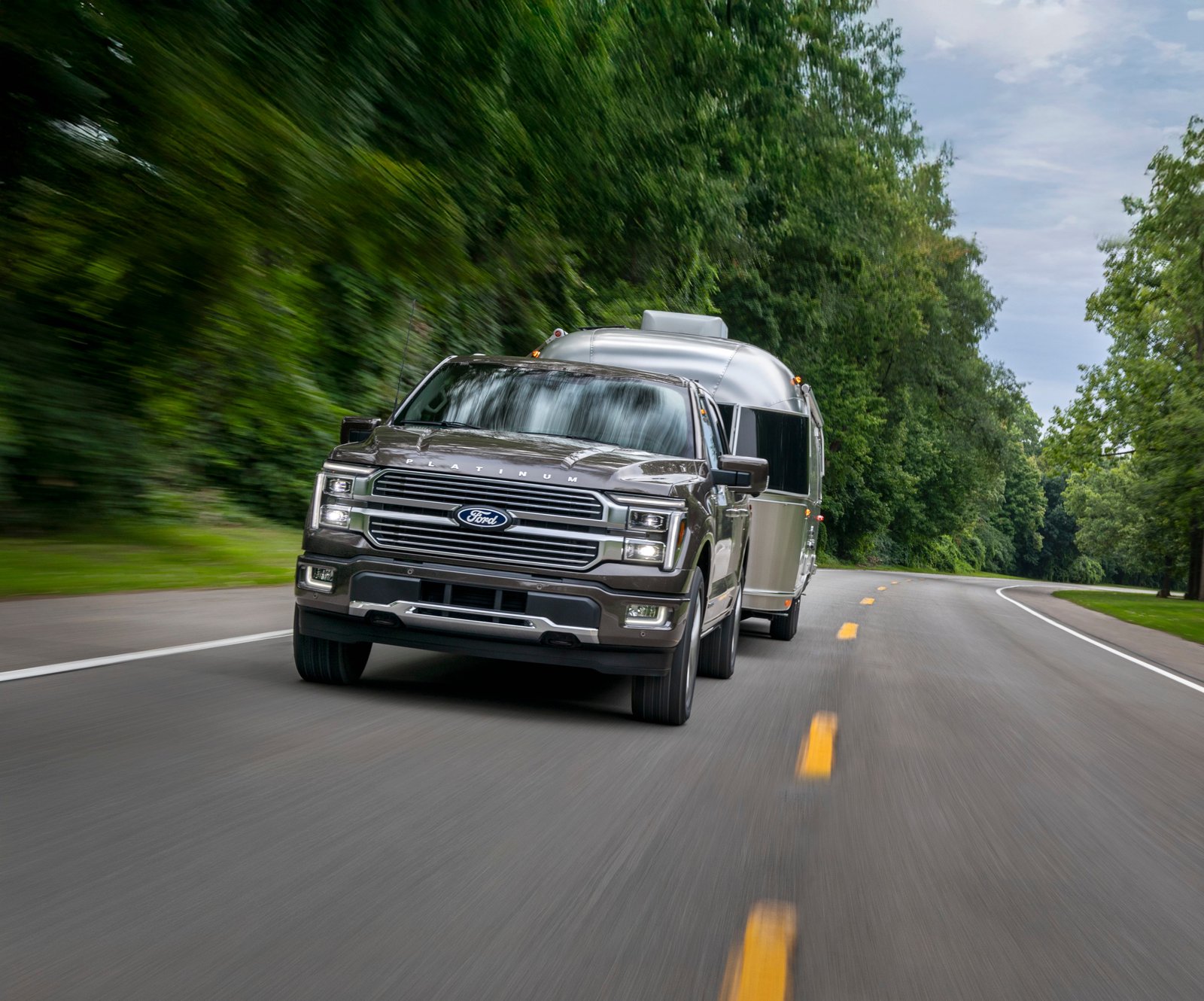
Ford's PowerBoost hybrid is the F-150's strongest ownership-cost card. It's the most powerful non-Raptor engine in the truck at 430 hp and 570 lb-ft, it carries an EPA rating of 24 mpg combined in 2WD form, and it doubles as a generator through Pro Power Onboard. Chevrolet simply has no answer in the Silverado 1500 — the lineup runs gas fours, gas V8s, and one diesel. That Duramax diesel is a genuinely good counterpunch for highway drivers, with an EPA-rated 28 mpg highway and 495 lb-ft of torque, but it costs extra to buy and drinks pricier fuel. The all-electric F-150 Lightning and Silverado EV exist as separate trucks with separate economics; neither belongs in this comparison's core.
October deals: September's offers are gone
The two headline programs that shaped this comparison in September — Chevrolet's Silverado Selldown, with 0% APR for 60 months and 90 days of deferred payments, and Ford's 2.9% APR for 60 months plus $1,500 bonus cash on the F-150 — both expired on September 30. As of October 4, both brands' websites show offers only after you enter a ZIP code, and we couldn't confirm a national October program from either. Treat any deal you're quoted as regional and check its end date.
Both companies say they're spending less than rivals to move trucks. Ford says F-Series had the lowest incentive spending among full-line truck brands in the third quarter, and GM says its incentives have run below the industry average for more than three years. That's their claim, not an independent measurement — but it does mean you shouldn't count on September-style financing coming back on schedule. If it does, the stakes are real: on a $50,000 note over 60 months, 0% instead of 2.9% saves roughly $3,800 in interest, by our math.
Ford's famous employee-pricing program — "American Value. For American Values." — ran from May 1 to July 6, and Ford's third-quarter sales release, issued October 2, says nothing about bringing it back. It matters because employee pricing works differently from a rebate: it resets the transaction price itself rather than stacking on top of it. If Ford revives it for the F-150's own runout, the math above changes overnight.
Tariffs and birthplaces
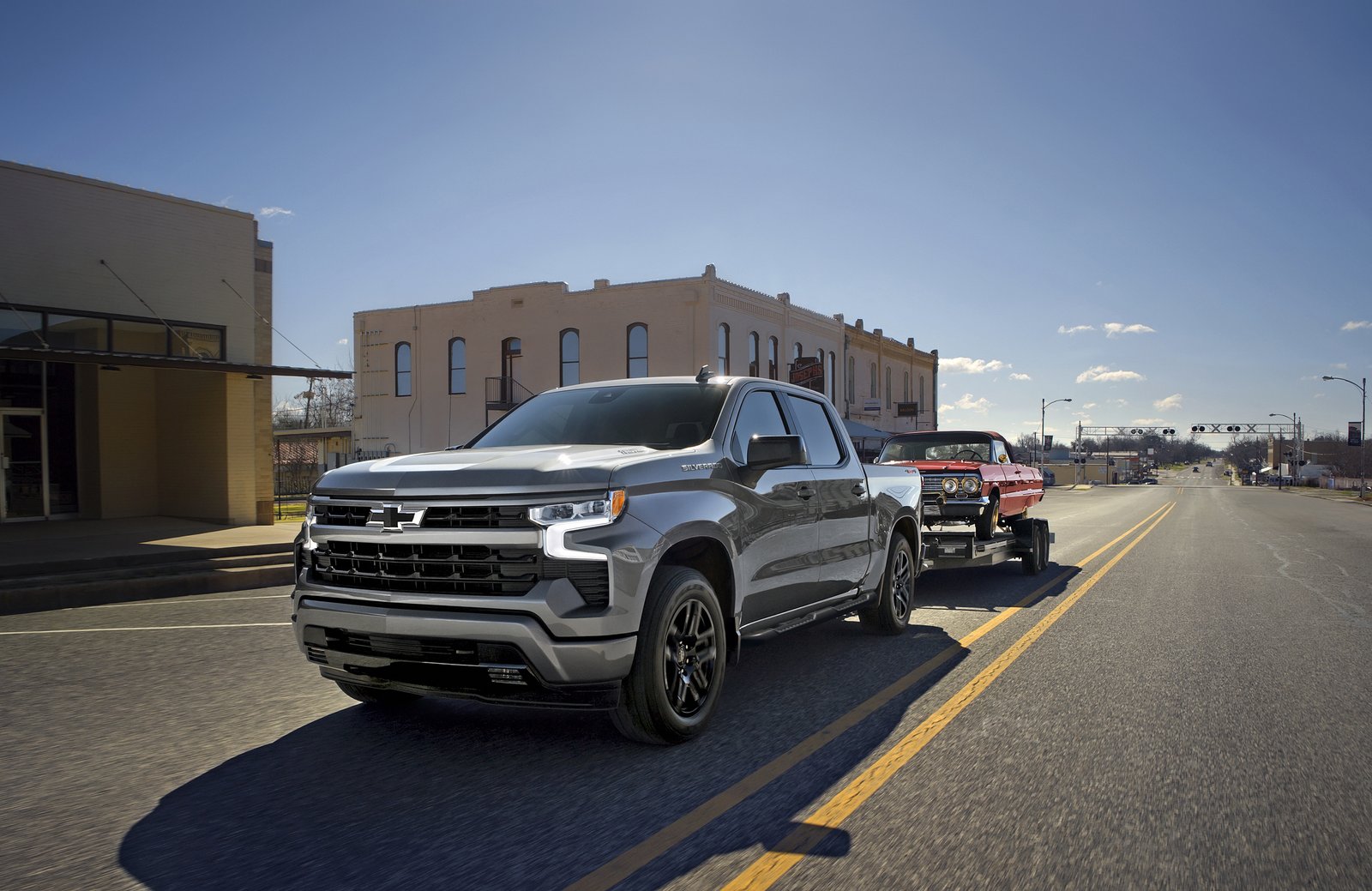
Every F-150 sold in the U.S. is built in Michigan or Missouri. Silverado 1500 production is split between Fort Wayne, Indiana; Silao, Mexico; and Oshawa, Ontario — and GM is ending light-duty Silverado output in Canada with the 2026 model year. That geography matters more than it used to: the average duty on an imported vehicle has jumped from about $360 in 2024 to roughly $3,700 in 2026, with Mexico-built vehicles carrying around $3,100, according to CarGurus data. Neither automaker itemizes tariff cost on the sticker, so we can't tell you what your specific truck absorbed — but the door-jamb label will tell you where it was built.
One more thing we can't measure precisely: neither company publishes days' supply by nameplate. Ford does list its stock — 215,400 F-Series trucks, Super Duty included, at the end of September, or about three months of sales at September's pace by our math. A short-term supplier problem also hit F-150 production at the end of the month, as we covered in our report on Ford's third quarter. GM gives only a company-wide figure, about 568,000 vehicles at quarter's end, and says it's on track to finish the year with 50 to 60 days' supply.
What they're worth later
At the far end of ownership, the two trucks converge. CarGurus mid-year data shows the F-150, Silverado 1500, and Ram 1500 all averaging about $20,000 on the used market even past 120,000 miles, propped up by buyers priced out of $50,000-plus new trucks. In other words, resale at high mileage is not a tiebreaker: configuration, condition, and service history will move the needle more than the badge does.
Which one should you buy?
If you need a work truck on the tightest budget, the Silverado wins on arithmetic: the WT undercuts the XL by about $2,400 before any discount. If you tow long highway miles, the Duramax's 28-mpg highway rating and 13,300-lb capability make a strong diesel case.
For the buyer most of this segment is actually made of — one truck for family, occasional towing, and daily commuting — we'd take the F-150 XLT with the PowerBoost. It starts about $3,000 below the equivalent LT, its hybrid delivers the best no-diesel fuel economy in the class plus onboard power, it's built entirely in the U.S. and thus insulated from tariff math, and its IIHS crash results edge out the Silverado's, even though both trucks — like every Detroit half-ton — score Poor in the updated moderate overlap test. The counterargument is legitimate: if your local Chevrolet dealer offers subsidized financing on a runout Silverado, it can claw back most of Ford's price advantage for a financed buyer with strong credit. On a $50,000 loan over five years, each percentage point of APR is worth roughly $1,300 in interest, by our math.
And if you're not in a hurry at all, remember that both replacements arrive for 2027 — new trucks that will not be discounted the way these runout models are right now. Chevrolet has already published 2027 Silverado pricing, and it moves in one direction: the new Work Truck lists at $38,600 before destination, $1,700 above today's truck, the High Country jumps $8,800, and the volume LT is renamed simply Silverado at $47,900. Ford's 2027 pricing is only partly out: according to Edmunds, the F-150 XL Regular Cab 4x2 starts at $40,585 with destination, while the Tremor and Raptor drop $5,300 and $4,000, to $65,195 and $80,595. The volume XLT hasn't been priced yet, so a Ford buyer weighing runout against 2027 should wait for that number; on the Chevrolet side, the runout trucks on the lot this month are the cheap ones.