Silverado 3500HD, Sierra 3500 and F-350 Earn ‘Poor’ in First IIHS Crash-Avoidance Tests
Only the Ram 3500 avoided the bottom rating against other vehicles, and it managed just marginal. Among seven cargo vans, the Mercedes Sprinter was the lone good performer.
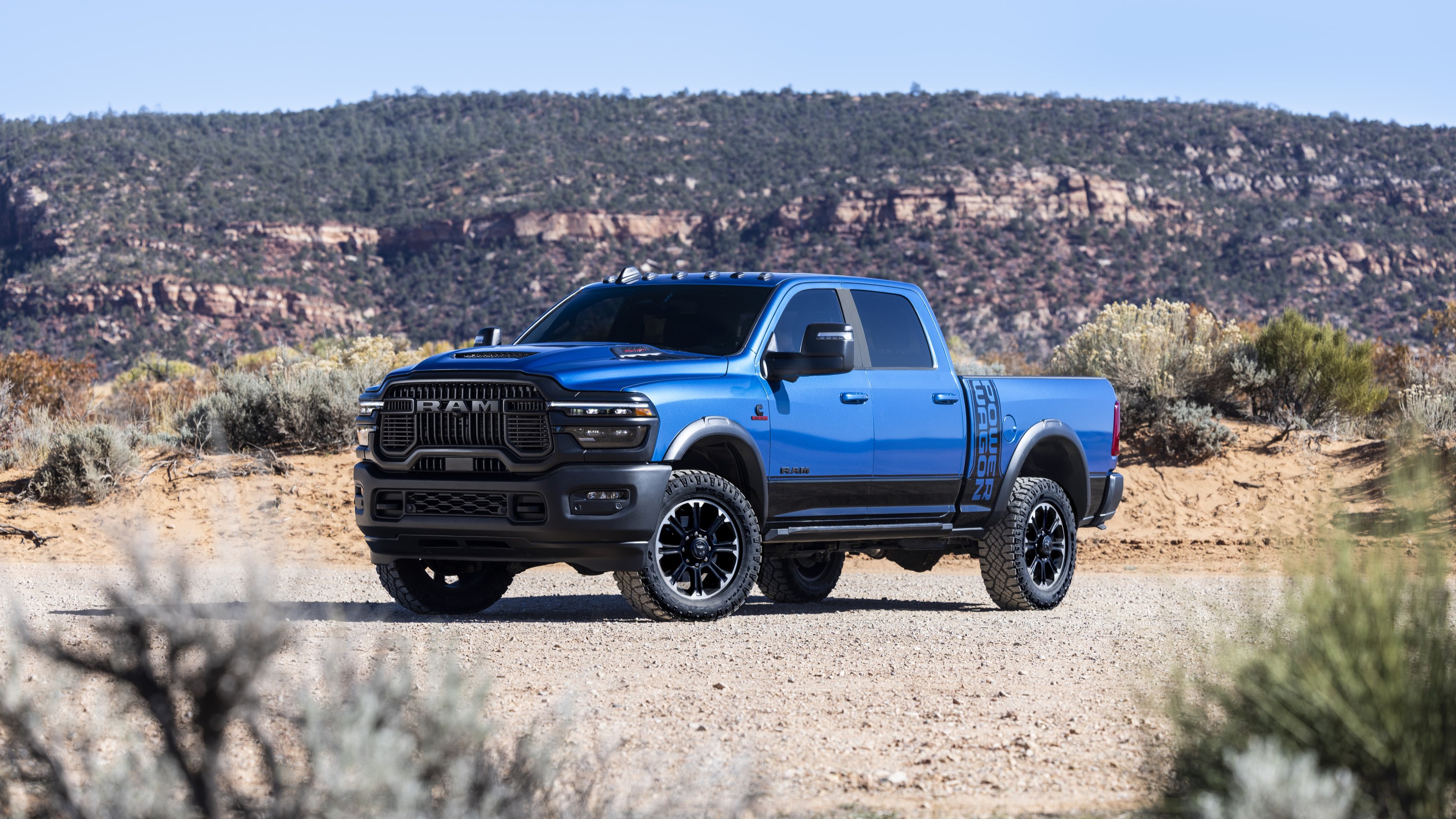
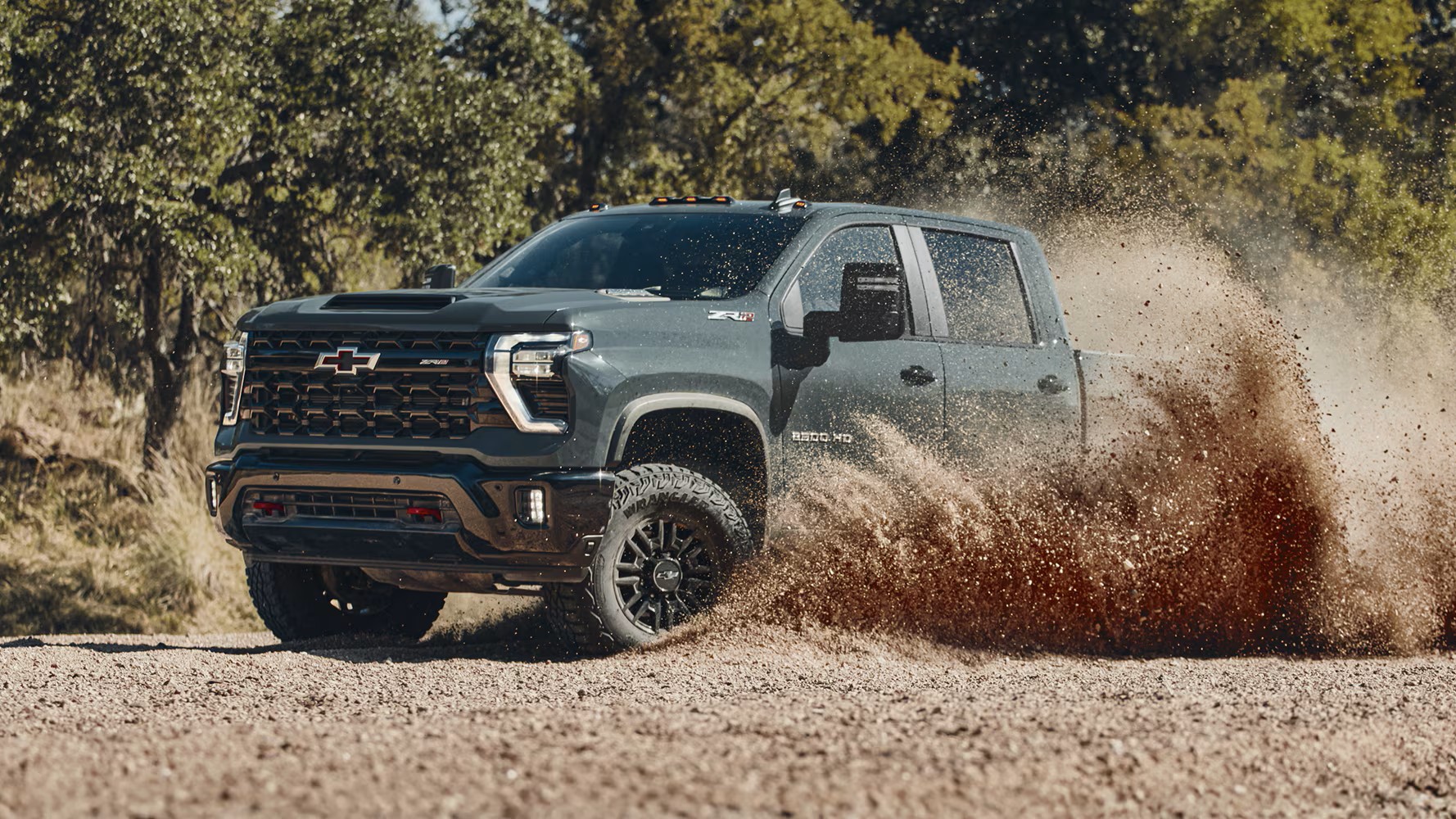
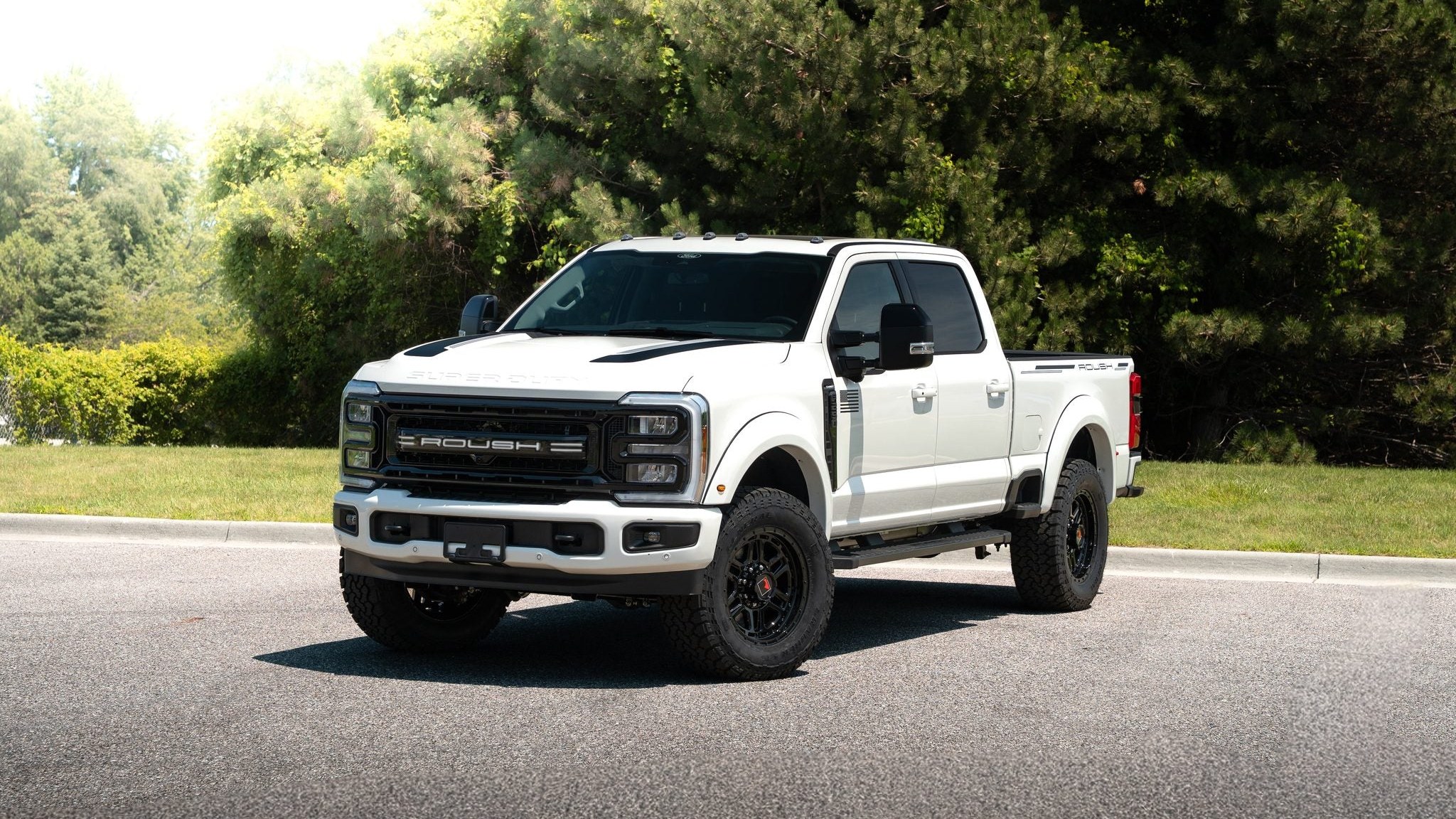
The first heavy-duty pickups to go through the Insurance Institute for Highway Safety's crash-avoidance evaluations have mostly failed them. Three of the four Class 3 trucks tested — the Chevrolet Silverado 3500HD, GMC Sierra 3500 and Ford F-350 — earned the lowest rating, poor, for avoiding collisions with other vehicles. The Ram 3500 did one step better, at marginal.
The results, published by IIHS on October 8, are the first front crash prevention ratings in its commercial vehicle program and cover 11 vehicles: four crew-cab pickups and seven cargo vans. They matter beyond fleet managers, because the one-ton crew cabs in our Silverado HD vs. Super Duty comparison are also bought to tow campers and carry families. IIHS didn't write an easier exam for them, either: It says the test protocols and rating requirements are the same ones used for passenger vehicles.
How the four pickups scored
- 2025–26 Chevrolet Silverado 3500HD: poor (vehicle-to-vehicle), marginal (pedestrian)
- 2025 Ford F-350: poor, acceptable
- 2025–26 GMC Sierra 3500: poor, marginal
- 2025–27 Ram 3500: marginal, acceptable
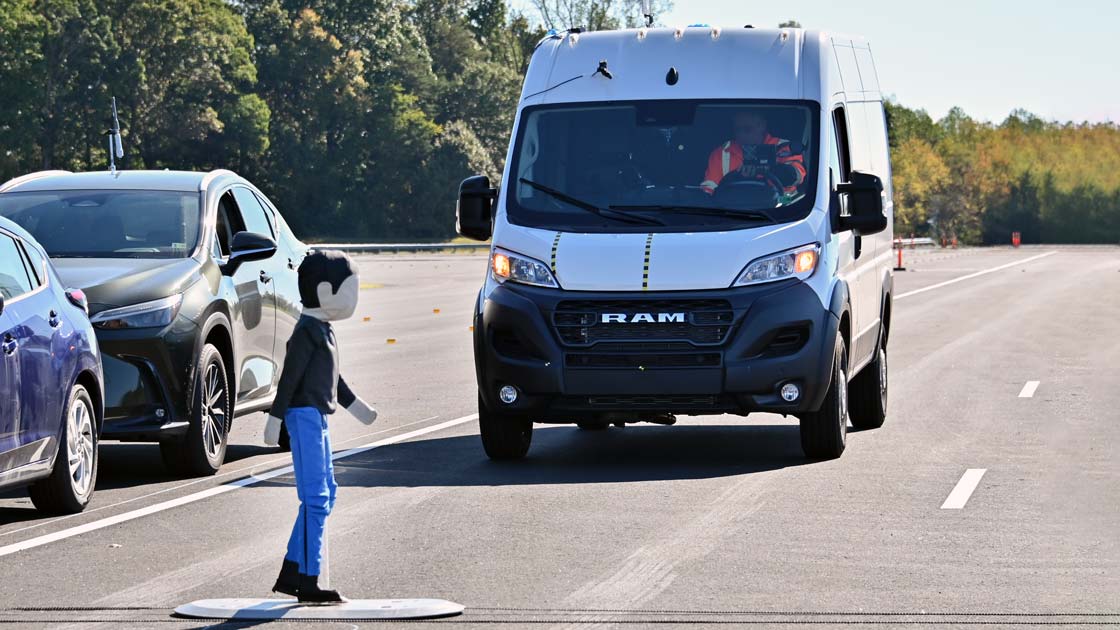
The vehicle-to-vehicle evaluation checks forward collision warning and automatic emergency braking (AEB) at several speeds against a passenger car target and a motorcycle target, plus warning performance behind a semitrailer. The motorcycle was the biggest problem. IIHS says several systems neither warned the driver nor slowed at all in most motorcycle trials. Others braked well enough to avoid or soften impacts at most speeds but lost points because their warnings came too late. The release doesn't say which vehicles fell into which group, and it doesn't list the test speeds.
The trucks did better with pedestrians, in tests that cover an adult or child crossing the road and an adult walking in the lane, by day and at night. Even so, IIHS says the acceptable-rated F-350 and Ram 3500 had more trouble with a child dummy in daylight than with an adult at night. The institute says that may be related to the dummy's short height and the trucks' tall front ends, since the sensors sit near the rearview mirror. In some runs, it says, the child dummy was detected at a distance and then “disappeared” as the vehicle closed in.
The poor- and marginal-rated systems also failed to slow enough in most nighttime trials with the adult dummy, and some did substantially worse on low beams than on high beams. Lighting is next on the list: IIHS plans to add headlight ratings for Class 3 vehicles, the same measure we explain in our guide to IIHS headlight ratings.
Vans: one good rating in each test
- 2025 Mercedes-Benz Sprinter 2500: good (vehicle-to-vehicle), acceptable (pedestrian)
- 2025–26 Chevrolet BrightDrop 400: acceptable, good
- 2025 Rivian RCV-Delivery 500: marginal, good
- 2025 Ford Transit T250: poor, marginal
- 2025–27 Ram ProMaster 2500: poor, marginal
- 2025–27 Chevrolet Express 2500: poor, poor
- 2025–27 GMC Savana 2500: poor, poor
The Sprinter is the only vehicle of the 11 rated good against other vehicles. The Express and Savana sit at the bottom for a simple reason: They have no AEB at all, only an optional forward collision warning system.
“These results are a wake-up call for commercial vehicle makers,” IIHS President David Harkey said.
Why no rule forces the issue
IIHS counts 6,215 people killed in 2024 in U.S. crashes involving medium- or heavy-duty vehicles or light vans, 16% of all roadway deaths. Yet the trucks rated here sit just outside the main federal requirement. Class 3 means a gross vehicle weight rating of 10,001 to 14,000 pounds, while NHTSA's AEB standard, FMVSS No. 127, applies to vehicles rated at 10,000 pounds or less and was issued with a compliance date of September 1, 2029. That standard also requires pedestrian braking to work in the dark, the condition in which the weaker systems here struggled.
What the ratings don't cover
The ratings apply only to the models and years IIHS lists. It did not rate three-quarter-ton trucks such as the F-250, Silverado 2500HD or Ram 2500, and the GM pickup ratings stop at the 2026 model year, so they don't extend to the 2027 Silverado HD and Sierra HD. Ford's rating covers the 2025 F-350 only. The release includes no response from Ford, GM or Ram.
For shoppers already working out whether a diesel heavy-duty truck still pays off, this is a new column on the spreadsheet, and it will get longer. IIHS says it will keep evaluating Class 3 vehicles this year and next, adding rear AEB ratings alongside headlights, with larger Class 4–6 trucks to follow.