The Clocks Go Back Nov. 1. These New Cars Have the Best Headlights
Daylight saving time ends Nov. 1. IIHS data shows good headlights cut nighttime single-vehicle crashes by 19%, and these 2026 models get them on every trim.
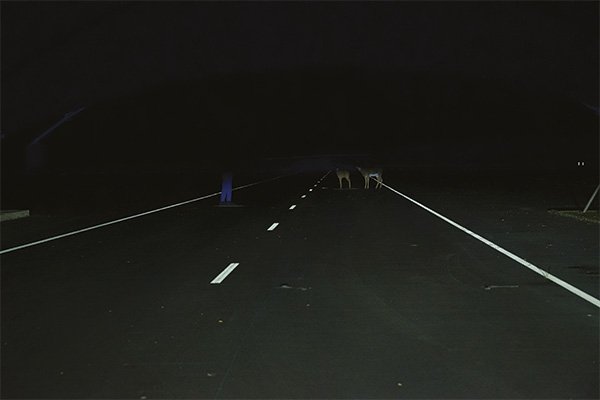
Daylight saving time ends at 2 a.m. on Sunday, Nov. 1, and for millions of commuters the drive home moves into the dark overnight. It also lands in the middle of the season when, as deer-vehicle collisions peak, a few extra feet of light can decide whether you brake in time.
That makes headlights the safety feature most worth checking before you buy. Here is how the Insurance Institute for Highway Safety grades them, which 2026 models earn its top headlight rating on every trim, and where the fine print can catch you out.
How IIHS tests headlights
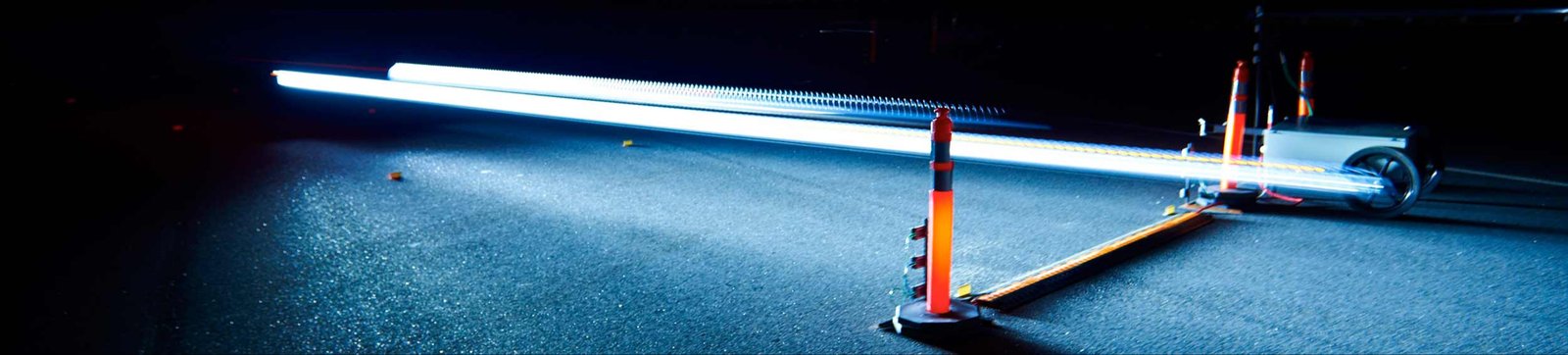
IIHS drives each vehicle at night on five approaches: a straightaway, gradual curves to the left and right, and sharp curves to the left and right. Every approach is run with low beams and high beams, and sensors record how far ahead the lights deliver at least 5 lux at 10 inches above the road. For scale, a full moon on a clear night lights the ground to about 1 lux.
The same runs measure glare for oncoming drivers. Low beams that exceed the institute's glare limits lose points, and excessive glare rules out a good or acceptable rating entirely. Vehicles with high-beam assist, which flips between high and low beams automatically, earn some credit back for weak low beams.
Crucially, IIHS tests the lights as delivered by the dealer, without adjusting the aim. When a model offers more than one headlight system, each gets its own rating.
Why the rating matters
The spread is wide. IIHS has measured low-beam reach from 125 feet to 460 feet. At 50 mph, that is the difference between roughly 2 seconds and 6 seconds to spot a hazard and react.
The institute's crash research shows the payoff. Vehicles with good-rated headlights have 19% fewer nighttime single-vehicle crashes and 23% fewer nighttime pedestrian crashes than those with poor-rated lights. Its 2021 study also found 29% fewer nighttime crashes in which the driver was injured.
Automakers have responded. In 2016, just one of more than 80 headlight systems IIHS evaluated earned a good rating. For the 2025 model year, about 51% did; for 2026 models tested so far, the figure is 46%. IIHS's 2026 Top Safety Pick and Top Safety Pick+ awards both require acceptable or good headlights on every trim, a bar 63 vehicles cleared when the awards launched in March.
2026 models with good headlights on every trim
The vehicles below carry a good headlight rating that IIHS applies to all trims of the 2026 model year, based on the institute's vehicle pages as of Oct. 1. A good headlight score is not the same thing as a good overall safety rating: several of these models have weaker results in other IIHS tests.
| Model (2026) | Segment | IIHS headlight rating |
|---|---|---|
| Nissan Sentra | Small car | Good, all trims |
| Hyundai Elantra | Small car | Good, all trims |
| Toyota Corolla sedan | Small car | Good, all trims |
| Honda Civic hatchback | Small car | Good, all trims |
| Subaru Crosstrek | Small SUV | Good, all trims |
| Honda CR-V | Small SUV | Good, all trims |
| Subaru Forester | Small SUV | Good, all trims |
| Honda Accord | Midsize car | Good, all trims |
| Hyundai Sonata | Midsize car | Good, all trims |
| Subaru Outback | Midsize SUV | Good, all trims |
| Hyundai Palisade | Midsize SUV | Good, all trims |
| Ford Explorer | Midsize SUV | Good, all trims |
| Volvo XC90 | Midsize luxury SUV | Good, all trims |
| Genesis GV80 | Midsize luxury SUV | Good, all trims |
| Audi A5 sedan | Midsize luxury car | Good, all trims |
| Mercedes-Benz GLC | Midsize luxury SUV | Good, all trims |
The list skews toward mainstream picks, which is the point. The Corolla sedan and Civic hatchback from our Civic vs. Corolla comparison both make it, as does the CR-V, whose standard LED reflectors throw low-beam light about 281 feet down the straightaway and high beams roughly 481 feet. Subaru's Forester, whose 2027 lineup we priced last month, earns the rating for 2026 as well.
Where the trim or build date matters
A good rating on one version does not guarantee it on the one at the dealer. The 2026 Toyota Camry, an IIHS Top Safety Pick+, rates acceptable for headlights rather than good. The 2027 Kia Telluride earns good headlights only on SUVs built after June 2026; earlier examples left the factory with lights IIHS graded marginal. The build date is printed on the driver's door jamb.
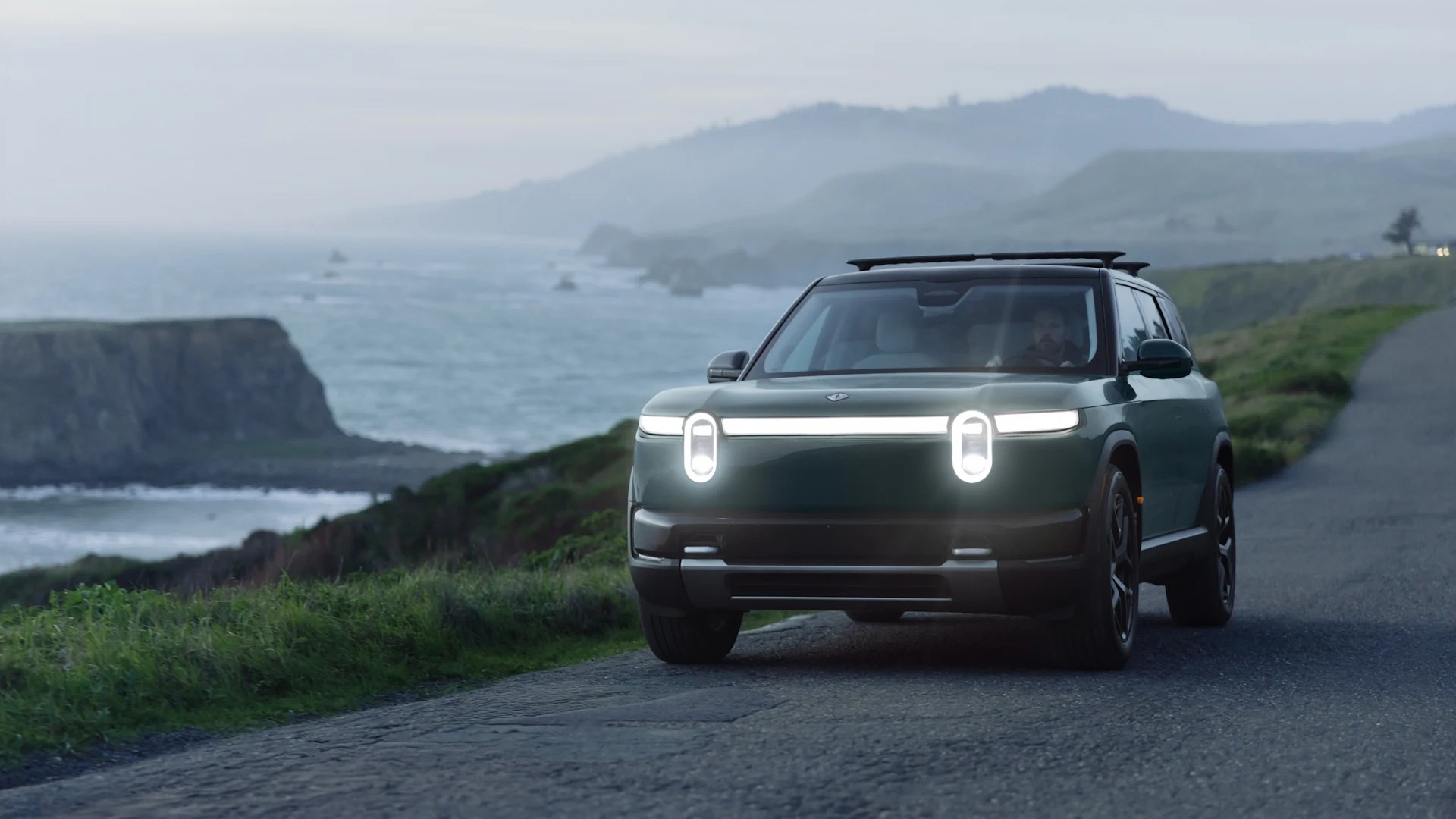
Fancier hardware is no guarantee either. The 2026 Rivian R1S rates acceptable: IIHS found good visibility from both beams, but its low beams produced some glare for oncoming drivers.
Glare: real annoyance, small crash factor
If brighter lights feel blinding, the data puts that in perspective. In an IIHS study published in October 2025, glare was cited in only one or two of every 1,000 nighttime crashes across 11 states from 2015 to 2023, with no upward trend as headlights improved.
"Although it can certainly be uncomfortable, headlight glare contributes to far fewer crashes than insufficient visibility." — David Harkey, IIHS president
Glare is also falling in IIHS testing: 21% of headlight systems on 2017 models produced excessive glare, against 5% of those tested on 2026 models. The bigger gap is driver behavior. In an IIHS and University of Michigan study, only 18% of drivers who could have used their high beams did so.
Matrix headlights are still rare in the U.S.
Adaptive driving beam headlights, often called matrix lights, keep the high beams on while dimming only the segments aimed at other vehicles. Europe has had them for more than a decade. NHTSA allowed them on Feb. 22, 2022, then on Dec. 30, 2024, denied all 12 petitions from automakers, suppliers, trade groups, and IIHS itself asking it to rework the requirements.
IIHS says no vehicle on the U.S. market had working adaptive driving beams at the end of 2024, and that only a few manufacturers offer them now. Rivian says its in-house system, launched on second-generation R1 models in 2025, was the first adaptive matrix headlight activated in the U.S., and it offers the tech on the R2.
What we don't know yet
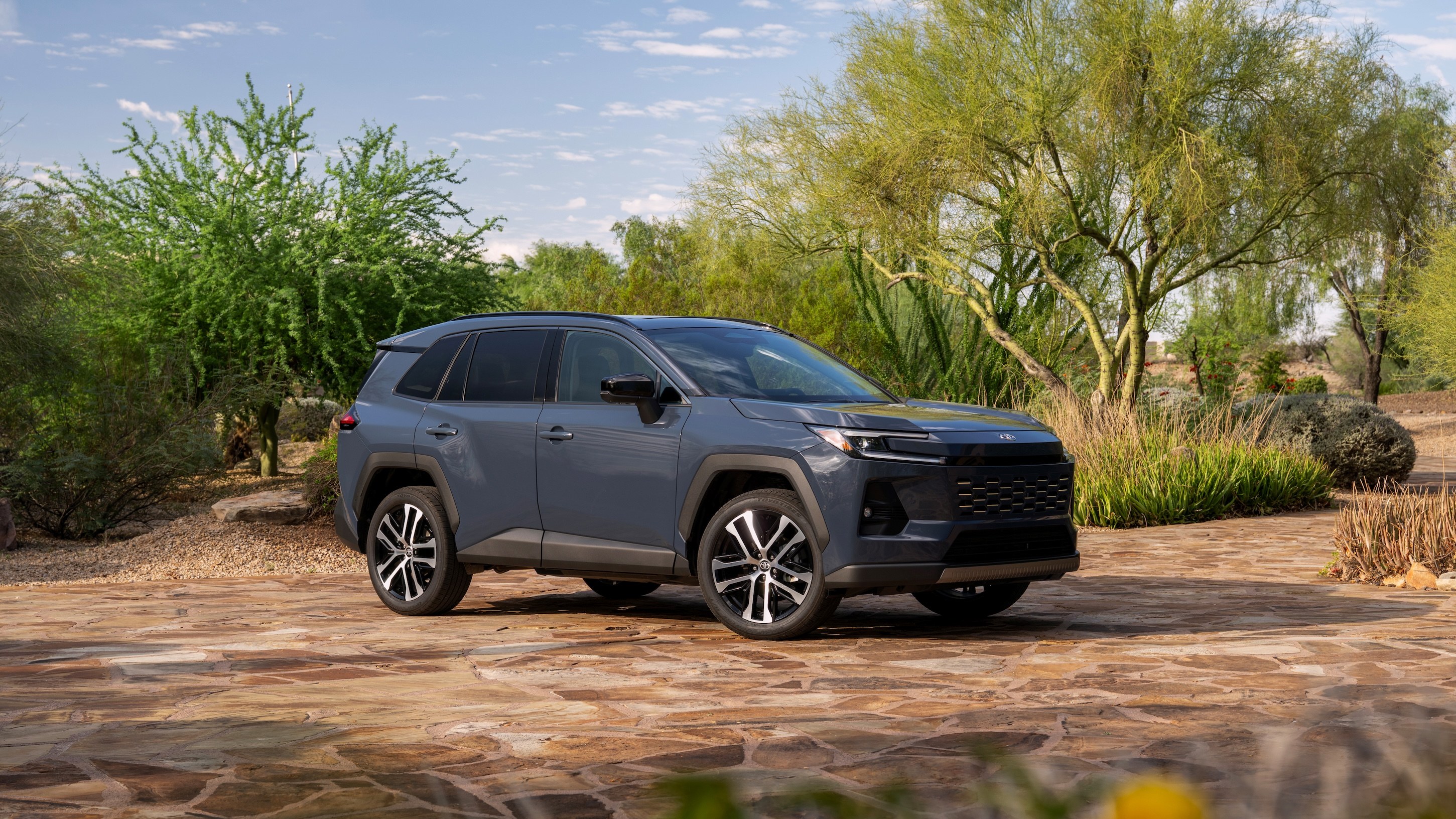
- IIHS has not published a headlight rating on its 2026 Toyota RAV4 page, so the RAV4 is missing from this list.
- Ratings for the 2027 model year are still rolling out, and results can change with a redesign or a midyear fix.
- There is no timeline for when adaptive driving beams will be common on mainstream U.S. models.
How to get the most from the lights you have
- Look up your exact model year and trim on the IIHS ratings page; the headlight section lists which trims each rating covers.
- Have the aim checked. IIHS tests lights as delivered, and aim alone can move a rating: the 2022 Mitsubishi Outlander went from poor to good after the automaker adjusted it.
- Clean the lenses, and restore or replace yellowed, hazy ones.
- Use your high beams on empty roads, or switch on high-beam assist if your car has it.
- Skip aftermarket bulb swaps and tinted covers. They change the beam pattern IIHS measured, and the rating no longer describes your car.
Finally, run the VIN through NHTSA's recall lookup before you sign. Headlight hardware can fail too: Ford is recalling some new Expedition and Super Duty models over an LED chip that can knock out the low beams, high beams, or running lights.