Lucid and Bolt Plan 25,000 Robotaxis for Europe — Built on a Car That Doesn't Exist Yet
Bolt will own and run a fleet of at least 25,000 Level 4 Lucid EVs — but the Midsize platform they depend on was just delayed to late 2027.
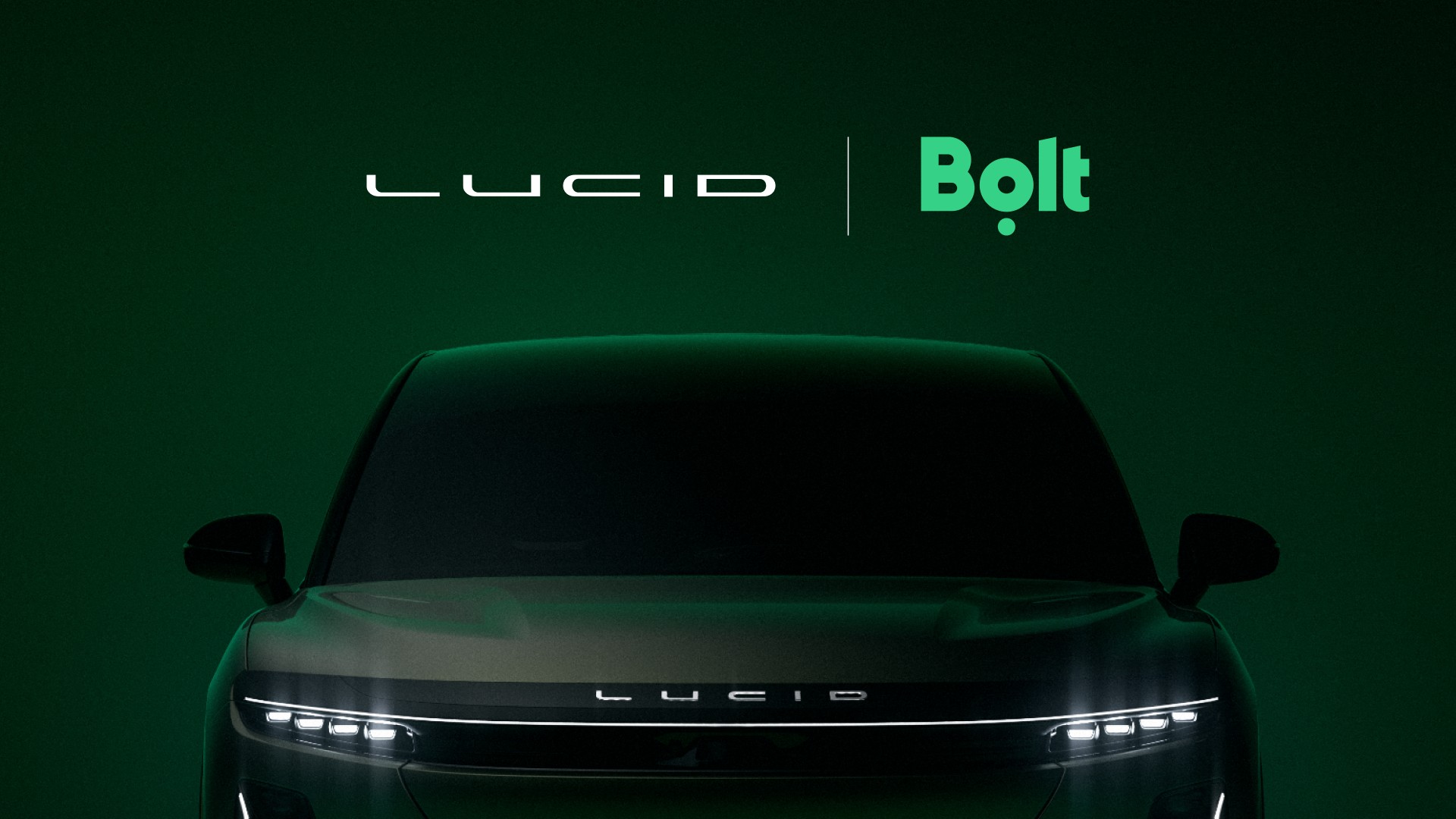
Bolt, Europe's largest ride-hailing platform, plans to put at least 25,000 fully autonomous Lucid EVs on European streets, the two companies announced on September 17. It is Lucid's second large robotaxi commitment in just over a year, and the first that takes the automaker's driverless ambitions outside the US.
The vehicles will ride on Lucid's upcoming Midsize platform and are being engineered for SAE Level 4 operation, meaning no human behind the wheel within a defined service area. NVIDIA's Hyperion architecture is expected to supply the compute and the standardized sensor set. Rather than retrofitting a consumer car, the partners say they will design the robotaxi together from the product-development stage.
Bolt intends to own and operate the fleet itself through Bolt Autonomous Driving Solutions, its in-house autonomy unit, which will set the vehicle, software, and safety requirements and handle city partnerships. On Lucid's side, the program sits with Lucid Technologies, a newly created division that pulls the company's AI, driver-assistance, and autonomy work under one roof.

"Autonomous driving in Europe requires data, software, vehicles, and operations to work as one system built for European roads and regulation," said Bolt founder and CEO Markus Villig.
The car doesn't exist yet
The 25,000-vehicle target rests on hardware Lucid has not built. The first Midsize model was pushed back by nearly a year, to the second half of 2027, as part of the restructuring Lucid announced in August, which also cut roughly 20 percent of the workforce and followed the arrival of new CEO Silvio Napoli.

Two more pieces are missing. Hyperion is sensors and compute, not a self-driving brain: the companies say they will work with autonomous-driving technology partners, but haven't named any. And unlike Lucid's American robotaxi deal, this one comes with no disclosed investment and no launch date. Investors shrugged off the gaps, sending Lucid stock higher on a day the shares remained down more than 60 percent for the year.
Everyone wants Europe
Bolt has been assembling its autonomy program piece by piece: a Level 4 agreement with Stellantis last December, a "Living Lab" pilot in Luxembourg with Stellantis and China's Pony.ai announced in June, and an NVIDIA partnership earlier this year. The Lucid order is its largest commitment yet toward a stated goal of 100,000 autonomous vehicles on the platform by 2035.
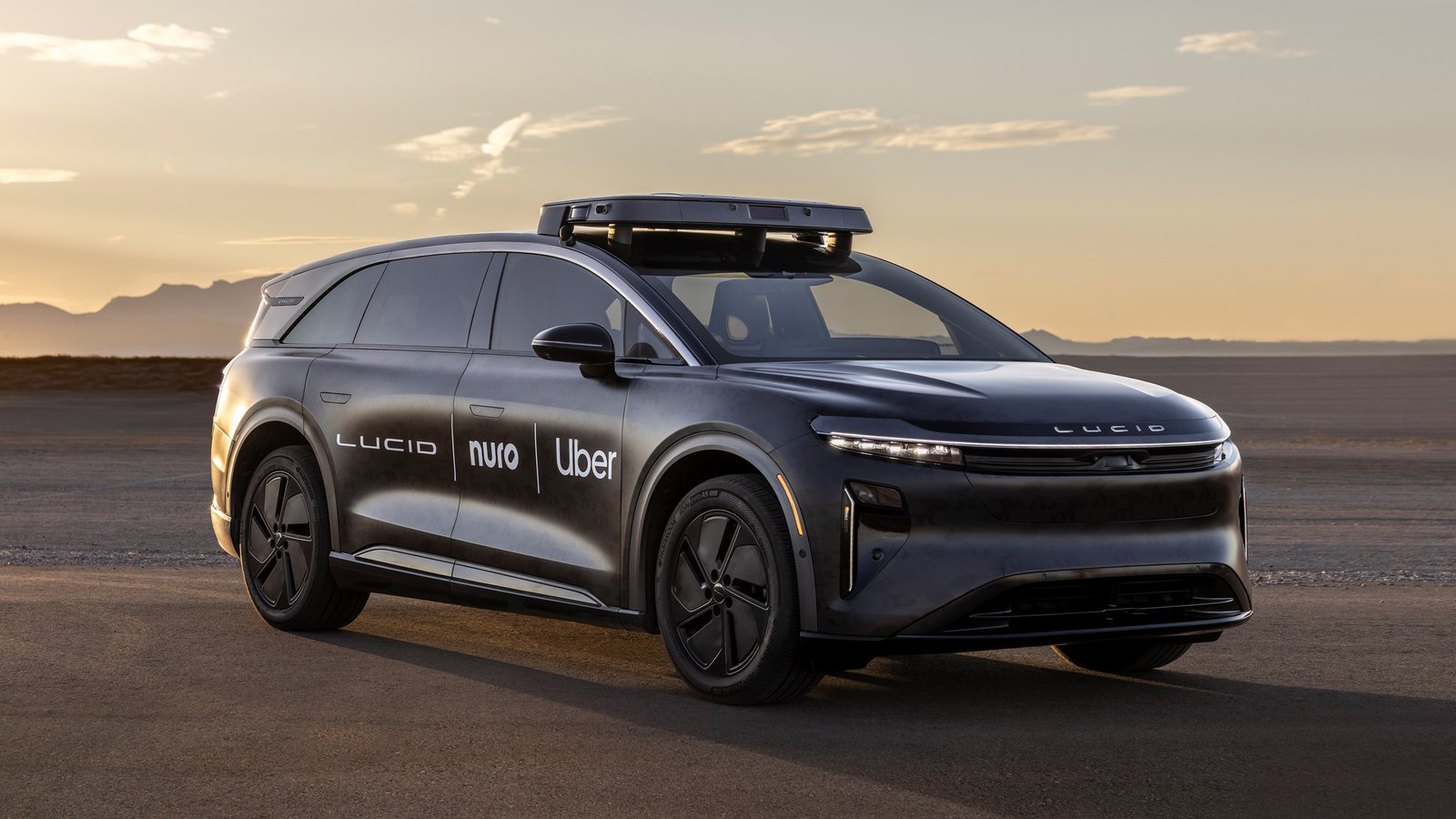
Lucid, meanwhile, is running its American playbook a second time. Its agreement with Uber calls for more than 35,000 vehicles over six years, backed by $750 million in fresh capital, with Nuro supplying the autonomous driver, a commercial launch planned in the San Francisco Bay Area later this year, and Houston to follow in mid-2027. In Europe, the driver's seat, figuratively speaking, is still open.
The timing is no accident. Waymo is targeting a fourth-quarter 2026 commercial launch in London, its first European market, while Uber and UK startup Wayve are preparing Level 4 trials in the same city. Bolt's counter is scale it already has: more than 200 million customers across 850-plus cities in over 50 countries.
Neither company said when the first Lucid robotaxi will pick up a paying Bolt rider. With the Midsize platform now due in late 2027 and approvals needed market by market across Europe, the 25,000 figure is a destination, not a schedule — which is why both companies keep pointing at 2035.