Feds Open Probe Into Comma.ai After Fatal Crashes With Aftermarket Hands-Free Devices
Five crashes, three deaths, and a regulator now looking beyond comma's own code to the openpilot forks built on top of it.
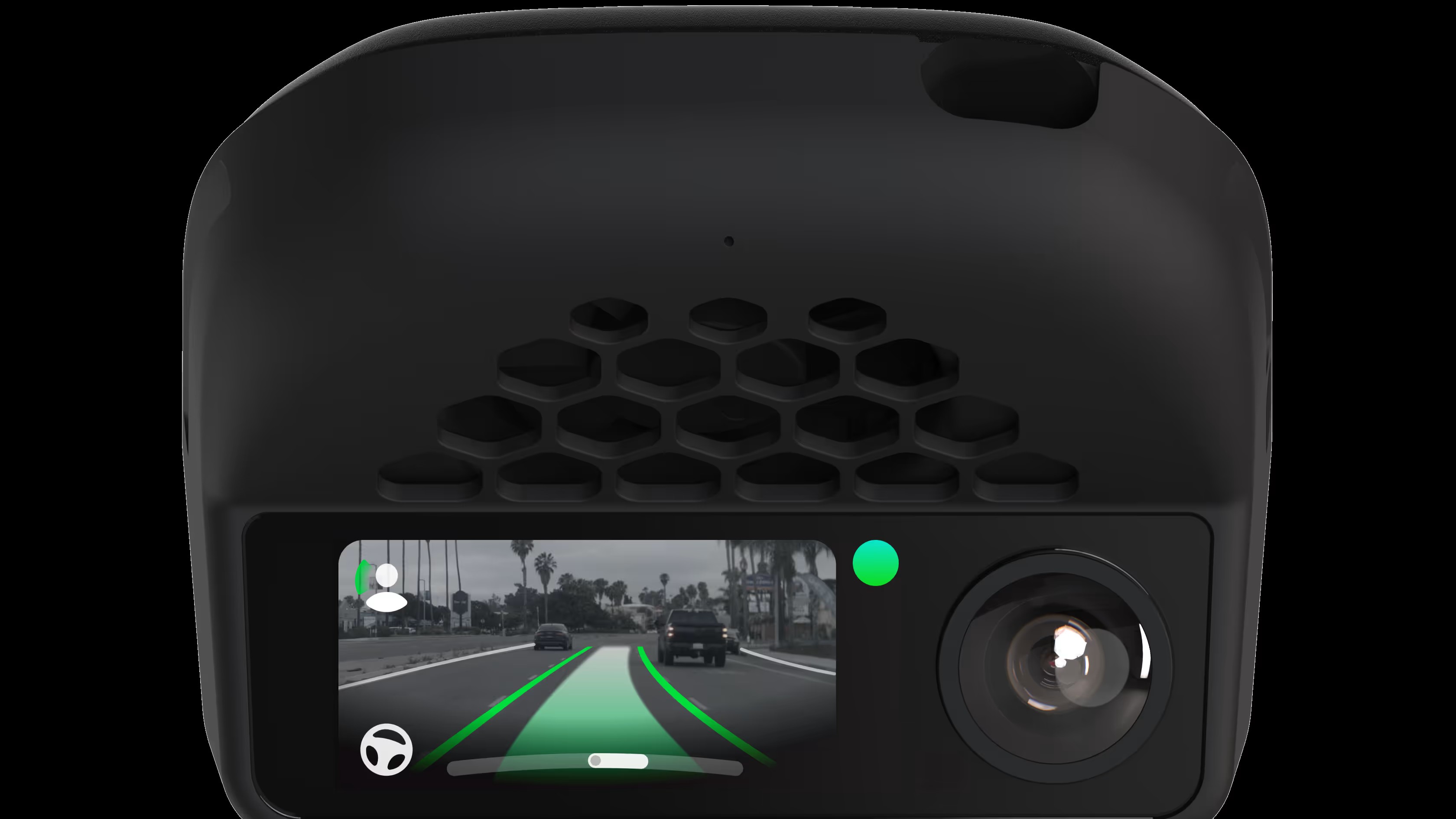
Federal safety regulators have opened an investigation into comma.ai, the startup that sells plug-in hardware promising hands-free driving in cars that never offered it from the factory. The National Highway Traffic Safety Administration is examining five crashes in which vehicles fitted with comma devices hit stopped or slow-moving traffic in their own lane. Three people died in two of those crashes.
NHTSA's Office of Defects Investigation opened the preliminary evaluation, PE26007, on September 21, and it became public on September 23. It covers the comma three, comma 3X, and comma four devices, plus openpilot, the open-source software they run. The agency puts the affected population at roughly 30,000 units.
According to the agency's opening document, investigators have confirmed the system was switched on or engaged in more than one of the crashes. Early data points to the system possibly failing to recognize or react to the vehicle ahead. Eleven other people were hurt across four of the crashes, some of them seriously.
Investigators will pull data on what the system was doing in each crash and judge whether its performance and built-in safeguards hold up. comma.ai hadn't commented by publication time. Reuters reports the company says more than 30,000 vehicles have covered 402 million miles with its devices.
How comma differs from BlueCruise, Super Cruise, and Autopilot
Ford, GM, and Tesla engineer their systems for specific vehicles and answer to NHTSA as the manufacturer of the whole car. comma sells an accessory that the owner installs. A wiring harness connects the unit to the car's existing systems, and it combines its own cameras with the factory sensors to control speed and steering.
NHTSA's filing notes that comma advertises a 15-minute self-install and support for more than 325 car models. The company also tells buyers the driver must stay alert and be ready to take over at all times.
Factory systems wrap their hands-free modes in tighter limits. GM's Super Cruise, for instance, only goes hands-free on roads GM has mapped with lidar, and an infrared camera on the steering column tracks the driver's eyes. comma's device also watches the driver with a camera, TechCrunch reports.
None of that makes factory systems immune to the same blind spot. NHTSA escalated its BlueCruise probe to an engineering analysis in January 2025 after two fatal nighttime crashes in which Mustang Mach-Es hit stationary vehicles at more than 70 mph. The agency found Ford had designed its adaptive cruise control to ignore stationary objects at 62 mph and above to avoid false alarms. In December 2023, Tesla recalled just over 2 million vehicles to tighten Autopilot's driver-monitoring checks. We've covered what Tesla's crash data shows and what changed when Tesla dropped Autopilot.
comma's own website warns that openpilot's cruise control can struggle with non-moving vehicles in the lane and is deliberately limited in how hard it can brake, according to TechCrunch.
Why the forks matter
Because openpilot is open source, anyone can copy and modify it. These modified versions are known as forks. NHTSA says that when a fork is involved in a crash, it will look at the incident and at the components the fork shares with openpilot.
That matters because not every crash may have involved comma's own code. TechCrunch reports that one fatal crash appears to have happened in February 2026 in Ascension Parish, Louisiana. In that crash, a 2022 Toyota RAV4 running FrogPilot, a third-party fork, struck an unoccupied police vehicle parked in the left lane with its emergency lights on. Louisiana State Police said two rear-seat passengers in the Toyota were killed, according to the report.
NHTSA hasn't said which software was running in each of the five crashes. That split will shape how far any action reaches, and whether code comma didn't write ends up counting against it.
What happens next
A preliminary evaluation is the first stage of an NHTSA defect probe. If investigators find enough evidence, they can upgrade it to an engineering analysis, which can lead to a recall. No recall has been issued so far.