Your Car Says ‘Park Outside.’ Here’s What You Actually Have to Do
Nearly 3.2 million U.S. vehicles carry an unrepaired fire-risk recall that tells owners to keep them out of the garage. Here is what the notice obliges you to do, and the 13 campaigns active in October.
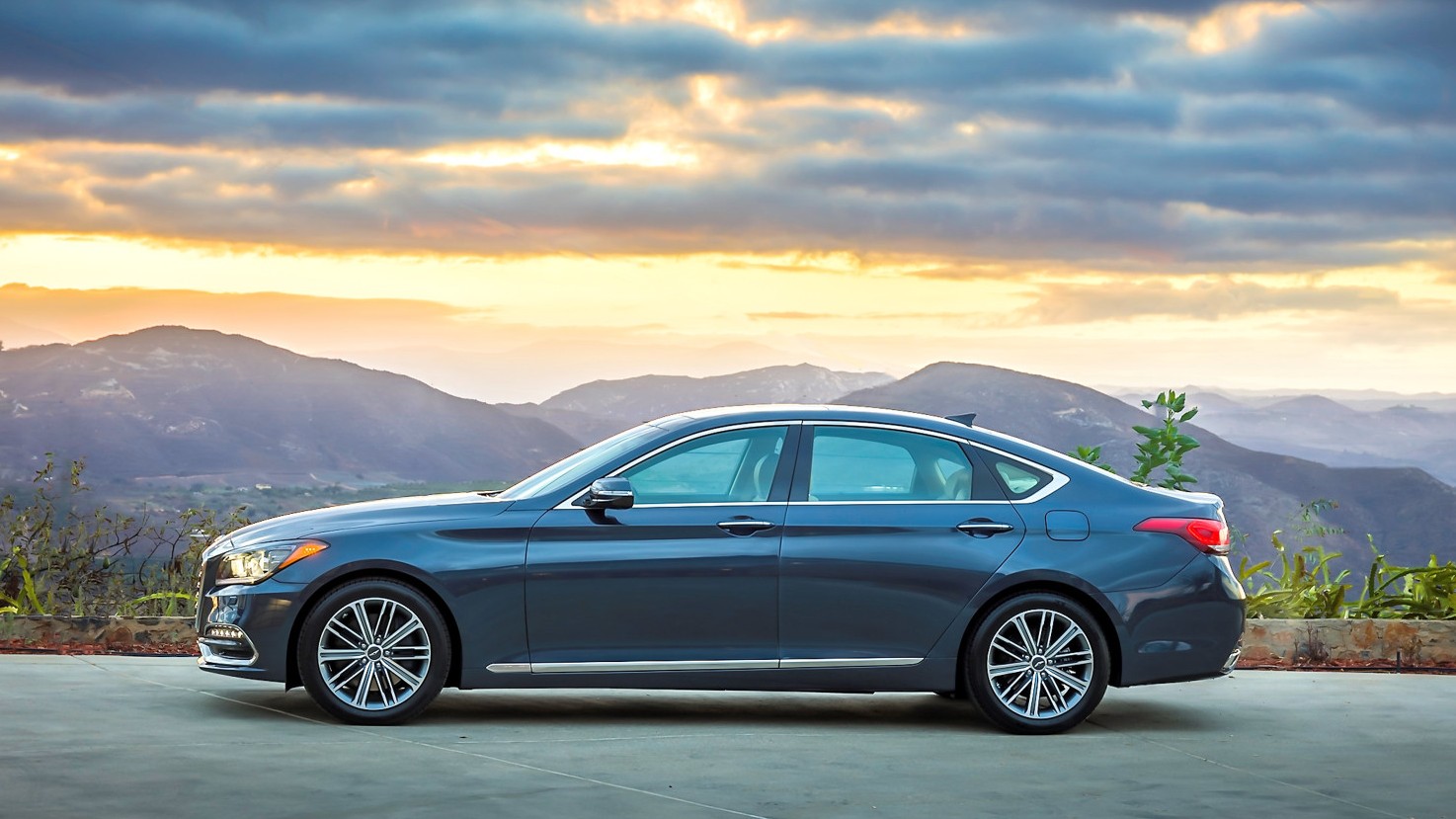
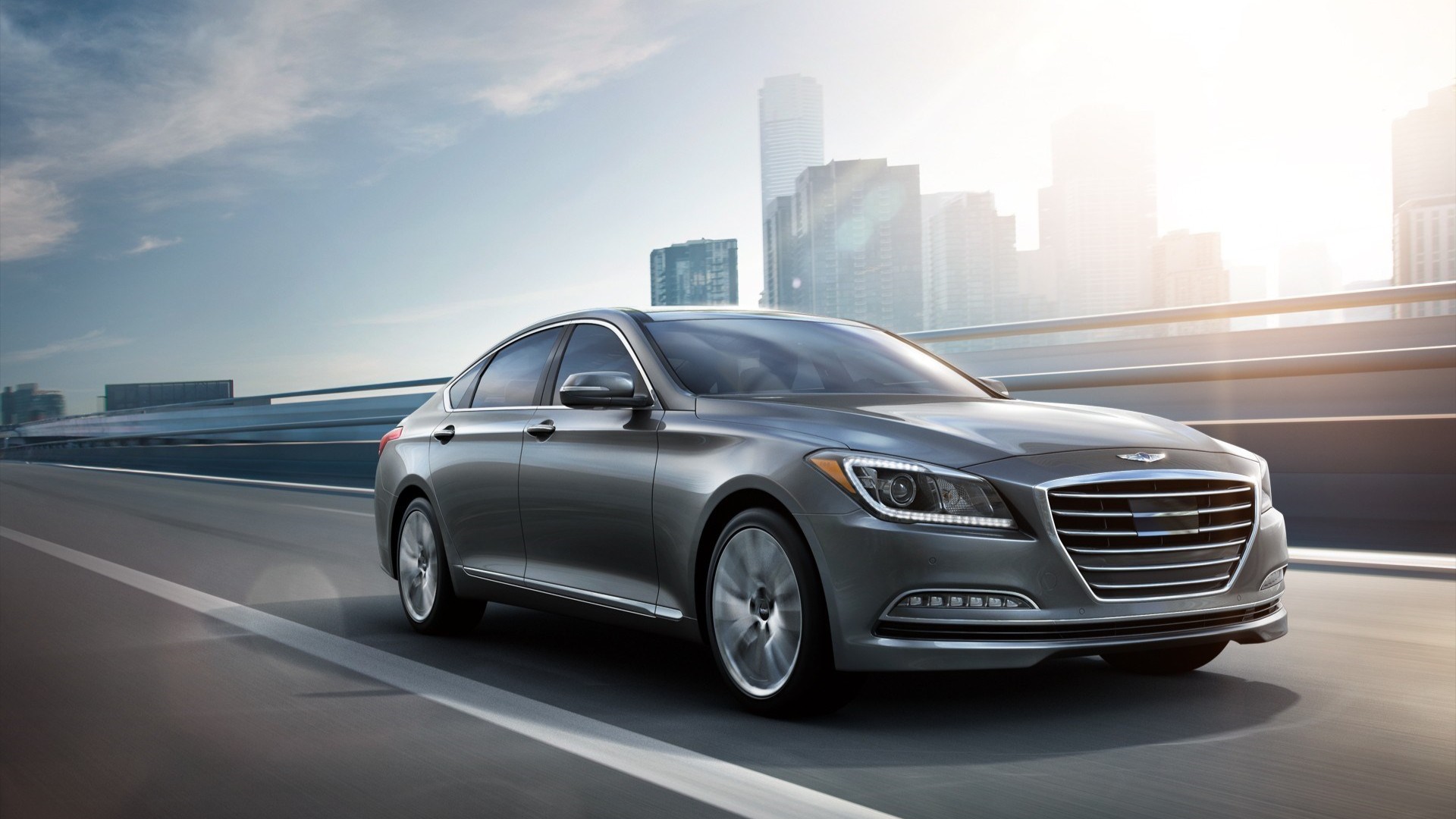
If you own a 2017–2020 Genesis G80 or a 2015–2016 Hyundai Genesis, a letter is coming in December that tells you to park outside and away from buildings until further notice, because a seat switch can keep the seat motor running until it catches fire. There is no fix yet. That makes it the newest entry on a list that has grown faster this year than at any point since the federal government started using the phrase: by mid-2026, Carfax counted roughly 3.2 million vehicles on U.S. roads under an unrepaired "park outside" recall, and NHTSA confirmed the figure.
Here is what the warning actually means, what you are and are not obliged to do, and which vehicles are under one right now.
What "park outside" means
NHTSA attaches the advisory to a recall when the defect can start a fire while the vehicle is switched off and unattended. That is the distinction from an ordinary fire-risk recall: a wiring fault that only matters while the engine is running does not get the label; a seat switch, a starter relay, a power-steering connector, or a high-voltage battery that can heat up in a closed garage overnight does. Since March 2022, a recall carrying the advisory shows a red box at the top of the page when you run your VIN at NHTSA.gov/recalls.
The instruction is almost always the same wording: park outside and away from other vehicles and structures until the recall repair is complete. For plug-in hybrids and EVs it usually adds a charging rule, either "do not charge" (the Jeep 4xe campaign) or a cap, typically 70 or 80 percent, as with the Mercedes EQB, the Volvo EX30, and the Volkswagen ID.4 battery recall.
Is it legally binding?
Not on you. Federal recall law puts the obligations on the manufacturer: it must notify you by first-class mail within 60 days of deciding to recall, and it must fix the defect for free, by repair, replacement, or a refund less depreciation, for any vehicle up to 15 years old. There is no statute that requires an owner to park in a particular place, and NHTSA's own consumer brochure describes the advisory as guidance. What it does do is shift the risk calculation: if a recalled vehicle burns inside an attached garage, the record showing you were warned exists, and that is a conversation you do not want to have with an adjuster.
A "park outside" notice is also not a "do not drive" notice. NHTSA separates the two. Most of the current fire-risk campaigns, including the Genesis seat switch, allow the car to be driven; the risk being managed is where it sits for the other 22 hours of the day.
What to do, in order
- Run the VIN at NHTSA.gov/recalls or in the SaferCar app, even if you have had no letter. Letters lag the filing by weeks; the Genesis VIN lookup went live October 13 and owner mail is scheduled for December 6.
- Follow the charging instruction if there is one. For the Jeep Wrangler 4xe and Grand Cherokee 4xe that means no charging at all until the battery fix exists; a charged pack burns hotter than a depleted one.
- Park where the letter says. If you cannot, because you live in an apartment with underground parking or have no driveway, Consumer Reports' advice is to ask the dealer or the automaker's customer line about alternative transportation. Some manufacturers offer loaners while a remedy is pending; it is not required by law and it is not advertised.
- Watch for the second letter. When a recall is filed without a remedy, the first notice only tells you about the risk. A second notice arrives when parts and a procedure exist. Dealers cannot fix what has not been engineered.
- Keep receipts. If you paid for a related repair before the recall, the Part 573 filing for most campaigns, including the Genesis one, includes a reimbursement plan.
- If a dealer refuses a free recall repair, go to the manufacturer first, then NHTSA's Vehicle Safety Hotline at 888-327-4236.
Which vehicles are under a park-outside advisory right now
These are the campaigns we verified against NHTSA's filings as of October 16, 2026. "No remedy" means the fix has not been designed; "remedy available" means it exists but the fleet is not yet repaired, which is the condition most of these are in.
- 2017–2020 Genesis G80 and 2015–2016 Hyundai Genesis — 94,622 vehicles, NHTSA 26V664. Front power-seat switch can dislodge and keep the motor running; two fires in the U.S. No remedy. Owner letters December 6, 2026.
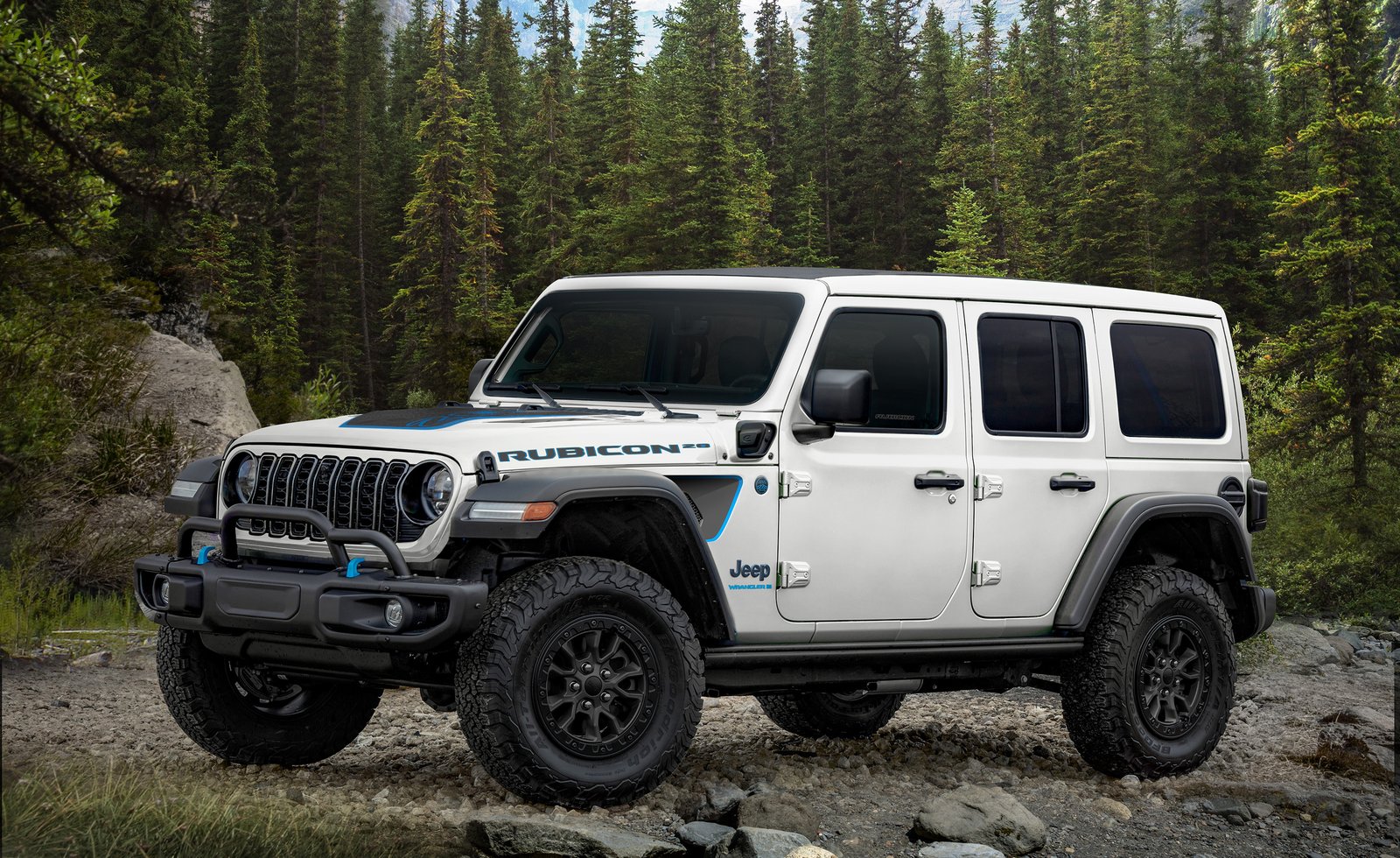
- 2021–2025 Jeep Wrangler and Gladiator — 1,076,999 vehicles, 26V363. Electric power-steering pump connector overheats, ignition on or off; NHTSA counted 51 fires and one injury before the June recall. Inspect-and-repair remedy; owner letters went out in July and August.
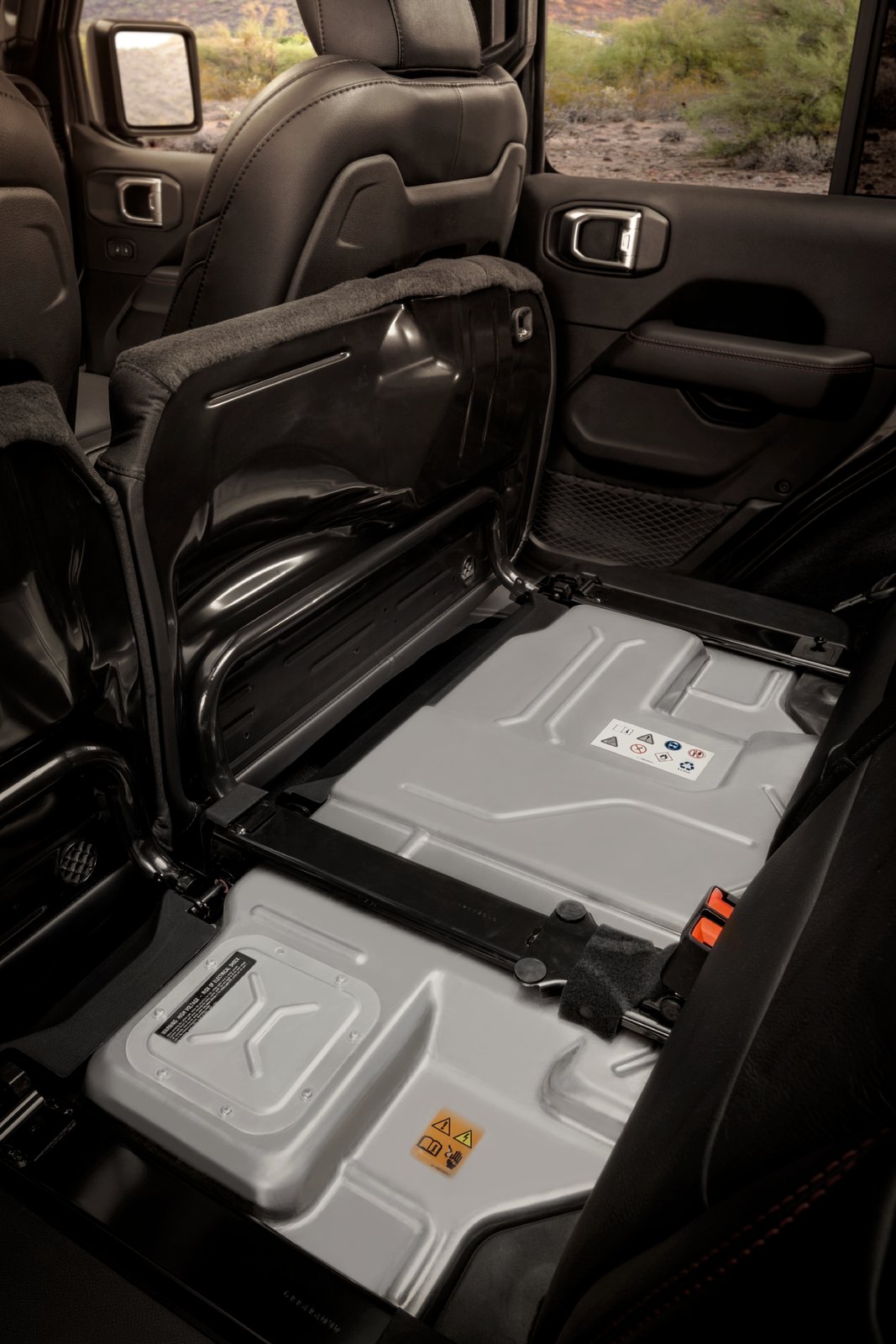
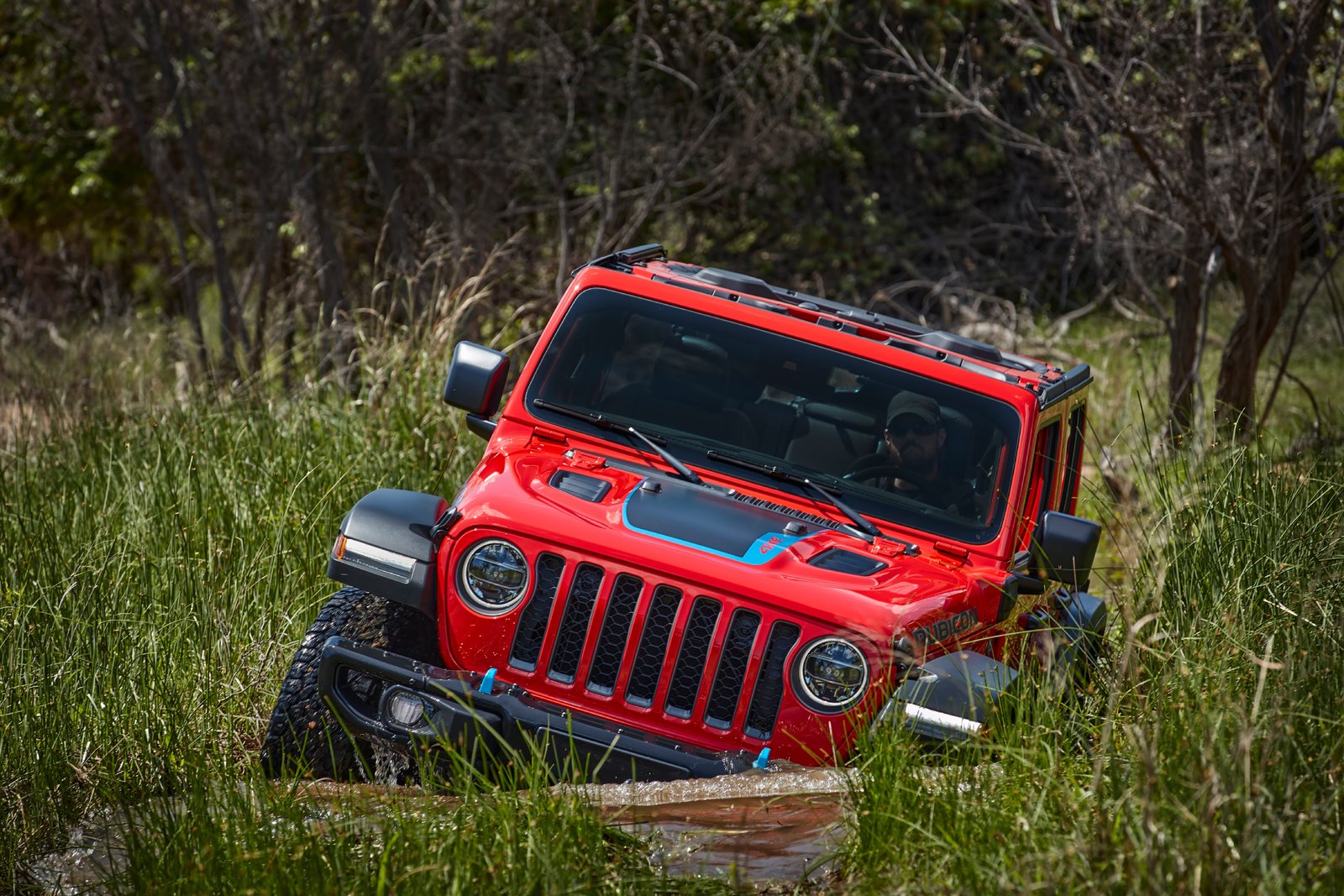
- 2020–2025 Jeep Wrangler 4xe and 2022–2026 Grand Cherokee 4xe — 320,065 vehicles, 25V741. High-voltage battery fires; 19 so far, nine of them after an earlier software fix that NHTSA now calls ineffective. No remedy, and do not charge.
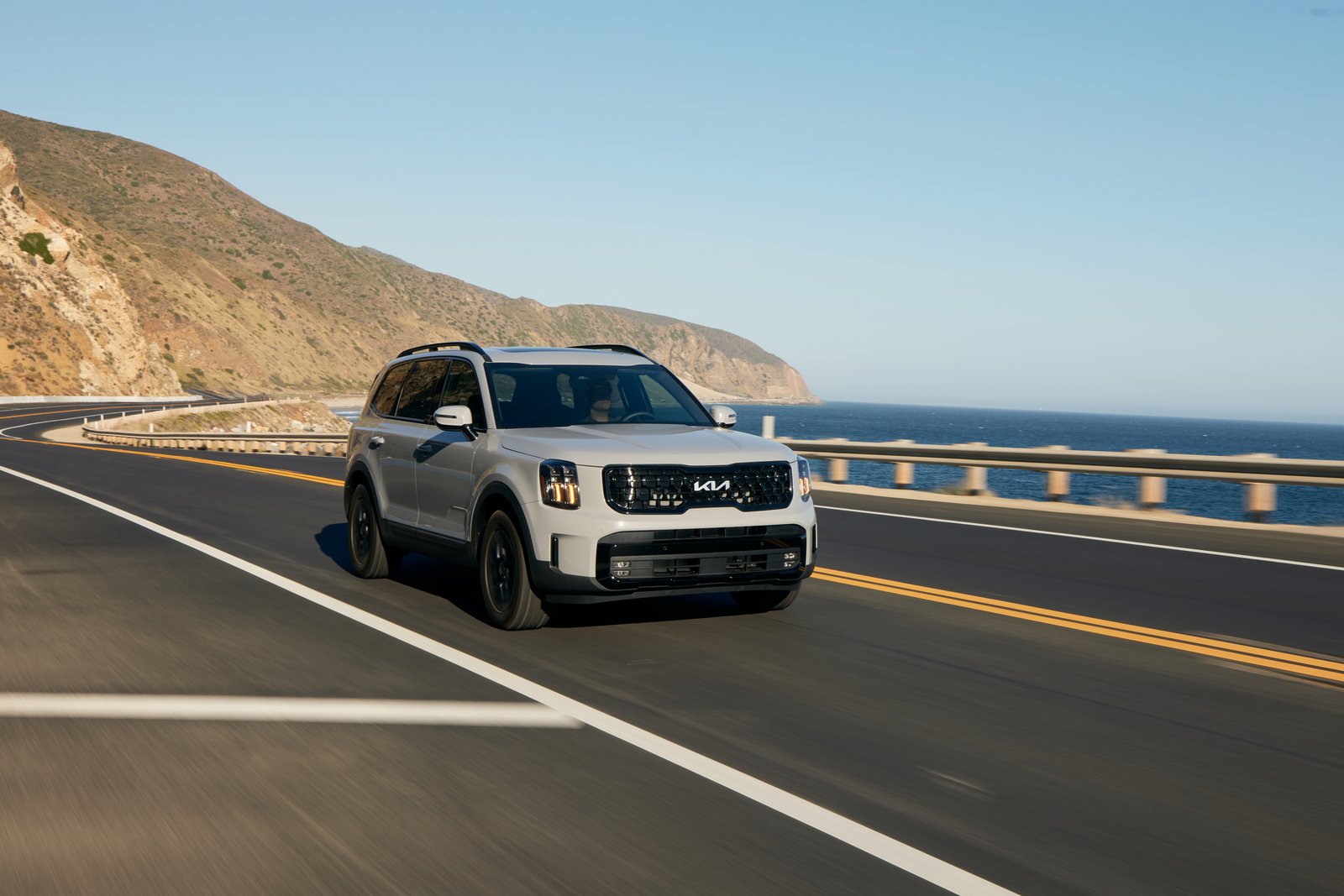
- 2020–2024 Kia Telluride — 462,869 vehicles, 26V430. The same power-seat-switch failure mode as the Genesis, in a second attempt after a 2024 recall; dealers install an electronic fuse. Owner letters went out in August.
- 2020–2022 Chrysler Pacifica Plug-in Hybrid — 17,277 vehicles, 26V362. Traction battery can ignite while parked; software update plus pack inspection, and do not charge until done.
- 2016–2020 BMW 330e, 530e, and 740Le plug-ins — 29,119 vehicles, 26V441. Starter relay corrosion; starter replacement, letters mailed in August. A separate 2025 campaign (25V636) covers about 196,000 gas BMWs and the 2020–2022 Toyota Supra for the same relay, with parts still being phased in.
- 2022–2024 Mercedes-Benz EQB — 11,895 vehicles, 26V073. High-voltage battery; final remedy not yet available, charge to no more than 80 percent.
- 2025 Subaru Forester Hybrid and 2026 Crosstrek Hybrid — 69,153 vehicles, 26V106. Fuel-filler cap seal can leak when the tank is full and hot; new gasket, and keep the tank below half until it is fitted.
- 2022–2026 Lucid Air — 27,185 vehicles, 26V540. Exterior lighting circuit without overcurrent protection; the fix is an over-the-air update, and owner letters are dated October 16.
- 2022–2026 Ford Escape Plug-in Hybrid and 2023–2026 Lincoln Corsair Plug-in Hybrid — 25,237 vehicles, 26V091. Battery cells built before October 2024; the amended July filing carries the park-outside flag, though Ford's earlier owner letters only limited charging and recommended Auto EV mode. Check the VIN page for the red box.
- Small-volume battery campaigns with the same advisory: 2023–2024 VW ID.4 (670 vehicles), 2025 Volvo EX30 (40), 2022–2024 Kia EV6 and 2024 EV9 (8), 2023–2024 Hyundai Ioniq 5 (6), and the 2026 Nissan Leaf (51).
Two campaigns are often listed as park-outside recalls and are not: the 565,691-vehicle Ford Bronco wiring recall from July carries a fire risk but no parking advisory in its filing, and the Toyota RAV4 Plug-in Hybrid recall is a power-loss defect, not a fire one.
Why the list is getting longer
Between 2015 and 2019 NHTSA issued roughly one park-outside recall a year, according to a Washington Post analysis of agency data published in August. There were 10 in 2024 and 17 in the first seven months of 2026, eight of them in June and July alone. The Jeep steering recall by itself added a million vehicles in a week and pushed Carfax's running total up by about half.
Two things are driving it. One is electrification: high-voltage batteries fail in ways that produce the "fire while parked" condition by definition, which is why the Jeep 4xe, Pacifica, EQB, EX30, ID.4, and Escape campaigns are all on the list. The other is repeat recalls. The Telluride seat switch is on its second campaign, the Jeep 4xe battery on its third, and the Genesis G80 now sits under a second park-outside recall after the 2024 starter-solenoid campaign; we saw the same pattern this week with Honda recalling tire repair kits for the second time. A remedy that does not work does not end the advisory, it extends it.
What we don't know yet
- When Hyundai will have a fix for the Genesis seat switch. The filing says "under development" and gives no date beyond the December owner mailing.
- Whether the Jeep 4xe battery remedy exists yet. Every document NHTSA has published still says it does not.
- How many of the 2026 campaigns with an available fix have actually been completed. NHTSA publishes completion rates quarterly, with a lag.
- The exact status of the Ford Escape and Corsair PHEV advisory, which differs between Ford's owner letters and the amended federal filing.
What's next
The Genesis letters land December 6, and NHTSA's next quarterly completion-rate data will show how much of the Jeep million has been repaired. If you drive anything on the list above, the VIN check takes a minute and the answer may have changed since the last time you looked.