Hyundai Recalls 94,622 Genesis Sedans for Seat-Motor Fire Risk — and Tells Owners to Park Outside
A jammed power-seat switch can run the motor until it burns, so Hyundai wants 2015–2020 Genesis and G80 sedans parked away from buildings until a fix arrives — nearly five years after the first U.S. fire was reported.
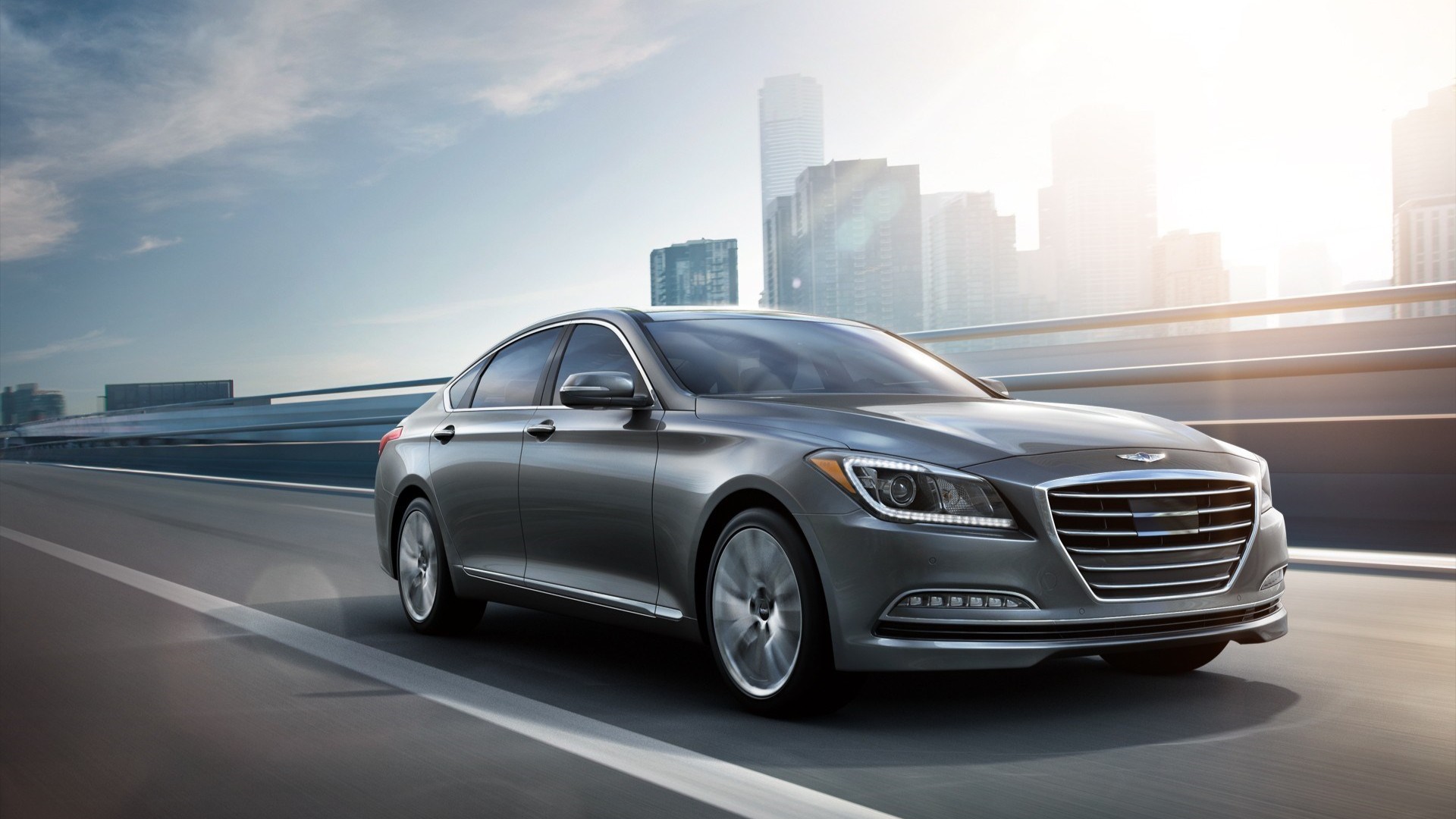
Hyundai is recalling 94,622 sedans in the U.S. because a front power-seat switch can jam in the "on" position, run the seat motor until it overheats, and start a fire — with the car parked and nobody inside. There is no fix yet, so Hyundai's advice to owners of the 2015–2016 Hyundai Genesis and 2017–2020 Genesis G80 is to park outside, away from buildings and other cars, until a repair exists.
The filing lands less than a month after Hyundai's Ioniq 9 power-seat recall, though the two defects are unrelated. What sets this one apart is the paper trail: Hyundai's own chronology in its Part 573 report to NHTSA shows the company knew about the first U.S. seat fire in December 2021 and spent nearly five years watching the numbers before deciding to act.
What goes wrong
The recall (NHTSA campaign 26V664, Hyundai 308 and Genesis 035G) covers 54,644 Hyundai-badged Genesis sedans built between February 2014 and February 2016, and 39,978 G80s built from March 2016 to November 2019. Both are the same car, renamed when Genesis became a standalone brand. Hyundai estimates 1 percent of them have the defect.
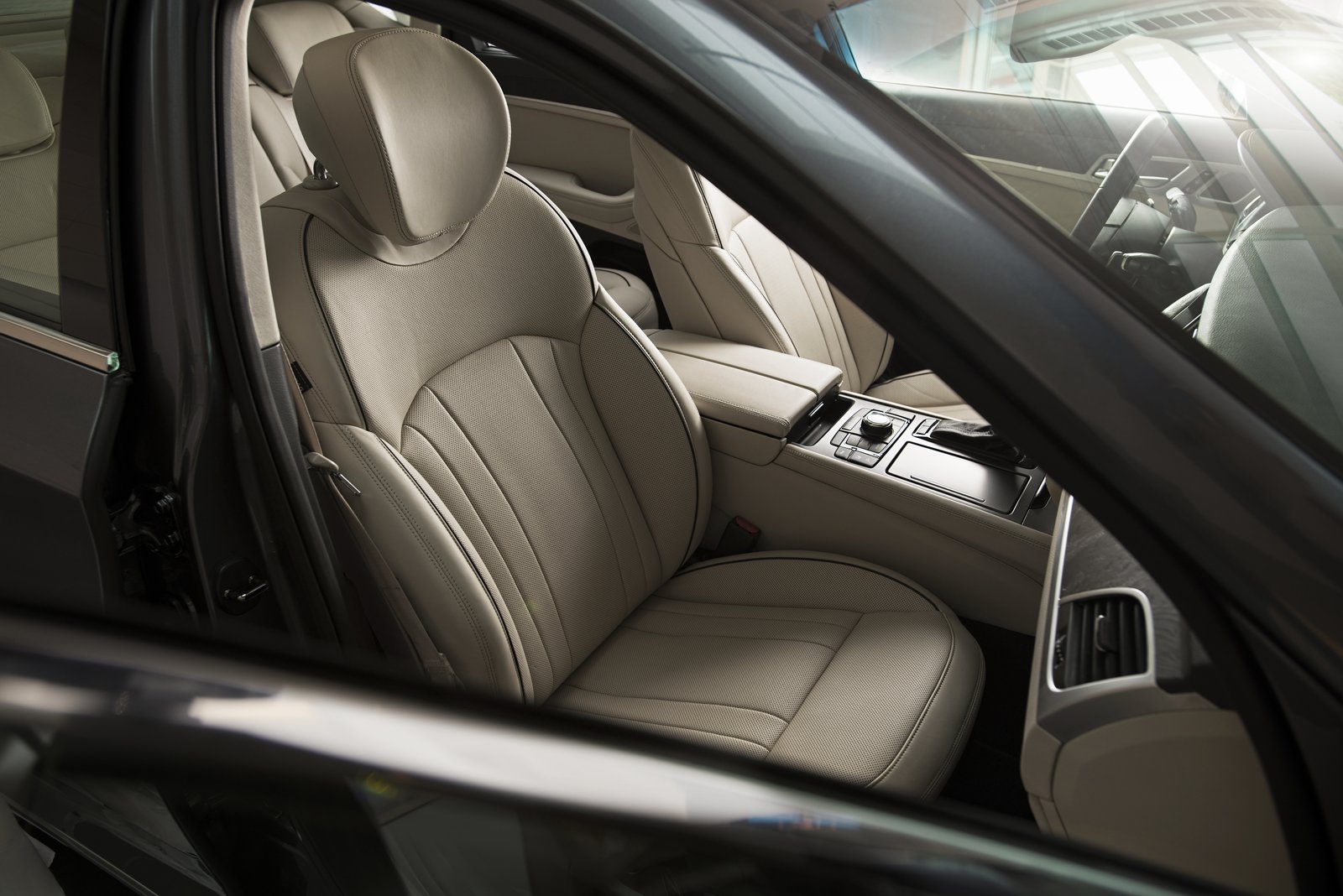
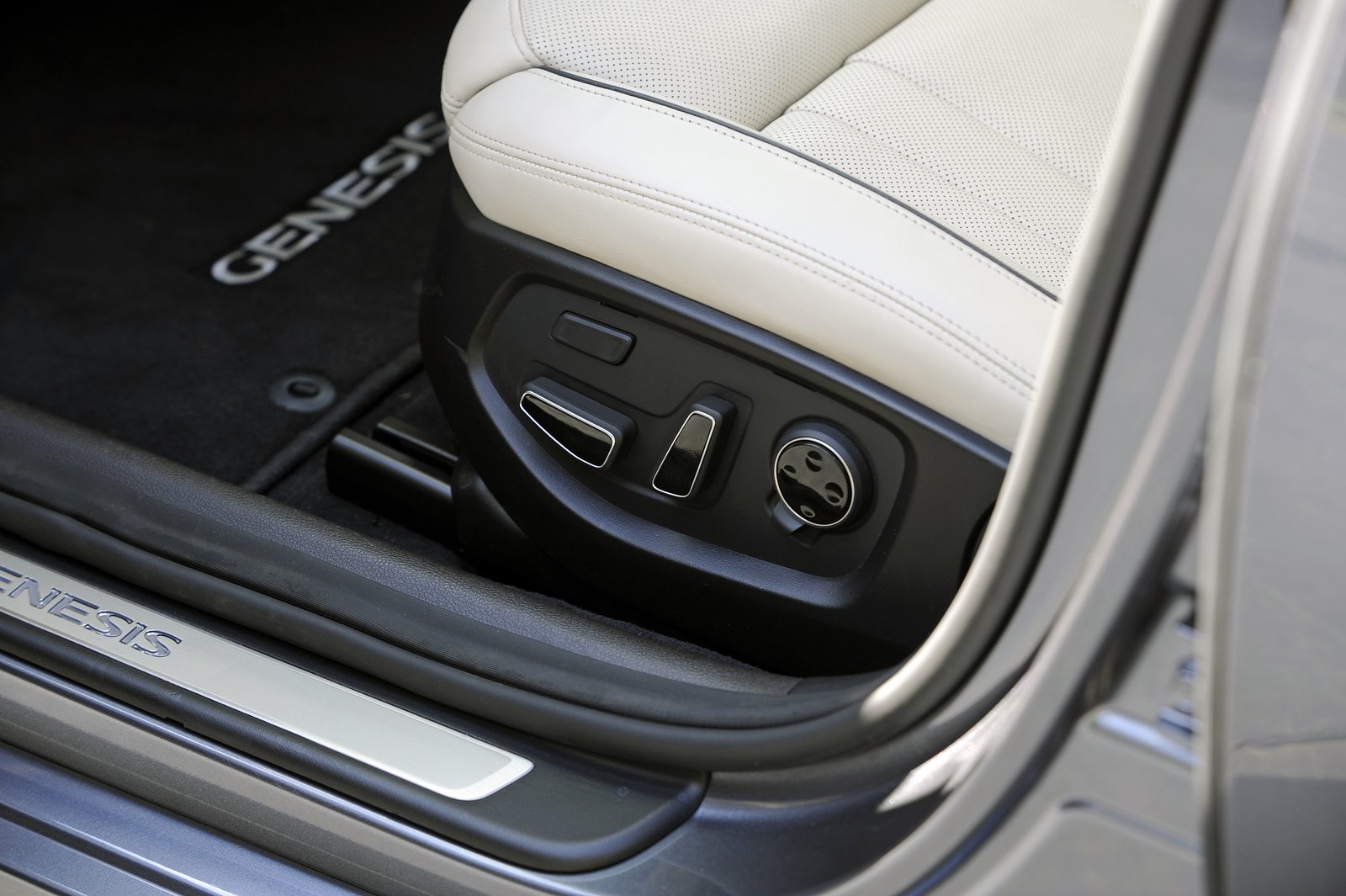
The weak point is the slider-and-height switch on the driver's and front passenger's seats — only on cars without memory seats. According to the report, a hard external knock can shift the switch's internal parts so it stays engaged after the occupant gets out. The motor then runs continuously and heats up. Warning signs are a burning smell from the seat and seat buttons that stop responding.
The switches come from Nidec Mobility Korea, and Hyundai says it has logged two alleged fires in the U.S., with no crashes or injuries.
Five years from first fire to recall
Hyundai's timeline reads like a slow burn. An internal safety report flagged a 2018 G80 on December 31, 2021, but the parts were never recovered. A second case surfaced in August 2022; it took until late 2023 to analyze that seat and conclude that impact damage was the cause. Through 2024 and a trend review in 2025, Hyundai kept monitoring and found U.S. incident rates "low."
The trigger came from outside the U.S.: on July 2, 2026, Hyundai received Korean-market data on the same switch and alleged thermal events, opened a technical review, and on October 1 decided on a recall. The report doesn't say how many cars are affected in Korea or elsewhere, and Hyundai hasn't announced any recall beyond the U.S.
These owners have been here before. In 2021, NHTSA told drivers of the same Genesis and G80 model years to park outside over an ABS-module short that could ignite the engine bay — a separate campaign, 21V160, that NHTSA flagged with a consumer alert. Hyundai isn't the only automaker leaning on interim workarounds this month, either: Volkswagen's ID.4 battery recall asks owners to cap charging at 80 percent while a fix is developed.
What owners get, and when
The remedy is still "under development," and Hyundai hasn't said whether it will replace the switch or change something else. Whatever it is, the repair will be free regardless of warranty status, and owners who already paid for a related fix can claim reimbursement.
Owner and dealer notification letters are scheduled for December 6, 2026 — a phased rollout tied to the remedy itself. Hyundai has no plans to send an interim letter before then, which means the park-outside advice reaches owners only through NHTSA's database, where VINs have been searchable since October 13. Note that the instruction is to park outdoors, not to stop driving; nothing in the filing tells owners to take the cars off the road.