Polestar’s Record Quarter Came From the One Market It’s Leaving: the US
Polestar sold an estimated 14,371 cars in the third quarter, up 1 percent. The math implies US sales more than doubled during its exit sale, while every other market combined shrank.
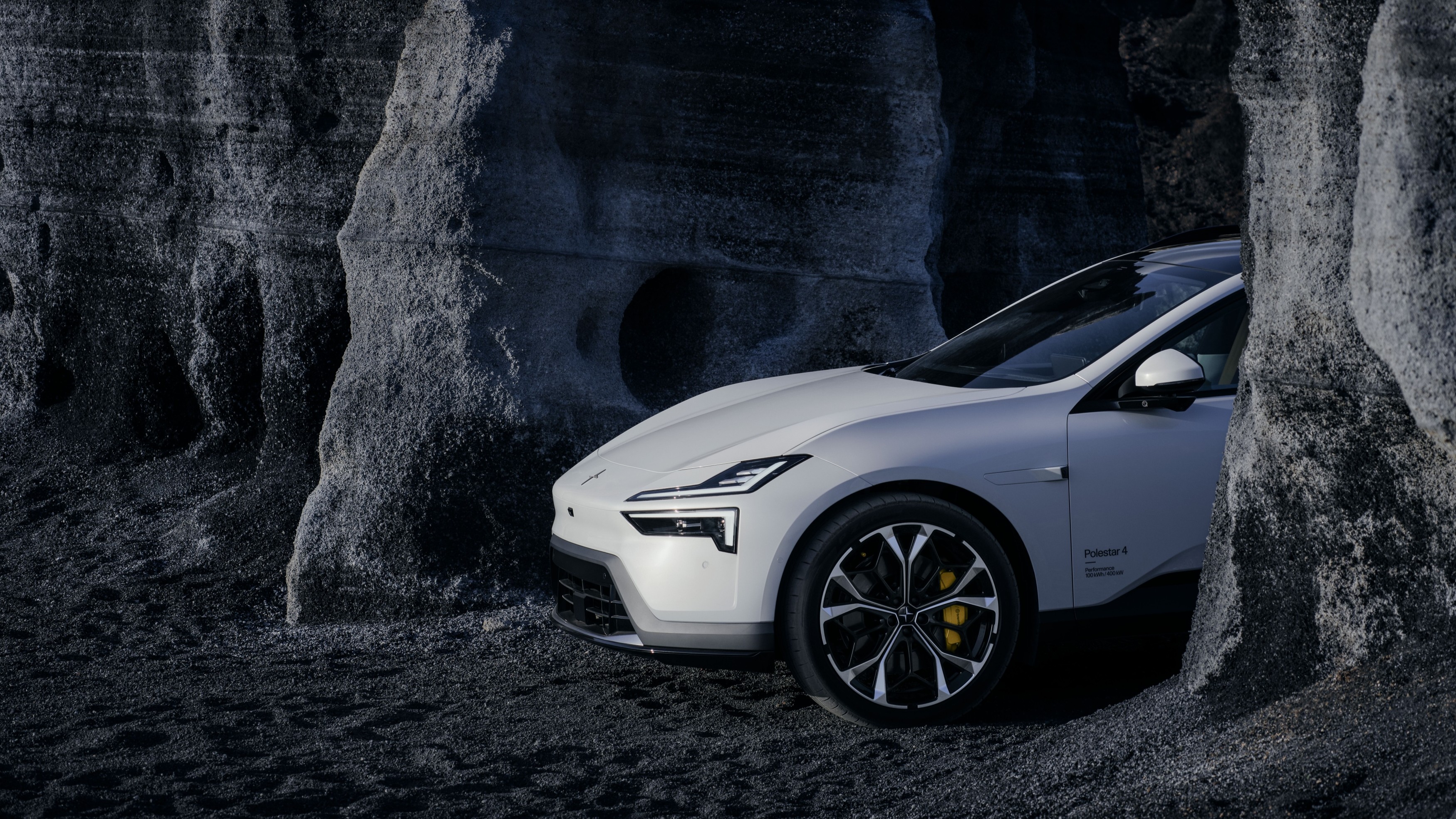
Polestar's best third quarter on record has an awkward source: the one market the company is leaving. Take the United States out of the numbers and the Swedish EV brand's sales fell 8 percent.
Polestar said Thursday that it sold an estimated 14,371 cars from July through September, about 1 percent more than a year earlier, and 44,790 through the first nine months, up 0.6 percent. Both are records for the company, though they look thin next to the third-quarter U.S. sales picture at larger automakers.
The sales release carries a second line that matters more: volume excluding the U.S. business. Polestar says it now reports that figure separately because of the federal decision on the Connected Vehicle Rule. Outside the U.S., it sold 12,211 cars in the quarter, down from 13,256.
What the numbers imply for the US
Polestar doesn't publish a U.S. figure, but the subtraction is simple. The gap between the two lines implies about 2,160 U.S. sales in the third quarter, against roughly 966 a year earlier. That is more than double, and it lifts the U.S. to about 15 percent of Polestar's volume from about 7 percent.
Through nine months, the implied U.S. total is about 4,017 cars, up 13 percent from roughly 3,543.
Put another way, Polestar's global total grew by 149 cars in the quarter. The U.S. added nearly 1,200, and the rest of the world lost more than 1,000.
Why US sales jumped
The surge is a clearance, not a recovery. On June 25, the Commerce Department's Bureau of Industry and Security declined to authorize Polestar under the Connected Vehicle Rule, which blocks the Geely-controlled brand from selling vehicles here from model year 2027 onward.
Polestar has said it will sell its remaining earlier-model-year inventory and then stop selling new cars in the U.S., while continuing service and warranty support for existing owners. The discounts were steep: InsideEVs reported in July that the company took $23,000 off the Polestar 3 and up to $25,000 off the Polestar 4.
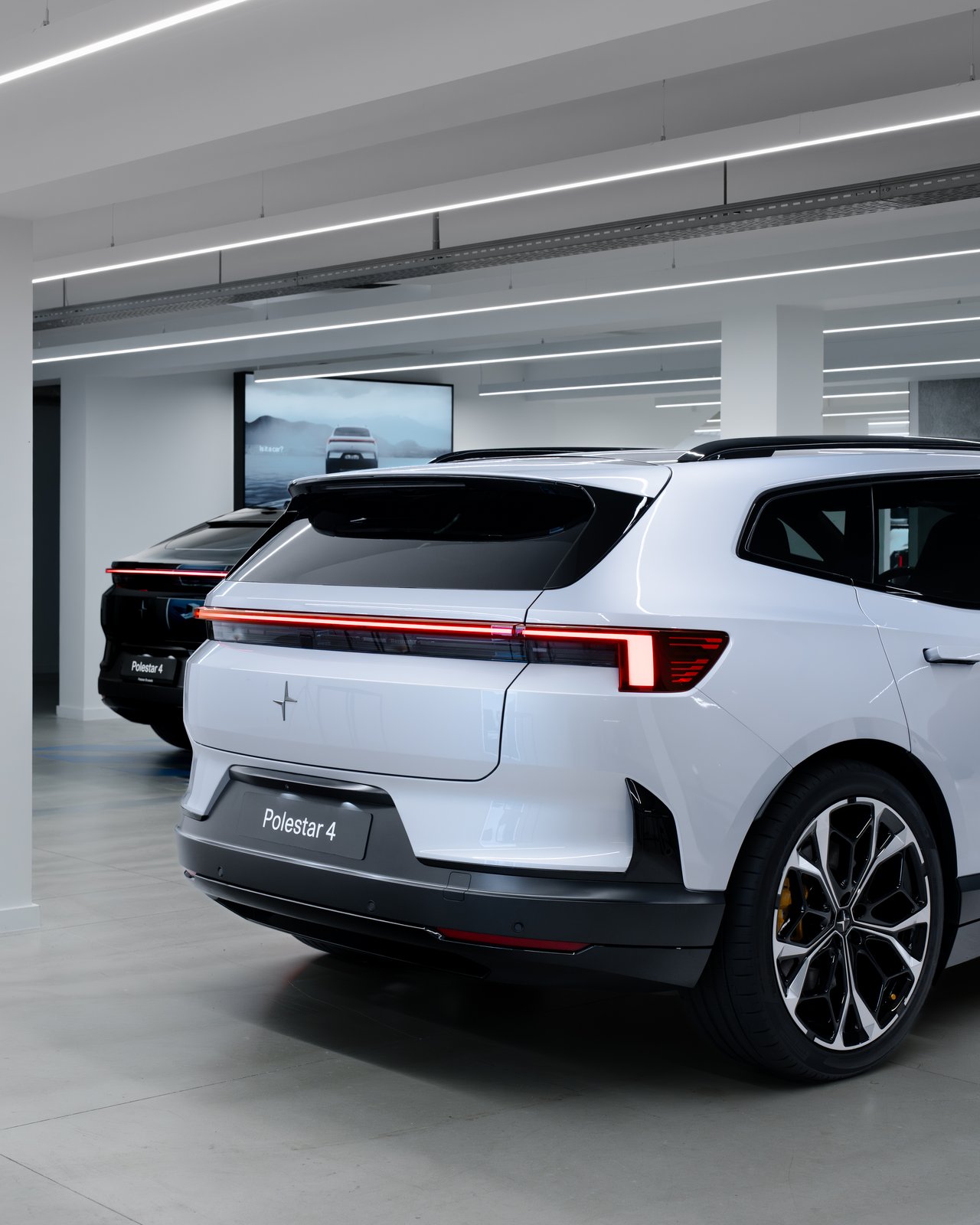
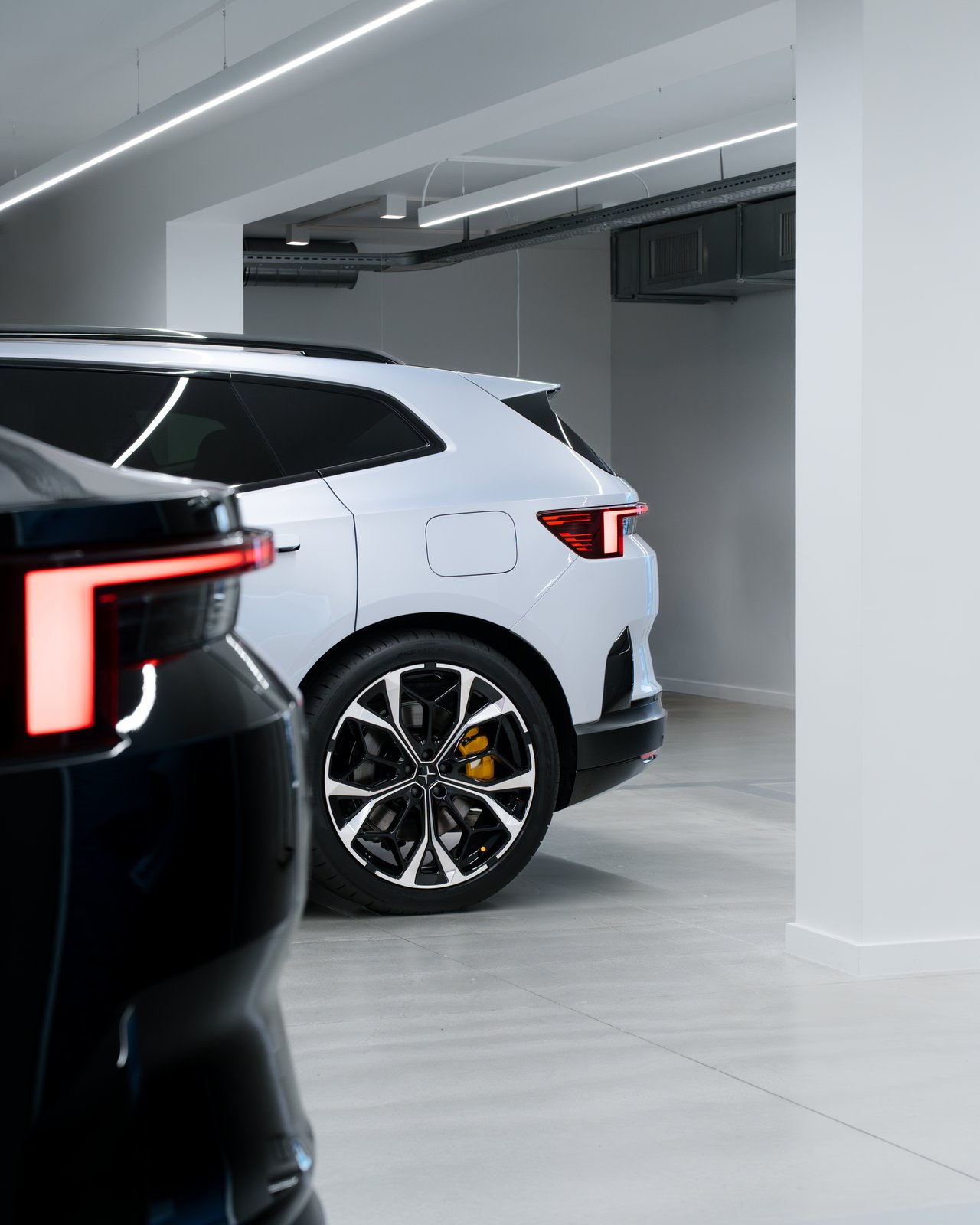
CEO Michael Lohscheller called it "our best third quarter despite increasingly challenging market conditions." He pointed to the start of Polestar 5 customer deliveries and to the rear-window Polestar 4 SUV that Americans won't get, which he said opens the brand to Europe's largest premium EV segment.
What comes next
The U.S. contribution is temporary by design. Once the remaining stock is gone, that line goes to zero. Polestar hasn't said how many cars are left or when U.S. sales will end.
That leaves the fourth quarter with a lot to do. In its first-half results on September 3, Polestar cut its 2026 outlook to low-to-mid single-digit volume growth from low double-digit growth. After nine months it stands at 0.6 percent, and the markets it is keeping are shrinking.
The company is counting on the Polestar 4 SUV, with European deliveries due this quarter, and on the next-generation Polestar 2 planned for 2027. Neither is cleared for U.S. sale.
The 2026 sales figures are estimates and may be revised. Polestar reports third-quarter financial results on November 5.