Porsche Retires Its Winningest Race Car — and Tows It to the Museum With a Cayenne EV
Wehrlein's championship-winning 99X Electric is now a museum exhibit after four seasons, 23 wins, and six world titles, making it Porsche's most successful single-seater.
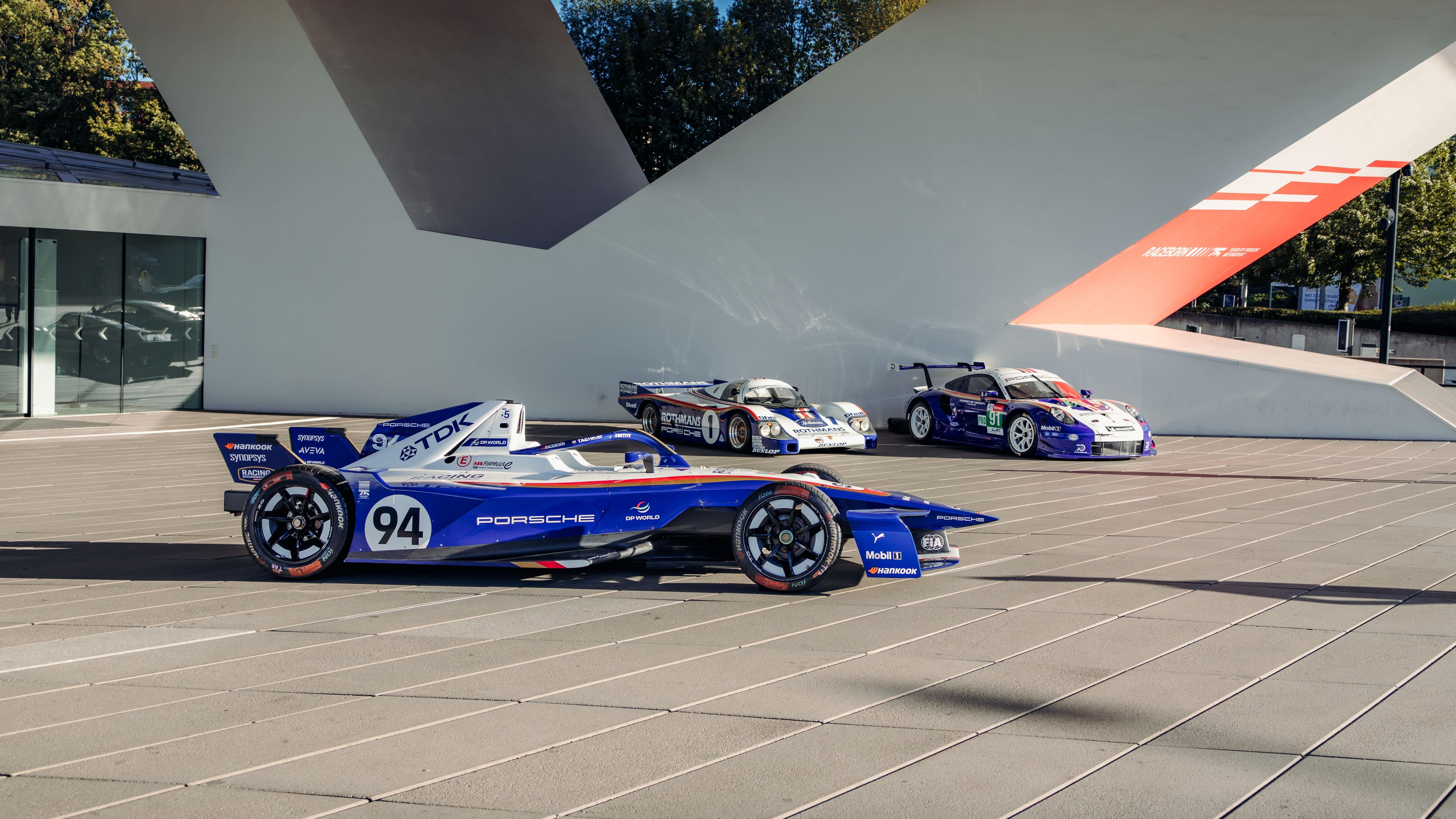
Pascal Wehrlein's title-winning Porsche 99X Electric has raced for the last time. The car that clinched the 2025/26 Formula E drivers' crown is now a static exhibit at the Porsche Museum in Stuttgart, and Porsche is billing it as the most successful single-seater it has ever built.
The numbers support the claim. Across four seasons under Formula E's GEN3 and GEN3 Evo rules, the 99X collected 23 race wins, 22 pole positions, and six of the 10 FIA world titles on offer, according to Porsche. By the company's tally, Jaguar won three titles in that era and Nissan one.
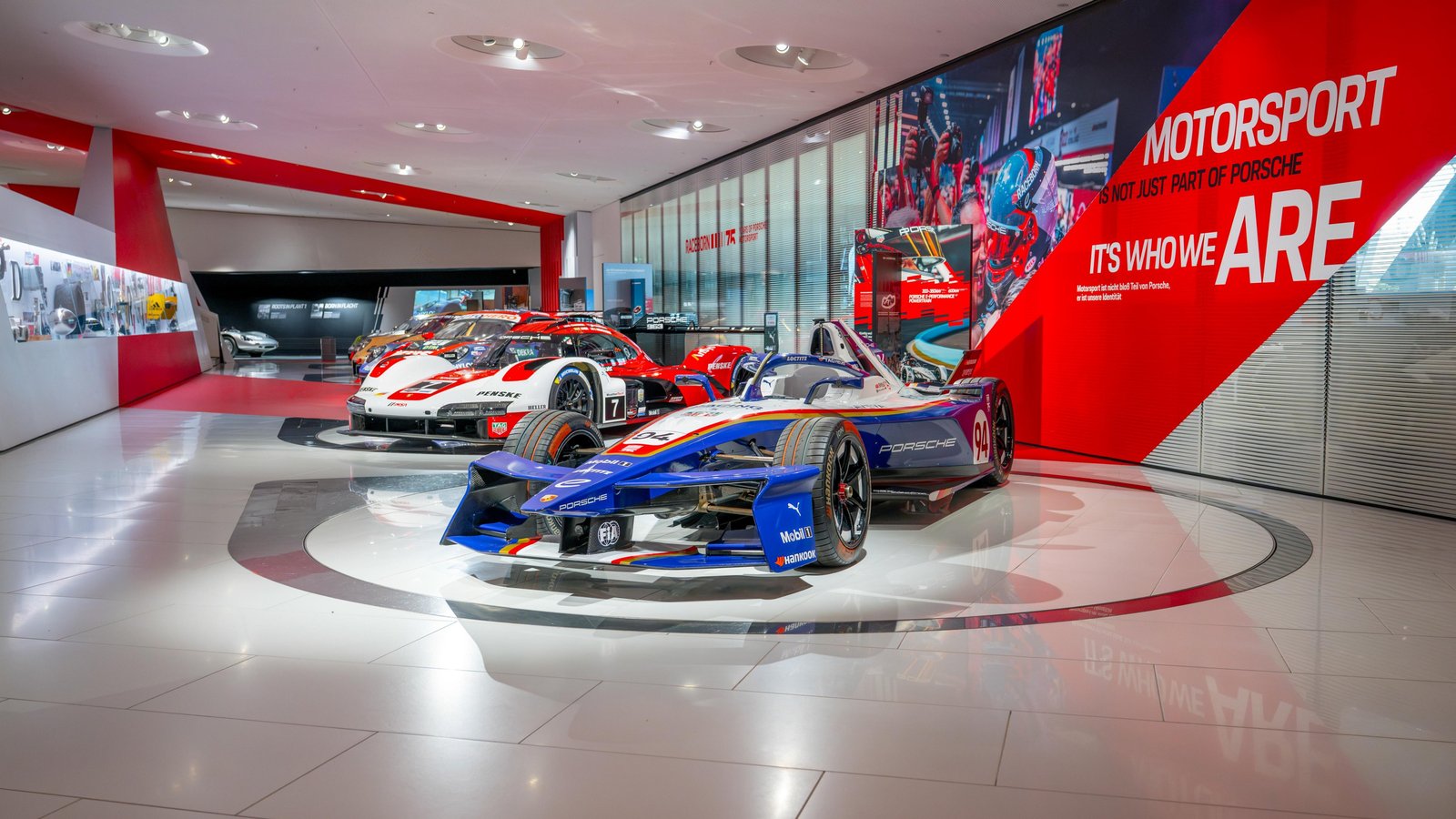
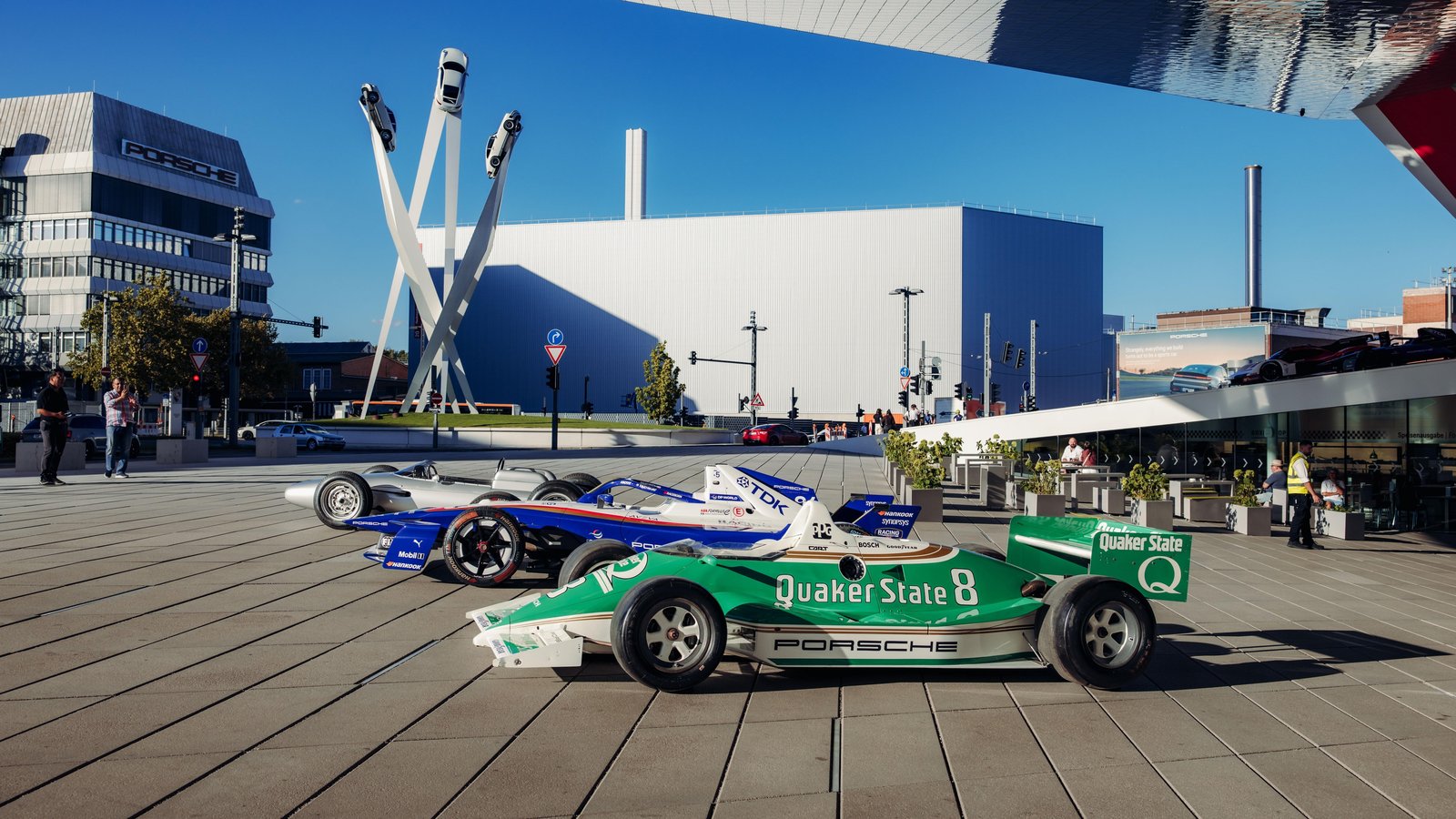
This isn't a show car. It is the chassis Wehrlein drove to his second drivers' championship in London on Aug. 16, and it still carries the 1980s-inspired livery Porsche ran at the finale to mark 75 years of its racing program. The title made Wehrlein only the second two-time champion in the series' 12-season history, alongside Jean-Éric Vergne.
The finale was tighter than the result suggests. Wehrlein won Saturday's race at ExCeL London but left Sunday's without points after a late-race incident. Andretti's Jake Dennis, driving a customer Porsche, finished the season just five points behind. Porsche had already sealed its second straight manufacturers' title in Tokyo in late July, but Jaguar beat the factory squad to the teams' championship by 17 points.
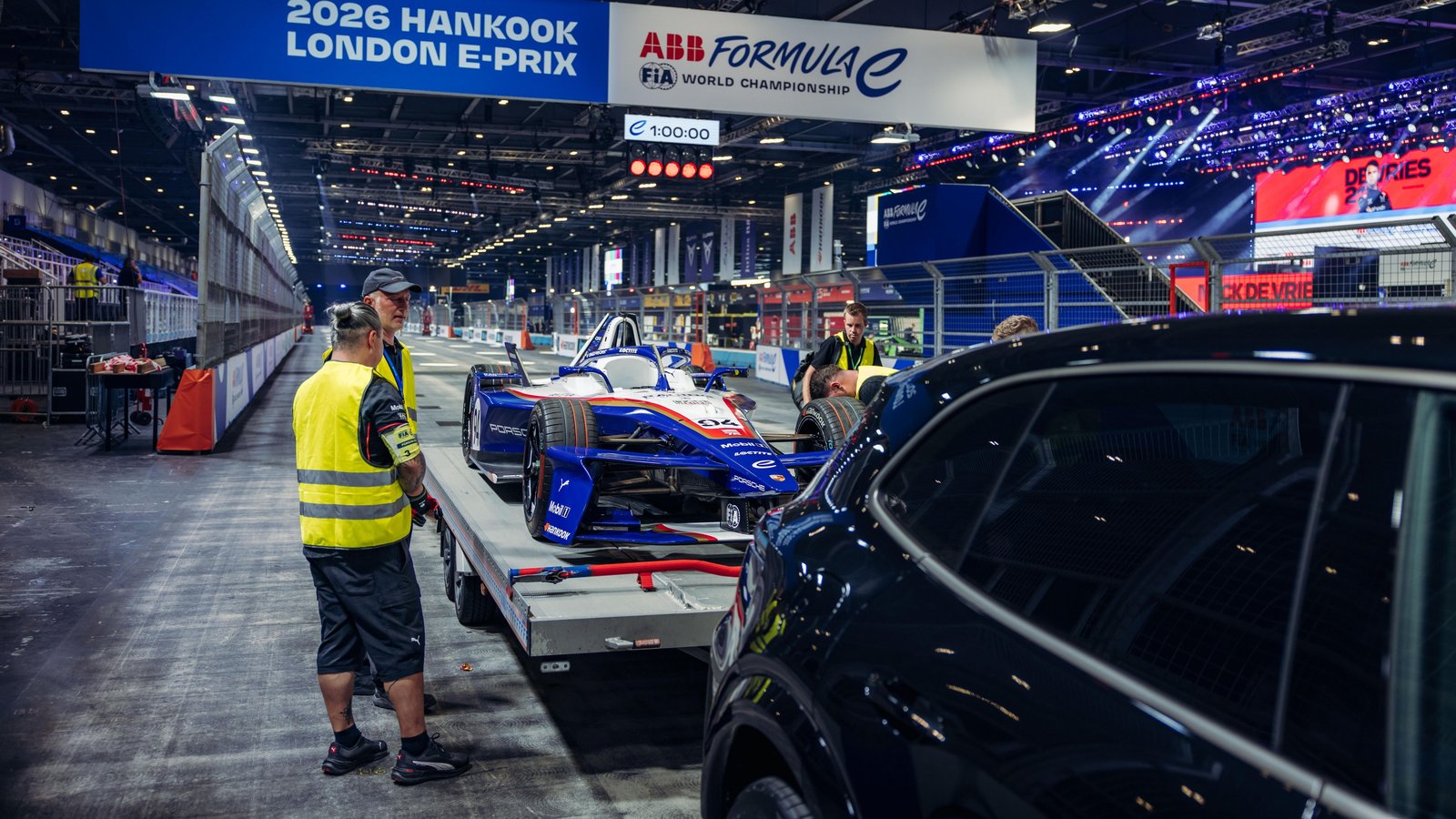
Getting the car home turned into a small piece of theater. After final preparation at Porsche's Weissach development center, the 99X was strapped to a trailer and towed to Zuffenhausen by a Cayenne Turbo Electric. Porsche says the pairing is deliberate. The road car's rear motor uses direct oil cooling developed through the race program, and both vehicles can recover up to 600 kW under braking.
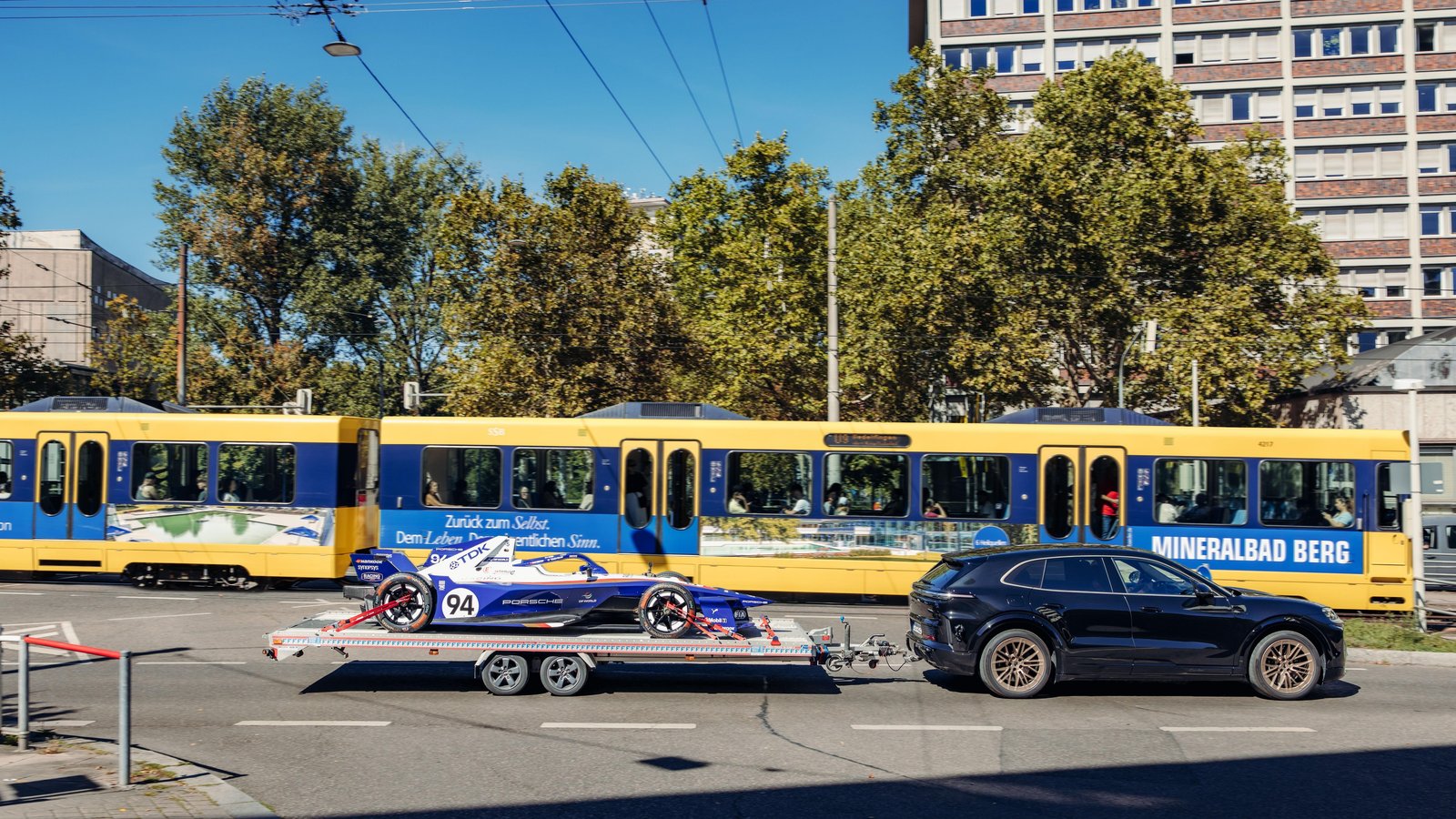
The tow vehicle is hardly modest. With Launch Control, the Cayenne Turbo Electric makes up to 1,139 hp, more than any production Porsche before it, and it starts at $163,000 in the US, or $165,350 with destination.
The race car works on very different terms. In its final GEN3 Evo form, the 99X produced 402 hp (300 kW) in normal race trim and 469 hp (350 kW) in Attack Mode and qualifying duels, when it also switched to all-wheel drive. Porsche quotes 0–62 mph (0–100 km/h) in about 2.0 seconds. With the driver aboard, the car weighs roughly 1,900 pounds (862 kg), less than a third of the Cayenne's 5,860-pound curb weight. About half the energy it used in a race came back through braking.
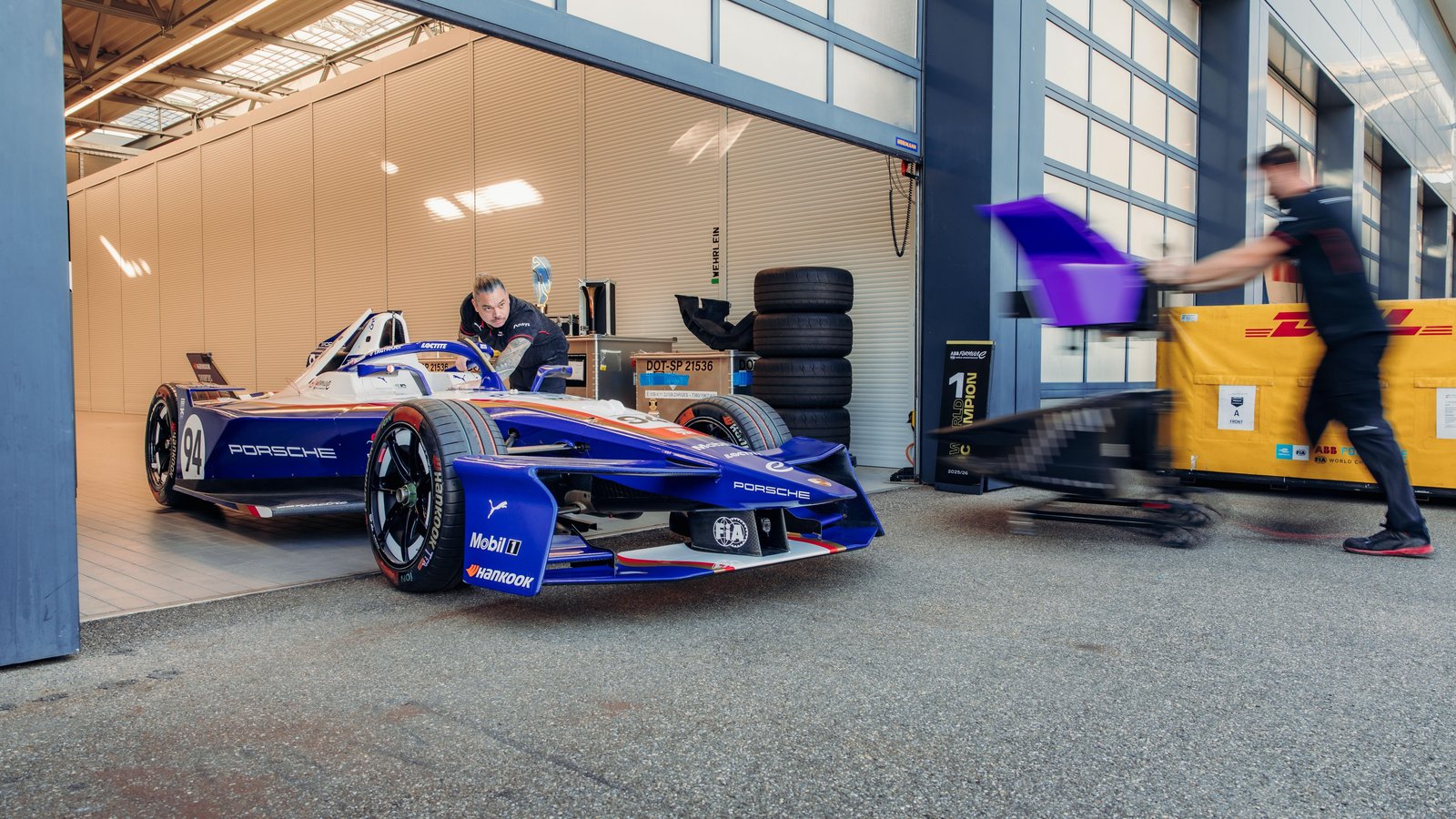
The payoff took a while. Porsche announced its move from endurance racing to Formula E in 2017, when the series was still immature. Thomas Laudenbach, Porsche's vice president of motorsport, recalled how limited the early cars were:
"Drivers had to switch to a second car halfway through a race because one battery charge could not cover the full distance."
The breakthrough came with GEN3 in 2022/23. Porsche's first title that year went to Dennis at customer team Andretti rather than to its factory drivers. Wehrlein followed with the 2023/24 crown after a record seven-win season for the works team, and the Evo-spec car added the teams' and manufacturers' titles in 2024/25.
The 99X bows out with the rulebook it was built for. Its successor, the 975 RSE, is a GEN4 car with around 600 kW, permanent all-wheel drive, and a top speed above 200 mph. Pre-season testing for the new era begins in Madrid in November.
Until then, the old champion is on view in the museum's "Raceborn – 75 Years of Porsche Motorsport" exhibition, which runs through Jan. 17, 2027.