Porsche Built Battery Cells With 100% Recycled Cathode Material From Old Porsche Packs
Cells built with recycler cylib use lithium, nickel, cobalt, and manganese recovered entirely from end-of-life Porsche packs — but they're test hardware, not showroom parts.
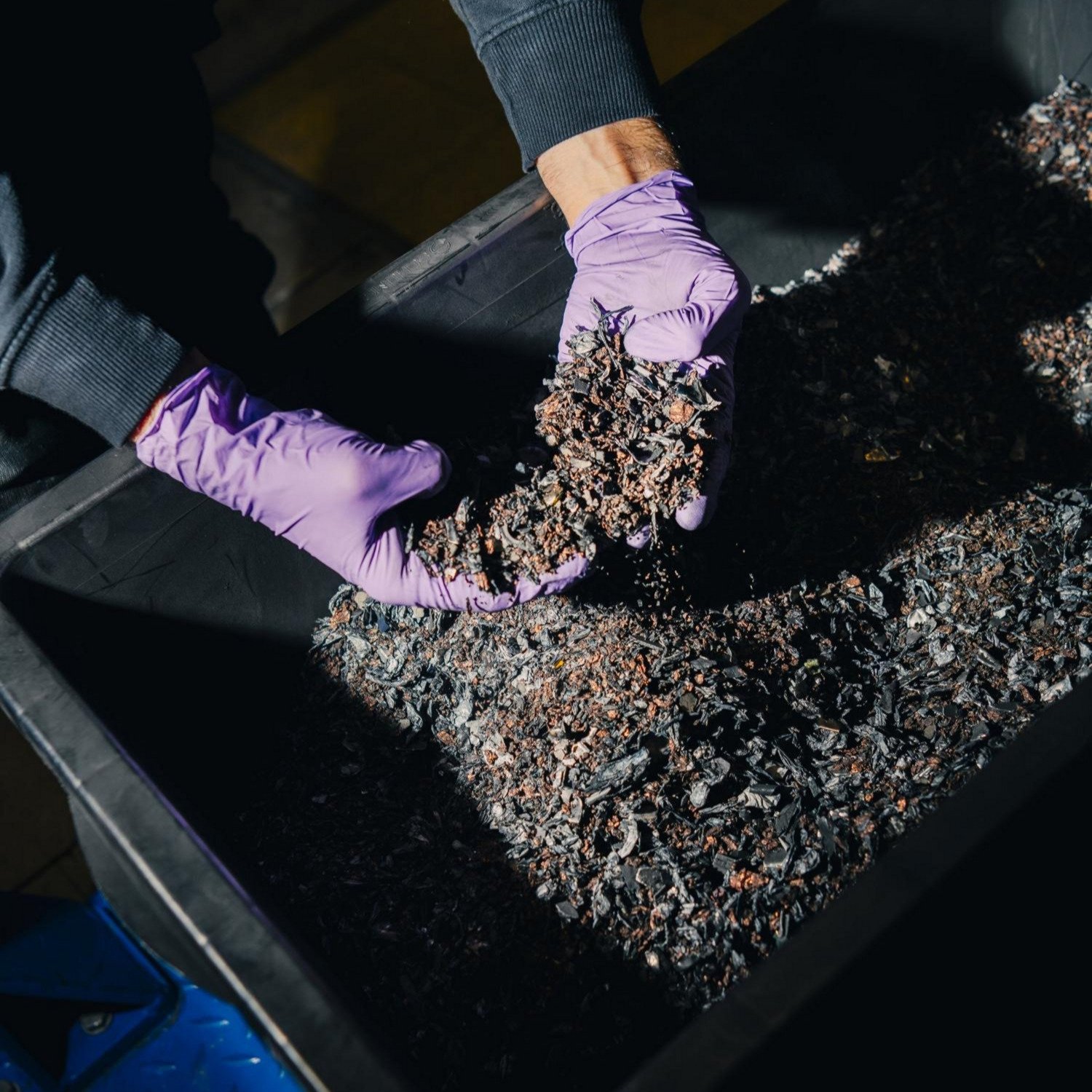
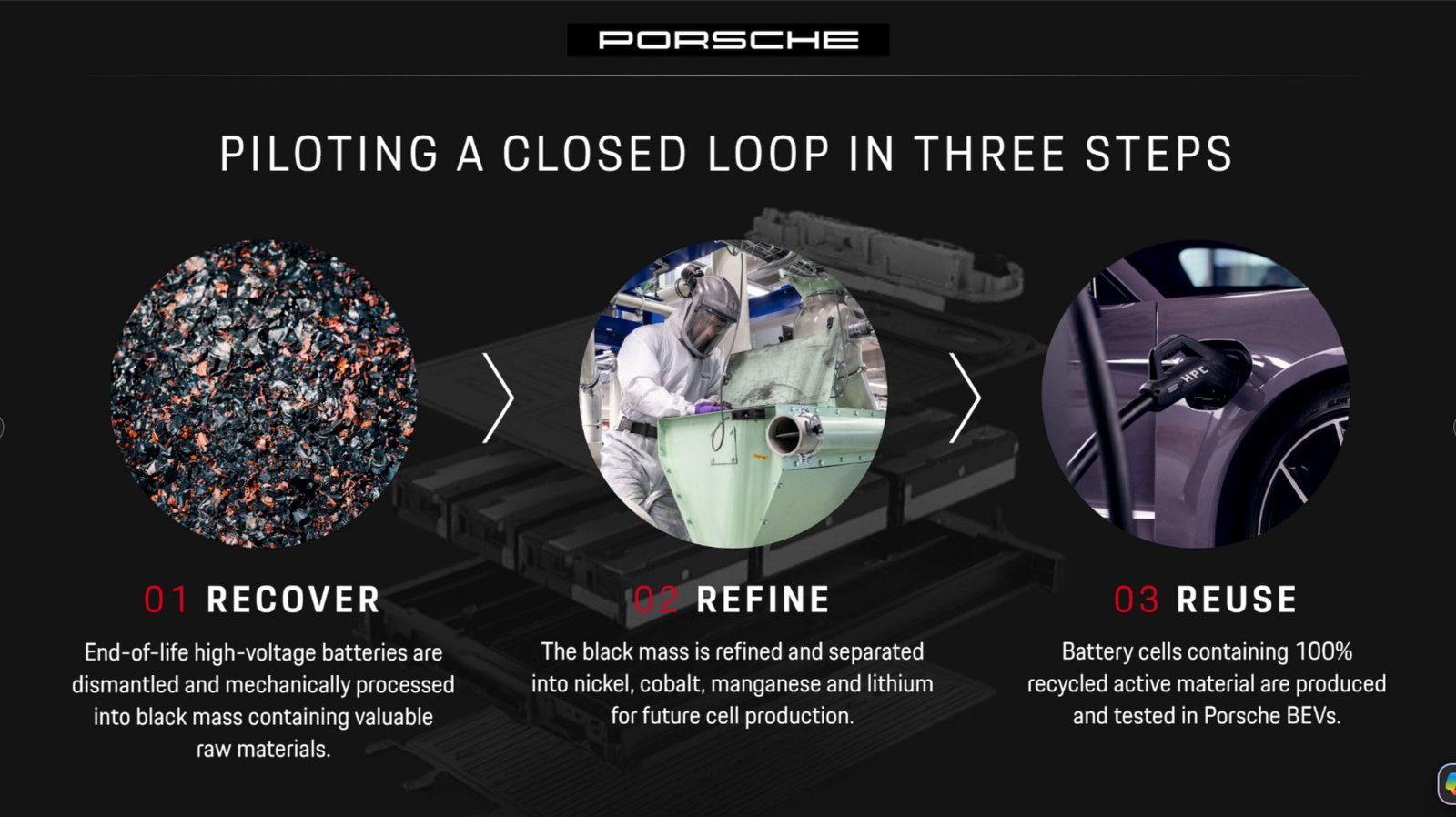
Porsche has built battery cells whose cathode active material — the lithium, nickel, cobalt, and manganese that store and release the energy — was recovered entirely from the company's own end-of-life high-voltage batteries. The automaker calls it a first, and the cells are already running operational tests in Porsche development vehicles.
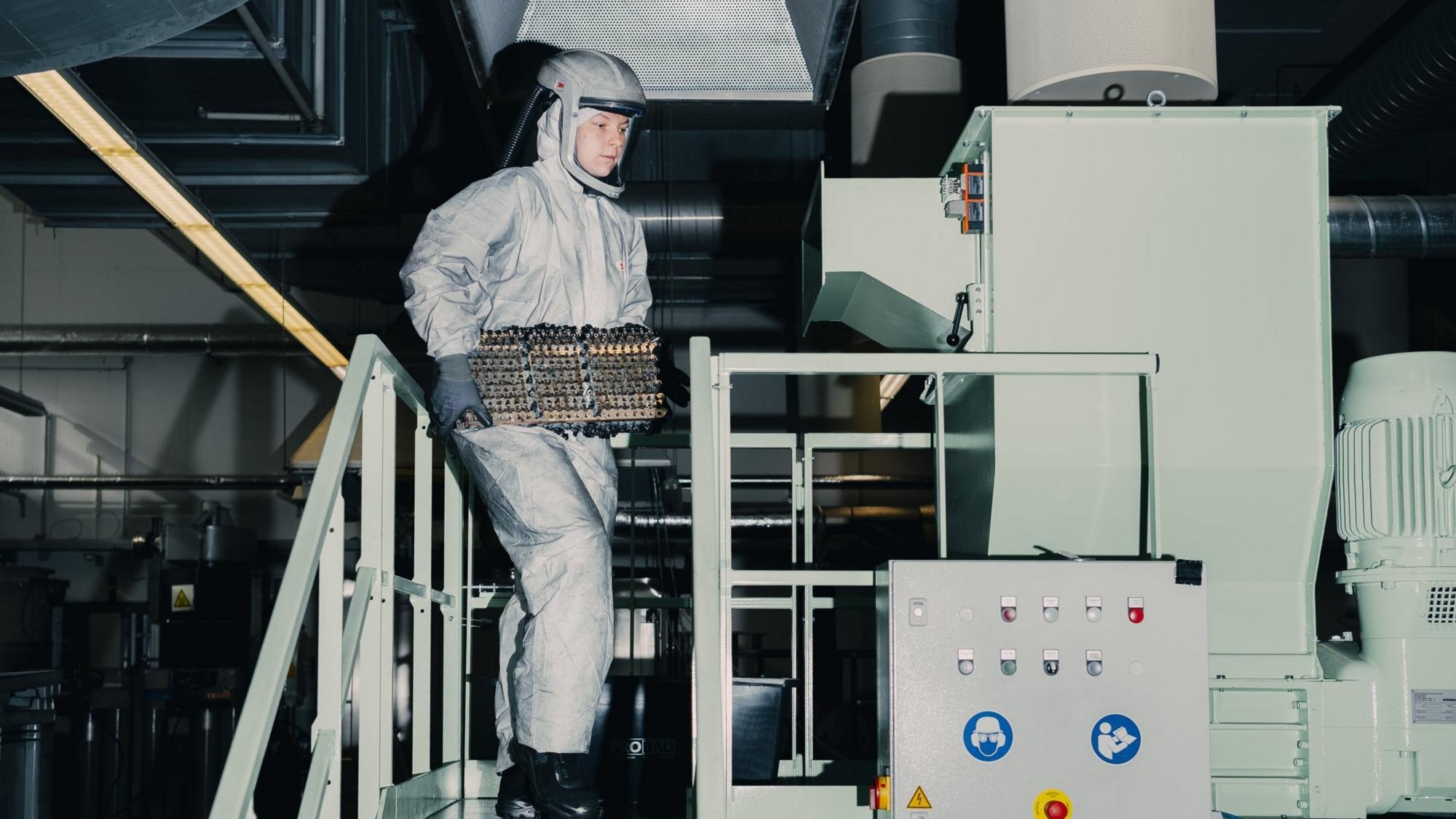
The cells came out of a recycling pilot Porsche launched last year with cylib, a German recycling firm spun out of RWTH Aachen University in 2022. According to the announcement, this phase of the project fully replaced mined primary materials with recycled ones in the cathode — the most valuable part of a lithium-ion cell.
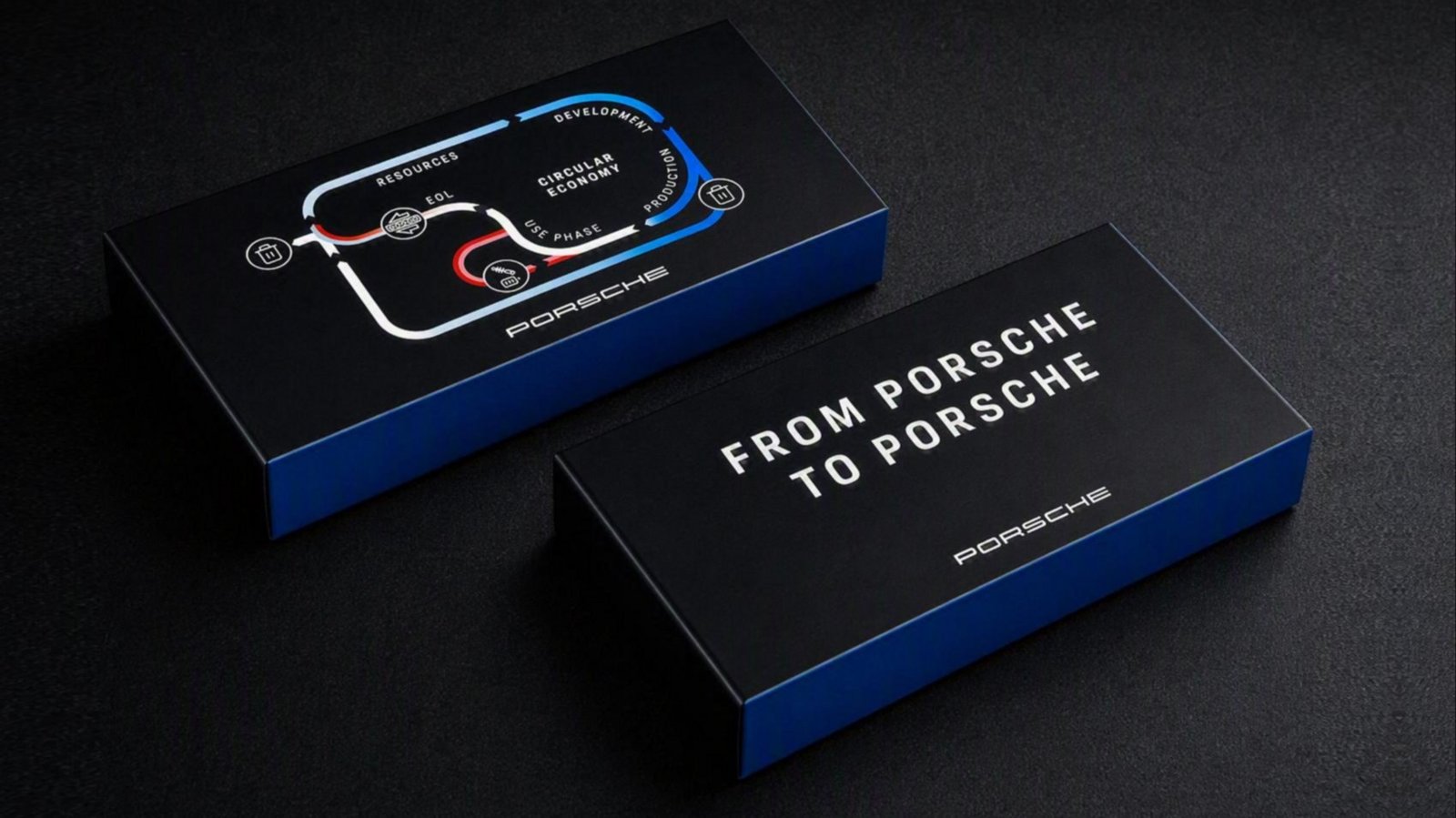
The feed for that loop is already flowing. Since May 2026, worn-out high-voltage packs collected from Porsche Centers across Germany have been processed with cylib's water-based method. The recovered materials are logged in a dedicated material account and are set to become available to Porsche and selected partners for cell production from 2028.
[8ff0d0ea-image.jpg]
What This Means If You Own a Taycan
For owners, the practical takeaway is about where a spent pack ends up. A Taycan or Macan Electric battery replaced at a German Porsche dealer today enters this recycling stream — and some of its lithium or cobalt could eventually return in a new Porsche cell. Recycling isn't the only exit, either: in 2024, Porsche stacked 4,400 used Taycan modules into an energy storage system at its Leipzig plant. The program announced this week covers Germany only; Porsche hasn't said whether batteries from US cars are included.
What this is not: a recycled battery you can buy. The cells are pilot hardware, Porsche describes series application as a potential future step, and it hasn't named a model, a date, or the share of recycled content a production cell would carry. The company also hasn't published capacity or degradation figures from the ongoing tests; further results are expected in the second half of 2026.
Why Automakers Are Chasing Recycled Materials
Regulation is a big part of the answer. Under the EU's battery regulation, new EV batteries sold in Europe will have to contain minimum shares of recycled cobalt (16 percent), lithium (6 percent), and nickel (6 percent) from August 2031, with higher thresholds following in 2036. That deadline explains why Mercedes-Benz opened its own battery recycling factory in Kuppenheim back in October 2024 — and why Porsche is building a documented pipeline from its dealers' scrap batteries to its future cells rather than simply selling old packs to third-party processors.
cylib co-founder Dr. Lilian Schwich put it carefully:
The pilot project with Porsche demonstrates that our approach is feasible in practice: valuable raw materials from Porsche batteries at the end of their first life can potentially flow back into new high-performance batteries for Porsche vehicles.
That "potentially" is doing honest work: the loop has now been demonstrated in a pilot, but recycled-cathode cells in a showroom Porsche remain a question of test results, economics, and time.