Toyota's New Michigan Lab Will Test the Batteries It Builds in North Carolina
The 30,000-square-foot Saline center will evaluate packs from Toyota's $13.9 billion North Carolina plant, and it opened more than a year after Toyota's original 2025 target.
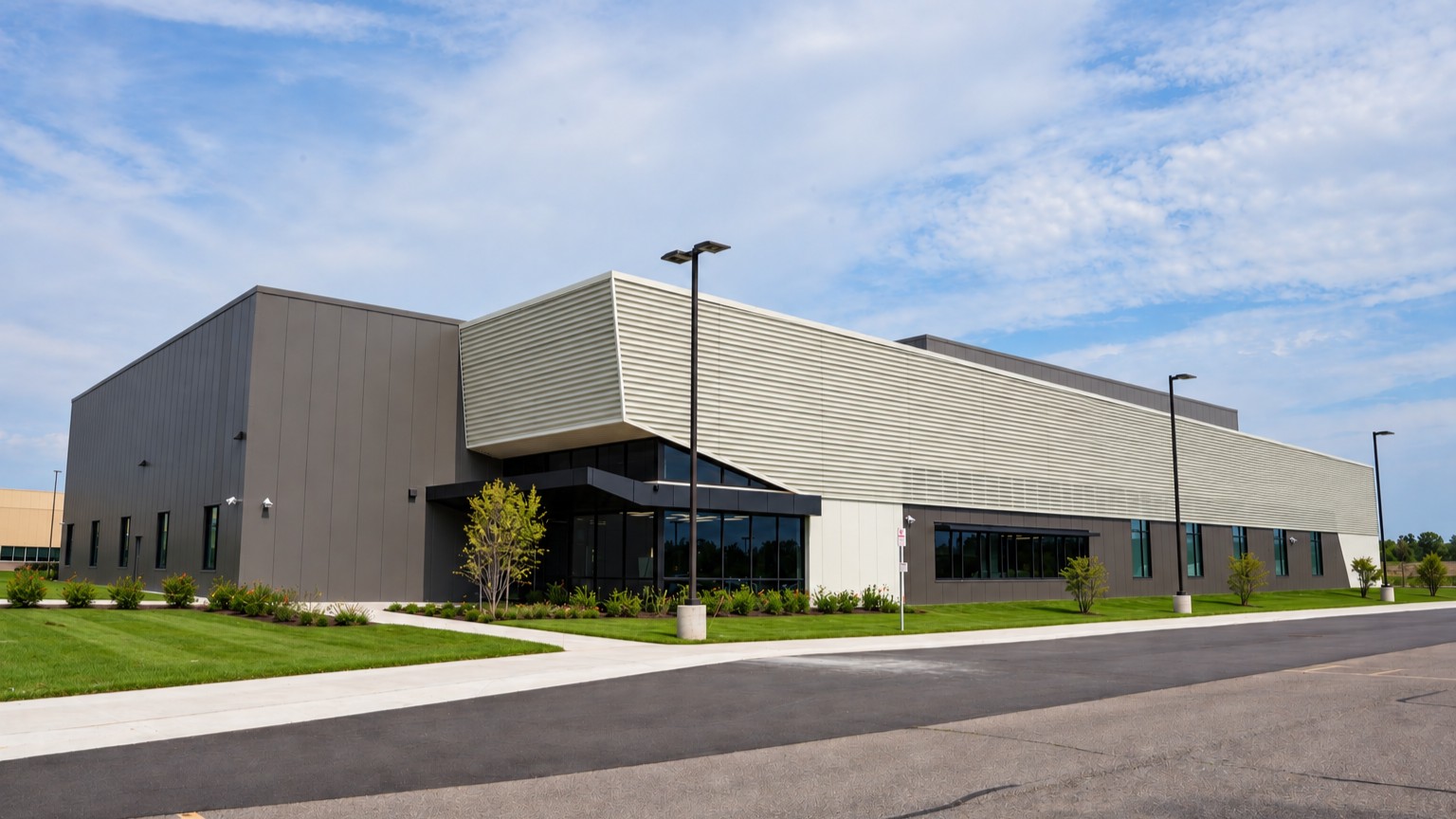
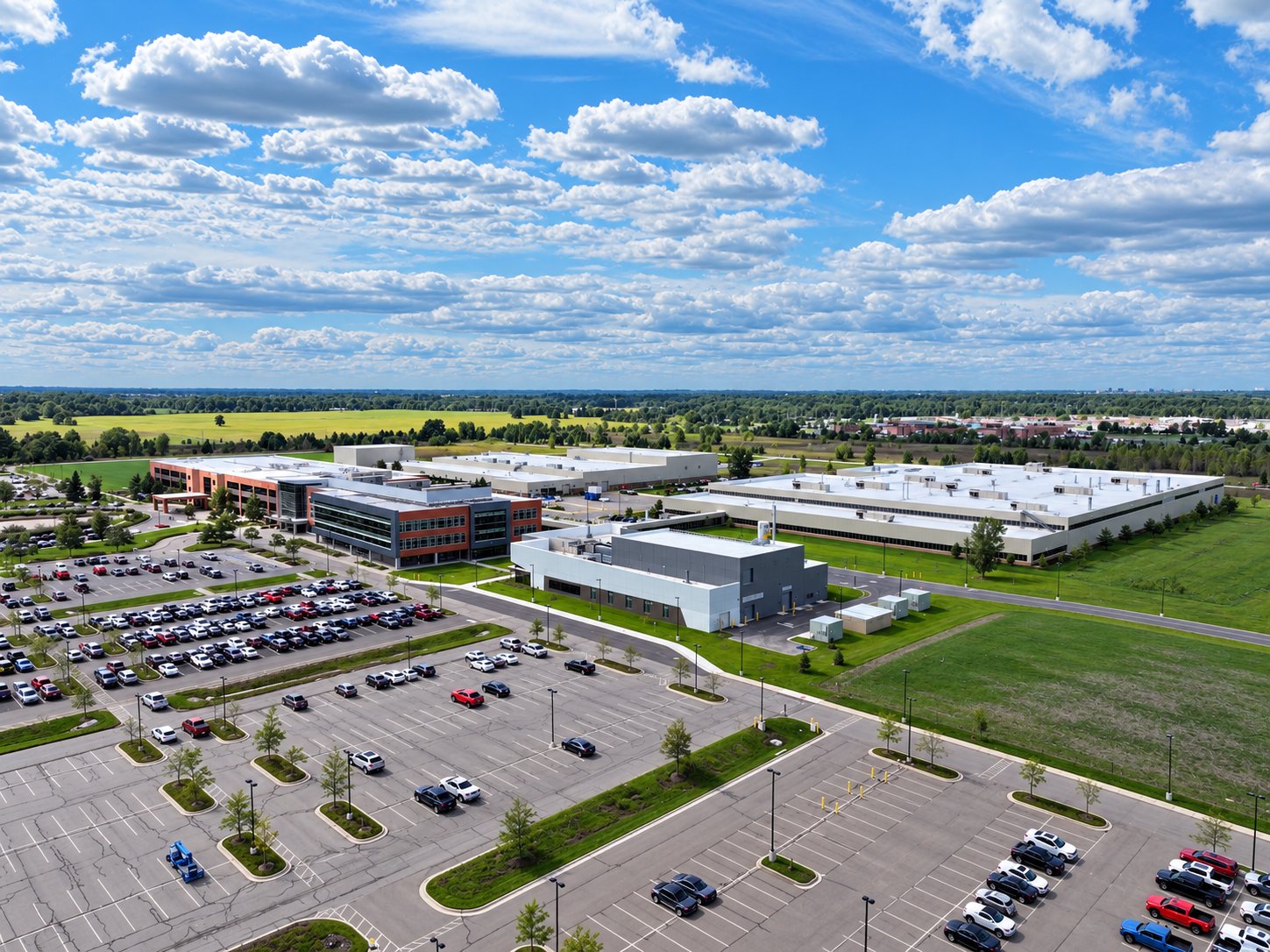
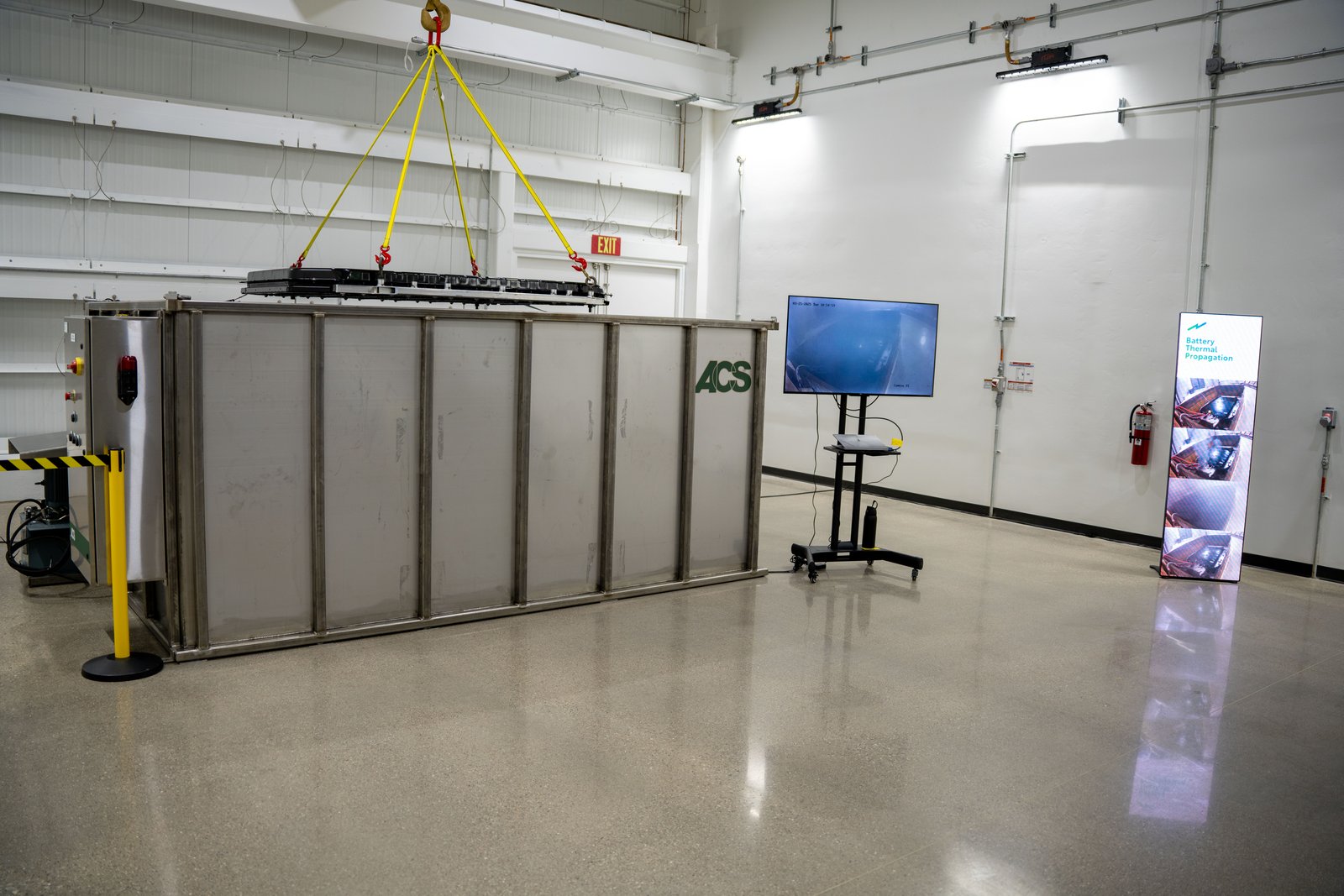
Toyota has opened a 30,000-square-foot battery development and test center at its North American R&D campus in Saline, Michigan. Its main job is to evaluate batteries for Toyota's North Carolina battery plant and its North American vehicle factories.
That gives Toyota something it lacked while it ramped up local battery production: a dedicated place on this continent to test those packs. In 2023, powertrain chief Jordan Choby told SAE's Mobility Engineering magazine that battery testing was being handled across Toyota's global network and at suppliers. The packs in question end up in everything from hybrids to the models in our 2027 Toyota EV lineup comparison.
What happens inside
Toyota says the Toyota Battery Center of North America, or TBC, covers the whole battery life cycle, from raw-material sourcing through in-vehicle use to recycling. Engineers there will work on cells and packs for hybrids, plug-in hybrids, hydrogen fuel-cell vehicles, and full EVs, in line with the company's multi-pathway approach to electrification.
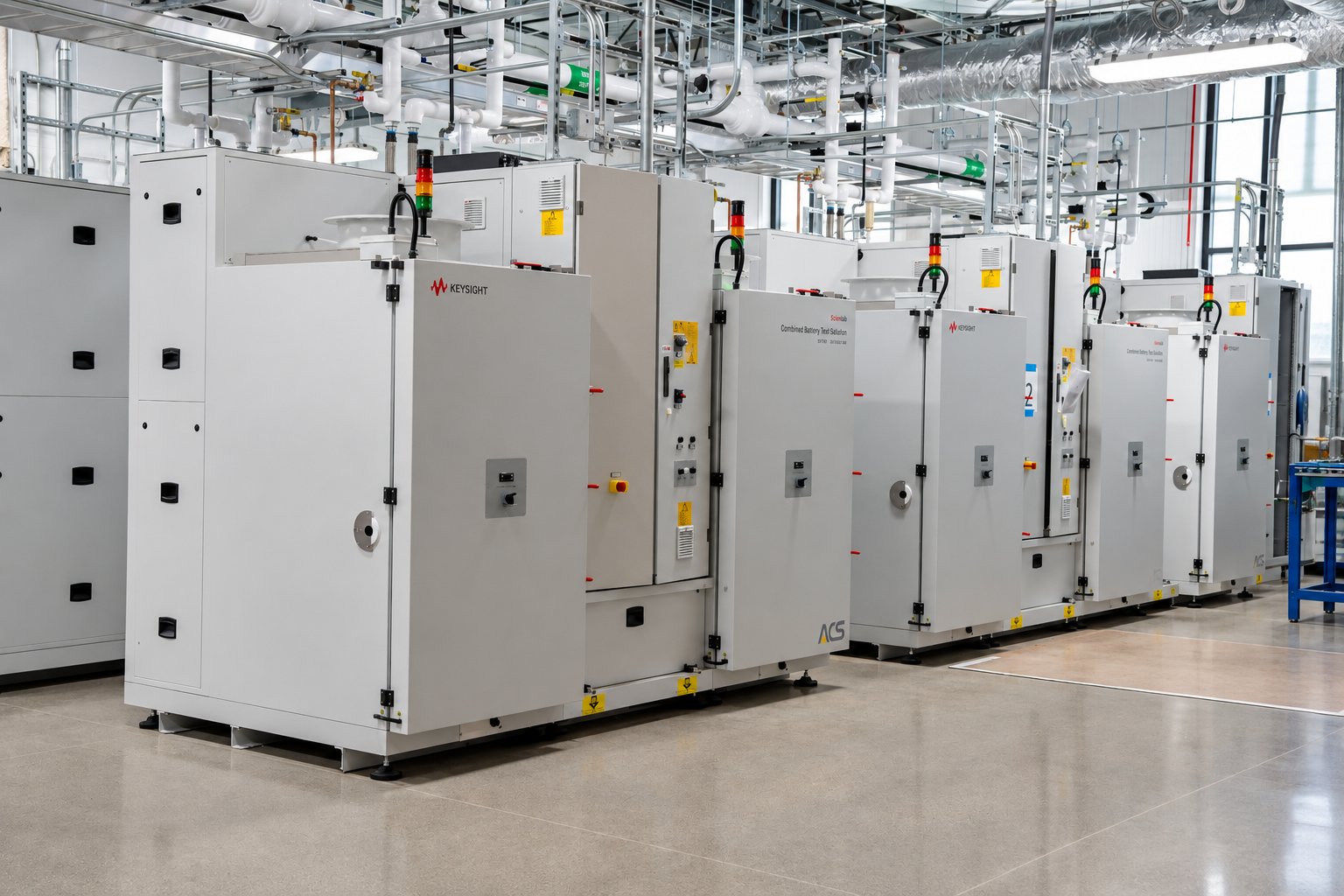
The practical payoff, according to Choby, is speed. He said engineers can now "detect and resolve field concerns faster and closer to the source," and develop batteries built for American driving conditions. Recent cases show why that matters, including the 2026 C-HR recall over battery overcharging and power loss.
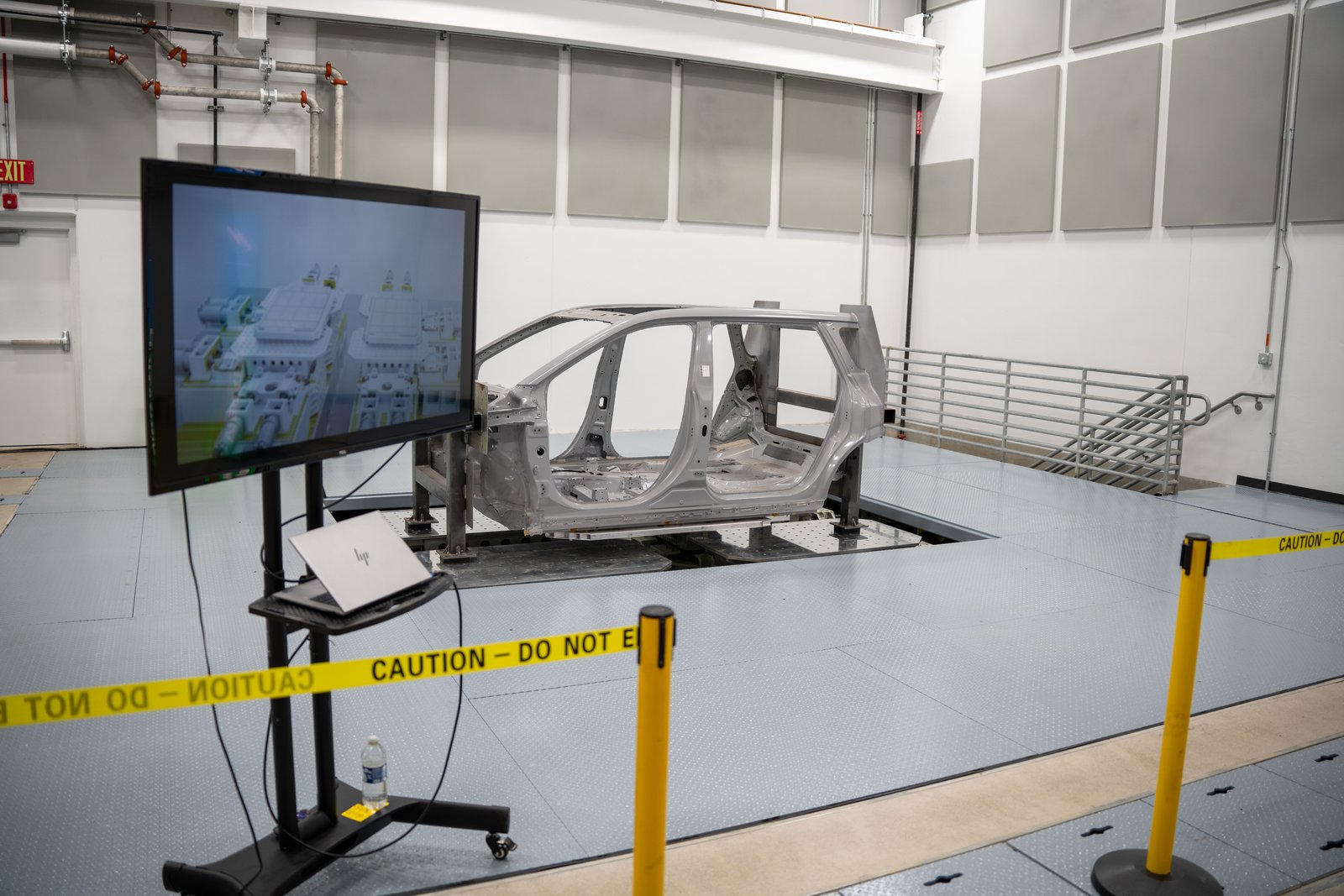
Toyota also plans to open the facility to the University of Michigan Electric Vehicle Center, where it is a founding member, so outside researchers can use the test equipment.
Bigger and later than first planned
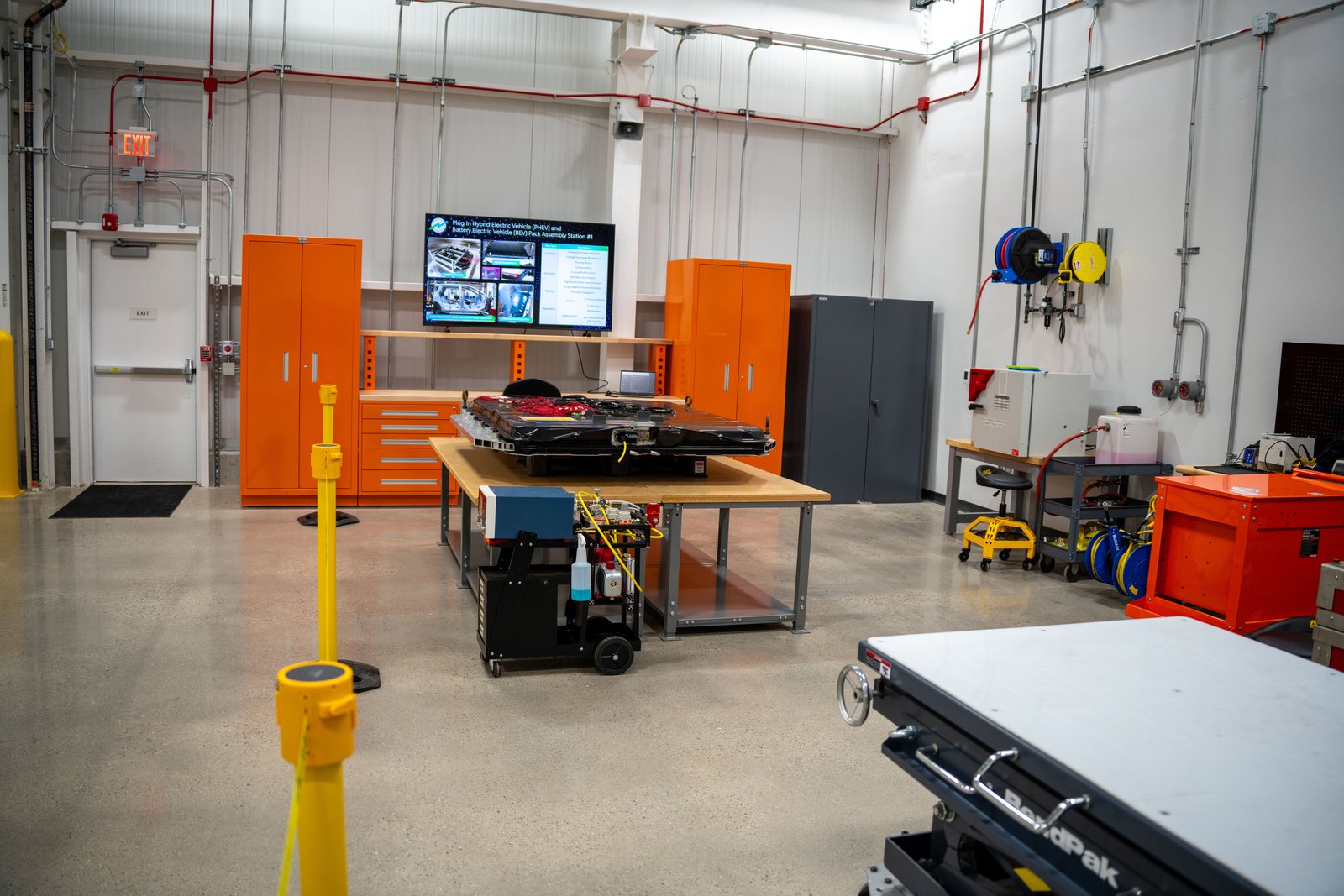
Toyota first announced the lab in June 2023, budgeting nearly $50 million and targeting a 2025 start. Early design plans called for about 24,000 square feet, so the finished building is roughly 25% larger and opened more than a year after that target. The new announcement doesn't restate the cost.
The lab's main customer is Toyota Battery Manufacturing North Carolina in Liberty. That $13.9 billion plant began production in November 2025 and is designed for 30 GWh a year at full capacity across 14 lines. It already ships hybrid battery modules to Toyota's Kentucky plant and the Mazda Toyota joint plant in Alabama.
How it compares
Saline is modest next to Detroit's battery labs. GM's Wallace Battery Cell Innovation Center in Warren covers about 300,000 square feet and builds prototype cells, and its Estes battery validation lab alone exceeds 100,000 square feet. Toyota calls TBC a development and evaluation hub and hasn't said whether it will build prototype cells there. GM's lab work feeds chemistry bets such as its lithium-manganese-rich cells in Tennessee.
Toyota hasn't disclosed staffing levels or which vehicle programs will run through Saline first. The lab is part of a broader push to build more of its electrified hardware in the U.S., which also includes Corolla Hybrid production in Mississippi from 2028.