Rolls-Royce's 100-Car Electric Convertible Starts Testing From the Arctic to Arabia
Prototypes of the coachbuilt EV will face desert heat, Arctic cold, and 15,000 trunk-lid cycles before the first of 100 cars reaches clients in 2028.
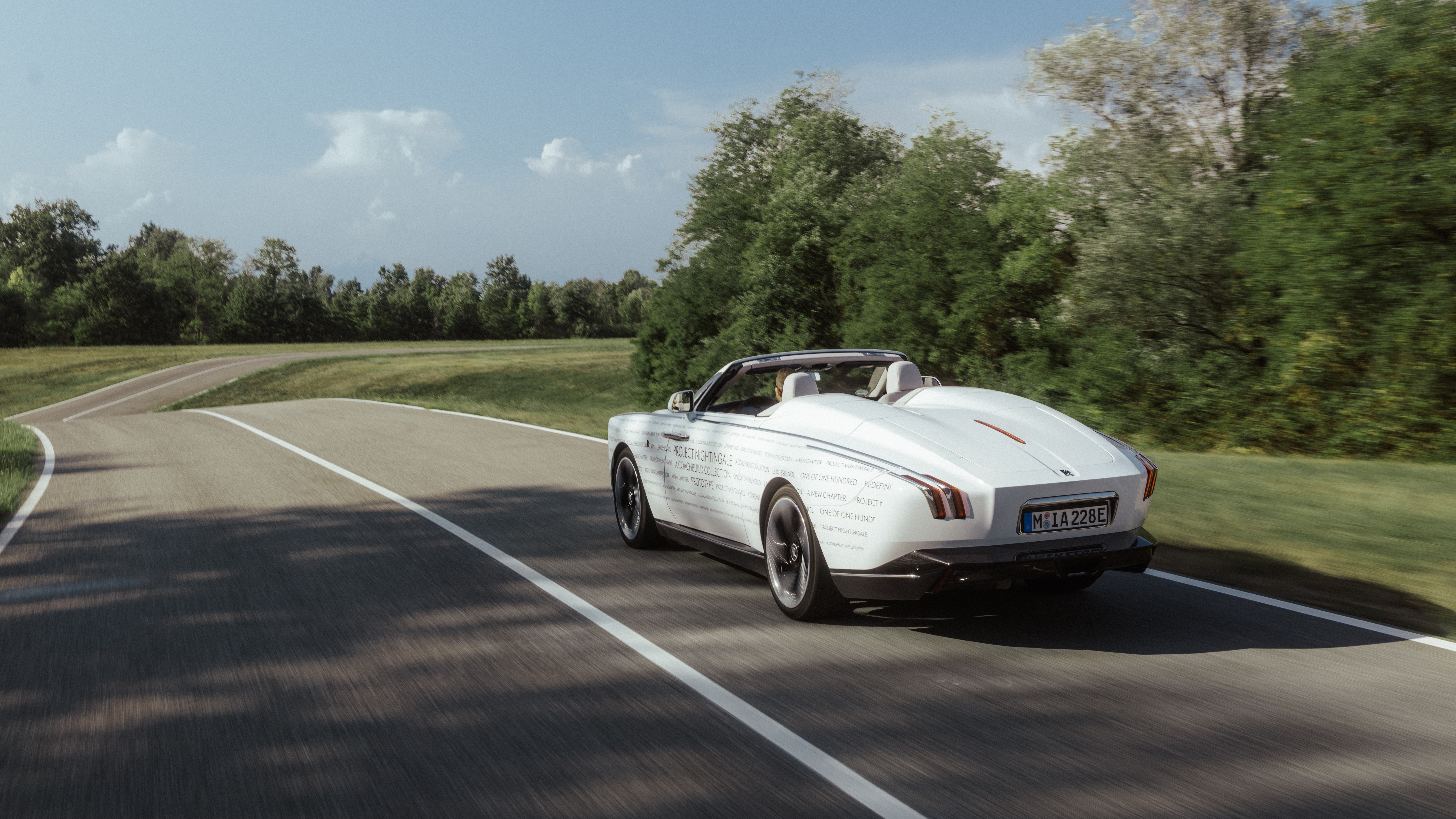
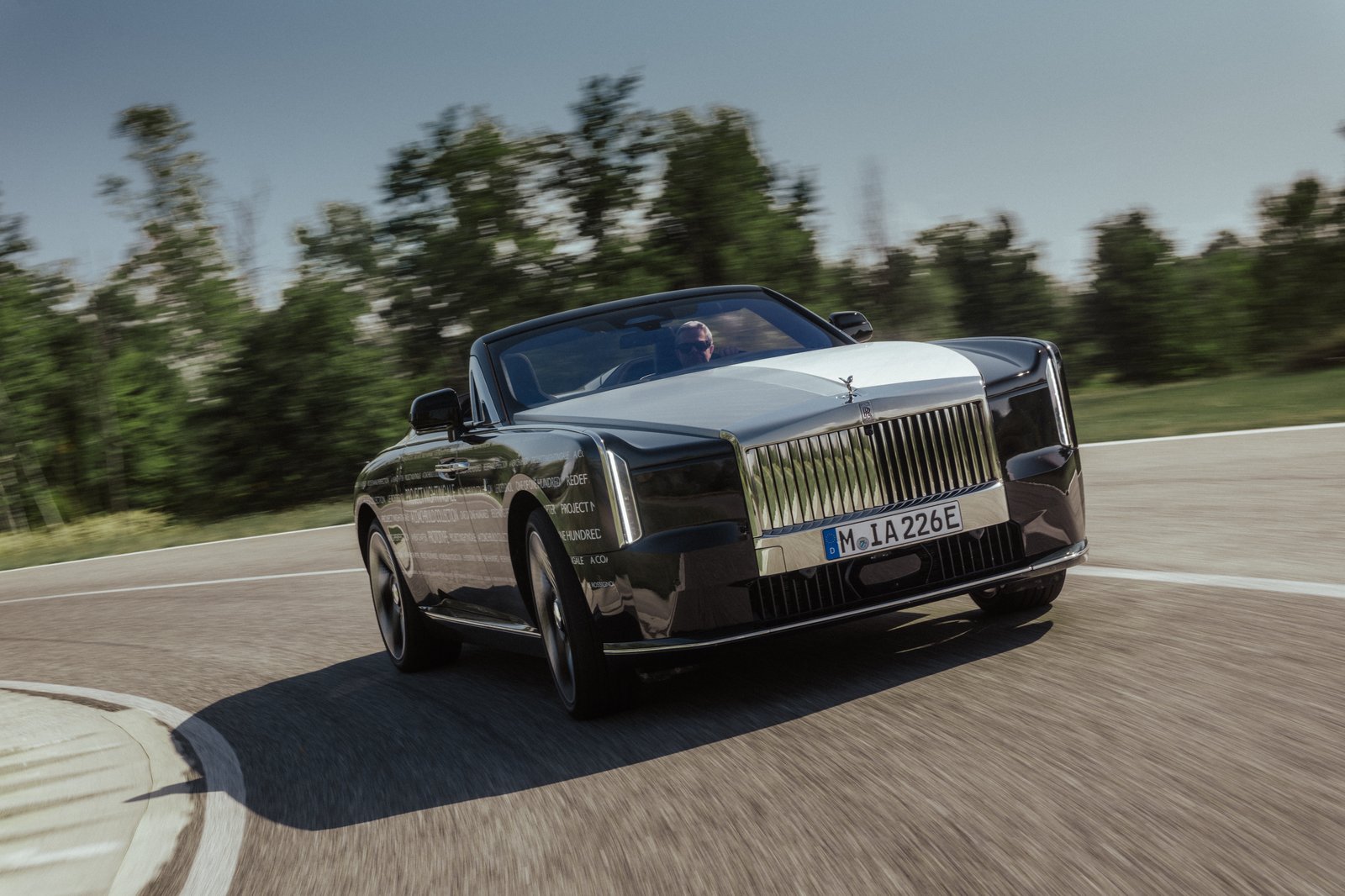
Rolls-Royce has put its rarest electric car on the road. Prototypes of Project Nightingale, the coachbuilt convertible limited to 100 examples, have entered a global testing program the automaker says will add up to 350 collective weeks of engineering work before customer deliveries begin in 2028.
Testing opened in Southern Europe and will move on to the Arctic Circle and the deserts of the Arabian Peninsula, with runs at altitudes of up to 9,022 feet (2,750 meters). The starting point is deliberate: the project takes its name from Le Rossignol — French for "the nightingale" — the house Henry Royce built for his designers near his winter home on the French Riviera, and the company ran relentless endurance tests in the region a century ago, including on the roads between Monte Carlo and London.
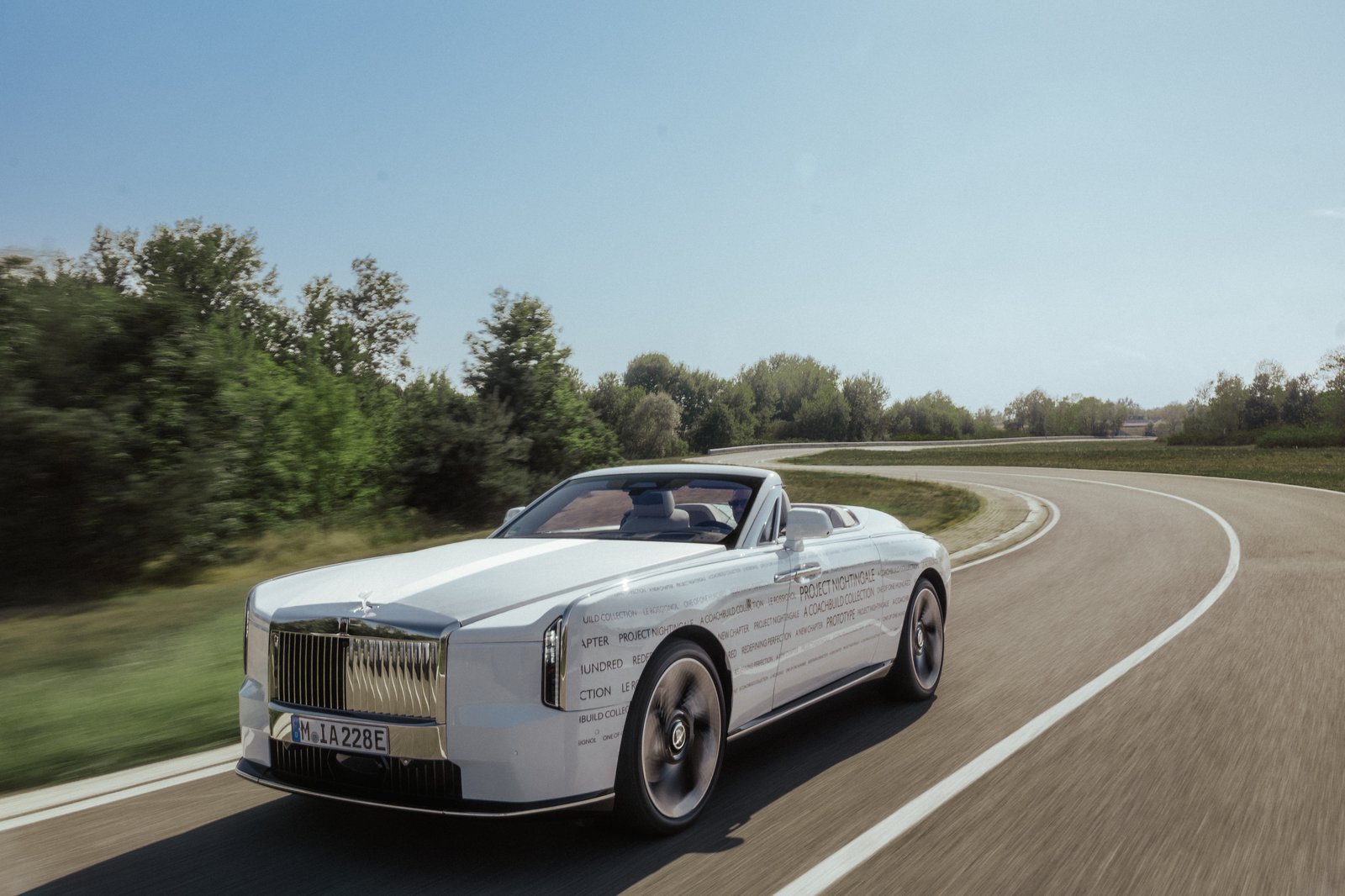
Static prototypes have already logged more than 1,430 hours of aerodynamic simulation and wind tunnel work, according to Rolls-Royce. The next phase is validation at a private high-speed facility, where the cars will run at up to 155 mph while engineers work on suppressing wind noise. The company has also developed a fully electric wind deflector specifically for this car, designed to stop high-pressure air from curling back into the open cabin — and to hold in warmth during top-down driving in cold weather.
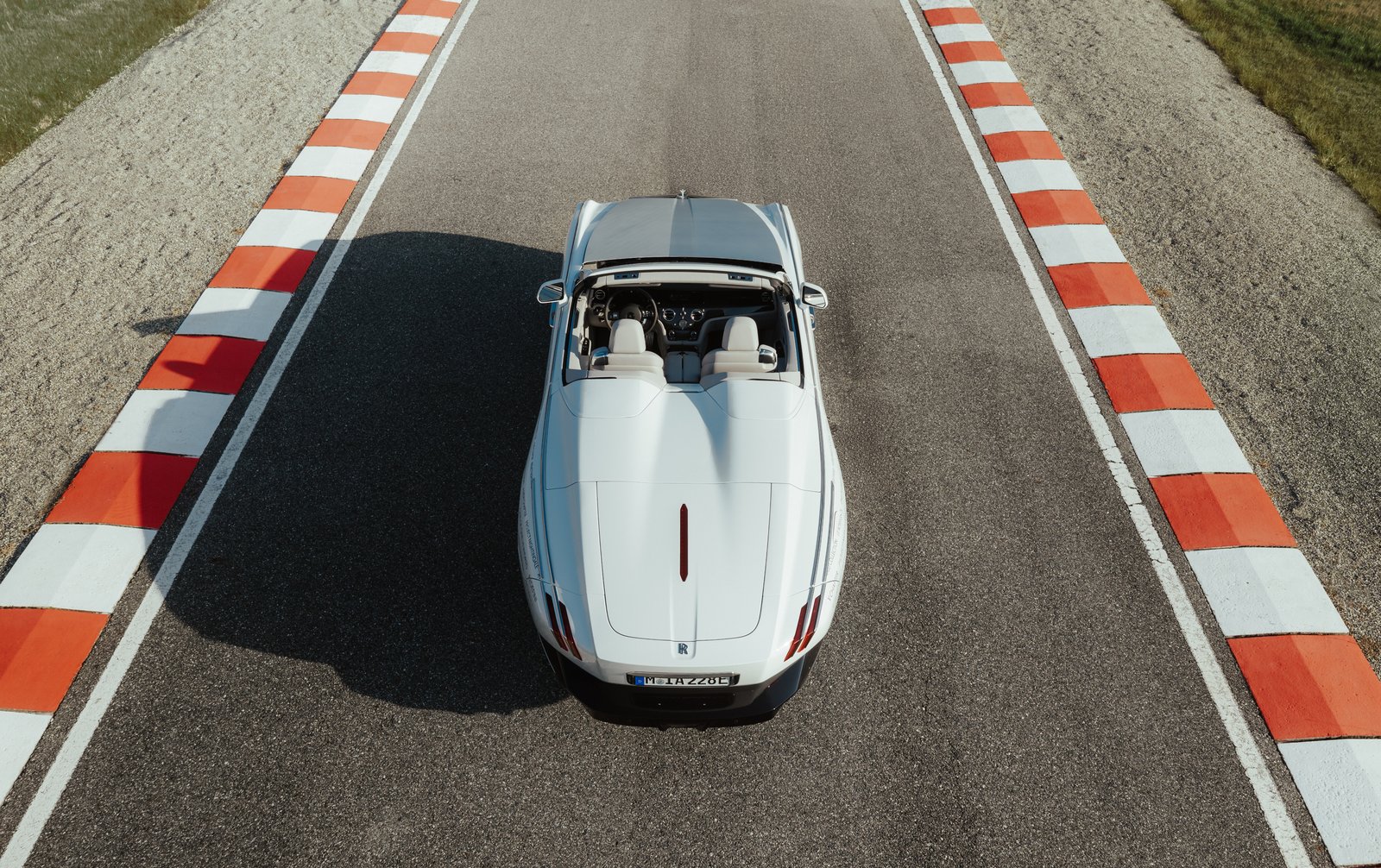
The folding roof, lined with a blend of cashmere, fabric, and acoustic composites, faces 10 separate tests of its material and closing mechanism at temperatures up to 176°F (80°C). The strangest number in the program belongs to the Piano Boot, a sideways-opening, cantilevered trunk lid Rolls-Royce says has never appeared on one of its cars before: it will be opened and closed up to 15,000 times to prove the mechanism keeps working flawlessly for decades.
The biggest coachbuild run Rolls-Royce has ever attempted
Project Nightingale debuted on April 14 as the first of Rolls-Royce's Coachbuild Collections — a new tier between the series lineup and one-off commissions such as the Boat Tail. Instead of a single car shaped around a single client, a Collection is a design authored entirely by Rolls-Royce and offered, by invitation only, to 100 buyers. The two-seat open-top uses the company's Architecture of Luxury aluminum spaceframe and an all-electric powertrain, with styling that draws on the marque's experimental EX cars of the 1920s.
It also puts a convertible back in the range. The last Dawn left the Goodwood factory in 2023, and Rolls-Royce hasn't sold an open-top model since — the Spectre EV is a coupe. The company says commissioning clients made it clear they intend to drive these cars year-round across the world, which explains a test plan that stretches from desert heat to sub-freezing roof cycling.
What Rolls-Royce still hasn't shared: power, range, weight, or price. Development began almost three years ago, and with road testing now underway, the program points to a finished car well ahead of the first deliveries in 2028.