The Engine That Replaced the Hemi: What NHTSA Data Says About the Hurricane 3.0
Stellantis' twin-turbo inline-six powers the Ram 1500, Grand Wagoneer and Charger. We counted 197 engine complaints in NHTSA's files, and found no recall or investigation.
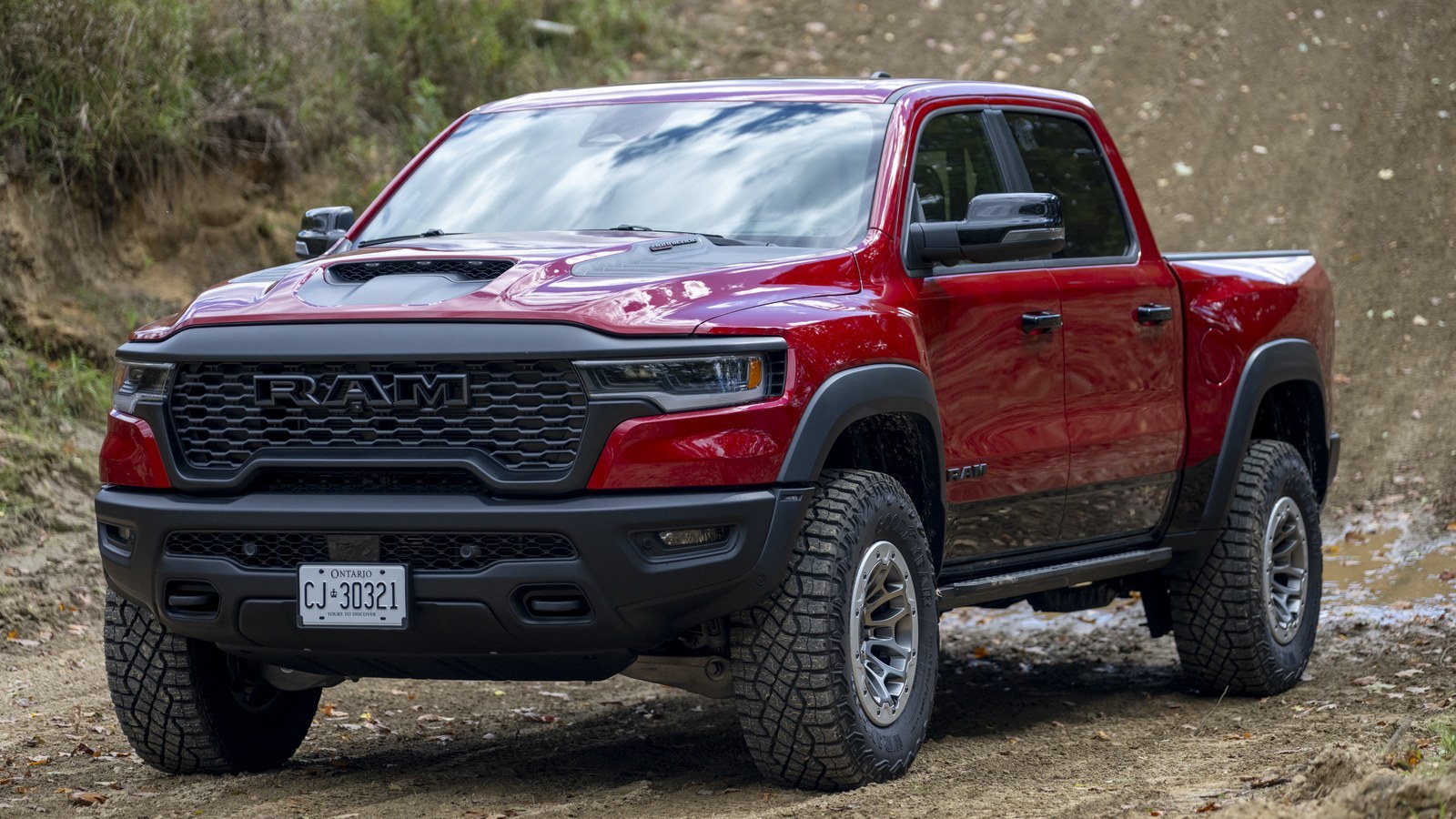
The 3.0-liter Hurricane was supposed to end the Hemi era at Ram, Jeep and Dodge. Four years after Stellantis unveiled it, the twin-turbo inline-six is still the main gas engine in the Ram 1500, Jeep Grand Wagoneer and Dodge Charger — yet the 5.7-liter Hemi is back on the order sheet, and the Hemi-powered Rumble Bee is sold out through March.
That reversal has made the Hurricane a reliability talking point, mostly on forums. We went to the federal record instead: every owner complaint, recall, investigation and dealer bulletin NHTSA holds for the vehicles that use the engine. Here is how the engine is built, where you will find it, and what the data does and does not show.
How the Hurricane is built
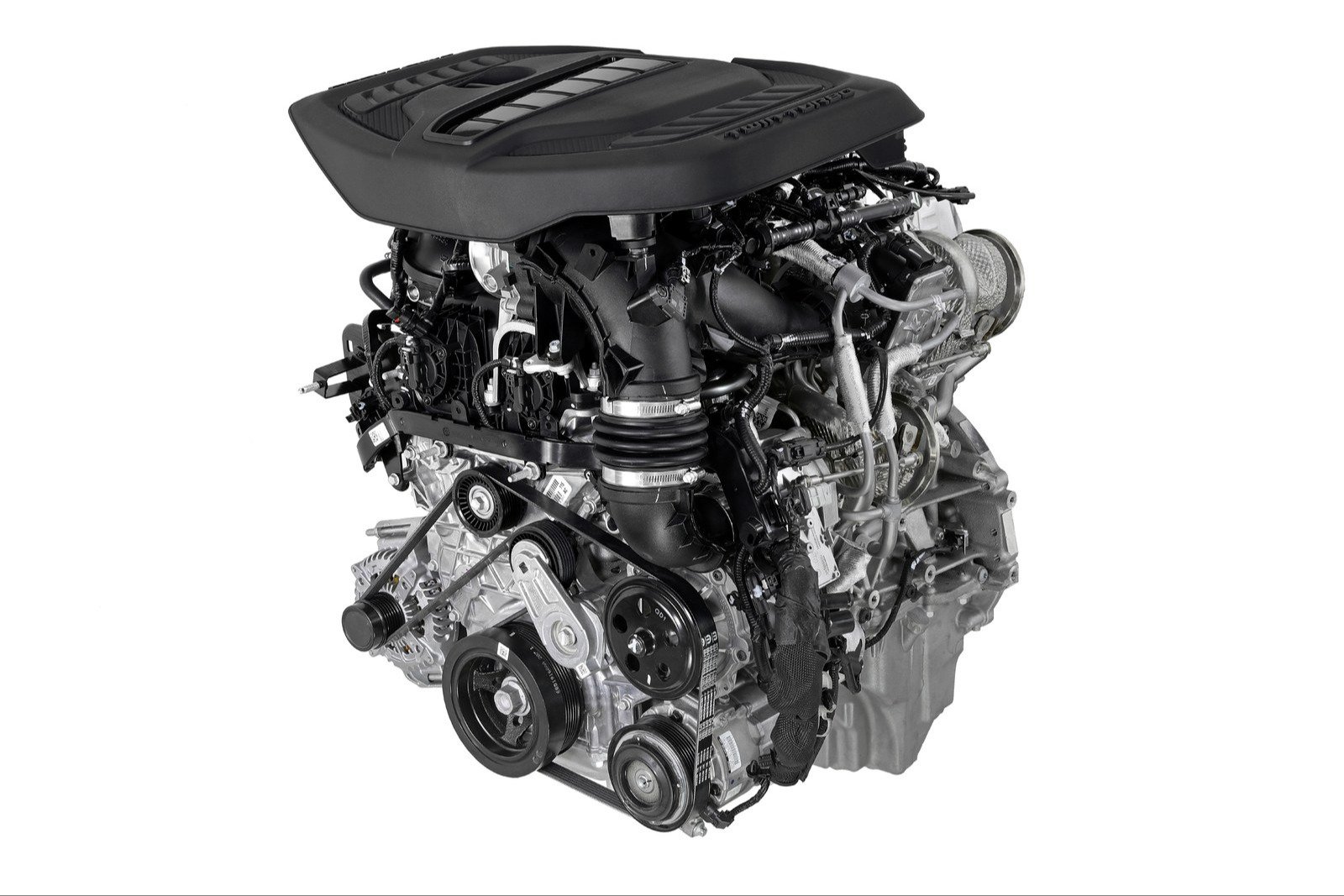
Stellantis detailed the engine in its March 2022 announcement. The block is deep-skirt cast aluminum with a forged steel crankshaft and connecting rods. Instead of iron cylinder liners, the bores get a thin sprayed-on steel coating, a process Stellantis calls Plasma Transfer Wire Arc.
Two small turbochargers each feed three cylinders. Fuel is injected directly at 5,075 psi, intake air is cooled by a water-to-air charge cooler mounted on the engine, and engine stop-start is standard. The engine is assembled in Saltillo, Mexico, and shares its bore, stroke and cylinder spacing with the company's 2.0-liter turbo four.
There are two versions, and they differ in hardware, not just software:
- Standard Output (SO): 22 psi of peak boost, 10.4:1 compression, cast aluminum pistons, cooled exhaust gas recirculation and a single high-pressure fuel pump.
- High Output (HO): 26 psi of peak boost, 9.5:1 compression, forged aluminum pistons and two high-pressure fuel pumps.
Fuel requirements follow from that. The 2026 Ram 1500 owner handbook specifies 87 octane for the SO, noting that 91 delivers optimum performance, and 91 octane or higher for the HO.
Where you will find it
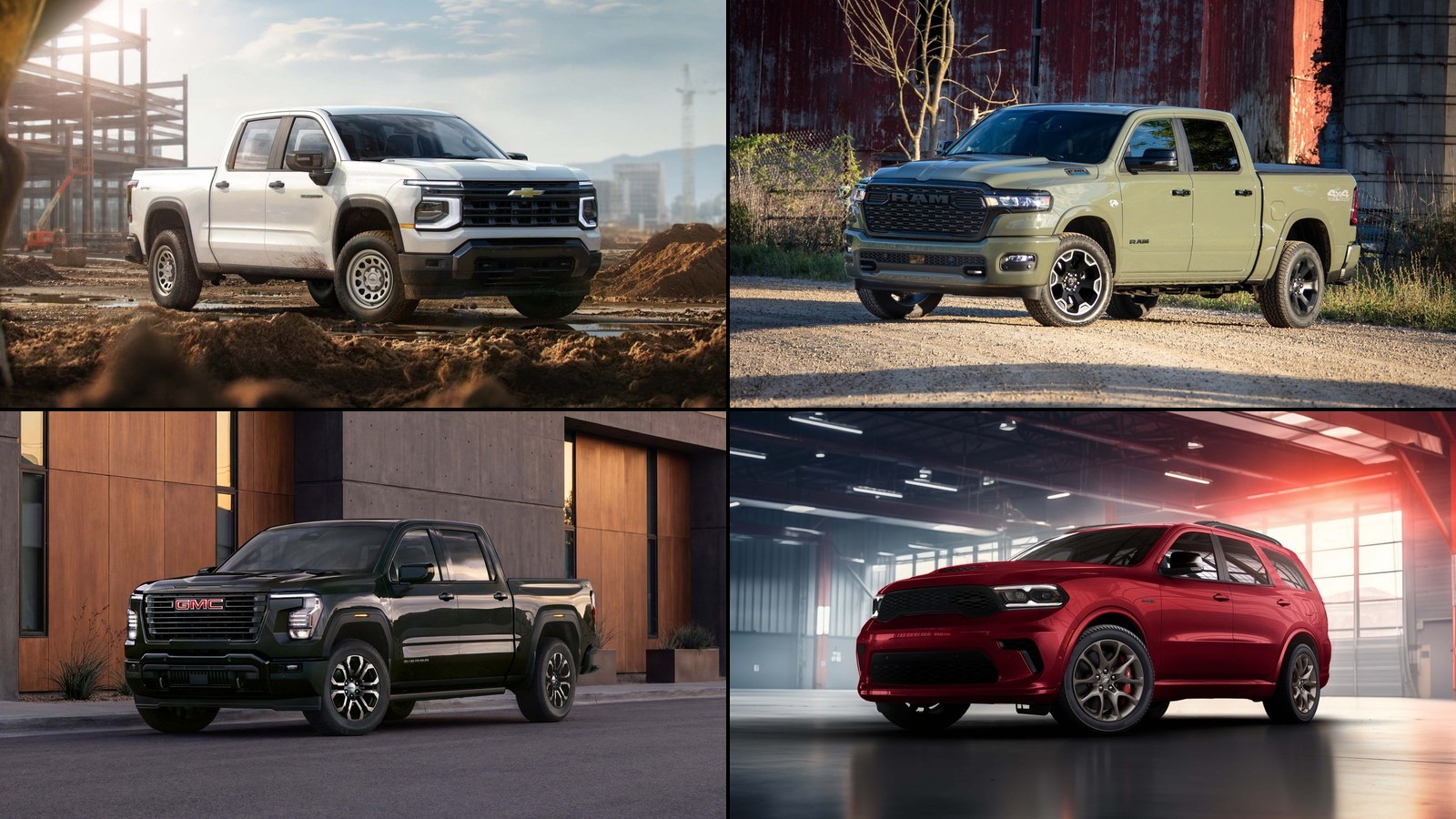
- Ram 1500 (2025 onward): 420 hp and 469 lb-ft as the SO; 540 hp and 521 lb-ft as the HO, including the RHO. The 2027 truck also offers a 3.6-liter V6 and three Hemi V8s — see how the Ram 1500 stacks up against the F-150 and Silverado.
- Jeep Wagoneer and Grand Wagoneer (since 2022): launched with 420 hp in the Wagoneer and 510 hp in the Grand Wagoneer. For 2026 Jeep folded both into one Grand Wagoneer line with the 420-hp SO, and announced a range-extended electric version.
- Dodge Charger: badged Sixpack, with 420 hp in the R/T, 550 hp in the Scat Pack and 600 hp in the 2027 Super Bee Launch Edition.
The Jeep Grand Cherokee is not on the list. Its new Hurricane 4 is a 2.0-liter four-cylinder that shares only the name.
On paper the six still beats the V8. EPA ratings on fueleconomy.gov put the 2027 Ram 1500 4WD at 19 mpg combined with the 3.0-liter on regular gas, against 18 mpg for the 5.7 Hemi eTorque on midgrade.
What NHTSA's complaint data shows
We pulled every complaint in NHTSA's database for the 2025–2026 Ram 1500, 2023–2026 Wagoneer and Grand Wagoneer, and 2026 Charger, then ran each partial VIN through the agency's own decoder to keep only vehicles with the 3.0-liter engine.
The result, for complaints filed through November 18: 679 complaints on Hurricane-powered vehicles, of which 197 list the engine as an affected component.
- 2023–2024 Wagoneer and Grand Wagoneer: 120 engine complaints out of 268, or 45%.
- 2025 Ram 1500: 67 out of 311, or 22%.
- 2026 Ram 1500: 6 out of 79.
- 2025–2026 Wagoneer and Grand Wagoneer: 4 out of 18.
- 2026 Charger: none out of 3.
We then read the 197 narratives and sorted them by keyword; one complaint can fall into several groups. Stalling, shutting off or losing power appears in 105 of them. Coolant loss, overheating or a failed thermostat appears in 54, and 50 of those involve 2023–2024 Wagoneers and Grand Wagoneers. Engine stop-start is mentioned in 45. Nine describe an engine replacement.
Across those 197 reports, owners cited one fire, three crashes and one injury. No deaths were reported. The filing pace is rising as the fleet grows: 23 complaints in 2024, 63 in 2025 and 111 so far in 2026.
Three limits matter. Complaints are unverified owner reports, and the owner picks the category. Many "engine" stalls describe the truck shifting itself into Park or a stop-start warning, which can point to software or electrical faults as easily as engine hardware. And Stellantis does not publish production by engine, so these counts cannot be turned into a failure rate or compared fairly with the Hemi.
Recalls, investigations and service bulletins
NHTSA lists 25 recall campaigns for these vehicles. None targets the engine; they cover rearview cameras, instrument clusters, tire pressure monitors, seat belts, lighting and trim. You can check any vehicle by VIN at NHTSA's recall lookup.
The agency has no open investigation into the 3.0-liter. Its one open stalling probe involving these nameplates, PE24018, concerns the engine the Hurricane replaced: the 5.7 Hemi eTorque in 2022 Ram 1500 and Wagoneer models, opened in July 2024 on 80 complaints.
Automakers must file their dealer communications with NHTSA, and several from 2026 name the engine. Three name the 3.0-liter directly: a revised oil pump replacement procedure for 2022–2024 Wagoneers, a water pump leak inspection to run before replacing the pump, and a July bulletin for misfire codes and a check-engine light on SO engines above 1,000 feet of elevation.
Two more dealer notices, from May and June, are titled "Hurricane Spark Plug Repair" and "Hurricane Engine Replacement — Additional Procedures." Their public summaries do not say whether they cover the six, the new four-cylinder or both. In every case the filings show what dealers are told to look for, not how many vehicles are affected.
Why the Hemi came back
Stellantis has never tied the Hemi's return to Hurricane durability. When Ram reopened V8 orders in June 2025, then-Ram CEO Tim Kuniskis put it down to customer demand, saying Ram "screwed up when we dropped the HEMI" and had fixed it. The same release said the Hurricane stays in the lineup as the stronger and thriftier option.
Ram later said it took 10,000 Hemi orders in the first 24 hours. The company has not published a sales split between the two engines; Kuniskis told TopSpeed in January that he expected the Hemi to settle at roughly 35% of Ram 1500 sales. For the wider strategy, see why Dodge is betting on gasoline again and every new V8 you can buy for under $50,000.
What owners should do
- Use the specified oil. The handbook calls for 0W-20 full synthetic meeting MS-6395 in the SO and 0W-40 meeting MS-A0921 in the HO, both API SP or later. It warns that older API grades can cause engine damage that the warranty does not cover.
- Respect the interval. Follow the oil change indicator, and never exceed 10,000 miles, 12 months or 350 engine hours. The handbook also says to check the oil level monthly.
- Know your warranty. Ram gave 2026-model trucks a 10-year/100,000-mile limited powertrain warranty for original owners. Pickup Truck Talk reports that 2027 models revert to 5 years/60,000 miles, so confirm the coverage on the window sticker.
- Document a stall. Note the date, speed and dash messages, ask the dealer whether a bulletin or software update applies, and keep the repair orders.
- File a complaint with NHTSA. Complaint volume is what moves the agency, as the Honda stop-start investigation shows.
What we don't know yet
- The failure rate. Without engine-level production figures, complaint counts are only a signal.
- Root causes. Neither NHTSA nor Stellantis has identified a defect in the 3.0-liter.
- Whether NHTSA will open an investigation. A defect petition or a formal probe would be the next step to watch.
- Whether the 2027 Grand Wagoneer changes anything; Jeep has not published its 2027 details.