Dodge Is Betting on Gasoline Again. Its Sales Numbers Say It Has To
Three moves in under a week point Dodge one way. Its numbers, 233 electric Chargers in a quarter and 149 days of stock, show why it had little choice.
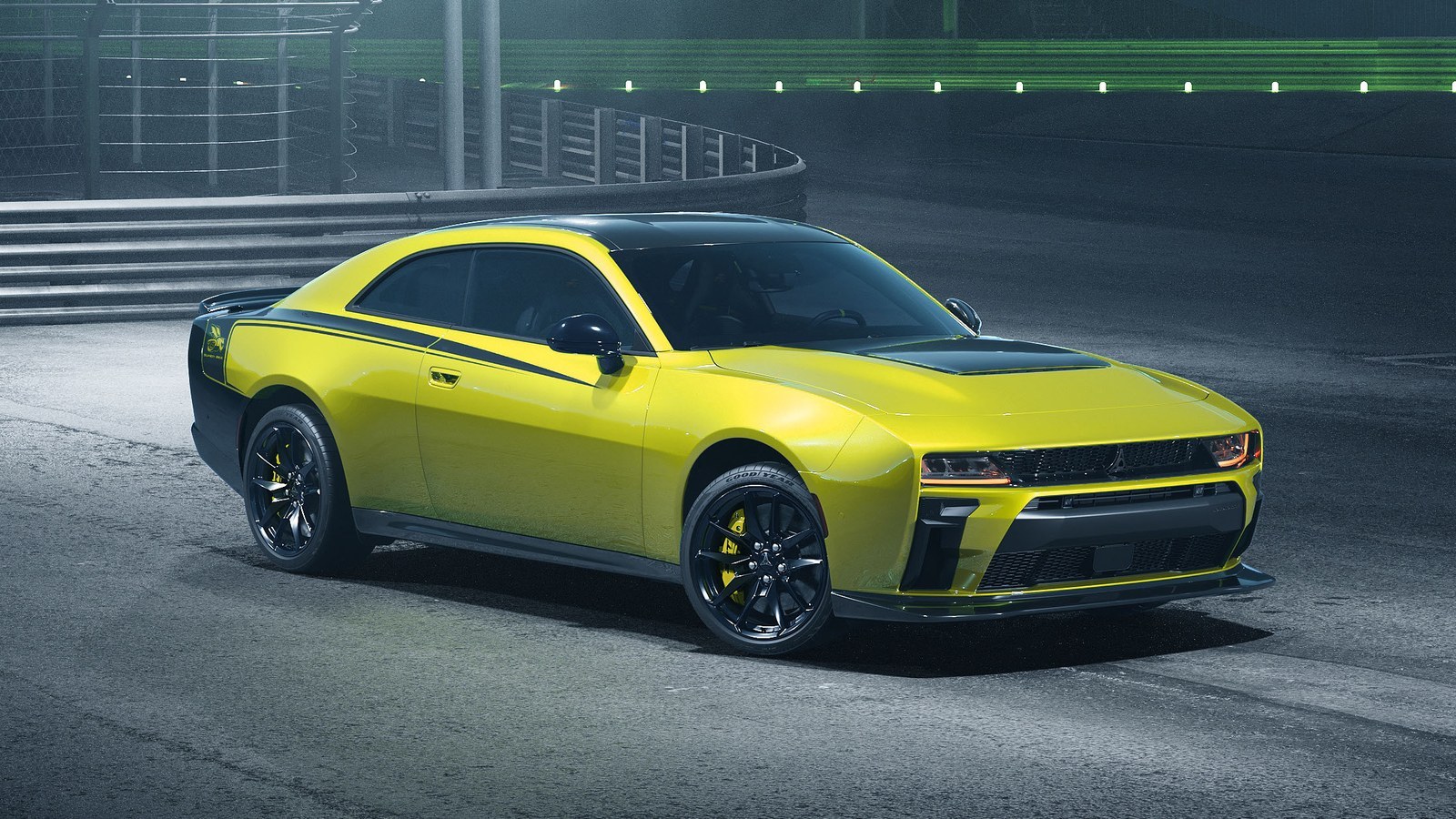
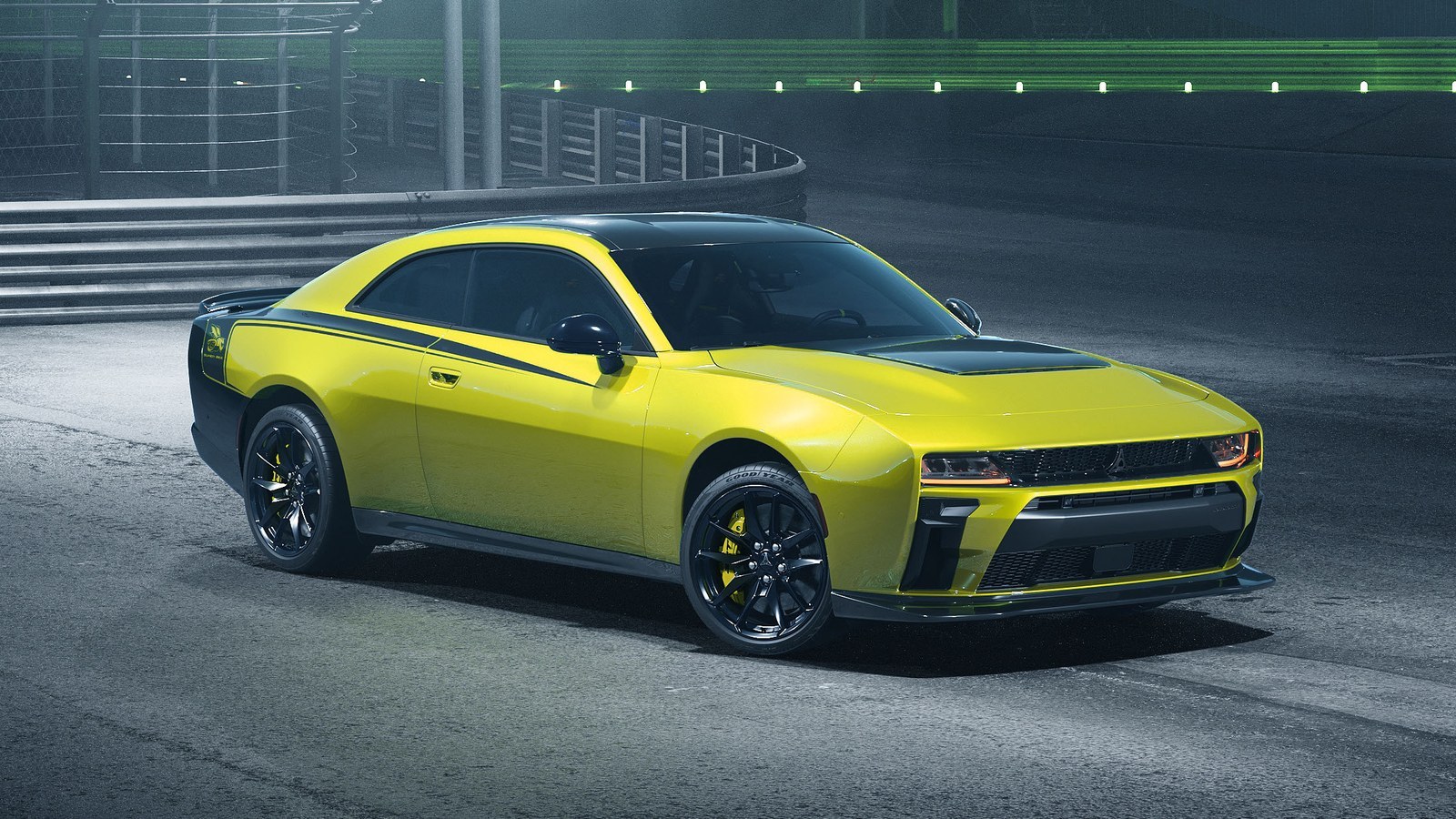
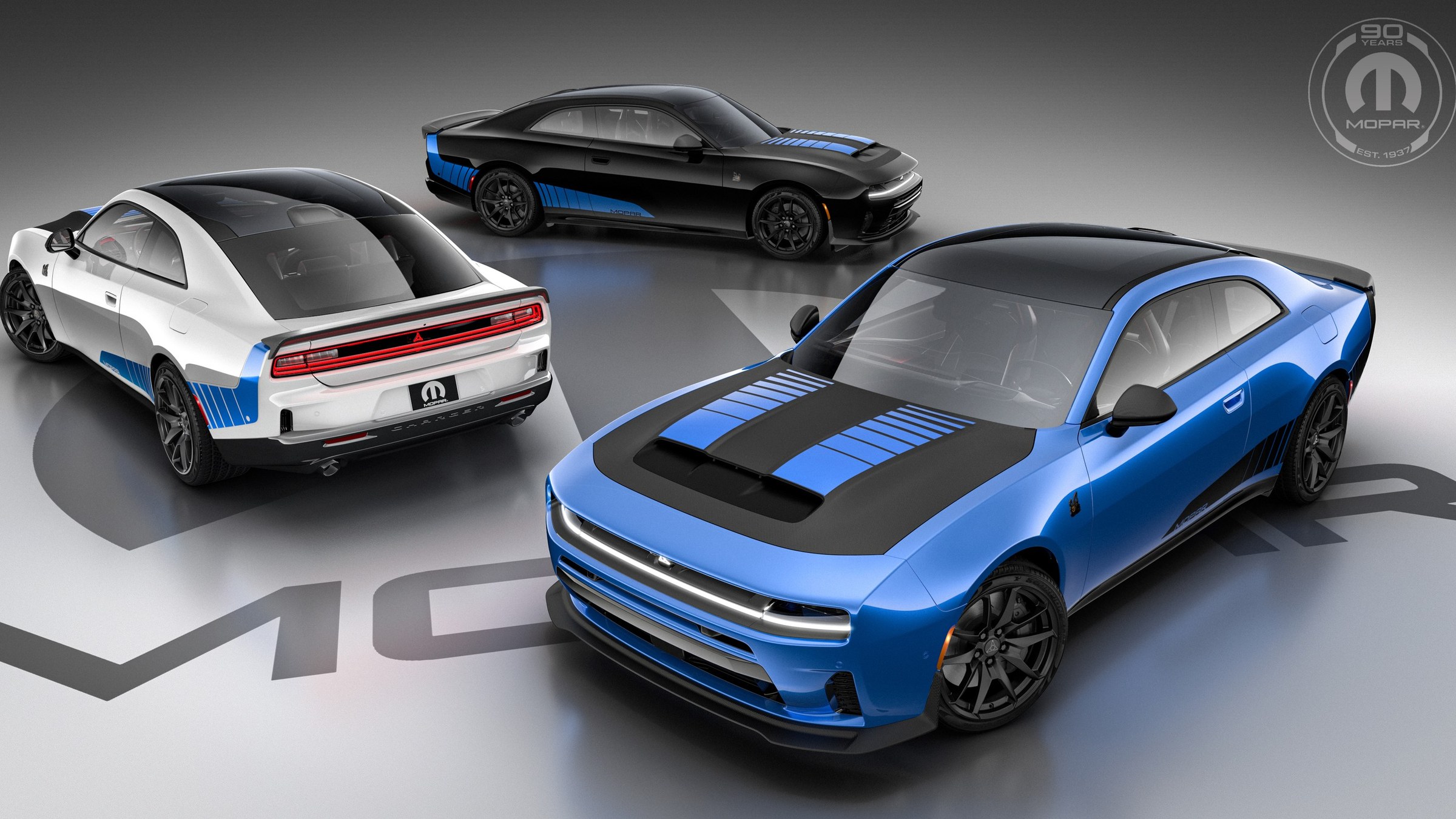
In less than a week, Dodge put a $10,995 Mopar package on the gas Charger, told buyers its 600-hp Super Bee reaches dealers early next year, and then announced on Nov. 2 that it is going back to NASCAR Cup racing in 2027. The release announcing that return summed up the strategy in one line: "gasoline-powered performance is back at the center of the brand."
It is easy to read that as nostalgia with a marketing budget. I'd argue it is closer to the opposite. Dodge's own third-quarter numbers suggest the brand isn't so much choosing gasoline as running out of alternatives.
Three moves, one direction
On Oct. 28, Mopar priced its 270-car '27 Charger package, the first factory special on the SIXPACK coupe. On Oct. 29, Dodge said the Charger Super Bee Launch Edition arrives early next year with a day at Radford Racing School included. On Nov. 2, at SEMA, Tim Kuniskis, who runs Stellantis' American brands and SRT, confirmed the Cup program, with Kaulig Racing as the anchor team and the stock car due to be revealed Dec. 4.
What strikes me is what those announcements leave out. The lineup paragraph at the bottom of the NASCAR release lists the Charger R/T, Scat Pack, and Super Bee, plus three Hemi-powered Durangos, and stops there. The electric Charger Daytona isn't mentioned. It is still in Dodge's 2027 Charger press kit, now with a NACS port, so I wouldn't call it dead. It is just no longer the car Dodge leads with.
What the Charger numbers say
Stellantis' third-quarter U.S. sales report splits the Charger by powertrain, and the split is stark. Dodge sold 3,446 gas Chargers and 233 electric ones in the quarter. A year earlier, the mix was 238 gas and 2,776 electric. That comparison flatters the turnaround: the third quarter of 2025 was the last one with the $7,500 federal EV credit, and the gas car had barely reached dealers.
Still, the direction is clear. Total Charger sales rose 22% to 3,679, and the electric share fell from 92% to about 6%, by our math. Through September, Dodge has sold 8,029 gas Chargers and 767 electric ones.
The price sheet explains a lot of that. Dodge's 2027 press kit lists the two-door Charger R/T at $49,995, the Scat Pack at $54,995, and the Daytona Scat Pack at $72,495, a $17,500 gap between the two Scat Packs. Leasing is wider still. Citing CarsDirect data on 2026 models, Jalopnik reported on Oct. 29 that the Daytona Scat Pack's effective monthly cost was about $1,486, against $733 for the gas Scat Pack. The main reason, according to that report, is residual value: Dodge reportedly expects the electric car to keep about 40% of its price after three years, versus about 67% for the SIXPACK car.
What the brand numbers say
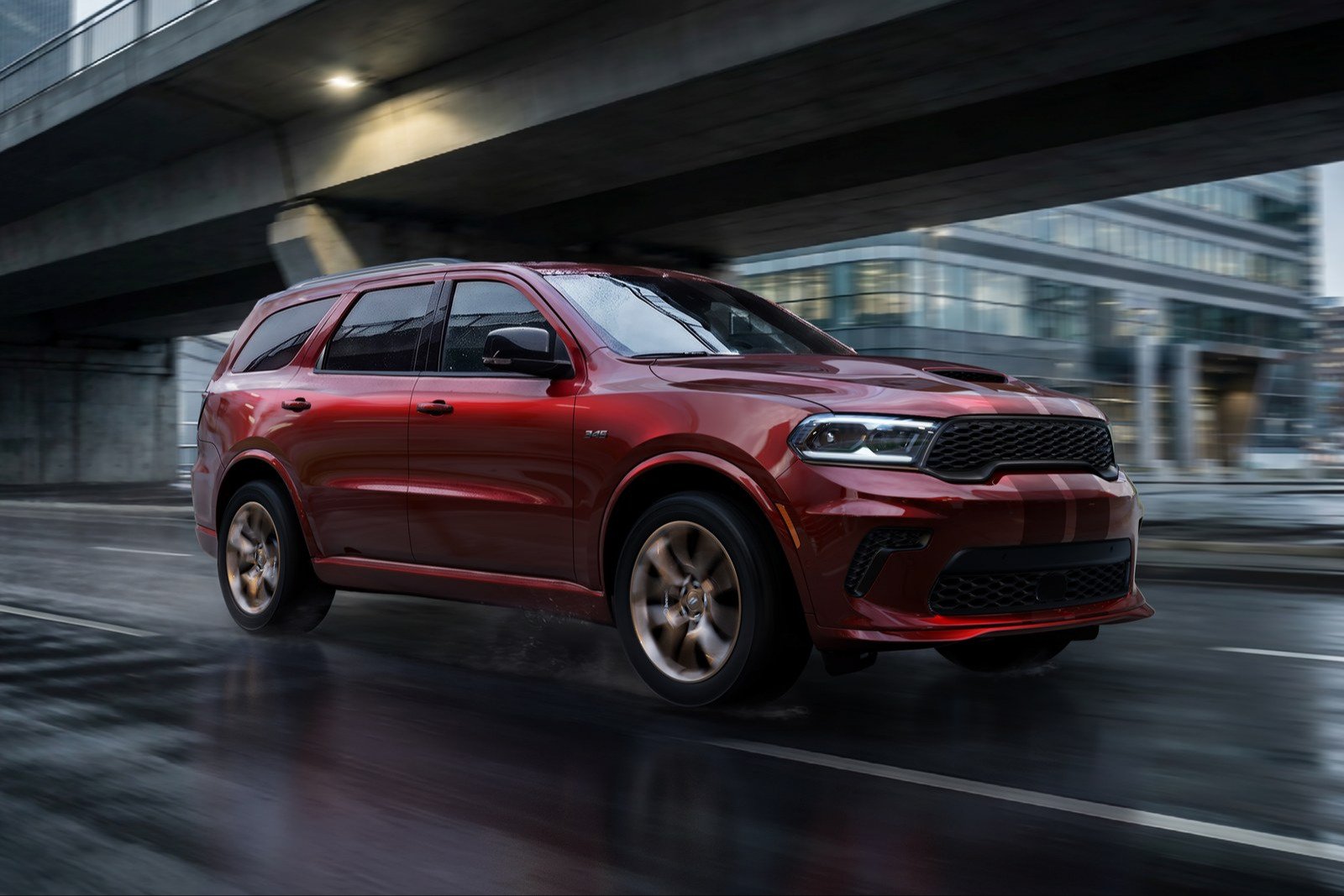
Zoom out, and the picture gets narrower. Dodge sold 26,546 vehicles in the quarter, up 2%, and 71,057 through September, down 3%. The Durango accounted for 22,755 of those, or about 86% of the quarter, by our math. Stellantis says it was the Durango's best third quarter since 2005.
The third nameplate is effectively gone. The Italian-built Hornet sold 85 units in the quarter, down 97%, after Dodge confirmed in January that production had ended because of shifts in the policy environment.
Then there is stock. Cox Automotive counted 149 days of supply for Dodge at the end of September, against an industry average of 82. Jeep stood at 169 days and Ram at 152, as our look at Stellantis' third-quarter inventory showed. Cox doesn't break out the Charger, so from the outside, there is no way to tell how much of that sits on Charger lots and how much on Durango lots.
Why this reads as a plan
Here is my read. A brand with two nameplates, one of which brings in 86% of its sales, can't afford a halo car that doesn't sell. The electric Charger was meant to be that halo. At 233 cars a quarter, it isn't. The gas Charger is growing from a small base, the Durango just had its best third quarter in two decades, and Stellantis has already seen what a returning V8 can do: Ram 1500 sales rose 73% in the quarter with the 5.7-liter Hemi back in the lineup.
NASCAR fits that logic. By Stellantis' own account, Ram's program with Kaulig re-established a factory-backed presence at the track and laid the groundwork for a wider push into American motorsport. Cup racing is the loudest version of that push, and it puts a Charger in front of exactly the buyers Dodge is now chasing.
The case against
The strongest objection is scale. Ford says gas Mustang sales rose 7.5% in the third quarter, to 9,960 cars according to figures reported by autoevolution. That is about 2.7 times the Charger's total. And the Mustang isn't scarce either: Ford ended September with 14,800 in stock, roughly four and a half months of third-quarter sales, by our math. The gas muscle-car segment Dodge is re-centering on is small, and its leader has inventory, too. For the wider context, see how Ford's quarter went.
A 149-day supply also says gasoline alone isn't clearing Dodge's lots. And the numbers that would separate a plan from a gesture are the ones Dodge hasn't published: what the Cup program costs, which car and engine it will race, and what it intends for the Daytona.
What to watch
The stock car is revealed Dec. 4 at the Snowball Derby. Super Bee pricing is still missing. Stellantis' fourth-quarter U.S. sales, due in early January, will show whether the gas Charger can build on 3,446 a quarter. My bet is that Dodge's direction is now settled. What isn't settled is whether the market in that direction is big enough to carry a brand.