Before a New Toyota Gets Built, This Team Makes Sure It Fits the Paint Shop
Toyota profiled three engineers whose work happens long before a car reaches the line — and whose jobs U.S. manufacturers are finding harder to fill.
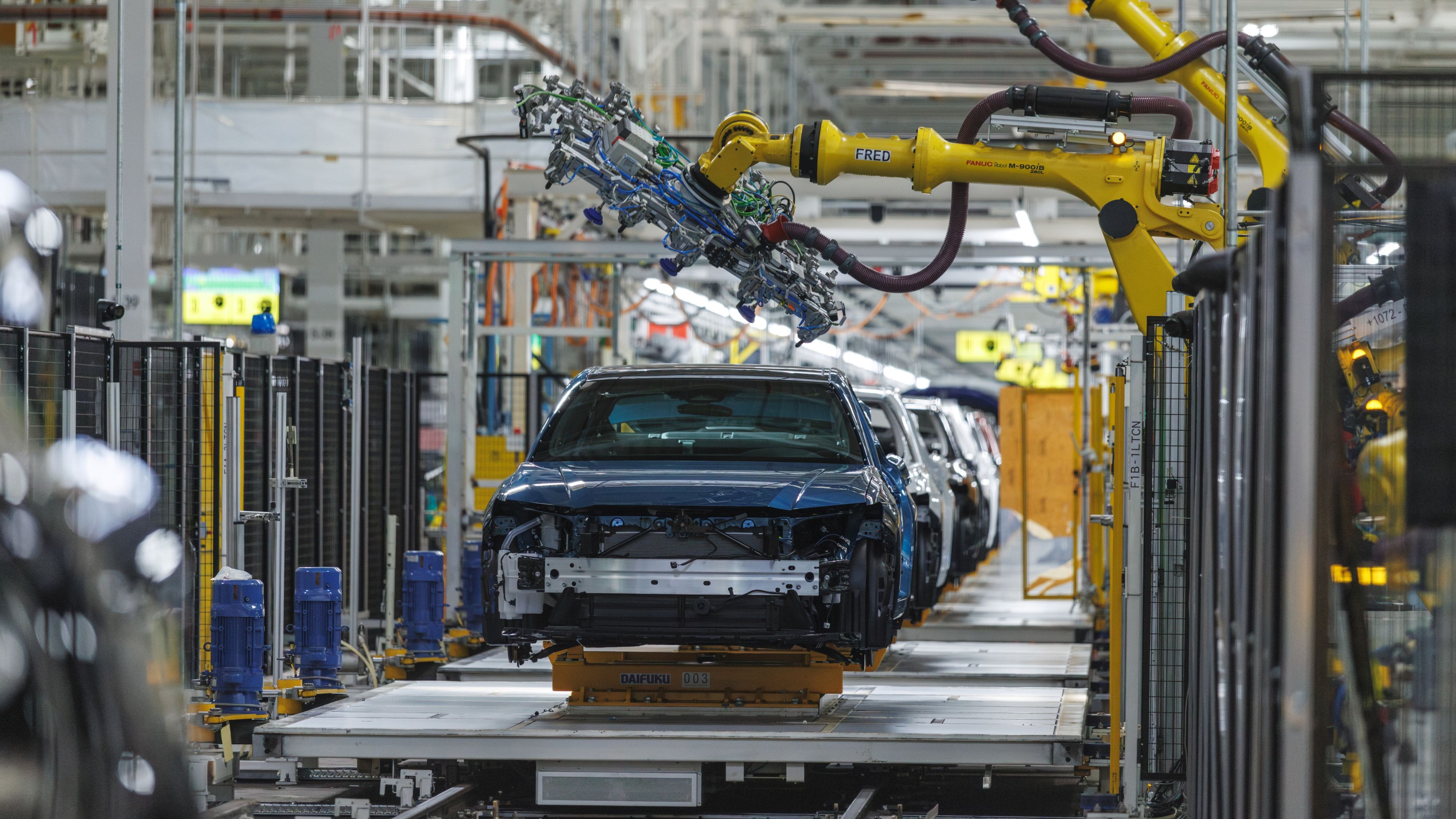
Before a new Toyota goes into production, someone has to confirm its body can physically travel through the paint shops at the company's North American plants. In a staff profile published Oct. 9, Toyota put names to that job and two other engineering roles buyers never see.
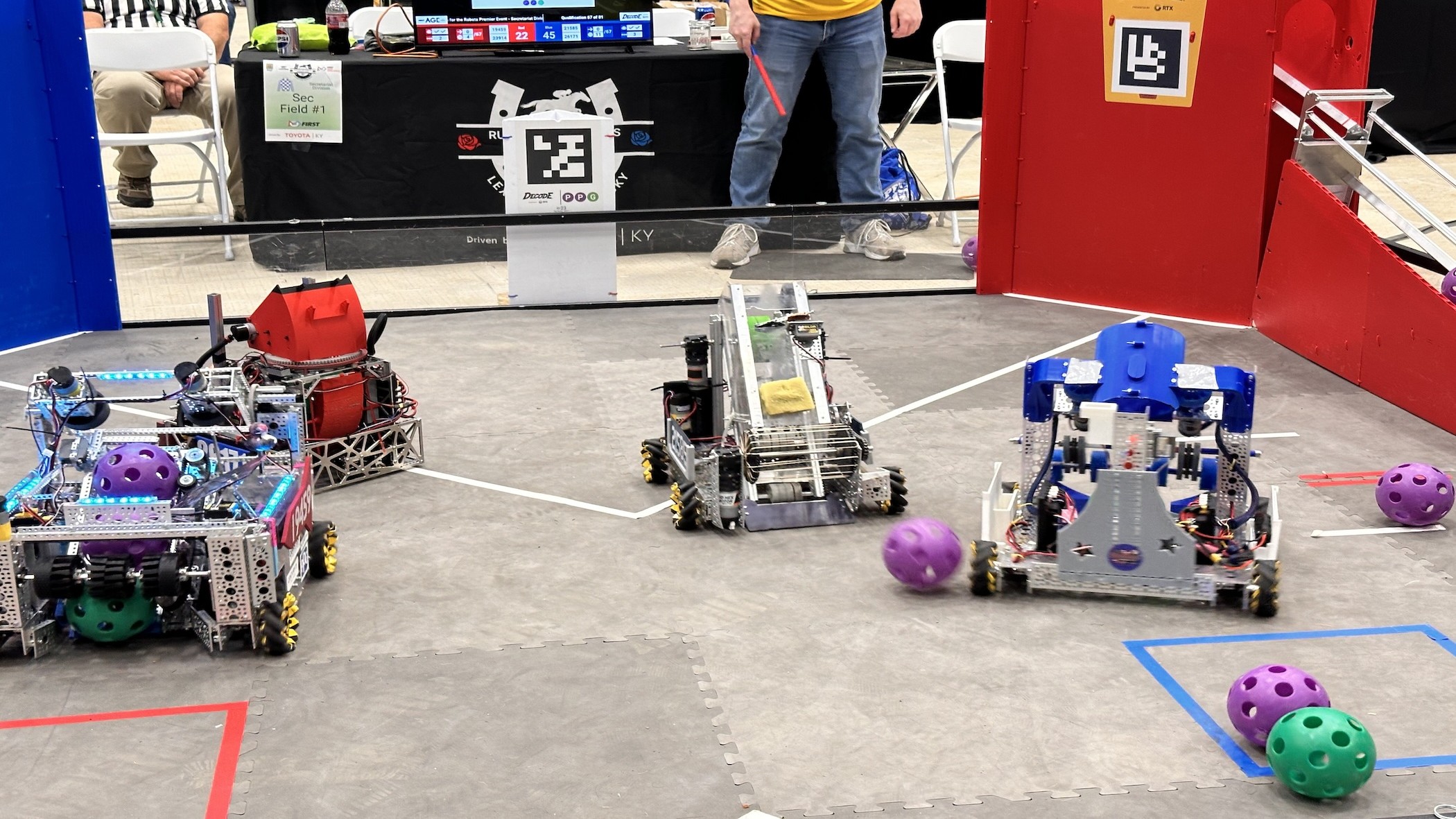
Paint-shop fit falls to Stacy Berry, a senior manager at the Production Engineering and Manufacturing Center (PEMC) in Kentucky, who has been with Toyota for more than 20 years. The profile continues a run of outreach from the state, where Toyota's largest plant hosted Kentucky's student robotics kickoff last month.
Berry says her team takes a new vehicle's structure from the designers, then designs, prototypes, and signs off on changes to the hardware that carries it through paint: lifters, carriers, and the jigs that hold bodies and bumpers. Paint gets more scrutiny than most buyers assume. Toyota paints half a truck before approving a TRD Pro color.
Morgan Newmark, a senior engineer with five years in the Quality Policy and Audit group, plans and runs audits and writes the quality standards plants have to meet. She pushes back on the job's reputation:
"I know audits can sound intimidating, but we're not there to point fingers. We're there to support teams and make sure everyone has what they need to do their best work."
The third is Leeann Sartain, a senior engineer who has spent four of her 20 years at Toyota in the Materials Quality Chemicals group. She and Berry both describe mentoring as a central part of the work. Berry tells co-op students to rotate through several departments before settling on a specialty.
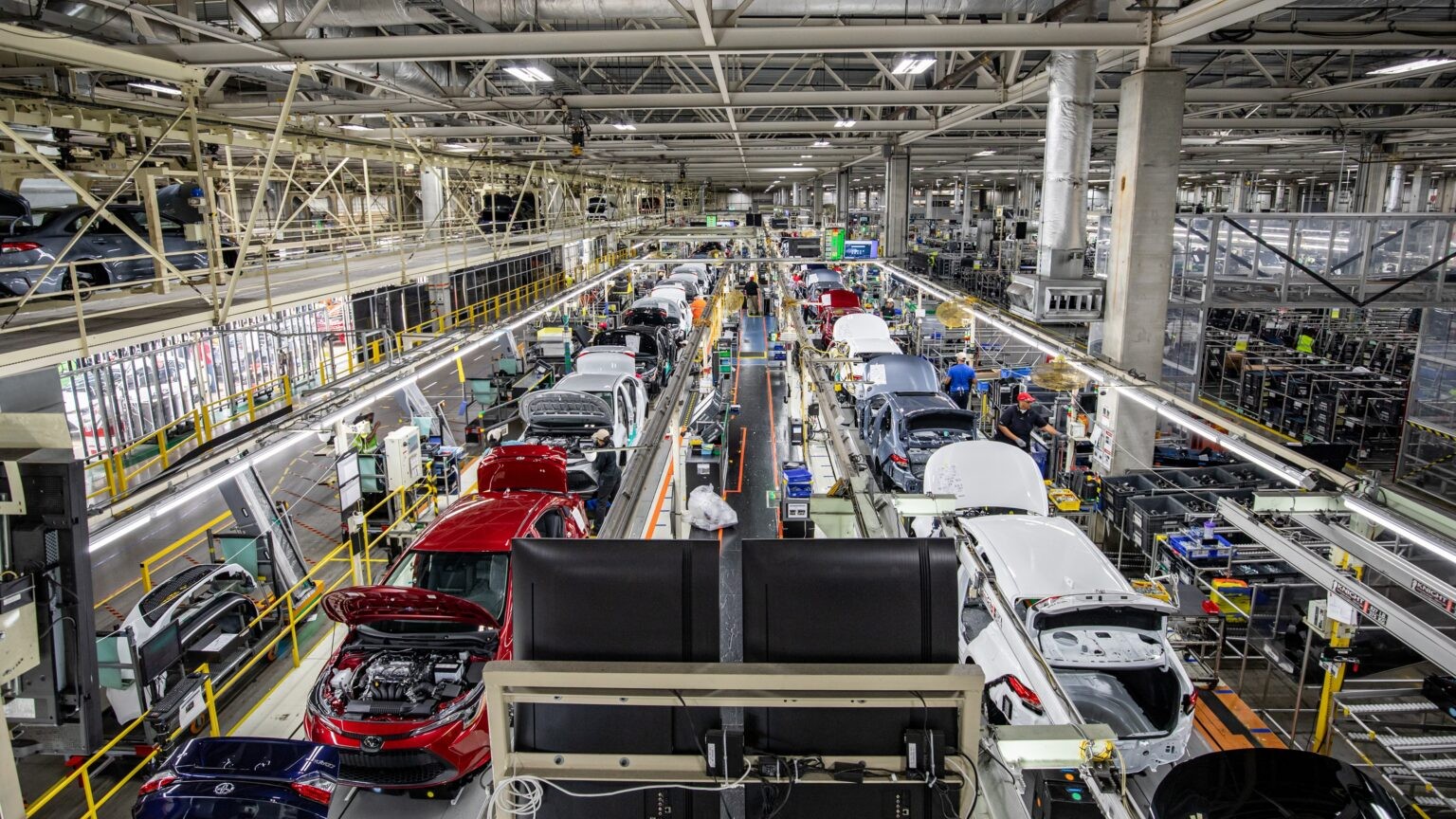
The profile includes no hiring numbers, but the scale explains why Toyota is telling these stories. PEMC is an $80 million facility that opened in Georgetown in 2017 as a base for more than 600 production engineers, the people who decide how each vehicle gets built across stamping, body, paint, and assembly. Toyota says it directly employs nearly 64,000 people in North America across 14 manufacturing plants.
Filling those roles is getting harder across the industry. A 2024 study by Deloitte and the Manufacturing Institute estimated that U.S. manufacturers could need as many as 3.8 million new workers by 2033, and that about 1.9 million of those jobs could go unfilled if the skills gap isn't closed.
Toyota's answer has been to start early. At Georgetown's 40th-anniversary ceremony in March, it pledged $4.4 million for career development and STEM education in local schools. Rivals are working the same angle: in September, GM turned its WEC home race into a classroom for 78 Texas high schoolers.
Toyota hasn't said how many engineering or co-op positions it plans to fill this year.