Audi's Most Efficient EV Ever Is Also Its Cheapest — and America Can't Have It
The reborn A2 claims brand-record efficiency and undercuts Audi's cheapest US model by thousands — but it was engineered for Europe, and Audi is silent on American sales.
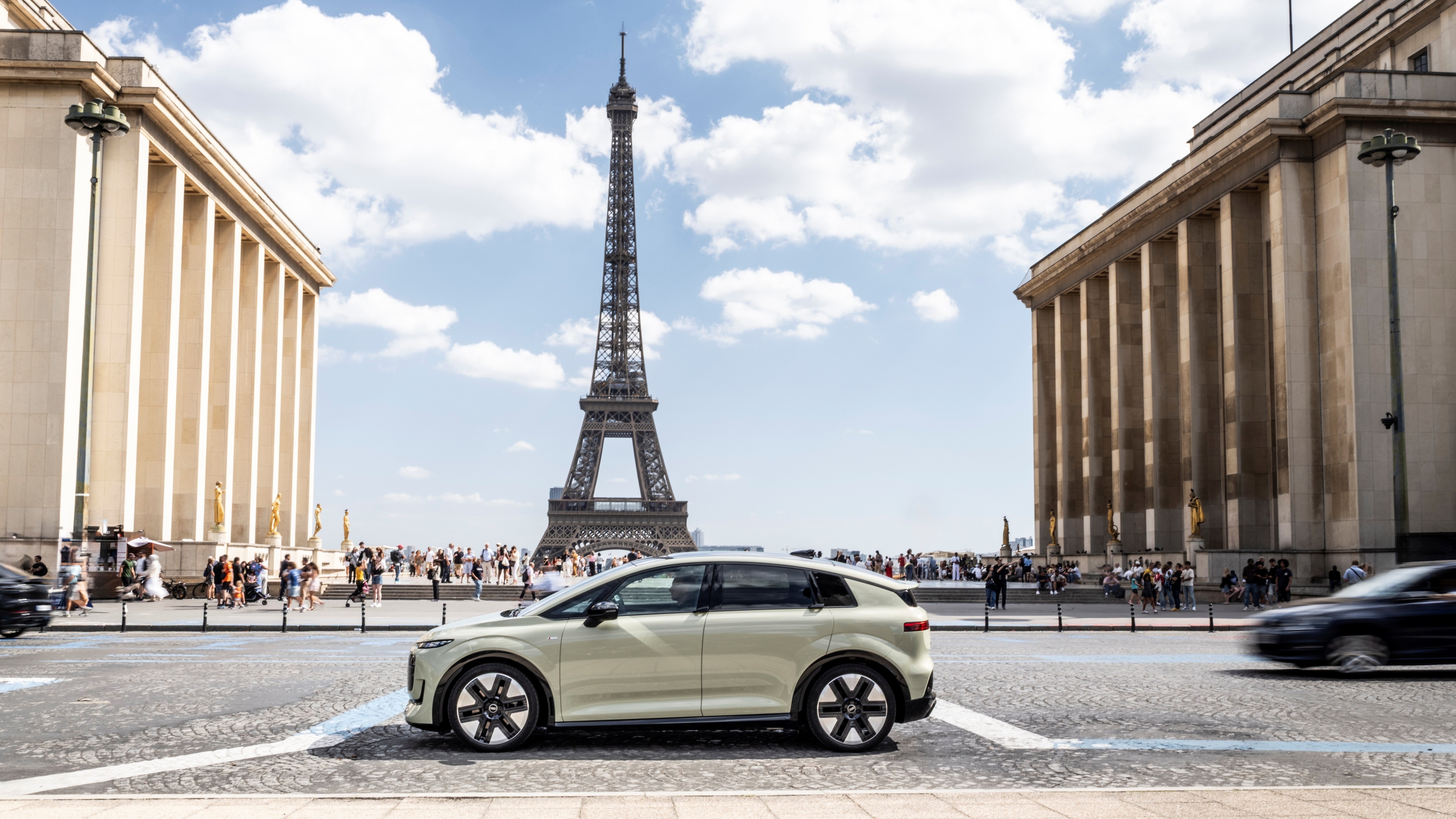
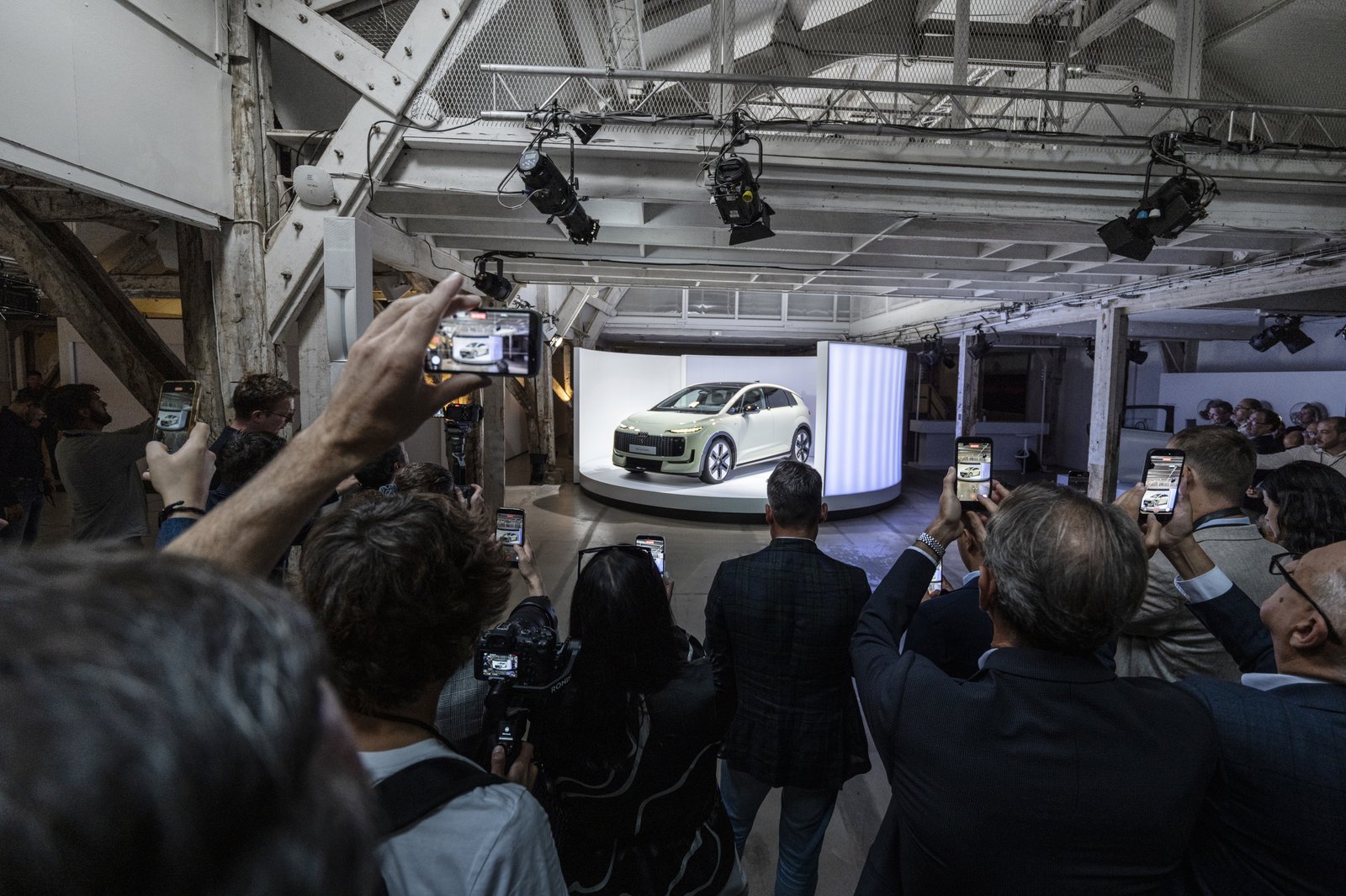
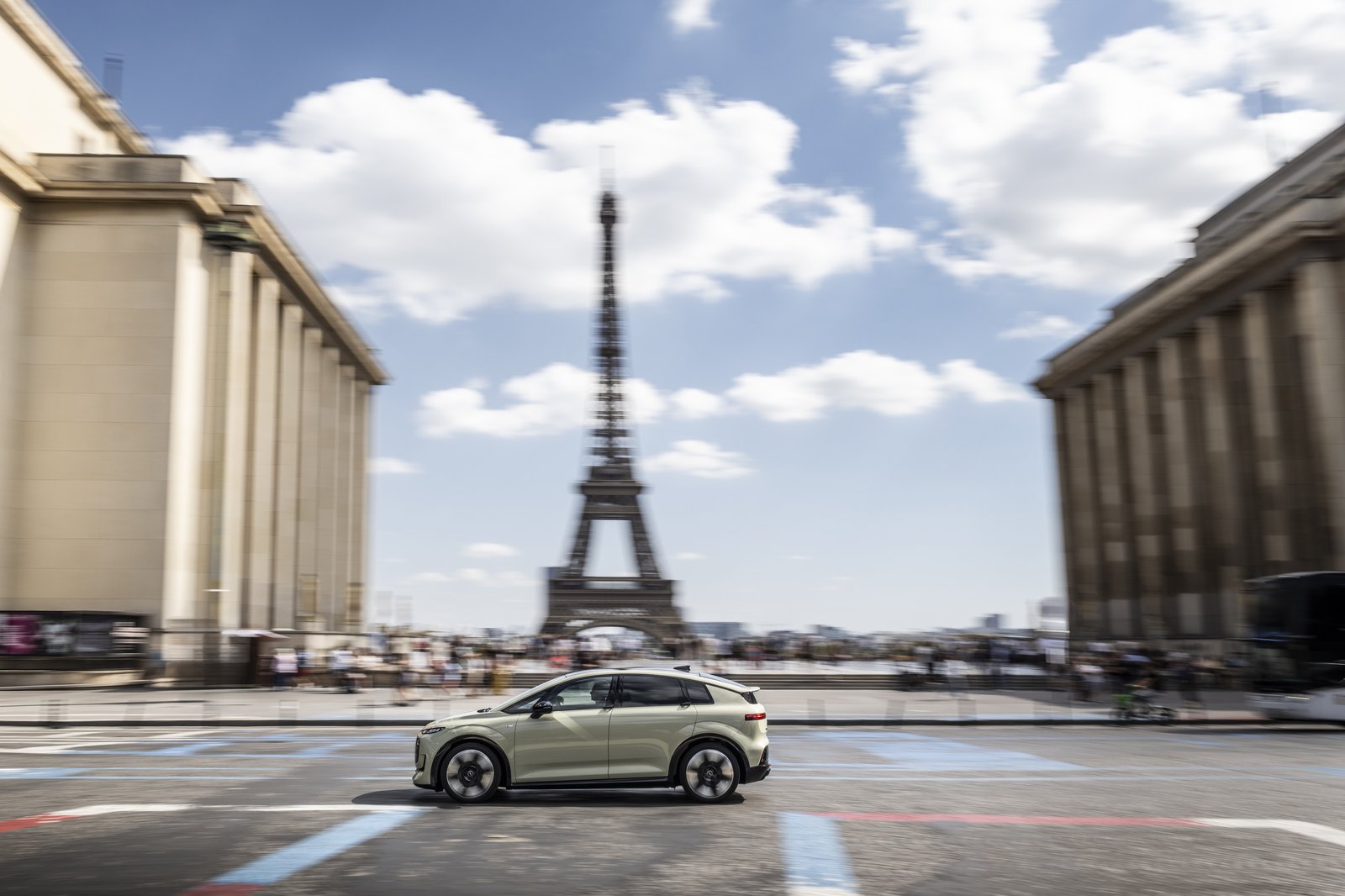
Audi has built its most efficient EV ever, priced it below anything the brand sells in America — and aimed it squarely at Europe. The A2 e-tron, revealed in Paris on September 7, revives a badge dead for two decades, consumes just 12.8 kWh per 100 kilometers on the WLTP cycle, and starts at €38,200, roughly $44,400 at current exchange rates. Audi hasn't said a word about US availability.
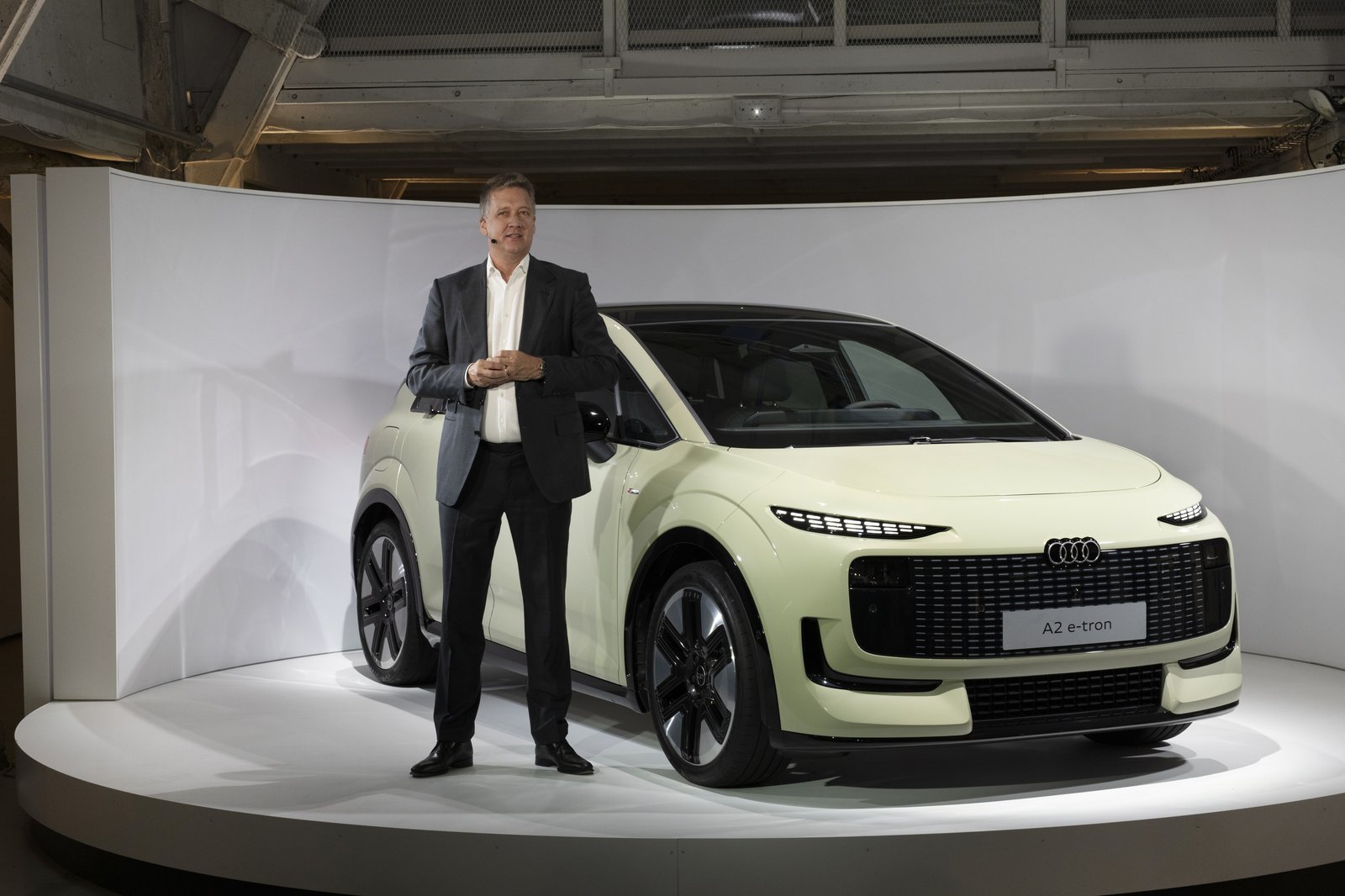
CEO Gernot Döllner presented the compact hatchback as the new entry point to Audi's electric lineup, developed in Germany and built at the company's home plant in Ingolstadt. European order books open September 10, with first deliveries in December.
Every version is rear-wheel drive, powered by permanent-magnet synchronous motors running through silicon carbide power electronics. Four outputs are on offer, from 168 hp (125 kW) and 258 lb-ft (350 Nm) in the base car to 322 hp (240 kW) and 402 lb-ft (545 Nm) in the flagship, which needs 5.7 seconds for the 0–62 mph (0–100 km/h) run.
Three batteries span the range. The 52- and 61-kWh packs use lithium iron phosphate cells bonded straight into the housing in a cell-to-pack layout, while an 84-kWh nickel manganese cobalt unit is reserved for the two most powerful variants. The headline number — up to 401 miles (646 km) of range — belongs to the 228-hp (170 kW) car with the big battery. That's a WLTP figure, and an EPA rating, if the car ever received one, would land noticeably lower.
DC fast charging peaks at 183 kW with the NMC pack, enough for a 10–80 percent session in 29 minutes; the smallest battery takes 24 minutes at up to 100 kW. There's bidirectional charging, too: Vehicle-to-Load powers external devices from a trunk outlet or the charge port, while Vehicle-to-Home can feed a house through a compatible DC wallbox — a function limited to Germany, Austria, and Switzerland at launch.
A 0.24 drag coefficient — the best of any compact Audi, according to the company's technical rundown — does much of the efficiency work, backed by a mostly enclosed underbody, active cooling flaps, aero wheels, and flush electric door handles. German pricing climbs from €38,200 for the 52-kWh base model to €51,200 for the flagship.
What Americans are missing
The cheapest way into an electric Audi in the US is the 2026 Q4 e-tron, which starts at $50,600 and tops out at an EPA-rated 288 miles. The A2 e-tron undercuts it by more than $6,000 at current exchange rates — and European sticker prices include VAT, which US MSRPs don't, so the real gap is wider. The two cars' range figures aren't directly comparable across test cycles, but the A2's consumption per mile is in a different league from anything wearing four rings in an American showroom.
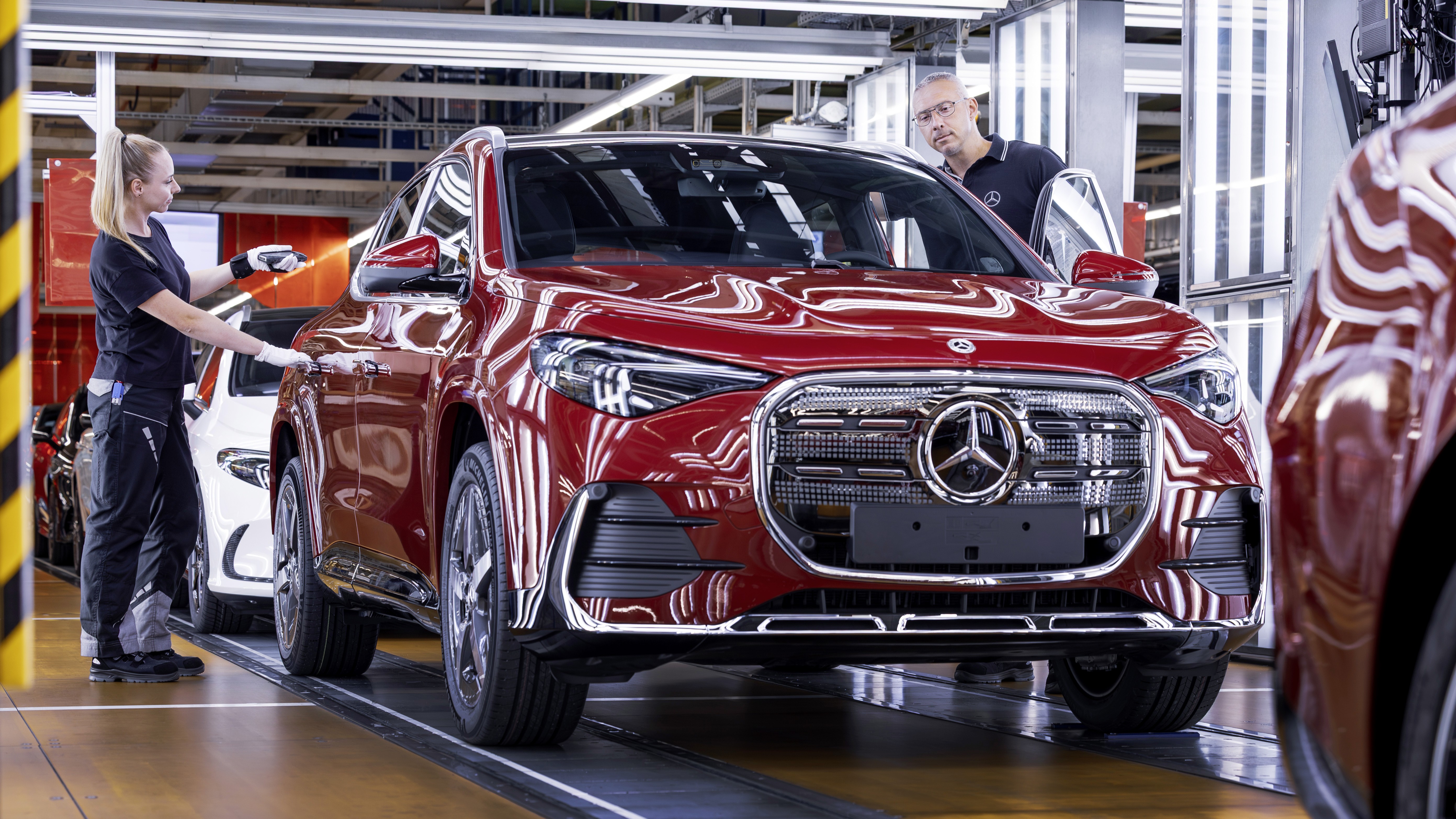
The frustrating part for US shoppers is that this efficiency race is arriving stateside anyway — just without Audi's entry. Mercedes is bringing its new electric CLA, rated as low as 12.7 kWh per 100 km in European testing, to US dealers. Audi, meanwhile, is keeping its efficiency champion at home.
"We developed the A2 e-tron with a clear focus on Europe," Döllner said at the unveiling.
The decision tracks with the moment. The premiere came days after parent Volkswagen Group approved Future Plan 2030, a restructuring that adds roughly 50,000 job cuts and trims the group's model portfolio by about half by 2035 — hardly the climate for speculative export programs. The A2 e-tron itself is a product of that cost discipline: Audi says it reached the road 21 months faster than comparable predecessors and reuses more than 1,200 existing manufacturing assets in Ingolstadt, including some 250 robots from other model lines.
The original A2, a quirky 2000s city car whose hood was effectively sealed shut in favor of a small service panel, never made it to America either. For now, history repeats: US buyers keep the $50,600-and-up e-tron lineup, and the most efficient Audi ever built stays an ocean away.