Factory 35s, $18,995 Kits and HRC Wheels: Automakers Are Eating the Aftermarket's Lunch
Ford, Jeep, Dodge, and Honda now sell lifts, 35s, and forged wheels through dealers, often with a warranty and a loan attached. Here's who gains, and what it costs you.
When the SEMA Show opens in Las Vegas on Tuesday, some of the most consequential products on the floor won't come from the shops that built the aftermarket. They'll come from the companies that build the cars. Ford, Stellantis, Honda's racing arm, and Mitsubishi have spent the past two weeks announcing parts and packages a buyer can get from the dealer, sometimes on the same paperwork as the vehicle itself.
Our SEMA 2026 preview covers the schedule and the debuts. This is about the money. SEMA's own research puts U.S. accessory and performance parts sales at $52.92 billion in 2025, with about one in four vehicle owners buying something to personalize a car. Pickups alone made up 30% of that, more than $15 billion. SEMA's public summary doesn't say how much of it now runs through automaker programs, and that blank is part of the story.
What the automakers are selling
The table covers products that are on sale or have a stated sales plan. Show cars are left out.
| Automaker | Program | What it adds | Warranty | Price |
|---|---|---|---|---|
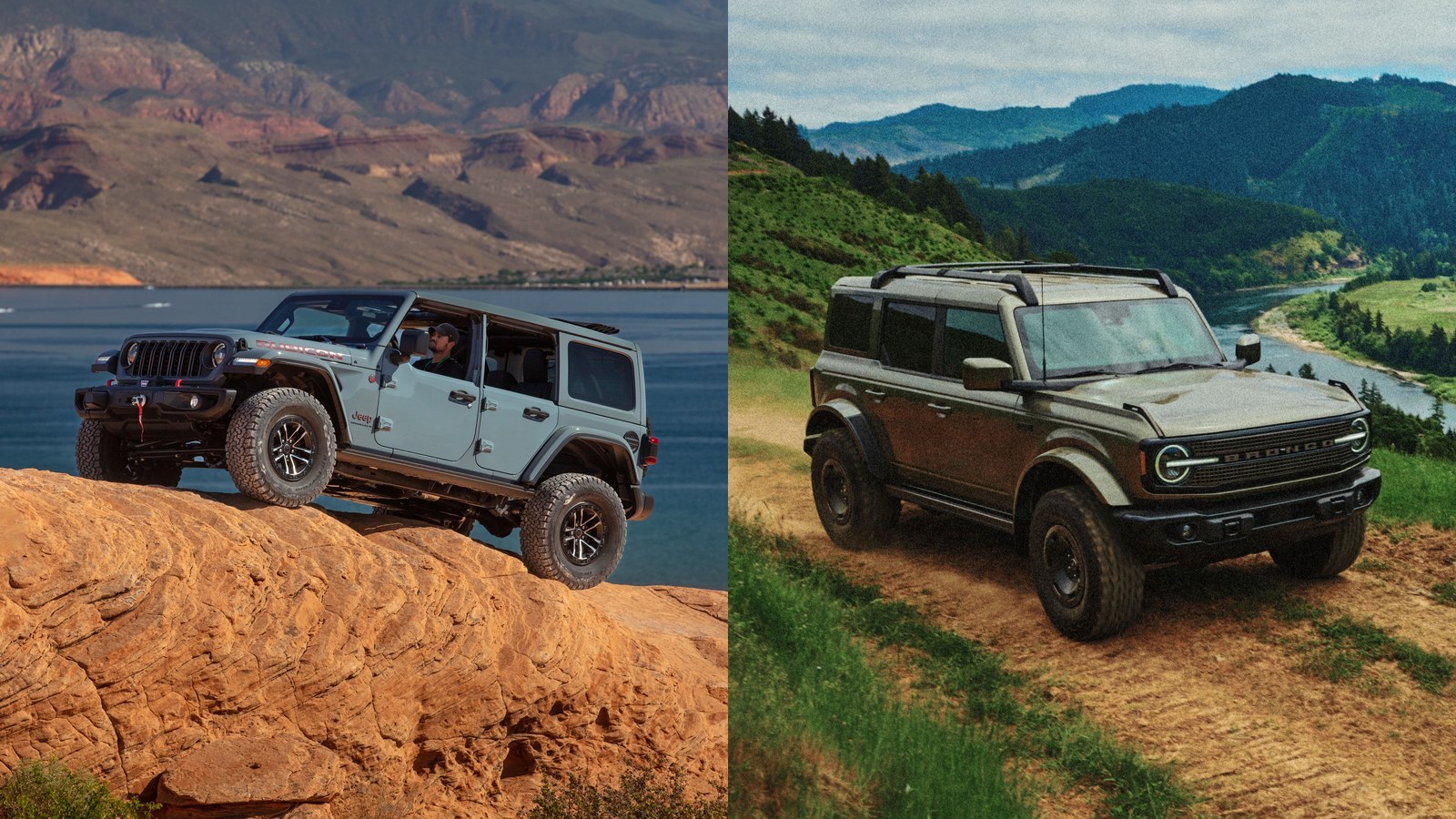
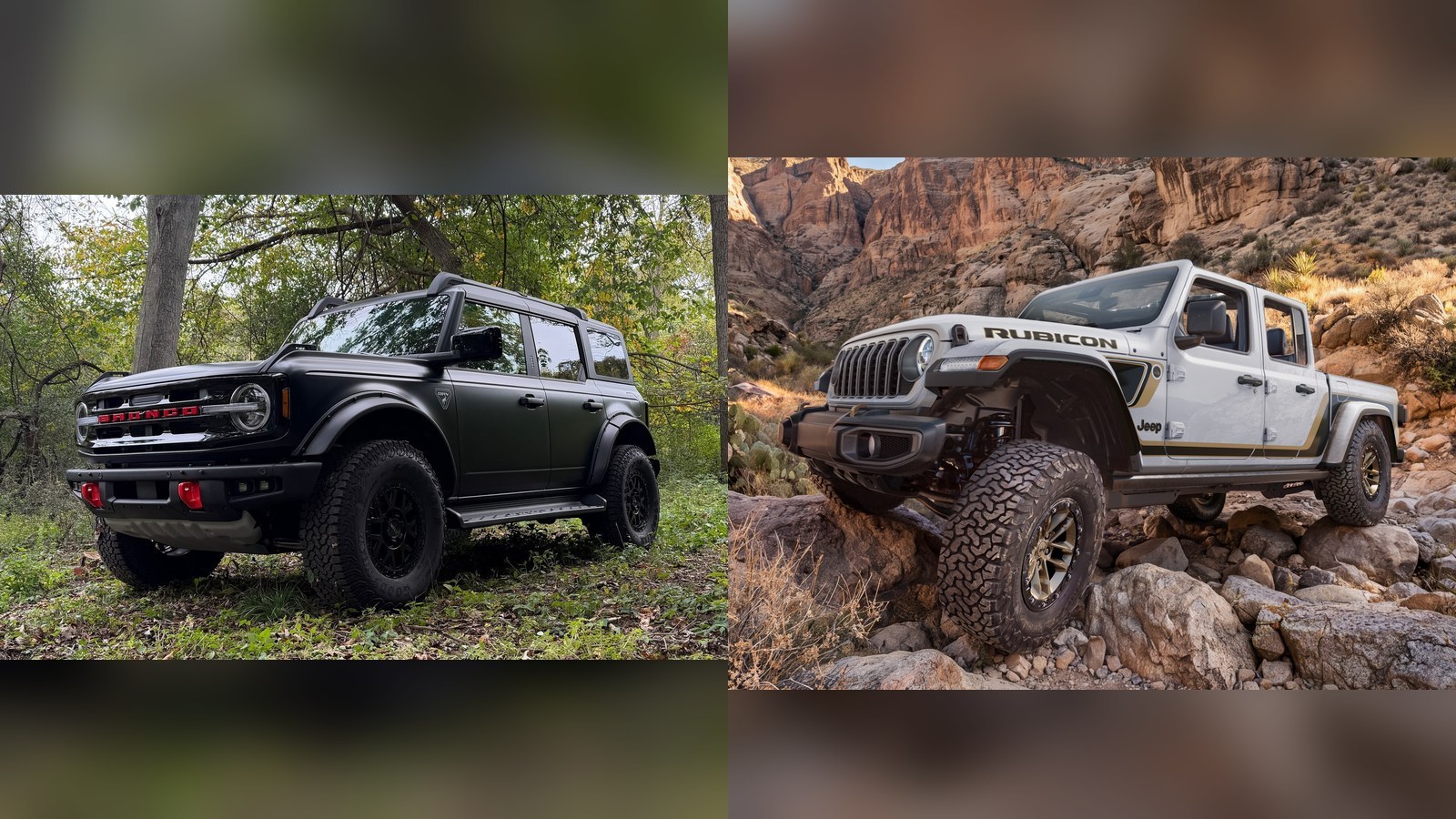
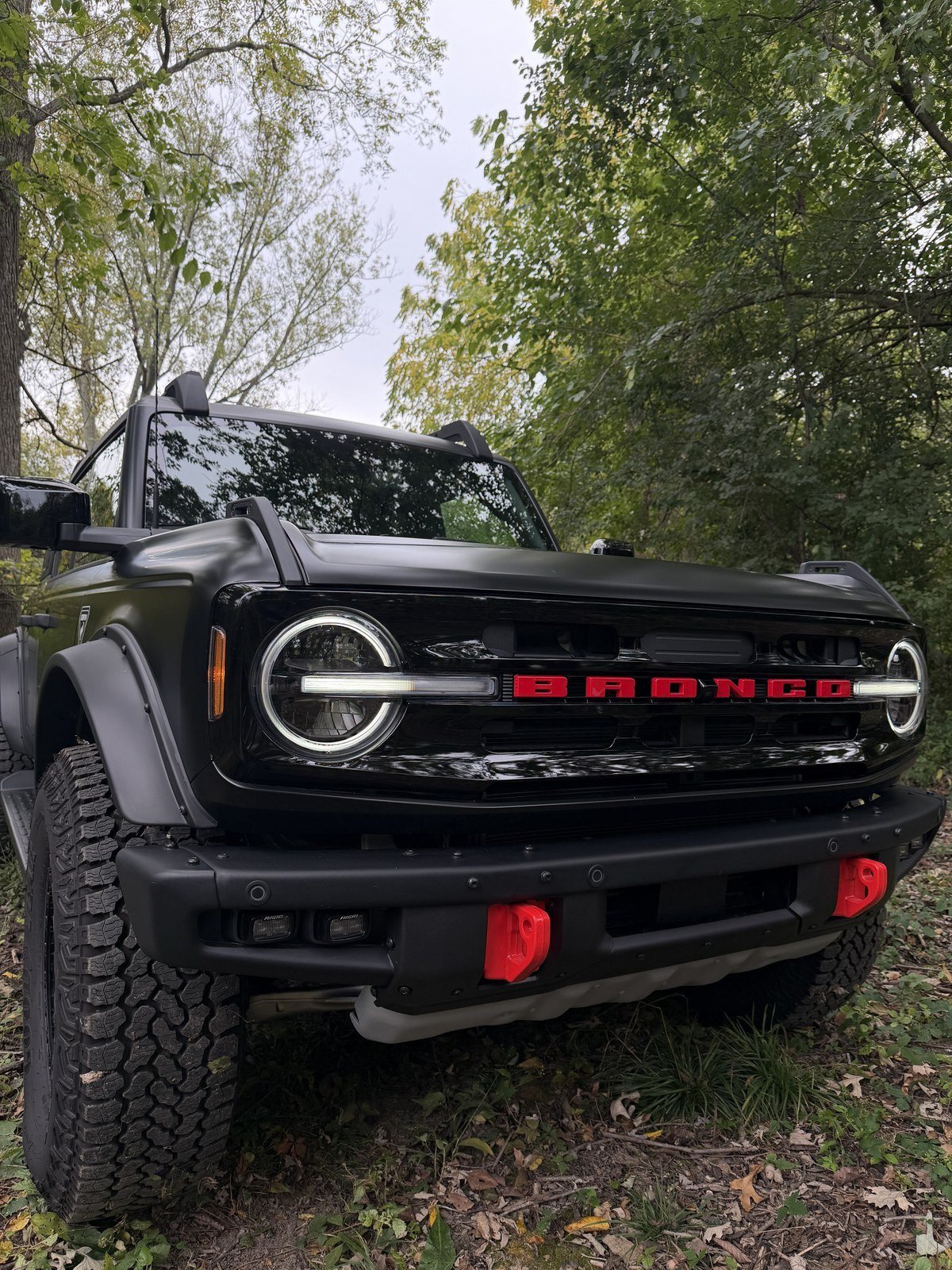
| Ford | Custom Garage Bronco ORV Package (2025–26 four-door Base, Big Bend, Outer Banks) | FOX suspension, Bronco Raptor skid plates, RIGID lights, 17-inch WELD wheels; dealer-installed | Ford Racing, 3 years/36,000 miles; dealer or ASE install doesn't void new-vehicle warranty | $18,995 before tires and installation |
| Ford | Bronco Sasquatch Package (factory option) | 35-inch tires, Bilstein dampers, locking rear differential | Ordered with the vehicle | $8,460 on Base (Edmunds) |
| Jeep | 2027 Gladiator 35-inch Tire Launch Edition (Willys, Rubicon, Rubicon X) | 35-inch all-terrains, beadlock-capable 17-inch wheels, 1-inch lift, 4.56 gears; built in Toledo | Not detailed by Jeep | TBA |
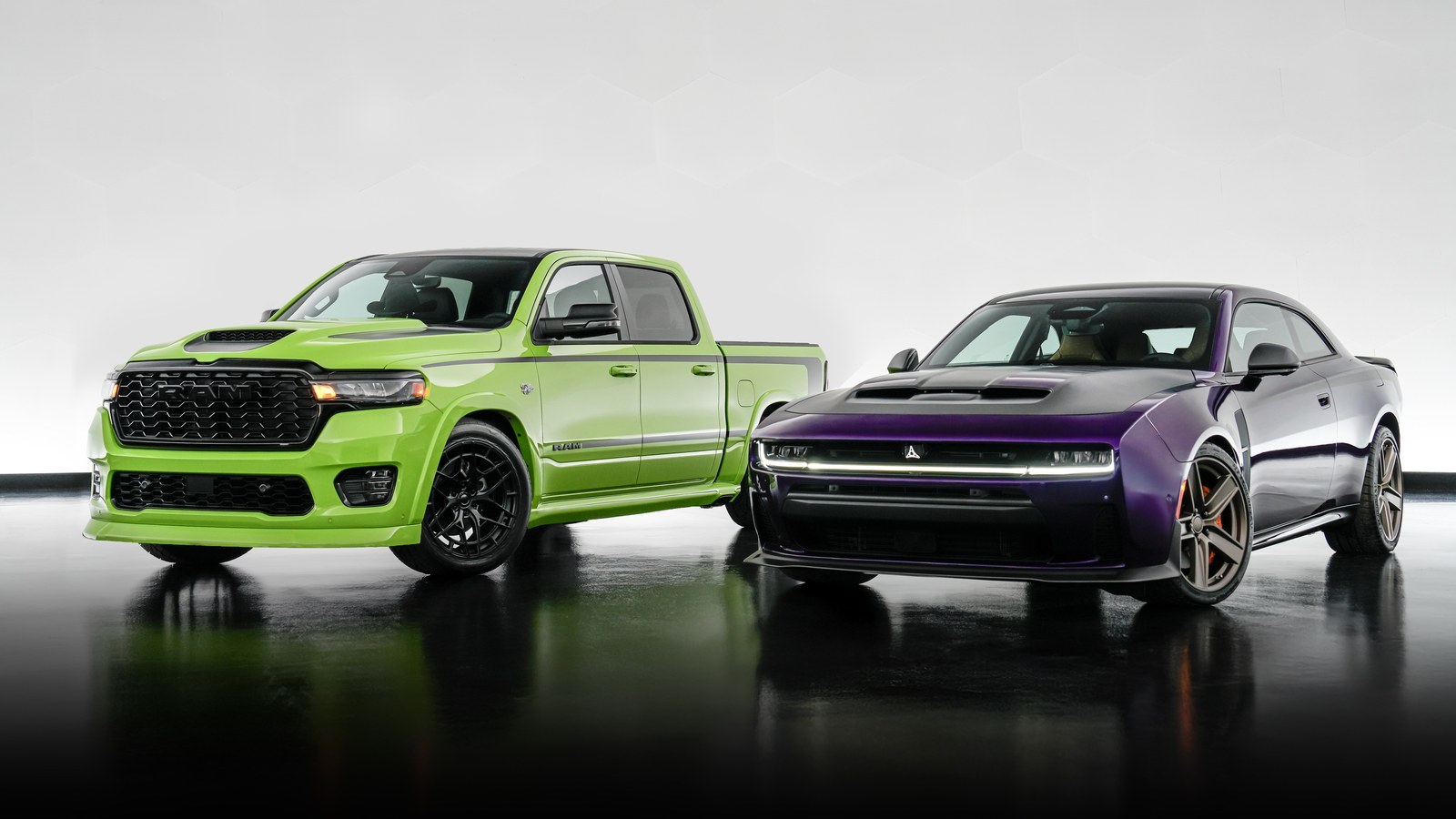
| Dodge (Mopar) | Mopar '27 Charger package, 270 cars | Direct Connection carbon-fiber splitter, scooped hood, cold-air intake, spoiler; factory-applied | Stellantis says Direct Connection parts carry warranty coverage; terms not given | $10,995 |
| Honda (HRC) | HRC Performance Parts, on sale March 2027 | Forged wheels for Civic Type R, Integra Type S, Passport, Pilot; Borla cat-back for Passport and Pilot | Not stated | TBA |
| Mitsubishi | 2028 Outlander Diamond Trail Edition | Rock drive mode, new bumpers, all-terrain tires | Not stated | TBA |
| Toyota | Associated Accessory Products | ARB, Go Rhino, Yakima, Rigid Industries parts sold and installed by Toyota dealers | Toyota refers buyers to each supplier | Varies by part |
Why the factory version wins the first sale
Ford's $18,995 Bronco ORV Package is the clearest case. Its main parts come from names the aftermarket built: FOX shocks, RIGID lights, WELD wheels. But the kit has a single Ford part number, a Ford dealer installs it, and Ford Racing covers the parts for three years or 36,000 miles from the vehicle's in-service date.
That warranty answer is the product, and it isn't cheap. By Edmunds' pricing, a 2026 Bronco Big Bend with the ORV parts lands at $62,285 before tires and labor. That's $11,400 more than a Badlands, which comes ready for the trail from the factory.
Jeep went a step further and moved the work onto the assembly line. The Gladiator 35-inch Tire Launch Edition leaves Toledo on 35-inch tires with a 1-inch lift and 4.56 gears. Jeep CEO Branden Coté said 35s have consistently ranked among the most popular Gladiator modifications. Read plainly, Jeep watched owners spend that money somewhere else and decided to keep it.
Stellantis added a sharper example on Oct. 27. The Mopar '27 Dodge Charger package costs $10,995, is limited to 270 cars, and has its Direct Connection carbon-fiber parts, including a cold-air intake, applied at the factory. The exhaust, springs, and 21-inch wheels that finish the look are sold separately through Dodge performance dealers.
The financing and warranty math
The factory route offers a buyer two things an independent shop can't easily match. The first is financing. Toyota says its Associated Accessory Products program lets customers finance the parts with their vehicle purchase.
That convenience has a price. Roll $18,995 of parts into a 60-month loan at 7%, our assumption for illustration, and the payment rises by about $376 a month. Over the term, interest adds about $3,570 to the parts bill. A buyer who pays cash at an independent shop skips that, though not the labor.
The second is warranty peace of mind, and here the law is less on the automakers' side than the marketing suggests. Under the Magnuson-Moss Warranty Act, the FTC says a manufacturer can't deny coverage simply because aftermarket parts were used. It has to show that the part caused the repair it refuses to pay for.
In my view, what a factory kit really buys isn't legal protection. It's the absence of an argument at the service desk. And even that isn't universal. Toyota's own announcement points buyers to each supplier for warranty details, and Honda hasn't said how its HRC Performance Parts affect the factory warranty, even though the same dealers will sell the parts and process the claims.
Three conclusions
Who benefits. My bet is that the dealer gains the most. It books the parts sale, the installation labor, and the service relationship, all at the moment the customer is already signing. The automaker gets a branded accessory line and a buyer who never visits a rival shop. The buyer gets one payment and one point of contact, but as the Bronco numbers show, often pays more for the same hardware.
What the independent aftermarket loses. Not the parts business, at least not yet. FOX, RIGID, WELD, Borla, ARB, and Italy's 2elle-engineering, which makes HRC's forged wheels, all show up inside these programs, so suppliers still get paid. What's at risk is the independent installer's first sale: the lift, the tires, the lights a new owner used to buy within months of delivery. The strongest counterargument is that automakers still need the aftermarket for everything they don't build. In September, Ford opened five 2026 models to suppliers at a SEMA Garage measuring session, so they could develop products that fit. And SEMA's market barely moved, from $52.3 billion in 2023 to $52.92 billion in 2025, which shows no obvious collapse from factory competition.
What to watch at SEMA. Price tags and part numbers, not paint. Toyota's first reveal for the show is a family of five trucks on snow tracks, and it calls them concepts. They're worth a look but won't be at a dealership. The real tests are the prices still missing from the table and whether Ford's ORV kit follows the Bronco into 2027. Mitsubishi's Outlander Diamond Trail Edition debuts Tuesday without a price or on-sale date, and it will tell us whether trail packages move beyond trucks and into the family crossover.
What we don't know yet
- How much of the $52.92 billion market already flows through automaker accessory programs. SEMA's public summaries don't break it out.
- What the Gladiator 35-inch Tire Launch Edition adds to the sticker. Jeep hasn't published any 2027 Gladiator prices.
- HRC's parts prices, which Honda hasn't announced.
- The Diamond Trail Edition's price, on-sale date, and powertrain.
- Whether the ORV Package will be offered on the 2027 Bronco.
We'll cover each SEMA debut separately once the doors open on Tuesday, with prices where the automakers give them.