BMW Will Blur Faces and Ask Permission — If You Live in Europe
BMW's new iX3 starts sending crash-moment camera clips to Munich this month, with consent, a stripped VIN, and blurred faces. The same car reaches U.S. dealers on September 25 with a privacy policy instead.
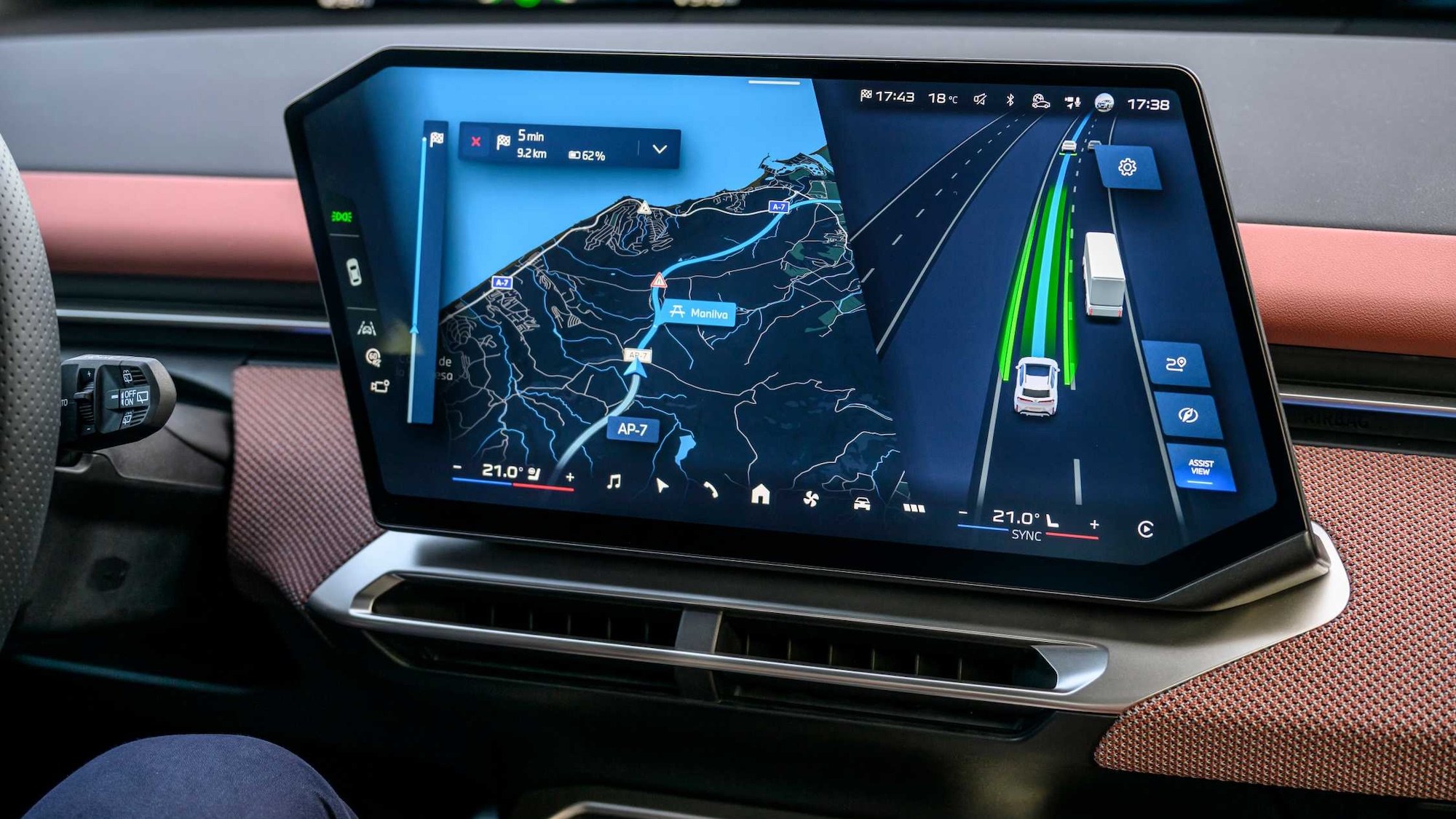
From mid-September, a new BMW iX3 in Europe can send up to 120 seconds of exterior-camera video back to Munich whenever its emergency braking kicks in or the driver swerves hard. BMW asks the owner first, deletes the car's VIN as soon as the clip lands, and blurs faces and license plates before any engineer is allowed to look. On September 25, the same iX3 reaches U.S. dealers. The program doesn't come with it, and neither does the rulebook that shaped it.
BMW Group announced the expansion on Monday: event-based collection of image and sensor data from customer cars in EU member states, used to train driver-assistance and partially automated driving functions. The capability has been live since April 2026, starting in Germany; what changes now is that the video starts flowing.
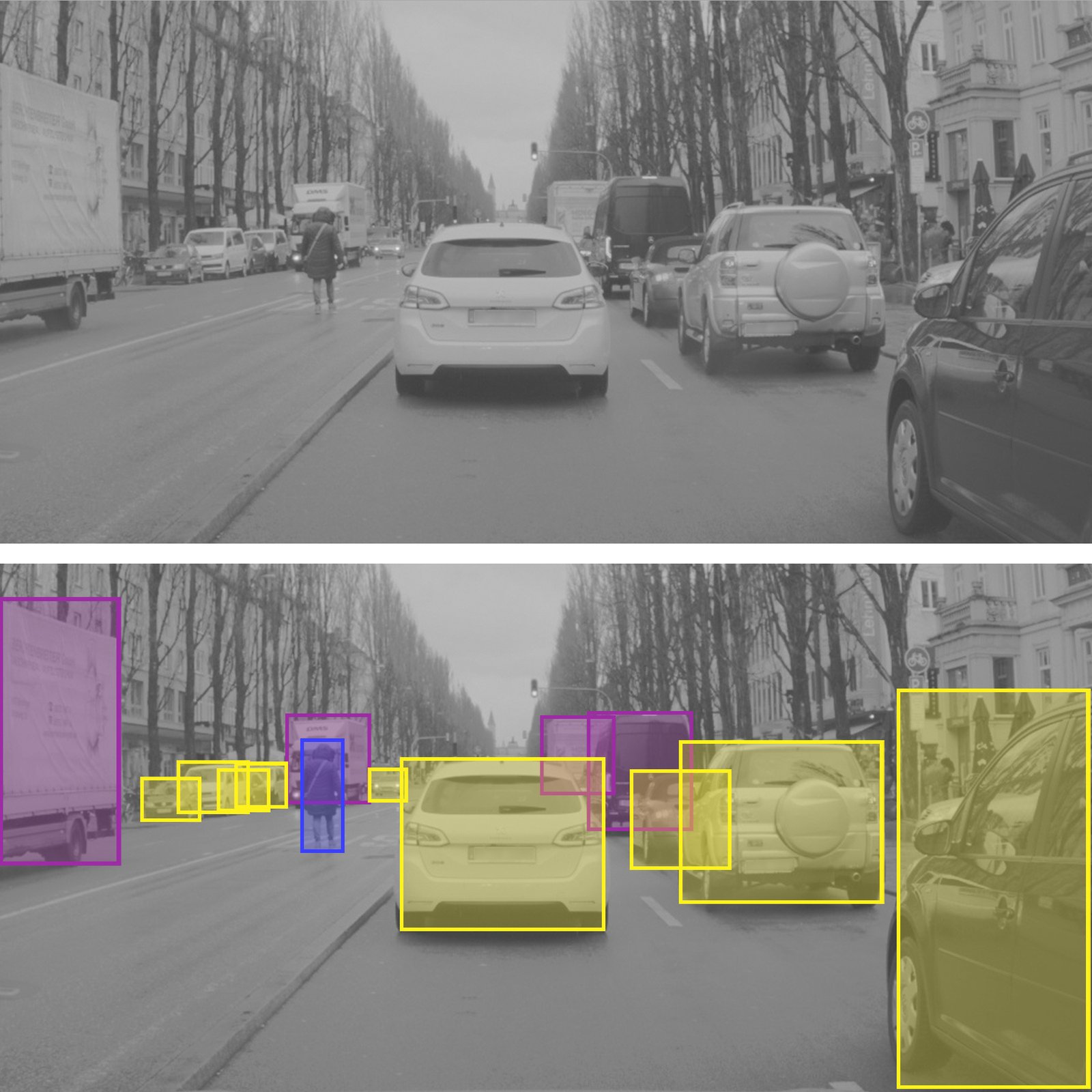
The cars don't record continuously. A clip is saved only when a defined trigger fires: the emergency brake assistant warns or intervenes, the driver brakes hard or swerves, a lane-change system prevents a collision, or the car detects an obstacle. Along with video, BMW captures radar and ultrasonic readings, speed, steering angle, weather, a timestamp, and GPS position. It covers the new iX3, i3, X5, and 7 Series, with future models to follow.
Consent is opt-in, through the Privacy menu in the car or the My BMW app. After transmission, BMW deletes the VIN so footage can no longer be tied to a specific car. One thing does change with this release: from September, video reaches BMW's back end unblurred. Until now, faces and plates were masked in the car before upload. BMW says pedestrians' gaze direction and head movement matter for machine learning, so raw footage is now analyzed by software in a sealed environment it calls a "Blackbox," and blurring happens only before a developer gets manual access. Blurred footage is shared with Qualcomm, BMW's automated-driving partner, and may go to other suppliers and, in individual cases, other automakers. Clips stay as long as development needs them; owners can object at any time, though BMW concedes that once the VIN is gone, deletion requests may be honored only to a limited extent.
The U.S. gets the same cameras and a different document
BMW hasn't said whether the program will come to the United States, or when. What governs an American iX3's cameras is BMW of North America's privacy policy, last updated January 22, 2026. It lists, among collectible data, vehicle images "including 3-D images around your vehicle," position and movement data, and destination addresses. It states that BMW NA does not sell personal information, then adds that behavioral advertising may count as a sale under some state laws. Visual data from in-vehicle features is retained for "generally 1 year," shared with service providers, and neither sold nor used for advertising.
What the policy doesn't do is spell out an opt-in for camera video, a way to withdraw consent, or a deletion schedule for the clips. Vehicle-data rights run through the CarData section of the My BMW Garage dashboard, and which rights you have depends on your state; the policy itself lists different disclosure rights for Minnesota, Oregon, Delaware, and Maryland residents. In Europe, an iX3 owner in Munich and a pedestrian in Lisbon fall under one regulation. In the U.S., there is no federal privacy law for connected cars, and BMW NA's document says as much: rights apply "depending on the applicable state consumer privacy laws."
Why the U.S. rules get written after the fact
Without a GDPR equivalent, the terms for what an American car may send home have been set case by case, by state attorneys general and the FTC. Texas opened an investigation into automakers' collection and sale of driving data in June 2024 and two months later sued General Motors, alleging that GM pulled detailed driving data from most 2015-and-newer vehicles, covering more than 1.5 million Texans, after steering owners into OnStar Smart Driver at delivery, and sold it to companies that built "driving scores" for insurers. "Millions of American drivers wanted to buy a car, not a comprehensive surveillance system," Attorney General Ken Paxton said. Those are allegations in a lawsuit, not court findings, and they concern GM, not BMW.
The federal side moved this January, when the FTC finalized an order settling similar allegations against GM and OnStar. It bans GM from disclosing geolocation and driving-behavior data to consumer reporting agencies for five years and requires explicit consent before the company collects, uses, or shares connected-vehicle data. The FTC called it its first action on connected-vehicle data; there was no fine.
That is the contrast in one sentence: in Europe, the consent screen and the blur exist because the law required them before the first clip was sent; in the U.S., the closest equivalent exists because a regulator ordered it afterward, and it binds one company.
BMW hasn't said how many cars are enrolled, whether the video ever leaves driver-assistance development, or whether U.S. or U.K. customers will get a version. The car itself is fixed: the global iX3 arrives in the U.S. on September 25 at $62,850 including destination, with an EPA range of up to 434 miles, as detailed in our comparison of the U.S. iX3 with China's long-wheelbase 50L. For the Tesla side of the same question, see our hub on what replaced Autopilot.