Tesla Autopilot Is Gone: What New and Used Buyers Actually Get in 2026
Tesla no longer sells Autopilot. New cars get cruise control and a $99-a-month decision; used cars need a software-menu check before you sign anything.
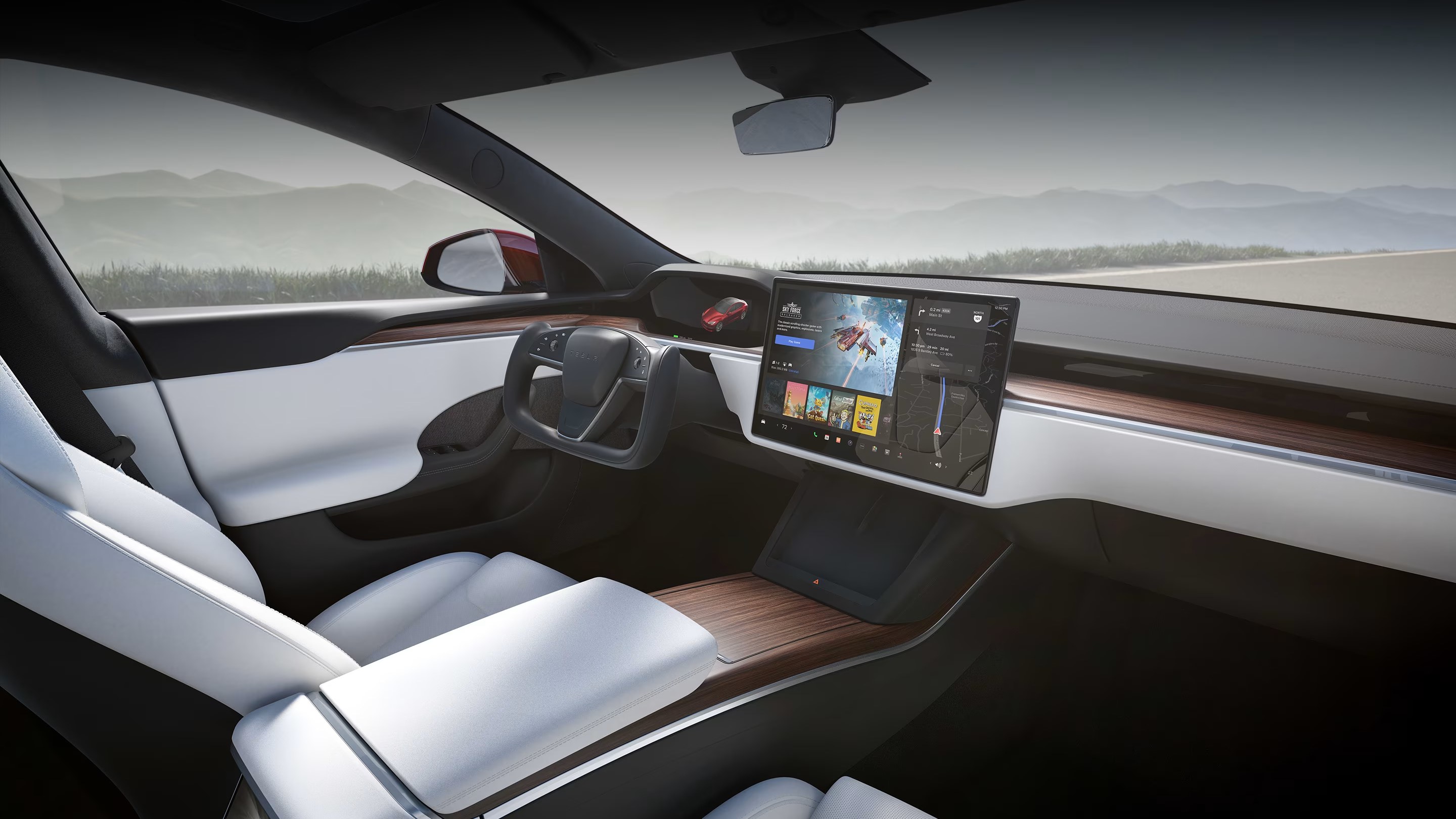
Tesla built its brand on Autopilot. In 2026, the name is gone — from the order page, from the touchscreen menus, and from the standard equipment list. On January 23, Tesla stopped including Basic Autopilot on new orders in North America. A new Model 3 or Model Y now ships with Traffic-Aware Cruise Control and nothing else.
Lane centering, the feature that defined Autopilot for nearly seven years as standard equipment, moved behind the Full Self-Driving (Supervised) subscription. The change split Tesla drivers into three groups — new buyers, existing owners, and used-car shoppers — and each one now gets a different answer to the same question: what does this car actually do?
What a new Tesla comes with in 2026
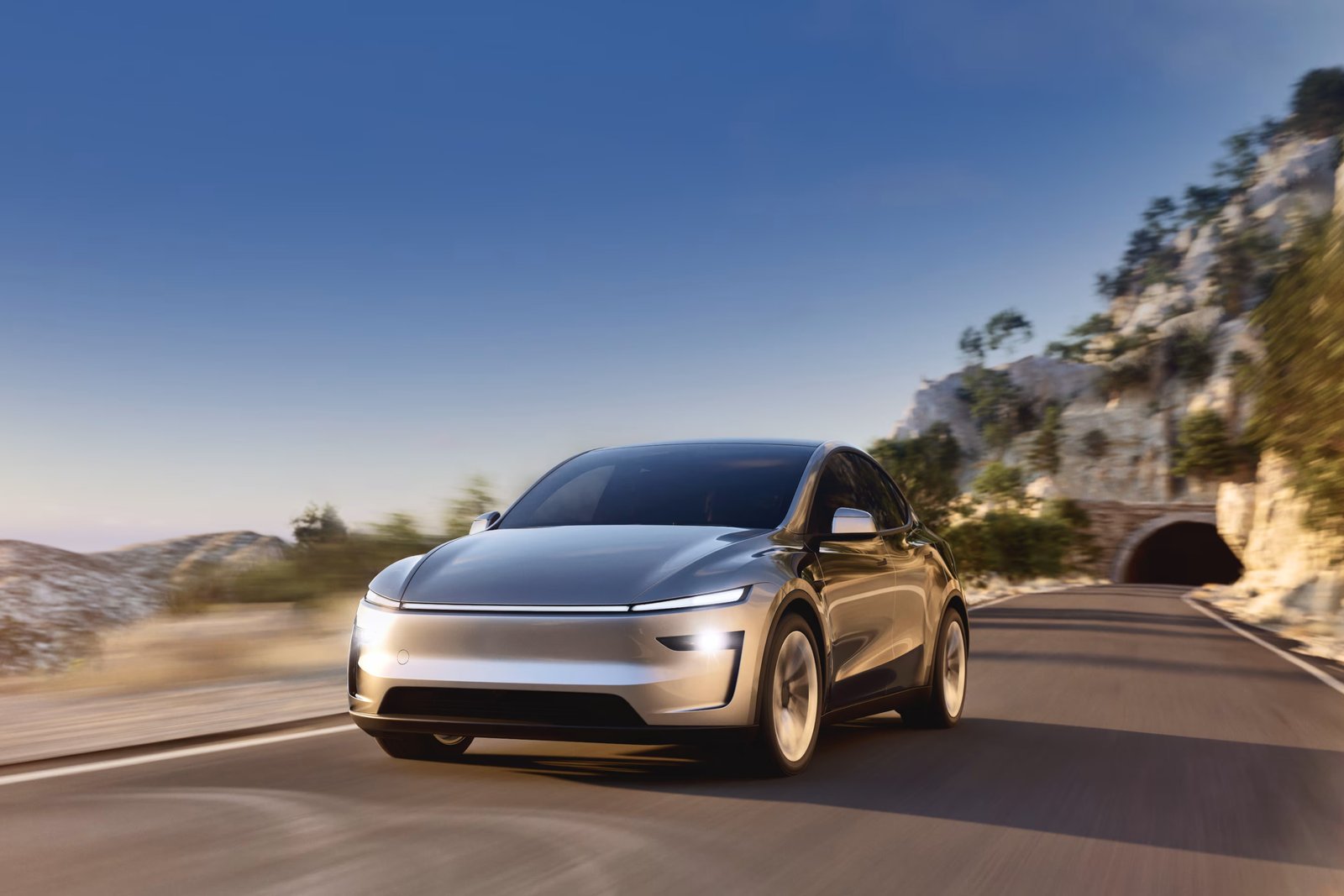
Order a new Tesla in the US today and the included driver-assistance list is short: the standard active safety suite (automatic emergency braking, lane departure avoidance, blind spot monitoring) plus Traffic-Aware Cruise Control, which holds a set speed and keeps distance from the car ahead. Out of the box, the car will not steer itself. The one exception Tesla has announced is Automatic Collision Evasion, added in FSD v14.3.9 for Hardware 4 cars: the vehicle can activate FSD (Supervised) on its own if a frontal crash is imminent or the driver appears distracted. Because the feature works by activating FSD, it may require the $99 subscription — Tesla hasn't confirmed that either way.
Autosteer — the lane-centering half of the old Basic Autopilot bundle — now requires Full Self-Driving (Supervised). Tesla sells FSD only as a subscription: $99 per month in the US, cancelable at any time. The one-time purchase, most recently $8,000, ended on February 14, 2026, and Elon Musk has said the monthly price will rise as the software improves.
The result is an awkward comparison for Tesla: lane centering ships standard on a Toyota Corolla or Honda Civic, while on a Tesla it now costs $1,188 a year. What that subscription buys keeps shifting, too — features Tesla has promised for years arrive on their own schedule, as our timeline of the seven-year-old pothole-avoidance promise shows.
What existing owners keep
Nothing has been removed from cars already on the road. If your Tesla was delivered with Basic Autopilot, Autosteer is still there and still free. The January change applies to new orders only.
Owners who bought the old Enhanced Autopilot package get a discount on the upgrade: according to Not a Tesla App, Tesla offers them the FSD subscription at $49 per month, half the standard rate.
Owners who purchased FSD outright keep it for the life of the vehicle — but only that vehicle. The FSD transfer program ended on March 31, 2026, so there is no longer any way to move a paid license to a new Tesla. Combined with the end of outright sales in February, that means the number of permanent FSD licenses in existence is now fixed, and every one of them is locked to a specific car.
Buying used: check the software menu, not the listing
Because the names changed and packages no longer follow the owner, a used listing that says "Autopilot" tells you almost nothing. Check in the car itself: tap Controls, then Software, and look for "Full Self-Driving Capability" in the included packages list. The menu formerly labeled Autopilot now appears as Self-Driving.
Tesla's own rules for used cars work like this: if the previous owner bought FSD outright and never transferred it, the software stays with the car and the next owner gets it. If the previous owner merely subscribed, nothing carries over — the new owner starts a fresh $99-a-month subscription on their own account. Some vehicles also carry FSD through Tesla's Luxe Package, depending on when it was purchased.
For shoppers, the practical takeaway: a used Tesla with a permanent FSD license is now a closed-club item. No new perpetual licenses have been created since February 14, and none can be moved. Verify it on the touchscreen before you pay for it.
Autopilot vs. FSD (Supervised): what each package includes
| Feature | New Tesla (standard, 2026) | Basic Autopilot (pre-2026 cars) | FSD (Supervised), $99/mo |
|---|---|---|---|
| Traffic-Aware Cruise Control | Yes | Yes | Yes |
| Autosteer (lane centering) | No | Yes | Yes |
| Navigate on Autosteer (highway interchanges, lane changes) | No | No | Yes |
| City-street driving, turns, intersections | No | No | Yes |
| Autopark | No | No | Yes |
| Summon (select vehicles) | No | No | Yes |
Why the Autopilot name disappeared
The retirement of the name was not voluntary. In December 2025, a judge ruled in a case brought by the California DMV that Tesla had engaged in deceptive marketing by overstating what Autopilot and FSD could do. The ruling carried a 30-day suspension of Tesla's manufacturing and dealer licenses in the state; the DMV stayed it for 60 days to give the company time to comply — including dropping the Autopilot name.
The renames arrived through software. Update 2026.2.9, labeled the "Autopilot Naming Update," turned Navigate on Autopilot into Navigate on Autosteer, rebranded the FSD Computer as the AI Computer, and relabeled the Autopilot settings menu as Self-Driving. The 2026.8.x branch carried the changes across the wider fleet in April. Tesla states the updates change only names and on-screen text, not how any feature behaves.
There is a business logic underneath the legal one. In October 2025, CFO Vaibhav Taneja said only 12% of Tesla customers had ever paid for FSD. Removing the free Autosteer tier and switching to subscription-only pricing is a direct push to raise that number. The legal front keeps moving in parallel: on September 2, Tesla settled another lawsuit over a fatal Autopilot crash into a fire truck, avoiding a jury trial, according to Electrek.
What Tesla reports after a crash is its own separate question. Every automaker running a Level 2 system files crash reports with NHTSA under a standing general order, but Tesla marks the narrative field — what the car was doing before impact — as confidential business information in nearly all of its filings, according to Electrek. Owners have a second route to the same answer: the car's own event data recorder, which Tesla releases through a request portal. Our guide to finding out what your Tesla recorded in a crash walks through both.
What we don't know yet
- The Benavides appeal. A Miami jury found Tesla 33% responsible for a fatal 2019 crash and awarded $243 million; the trial judge upheld the verdict in February. The case is now before the 11th Circuit, where the attorneys general of Florida, Alabama, and Georgia filed a July brief urging reversal. No decision yet.
- The NHTSA investigation. In March, the agency escalated its probe of FSD's performance in low-visibility conditions to an Engineering Analysis covering about 3.2 million vehicles — the final investigative step before it must either push for a recall or close the case. In July it sent Tesla a 24-part demand for documents. No findings have been published.
- The future price of FSD. Musk has said the $99 subscription will get more expensive, but Tesla has announced no date and no amount.
- Whether anything comes back. Tesla has given no indication that Autosteer, or any other feature, will return to standard equipment.
What's next
The 11th Circuit ruling and NHTSA's next move are the two events most likely to force changes to what Tesla sells and what it calls it. A subscription price hike could land at any time, on Musk's word alone.
Tesla's own answer to the whole controversy is to skip past supervised driving entirely: its Cybercab robotaxis began carrying riders in Austin this month, with no one behind the wheel. If you want to see where the company says this is all heading, here is how to ride a Tesla Cybercab in Austin.