BMW's December Update Lets Its Hands-Free System Stop for Red Lights in the U.S.
Software Update 11/2026.3 brings automatic stops and restarts at traffic lights to Operating System X cars. BMW hasn't given a U.S. date, model list, or price.
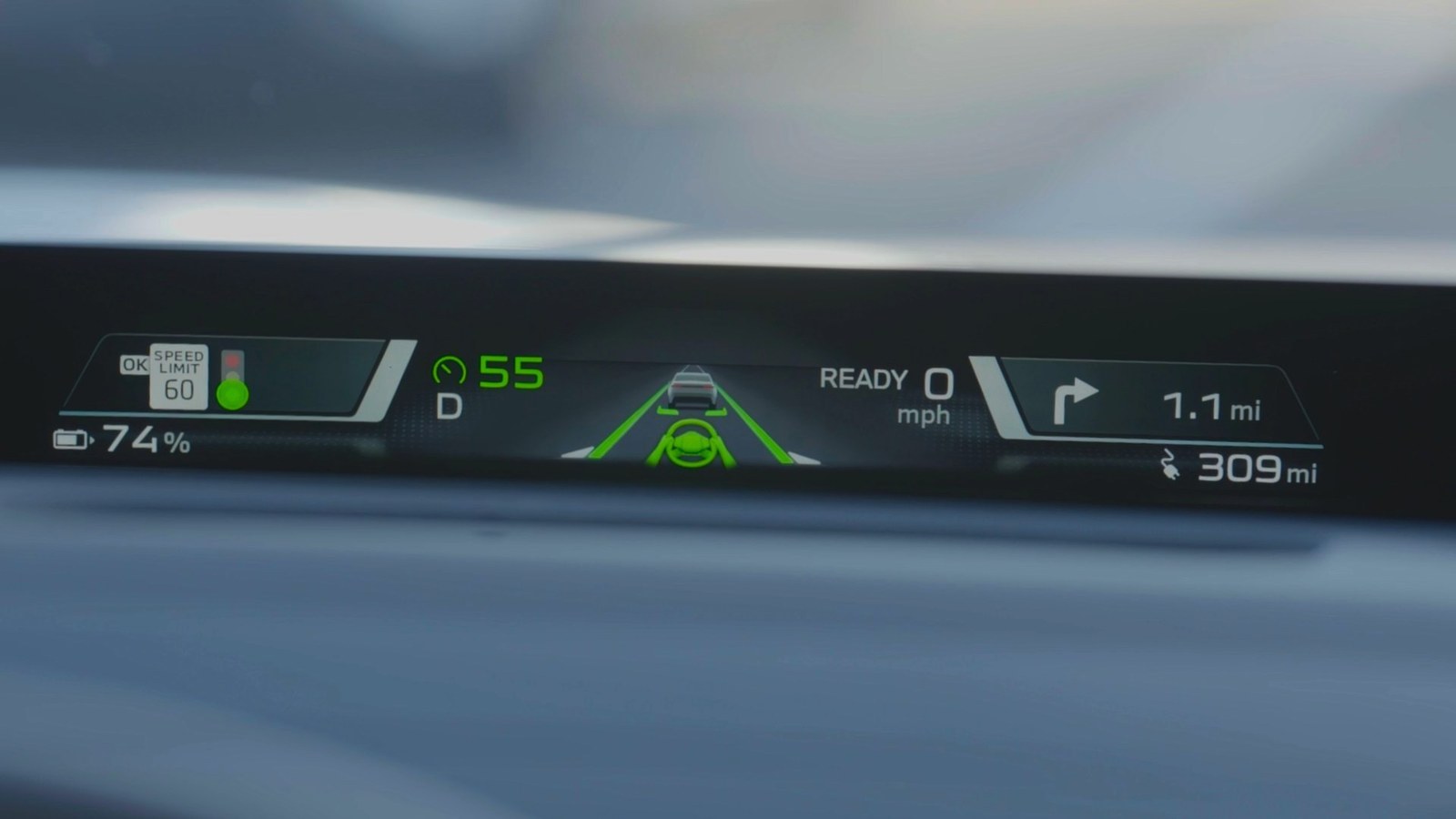
BMW's hands-free driving assistant is about to learn what a red light means. A software update that starts rolling out in December will let Highway & Commuting Assistant brake to a stop at red lights in the U.S. and pull away again on green, the company says.
That takes the system off the freeway for the first time in America. Until now it has been a highway tool: BMW USA describes attentive hands-free driving at up to 85 mph, which puts it among the systems in our guide to every hands-free driving system.
The feature is part of Software Update 11/2026.3, which BMW Group announced on November 25. When the car detects a red light, it can brake to a standstill on its own. When the light turns green, it either sets off again or asks the driver to continue. BMW doesn't explain what decides between the two.
Only cars running BMW Operating System X qualify. In U.S. showrooms that has meant the iX3 50 xDrive, where the assistant comes in the $2,500 Driving Assistance Professional Package, as we noted when BMW Maps gained its 3D driver-assistance view. The new 3 Series and the electric i3 are due in the first quarter of 2027, and the iX4, which we lined up against the Macan Electric, GLC, and Model Y, follows in March.
What BMW hasn't said
The announcement is a global one, and BMW of North America hasn't published its own version. That leaves no U.S. start date beyond "December," no list of eligible U.S. models, and no word on whether the function costs extra or requires a particular package.
BMW also doesn't say whether drivers may keep their hands off the wheel on city streets. Its standing caveat applies to every item in the update: availability depends on the market, the vehicle, and its equipment.
American owners are getting the first slice of a larger system. BMW's 2025 annual report describes navigation-guided "Address-2-Address" assistance for Germany, with assisted turns, roundabouts, and lane changes in town. For the U.S., the same report promises only assisted stopping and starting at traffic lights, at least initially.
How rivals handle traffic lights
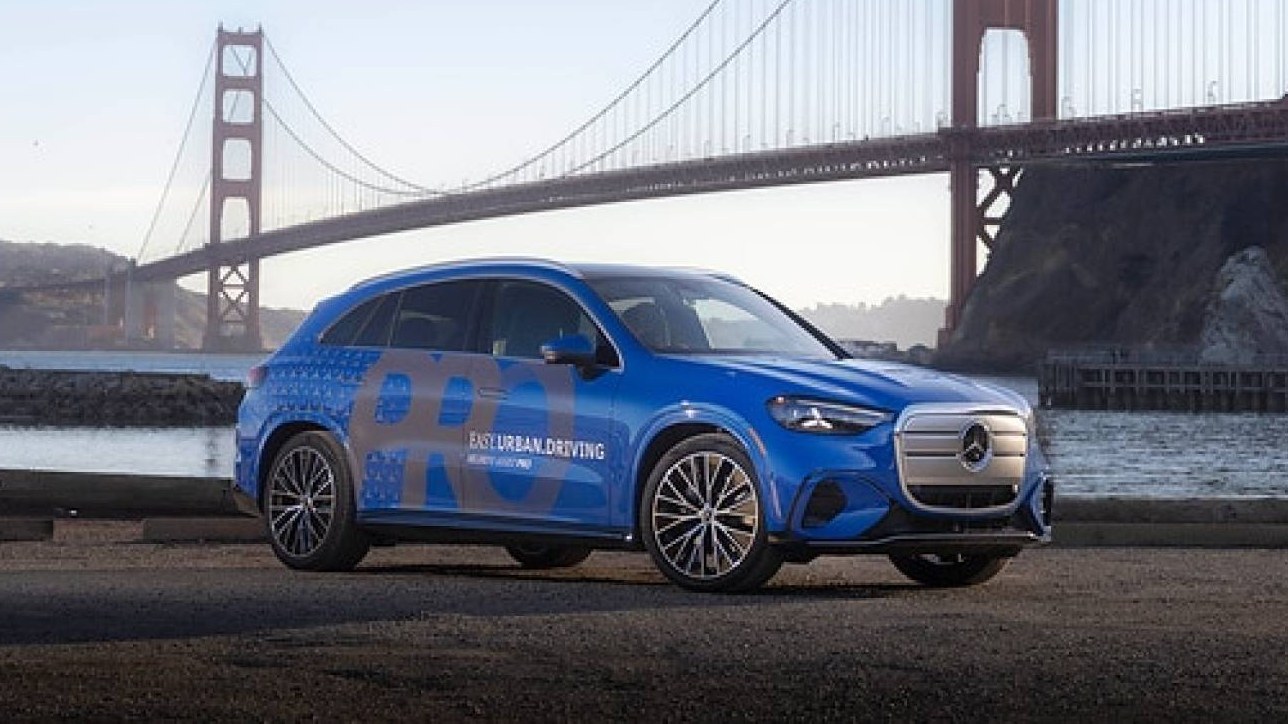
Mercedes-Benz is the closest comparison. Its MB.DRIVE ASSIST PRO also stops and pulls away at traffic lights, and it adds turns at intersections along a navigation route. But as we reported in our story on Mercedes' U.S. hands-free plans, it opens in December only to invited owners in California, with a commercial launch during 2027.
Others stop short. Rivian warns that its Universal Hands-Free won't stop or slow for traffic lights or stop signs, and Ford limits BlueCruise to controlled-access highways. Tesla's FSD (Supervised) handles city streets for $99 a month, but Tesla offers no sanctioned hands-off mode.
The rest of the update
The December package holds 24 functions, five of them new and 19 enhanced. Cars on the older Operating System 8.5 and 9 get nine of them.
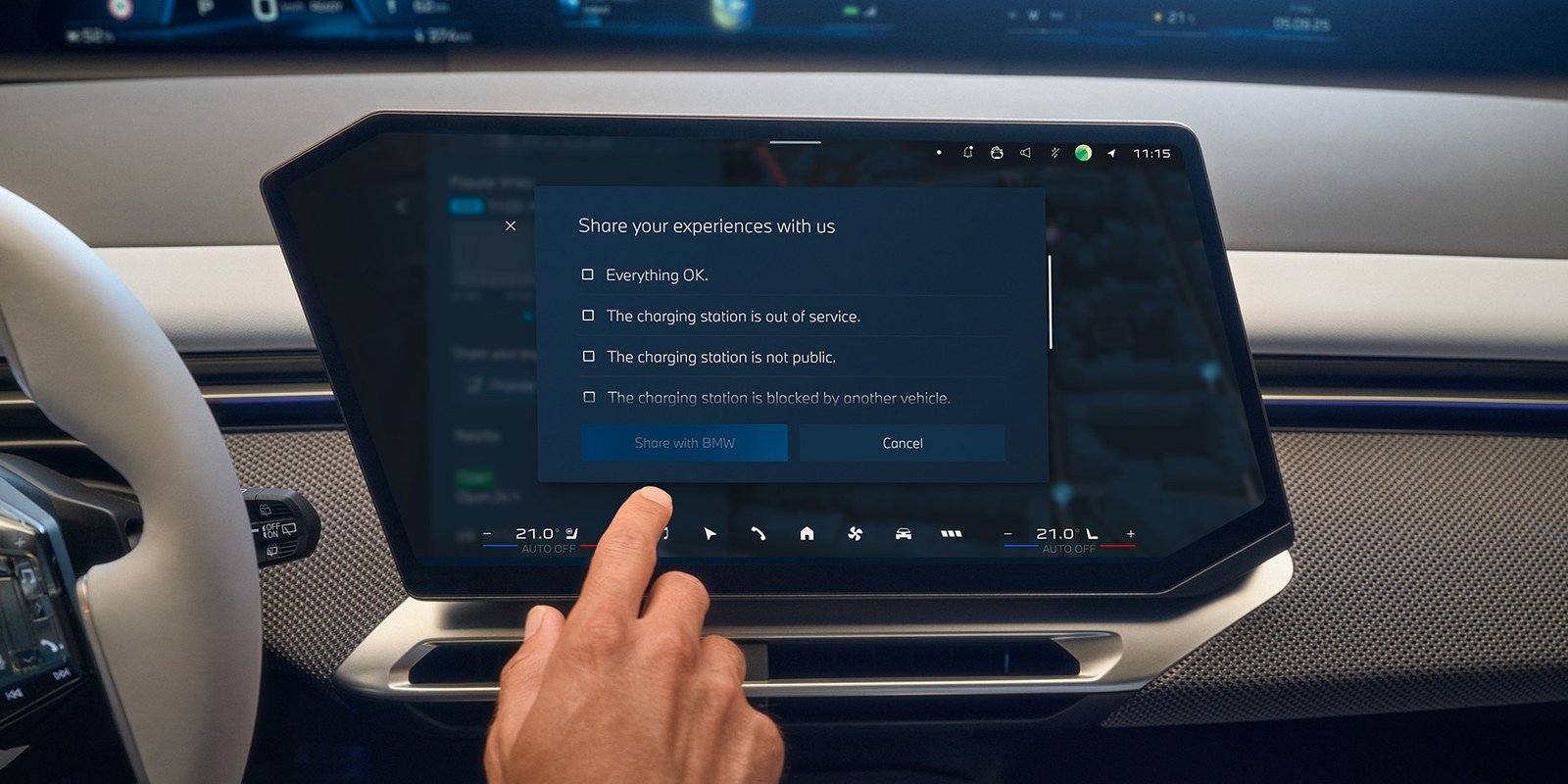
EV drivers get two charging tools. The navigation will predict how busy a public charging station is likely to be, based on historical data. And if the car is routed to a charger but no session starts, the screen will ask what went wrong.
- Amazon Prime Video joins the in-car video apps on Operating System X cars and several smaller models, including the X1 and X3.
- BMW Maps search pulls ratings, photos, and opening hours from Google Maps Places on Operating System 9 and X.
- Owners can switch off automatic unlocking and the welcome-light sequence at chosen places such as home, within a 500-meter radius (about a third of a mile).
- The voice assistant is meant to handle more complex and combined requests.
BMW says 16 million of its vehicles in 88 countries can now receive over-the-air updates. It has released 24 of them since 2018, at a pace of two to three a year, and installation generally takes about 20 minutes.
The missing piece is a U.S. announcement with models, timing, and any price. We'll update this story when BMW of North America provides one.