You Can Take Your Hands Off the Wheel in 2026. Not Your Eyes. Every System Compared
Super Cruise, BlueCruise, and six rivals let you drive with your hands off the wheel on approved roads. None lets you look away, and no eyes-off system is on sale in the U.S.
No car on sale in the United States today lets you legally take your eyes off the road. Mercedes-Benz, the only automaker that ever sold an eyes-off system to American retail buyers, paused it in January, and GM's first eyes-off system isn't due until 2028. We covered that gap in our look at GM's eyes-off plans for the Escalade IQ.
What you can buy is hands-free driving. Every system in this guide is SAE Level 2: the car steers, brakes, and accelerates on approved roads, and you can take your hands off the wheel, but you must keep watching the road and be ready to take over instantly. If you remember one thing from this page, make it that.
Hands-free vs. eyes-off: the distinction that matters
Level 2 systems assist the driver. The driver stays responsible for everything the car does, which is why hands-free systems rely on driver monitoring, in most cases a camera aimed at your face, to check that you're looking ahead.
Level 3 is different. The system drives within strict limits, and the driver may look away until it asks for help. Mercedes' Drive Pilot did that in the U.S., but only below 40 mph in dense traffic on mapped highways in California and Nevada. According to a report by Handelsblatt cited by electrive, the facelifted S-Class dropped it, and the EQS refresh was expected to follow. BMW's Personal Pilot L3, which was only offered in Germany, is also being discontinued, according to Automobilwoche.
Every hands-free system on sale in 2026
| System | Available on | Where hands-free works | Worth knowing | Cost |
|---|---|---|---|---|
| GM Super Cruise | Chevrolet, GMC, Buick, and Cadillac (23 models, per GM) | 600,000+ miles of GM-mapped roads, including divided and non-divided highways | Camera tracks head and eye position; won't stop for lights or stop signs | 3 years included, then $39.99/month |
| Ford BlueCruise | Select Ford and Lincoln models | 130,000 miles of controlled-access highways ("Blue Zones") in the U.S. and Canada | Camera checks eye gaze and head position | $49.99/month, $495/year, or $2,495 one-time at purchase |
| Tesla FSD (Supervised) | Tesla models with compatible hardware | No official hands-off mode | Tesla requires active supervision; highway and city driving | $99/month, subscription only |
| BMW Highway Assistant | Select BMWs with Driving Assistance Professional Package | Controlled-access highways up to 85 mph | Eye-tracking camera monitors attention | Part of an option package; varies by model |
| Rivian Universal Hands-Free (Autonomy+) | Gen 2 R1S and R1T, R2 | Roads with clearly painted lane lines, on and off highways (3.5 million miles) | Won't stop or slow for traffic lights or stop signs | $49.99/month or $2,500 one-time |
| Lucid Hands-Free Drive Assist | Gravity with DreamDrive 2 Pro | Compatible divided highways | Package includes lidar | $6,750 option |
| Stellantis Hands-Free Active Driving Assist | Higher trims of Jeep Grand Cherokee and Ram 1500 | 200,000+ miles of compatible roads in North America | Driver-monitoring camera above the steering wheel | $2,995 on Grand Cherokee, with 3-year subscription (as reported by Carscoops) |
| Infiniti ProPilot Assist 2.1 | QX80 (standard on Autograph), 2026 QX60 | Compatible HD-mapped highways | Hands-off and feet-off; attention still required | Standard on QX80 Autograph; varies by trim |
GM Super Cruise: the biggest map
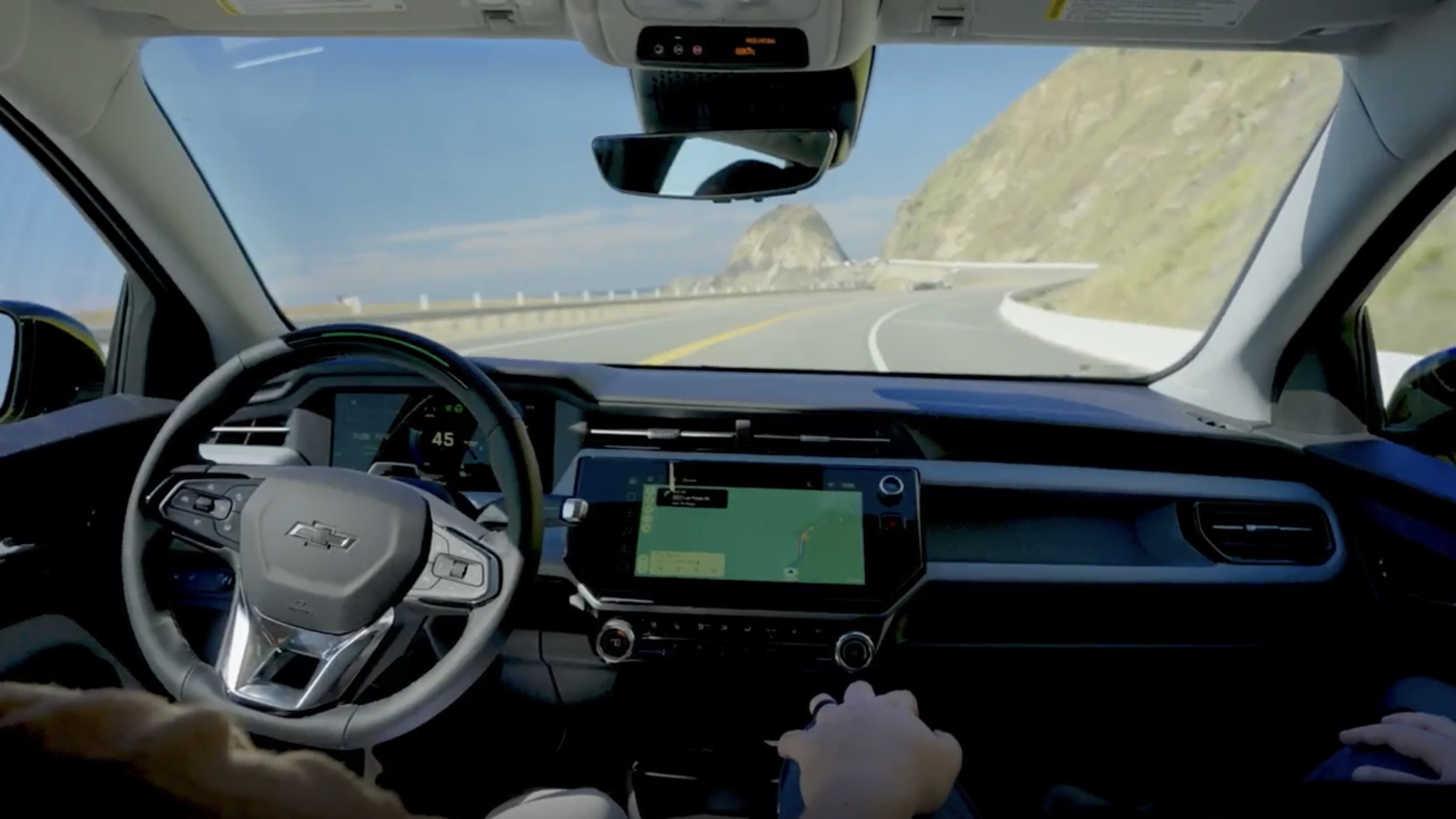
Super Cruise covers more than 600,000 miles of roads that GM has mapped with lidar, according to OnStar's Super Cruise FAQ. A driver-attention camera watches your head and eye position; look away too long and the steering-wheel light bar flashes, then the car can slow to a stop and call OnStar.
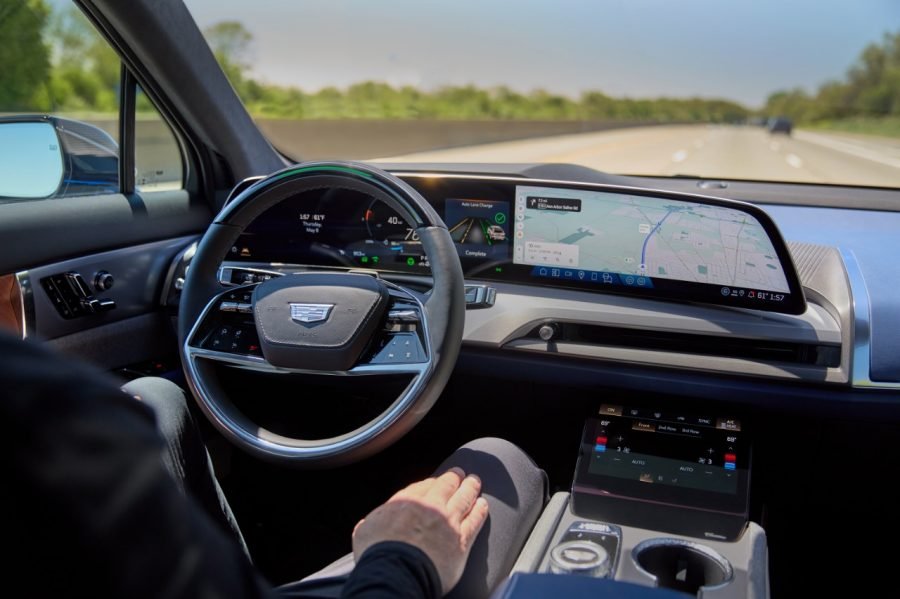
GM says owners have logged more than 1.2 billion hands-free miles and that roughly 1 million GM vehicles will have the system by the end of 2026. New vehicles include three years of service; after that the plan costs $39.99 a month. GM's OnStar FAQ is blunt about the limits: Super Cruise will not brake for traffic lights or stop signs, detect cross traffic, or steer around construction zones.
Ford BlueCruise: highways only, three ways to pay
Ford says BlueCruise works on 130,000 miles of controlled-access highways, which it puts at 97% of such roads in the U.S. and Canada. A driver-facing camera checks eye gaze and head position, and works with most sunglasses, according to Ford.
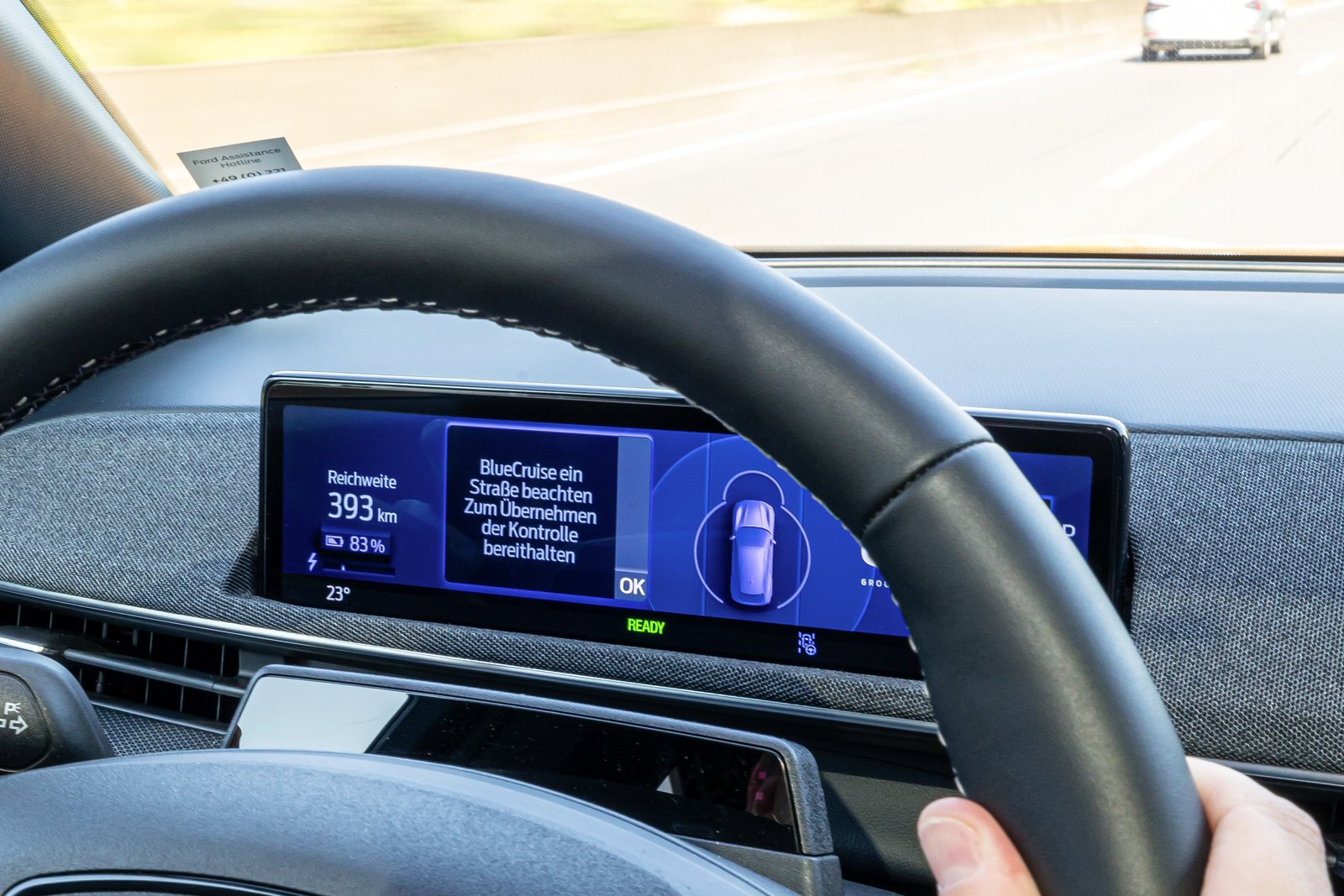
Ford's owner site lists $49.99 a month, $495 a year, or a $2,495 one-time purchase that is only available when you buy the vehicle from a dealer. The 2027 F-150 adds a towing-capable version, which we covered in our 2027 F-150 BlueCruise towing story.
Tesla FSD (Supervised): capable, but not hands-free
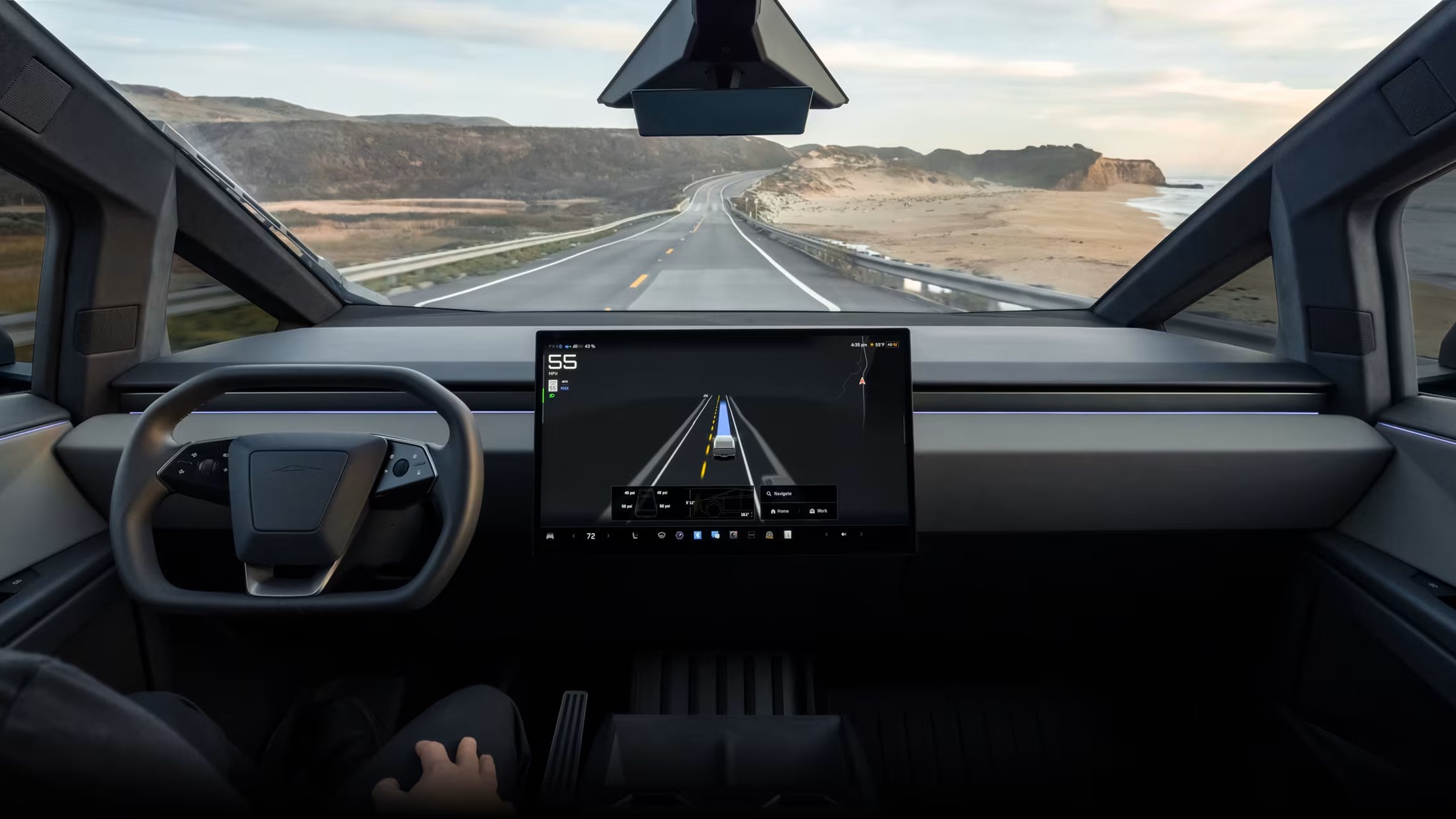
Tesla's FSD (Supervised) can operate on highways and city streets, but it is a Level 2 system that Tesla says requires active supervision, and Tesla offers no officially sanctioned hands-off mode. Since February 14, 2026, it has been sold only as a subscription, at $99 a month in the U.S.
New Teslas also no longer come with Basic Autopilot. If you're shopping one, read what comes standard on a Tesla now before assuming lane centering is included.
The rest of the field
BMW Highway Assistant allows hands-free driving on controlled-access highways at up to 85 mph, as part of the Driving Assistance Professional Package on select models.
Rivian takes the broadest approach. Universal Hands-Free works on any road with clearly painted lane lines, not just highways, but Rivian warns it won't stop or slow for traffic lights or stop signs. Autonomy+ costs $49.99 a month or $2,500 once, and the one-time purchase transfers with the vehicle.
Lucid brought hands-free highway driving to the Gravity in June through an over-the-air update. It requires the $6,750 DreamDrive 2 Pro package, which includes lidar.
Stellantis offers Hands-Free Active Driving Assist on the Jeep Grand Cherokee and Ram 1500, limited to higher trims. Infiniti ProPilot Assist 2.1 lets attentive drivers take their hands off the wheel and feet off the pedals on compatible highways.
Systems that still need your hands on the wheel
Mercedes' new MB.Drive Assist Pro, launching on the CLA, can follow a navigation route through city traffic, but your hands must touch the wheel. It costs $3,950 for three years on the CLA, and Mercedes said it would go live in the U.S. later in 2026.
Most other lane-centering systems sold in the U.S. also require hands on the wheel. If an automaker doesn't explicitly market a feature as hands-free on approved roads, assume it isn't, and check the owner's manual.
What regulators are investigating
There is no comparable public data that would let anyone rank these systems by safety, so we don't. What we can report is where federal investigators are looking.
NHTSA's engineering analysis EA25001 covers 2021–2025 Mustang Mach-E models with BlueCruise after four frontal collisions, two of them fatal. In March, the NTSB concluded its own investigation of those two fatal crashes. It called for federal performance standards and recommended changes to BlueCruise to reduce speeding and improve driver attention. Ford said it would take the recommendations seriously and noted that one driver was alcohol-impaired.
NHTSA's EA26002 investigation of Tesla FSD covers an estimated 3.2 million vehicles and nine crashes in reduced-visibility conditions, one of them fatal. Regulators are also probing aftermarket software, as in the NHTSA investigation into comma.ai's openpilot. For how crash data actually reaches regulators, see our explainer on Tesla crash data.
When eyes-off driving comes back
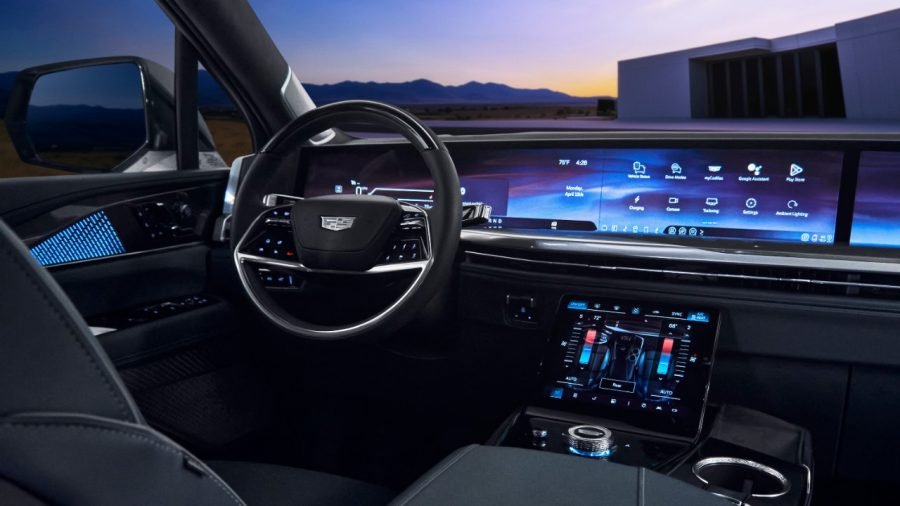
GM has the firmest date so far: eyes-off driving launches on the Cadillac Escalade IQ in 2028. GM says more than 200 development vehicles began supervised testing on limited-access highways in California and Michigan in March.
Rivian CEO RJ Scaringe has said eyes-off will be the company's next step, without a date. Mercedes has said the Drive Pilot pause is not the end of eyes-off driving. California, meanwhile, adopted new rules in April that cover testing and deployment of Level 3, 4, and 5 vehicles.
What we don't know yet
- What happens to Drive Pilot for Mercedes owners who already have it.
- When, or whether, any Level 3 system returns to U.S. showrooms before GM's 2028 target.
- How NHTSA will close EA25001 and EA26002, and whether either ends in a recall.
- Stellantis' current hands-free price: the $2,995 figure comes from a June review, not a Stellantis price list.
- Whether MB.Drive Assist Pro is live for U.S. CLA owners yet.
What's next
Rivian holds its second Autonomy & AI Day on December 9 in San Francisco, its next big stage for autonomy news. NHTSA decisions on BlueCruise and FSD could arrive at any time. We'll update this guide when prices, map coverage, or any eyes-off launch changes the picture.