1,000-Mile EVs? What China's Range Numbers Actually Mean for US Buyers
China's new EVs advertise four-digit ranges, and the cars are real — the test cycle just isn't yours. Here's how to convert CLTC claims into EPA reality.
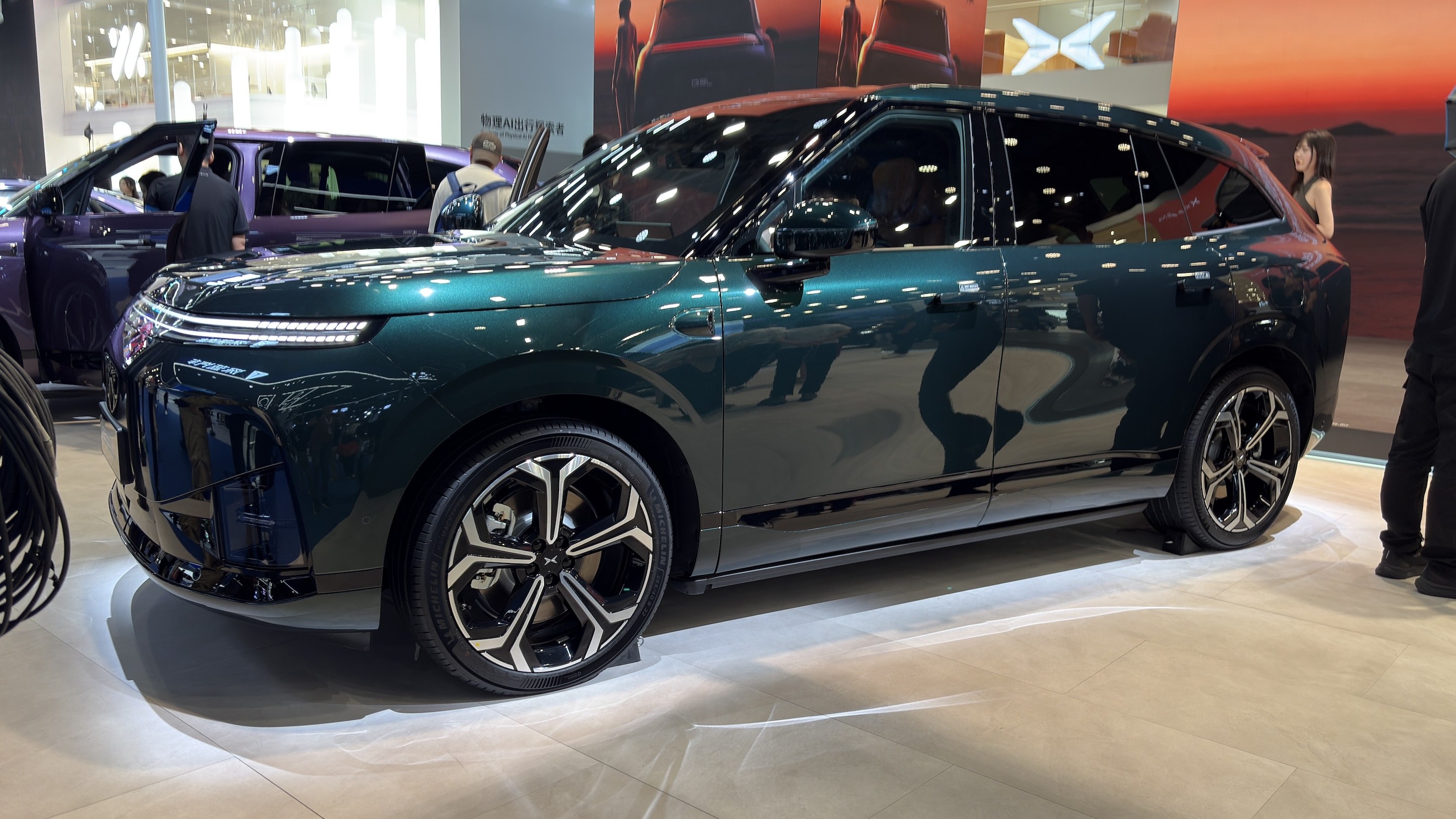
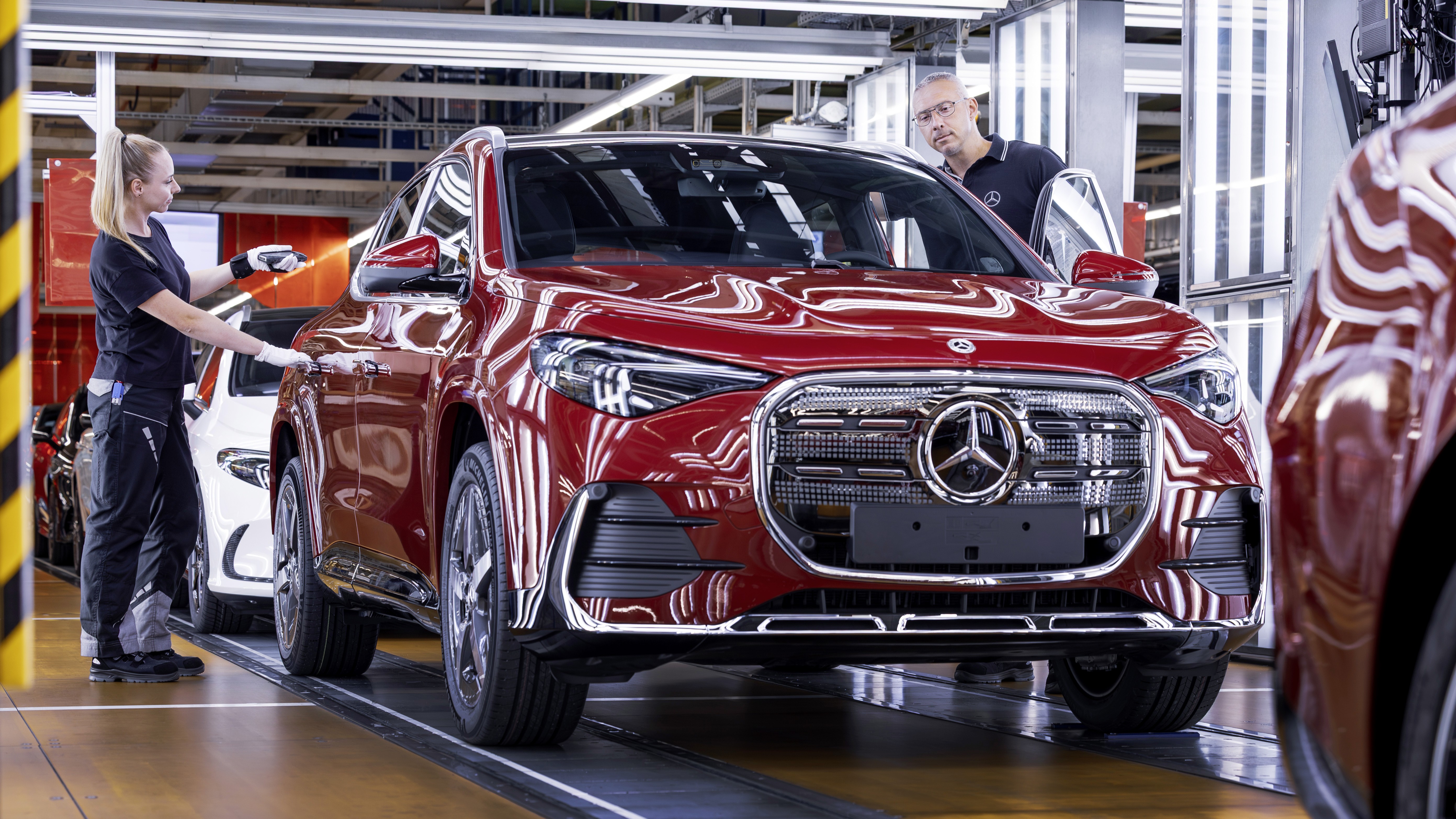
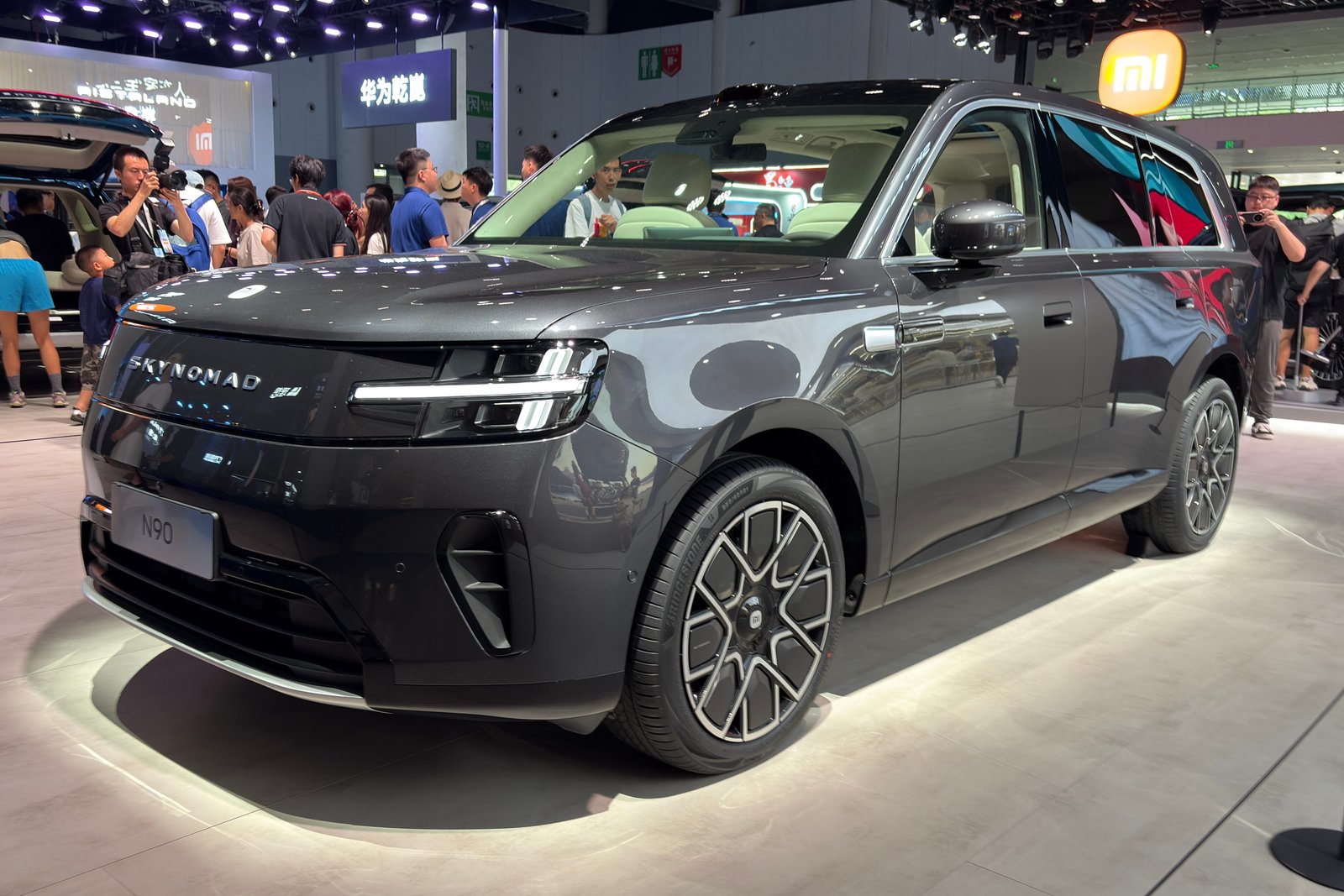
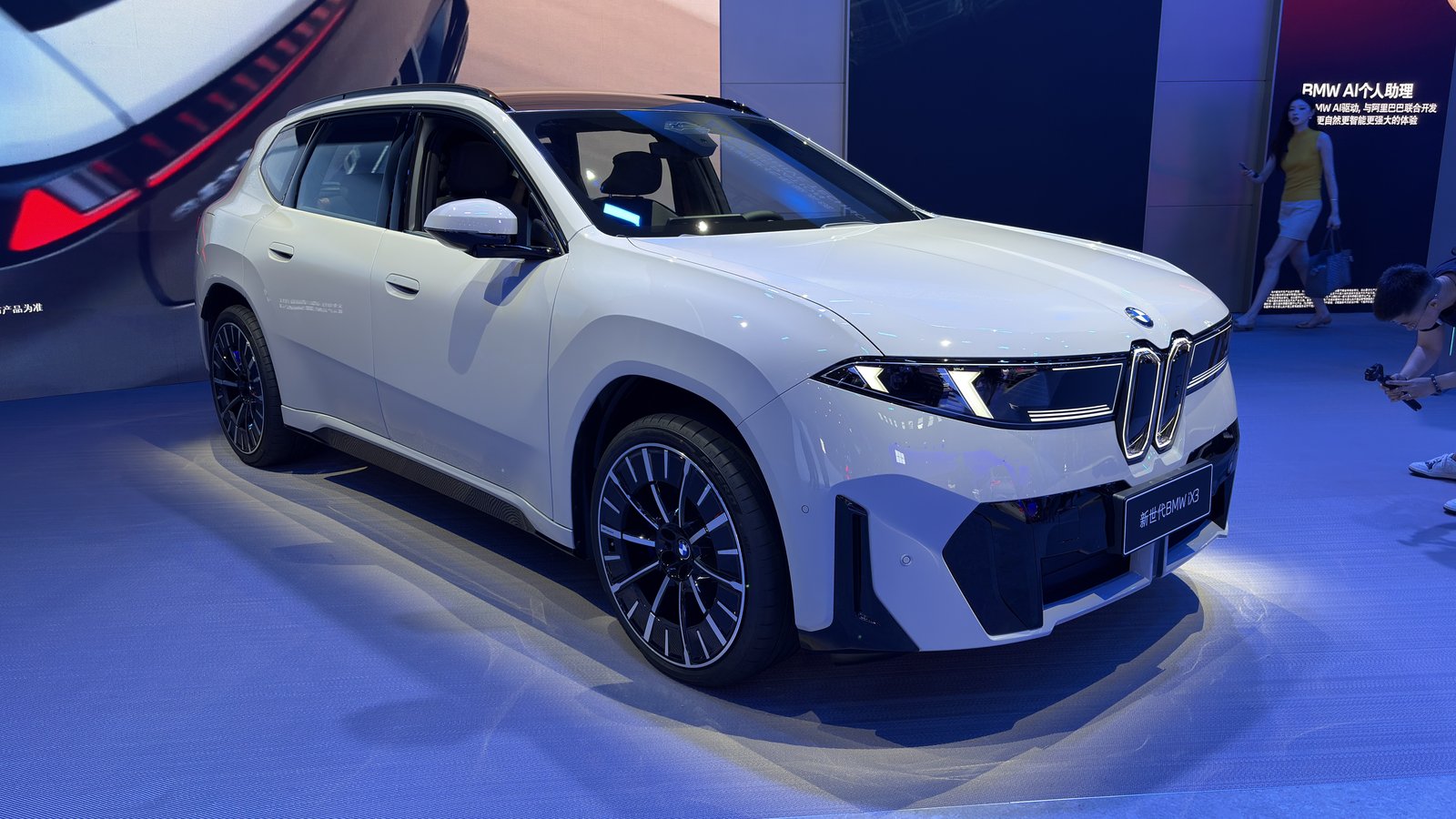
Walk the halls of the Chengdu Motor Show and the range claims start to read like a bidding war. XPeng's G9L quotes 995 miles (1,602 km) for its extended-range version. Xiaomi's new SkyNomad N90 Max goes higher still, at 1,059 miles (1,705 km). BYD's Dahan sedan claims 626 miles (1,008 km) on battery alone, and even BMW is playing along with a China-only iX3 50L rated at 571 miles (919 km). Our team spent two days on the show floor, and what strikes me is how fast those figures stop registering as remarkable — half the floor seems to promise four digits in kilometers.
None of these numbers is a lie. But none of them means what a US window sticker means, either. They come from CLTC, China's own test cycle, and reading them as EPA figures will mislead you by a hundred miles or more. Here is how to translate.
The numbers coming out of Chengdu
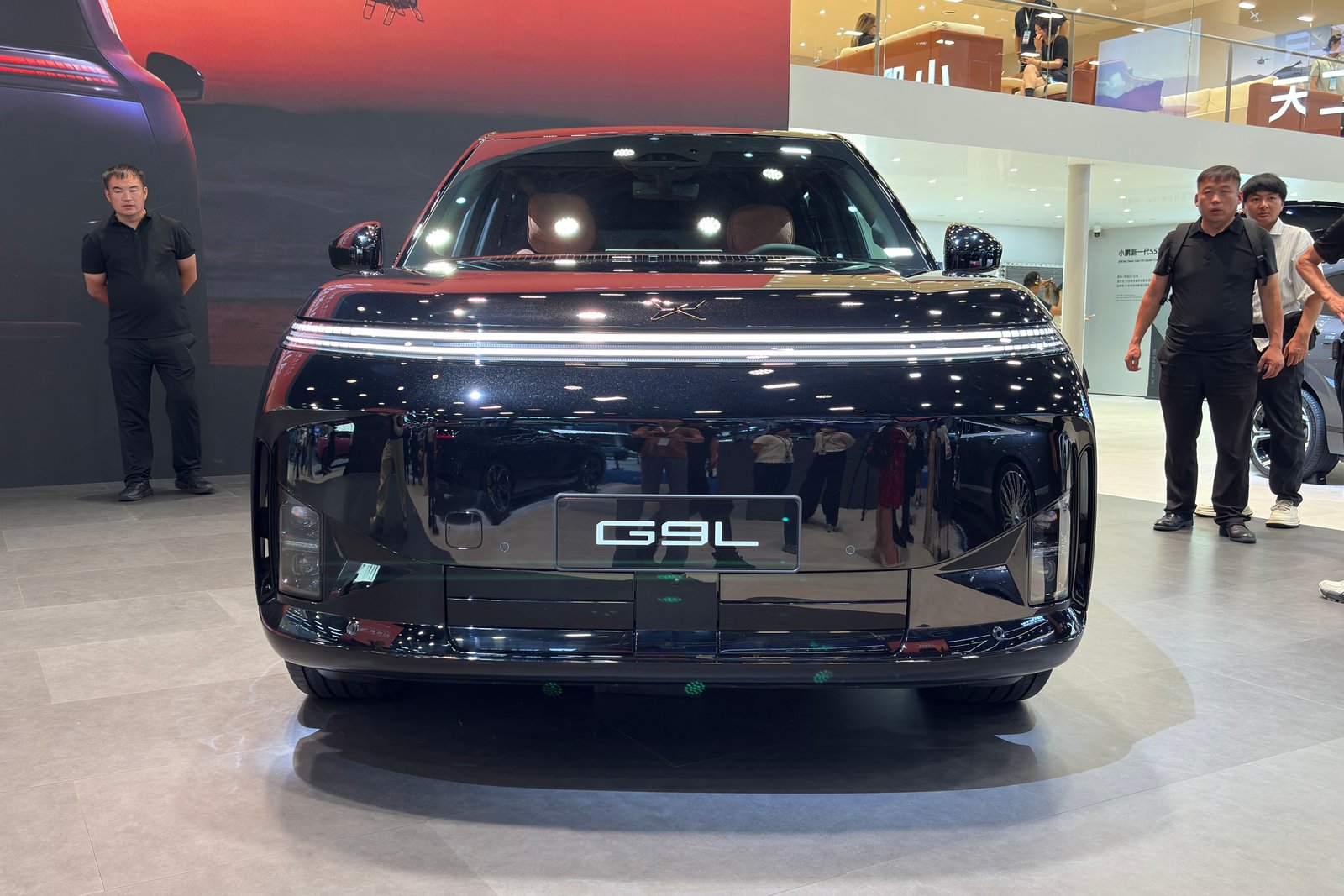
Four claims from this year's show mark out the field. XPeng opened pre-orders for the G9L on August 11 from 259,800 yuan (about $38,000); the extended-range version pairs a 63.3-kWh battery with a 15.9-gallon (60-liter) gas tank for that 995-mile combined figure, while the pure-electric G9L tops out at 469 miles (755 km). Xiaomi's SkyNomad N90 Max, the company's first extended-range model, is rated at 1,059 miles (1,705 km) combined and 288 miles (464 km) on battery alone — both CLTC figures, per Xiaomi's launch presentation.
BMW's iX3 50L, a long-wheelbase Neue Klasse variant built for China, carries an official 571-mile (919 km) CLTC rating from China's industry ministry, drawing on a 108.7-kWh usable battery and an 800-volt architecture. And BYD used the show to open pre-sales for its flagship Dahan EV sedan, whose rear-drive versions claim 626 miles (1,008 km) with no gas tank involved, from roughly $37,000 (249,900 yuan).
What CLTC actually measures
CLTC — the China Light-Duty Vehicle Test Cycle — is a laboratory procedure defined by national standard GB/T 38146.1-2019 and developed by the China Automotive Technology and Research Center from traffic data gathered across dozens of Chinese cities. The passenger-car version runs 30 minutes on a dynamometer, covers about 9 miles (14.5 km), tops out at 71 mph (114 km/h), and averages roughly 18 mph (29 km/h) including stops, with more than a fifth of the test spent idling.
That profile mirrors how many Chinese drivers actually use their cars: dense cities, heavy congestion, little sustained highway running. It is also the friendliest possible environment for an electric powertrain, which is most efficient in low-speed, stop-and-go driving. So CLTC produces big numbers honestly — it is a legal, government-defined standard that measures exactly what it says. It just measures something very different from a 75-mph American interstate.
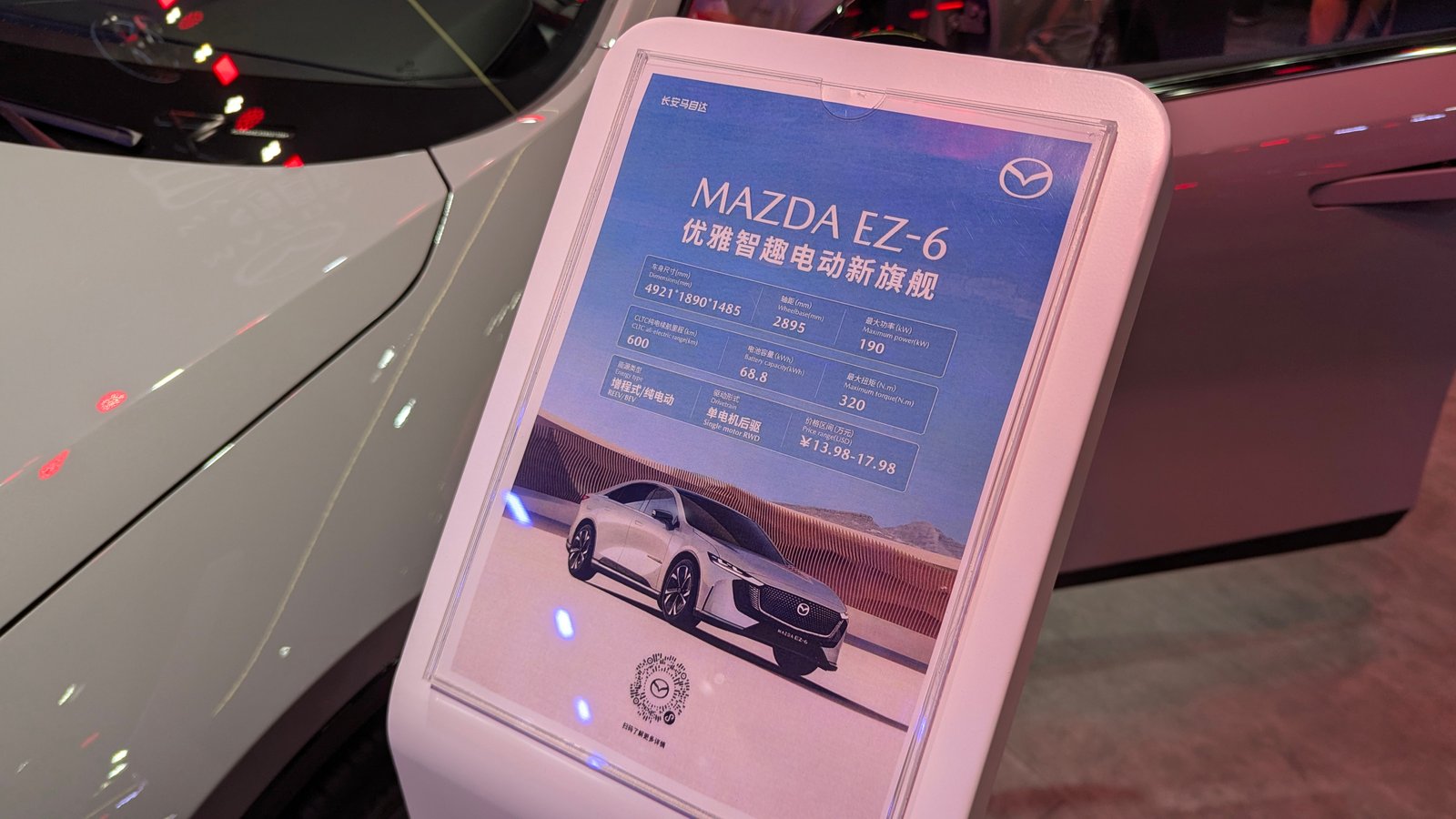
Spec plates across the Chengdu halls quote CLTC by default. The Mazda EZ-6 card below is typical: a single bold range figure — 373 miles (600 km) for the electric version — that only makes sense once you know which test produced it.
How the EPA number is different
The range on a US window sticker starts with city and highway dynamometer cycles run until the battery is dead — and then, in the most common EPA procedure, the laboratory result is multiplied by 0.7 to account for aggressive driving, climate control, and other real-world losses, with city and highway results weighted 55/45. That built-in 30% haircut is the biggest reason EPA figures look conservative next to everyone else's — and why they track real-world driving more closely than any other label.
The rule of thumb: knock off a quarter to a third
The cleanest calibration is a car sold in both markets. Tesla's Model 3 Long Range AWD is rated at 468 miles (753 km) CLTC in China; the same car carries a 342-mile (550 km) EPA rating in the US — a 27% gap. That is typical: industry comparisons generally put CLTC 25–35% above EPA for the same vehicle.
Apply that discount to the Chengdu headliners and the numbers land somewhere familiar. These are back-of-the-envelope estimates, not official ratings — none of these cars has been through an EPA lab:
- BMW iX3 50L, 571 miles CLTC → roughly 400–430 miles in EPA terms
- BYD Dahan EV, 626 miles CLTC → roughly 440–470 miles
- XPeng G9L BEV, 469 miles CLTC → roughly 330–350 miles
- Xiaomi SkyNomad N90 Max, 288 miles of electric-only CLTC range → roughly 200–215 miles
Still strong numbers — a 430-mile BMW crossover would rank among the longest-range EVs sold in the US today. Which is my point: the cars are genuinely impressive; the math just needs a currency conversion. Europe's WLTP cycle sits in between, typically 15–20% below CLTC.
One more trap: extended-range totals are not electric range
The two biggest numbers in Chengdu — XPeng's 995 miles and Xiaomi's 1,059 miles — are combined figures for extended-range EVs (EREVs): battery plus a full tank of gasoline feeding an onboard generator. On battery alone, the G9L is rated at 270 miles (435 km) CLTC, which shakes out to roughly 190–200 miles by the EPA-style math above. The honest US mental model for an EREV is a plug-in hybrid with an unusually large battery — not a thousand-mile EV. The remaining 700-plus miles come from burning gas.
What to do with a Chinese range claim
- Find the cycle label first. If a car is sold in China, assume CLTC unless stated otherwise.
- For an EPA ballpark, multiply the CLTC figure by 0.70–0.75.
- For EREVs and plug-in hybrids, ignore the combined total and find the battery-only number — then discount that.
- Treat every cross-cycle conversion as an estimate until the car is actually EPA-rated.
That last point is the caveat this story has to end on. None of the four cars above is sold in the US or has an EPA rating, and none is likely to get one soon — an official conversion may never exist. My bet is that if an iX3 with this battery ever reaches an EPA lab, the resulting number will still be a headline. It just won't be 571.