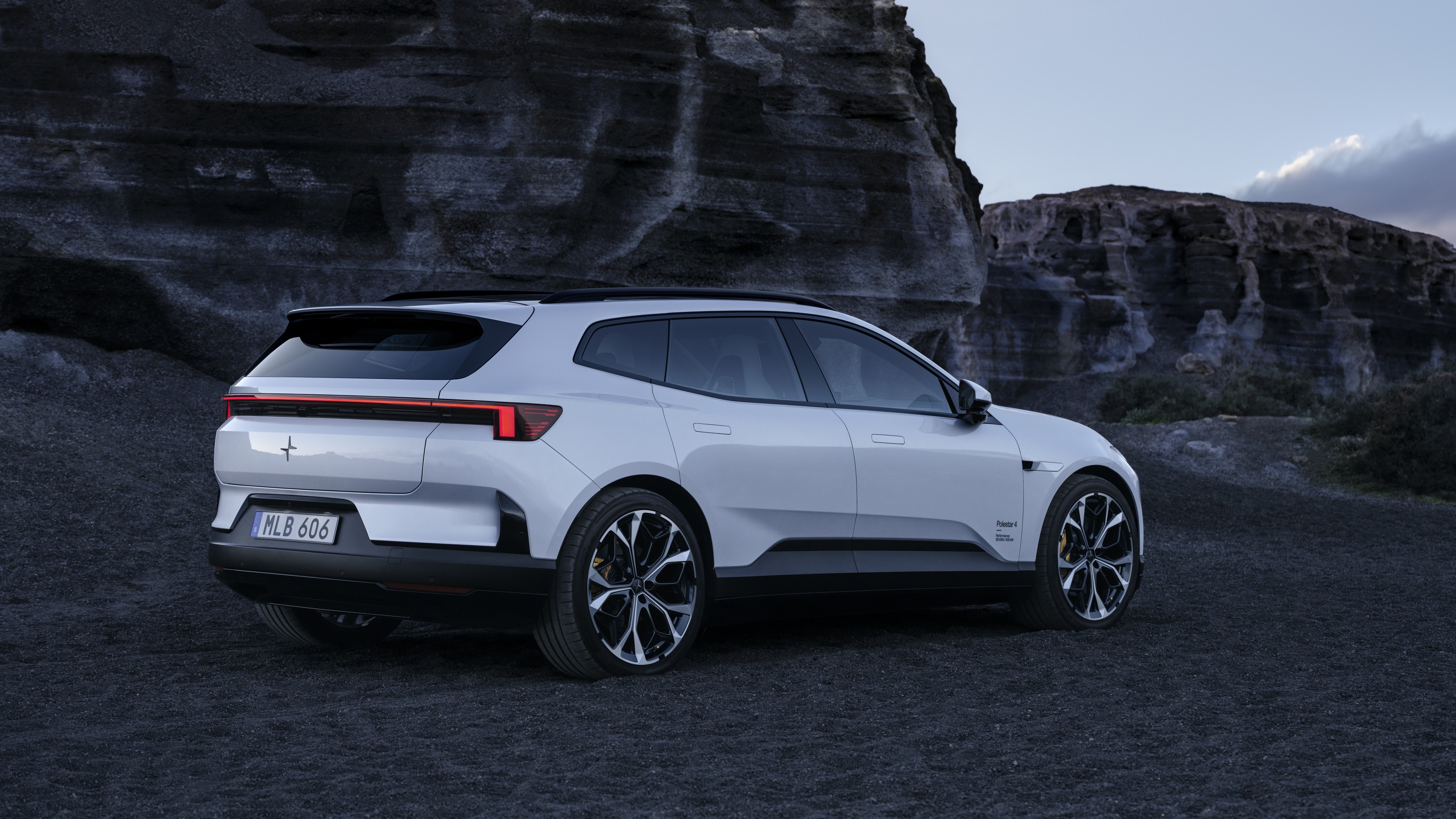
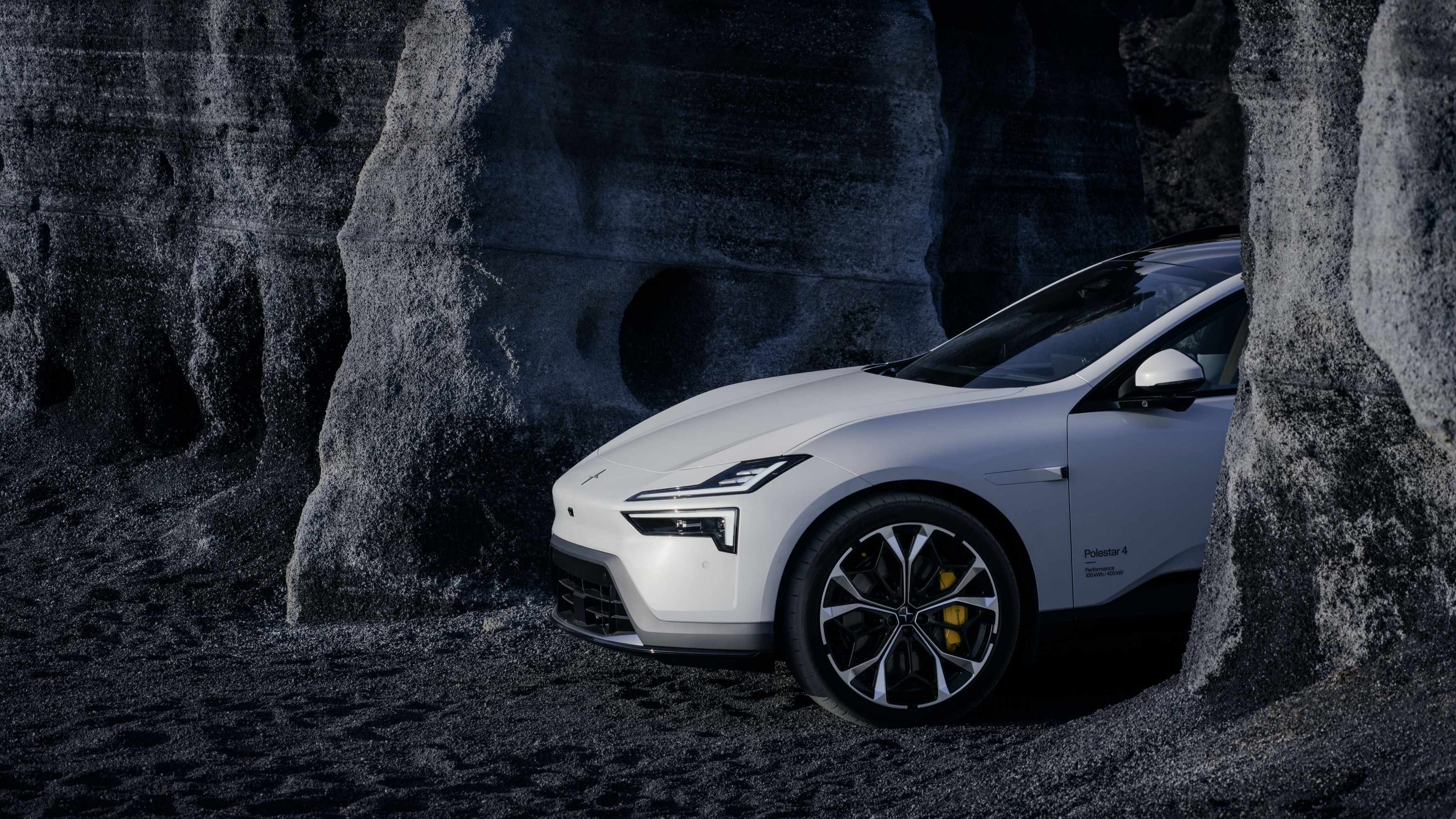
The Connected Vehicle Rule Just Killed Polestar in the U.S. Here's Who's Next
The Commerce rule that ended Polestar's U.S. sales from model year 2027 also hangs over the Lincoln Nautilus, Buick Envision, and Lotus. What it bans, and what owners should do.
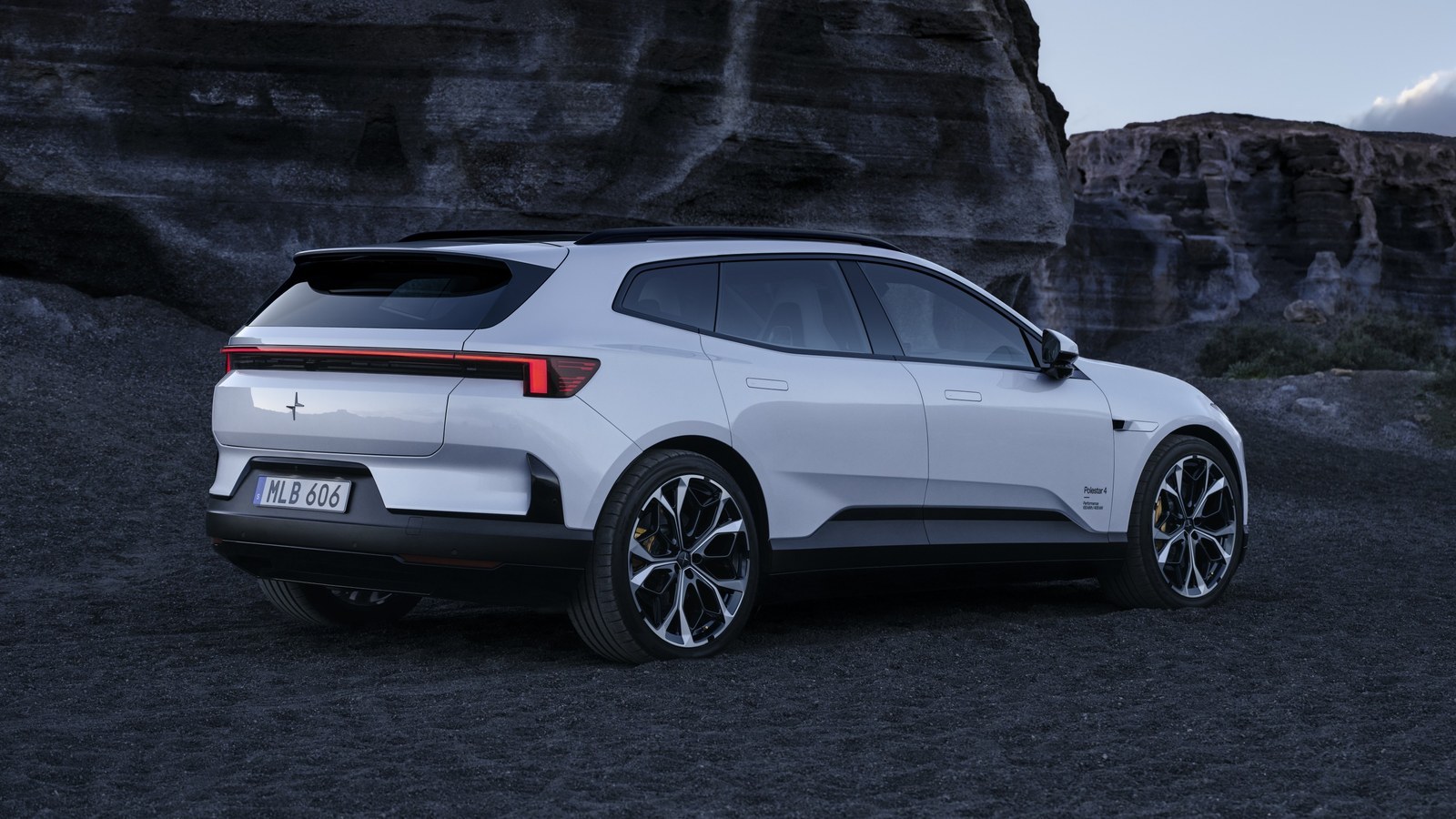
Polestar is not leaving the United States because its cars failed a crash test or an emissions check. It is leaving because of a Commerce Department rule most buyers have never heard of, and the same rule is now shaping what Volvo, Lincoln, Buick, and Lotus can sell here from the 2027 model year on. Polestar's U.S. clearance sale is the first visible result. It won't be the last.
Here is what the Connected Vehicle Rule actually prohibits, why it caught a brand that builds its SUV in South Carolina, and what it means if you own one of the affected cars or were planning to buy one.
What the rule bans, and when
The Bureau of Industry and Security finalized the rule on January 14, 2025, and it took effect that March. It targets two systems in passenger vehicles under 10,001 pounds: the Vehicle Connectivity System, meaning the telematics unit and the Bluetooth, cellular, satellite, and Wi-Fi modules that let a car talk to the outside world, and the Automated Driving System that can operate a car without a driver. The BIS announcement spells out three prohibitions.
- Model year 2027: no importing or selling vehicles whose connectivity or automated-driving software comes from a person with a "sufficient nexus" to China or Russia.
- Model year 2027: no selling new connected vehicles at all if the manufacturer itself has that nexus, even when the car is built in the U.S.
- Model year 2030 (or January 1, 2029, for units without a model year): no importing the connectivity hardware itself, or vehicles containing it.
Two details matter more than the dates. First, the trigger is who designs and controls the software and who owns the company, not where the assembly plant sits. Second, the rule has an escape hatch: BIS can grant general and specific authorizations, and companies can ask for advisory opinions. Whether a brand survives in the U.S. now depends on that paperwork.
Why Polestar is out
Polestar is majority-controlled by entities tied to China's Geely Holding, which puts the manufacturer itself under the second prohibition. On June 25, 2026, the company said BIS had declined to authorize it, which bars it from marketing or selling 2027-model-year vehicles in the U.S. The Polestar 3 is built at Volvo's plant in Charleston, South Carolina; the Polestar 4 comes from Busan, South Korea. Neither fact helped, because the rule looks past the factory to the ownership and the software behind it.
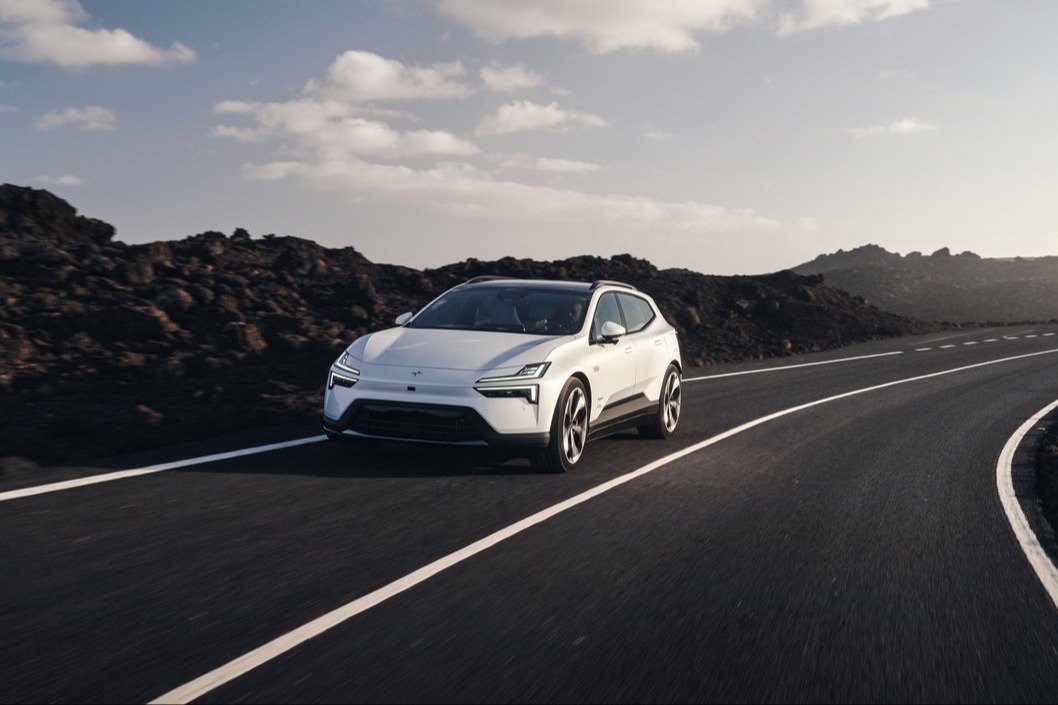
Polestar did not appeal. CEO Michael Lohscheller framed the exit as a pivot to Europe, which he called the company's largest growth engine, and the brand has since cut prices to clear its remaining 2026 Polestar 3 and Polestar 4 stock. By early October, the rear-window Polestar 4 SUV, the Polestar 5, and the next Polestar 2 were all confirmed for other markets and none for America.
Why Volvo stays
This is the question Polestar itself has been asking. Volvo Cars is also majority-owned by Geely, yet on May 26, 2026, it announced a specific authorization from the Commerce Department's ICTS office to keep importing and selling connected cars in the U.S. Volvo's release says the process is handled case by case and followed discussions about its governance, technology, and data security, and it points to more than $1.3 billion invested in Charleston.
Commerce has not publicly explained why the two Geely brands got different answers. Volvo is a separately listed company with its own U.S. plant and dealer network; Polestar shares platforms and software suppliers more deeply with other Geely brands. According to documents reported by The Wall Street Journal, Polestar expected approval and was still seeking an explanation months later. Until BIS says more, any specific reason is inference, not fact. What is clear is that the authorization is not a blanket pass: Volvo still has to meet the rule's software and hardware requirements across its U.S. lineup as the 2027 and 2030 deadlines arrive.
Who is next
No other brand has announced a denial, and BIS does not publish authorization decisions, so a list of "banned" models does not exist. But three sets of cars sit squarely in the rule's path.
Lincoln Nautilus. Lincoln's best-selling model is built by Changan Ford in Hangzhou, China. Ford told Reuters in June that the Nautilus runs software developed in the U.S. but installed in China, and that it had asked Commerce for authorization to keep importing the 2027 model, which it expected to start shipping in January. In August, Ford said it would expand U.S. Lincoln production from 2030 and eventually stop importing from China. The 2027 Corsair now comes from China too, so it sits under the same question.
Buick Envision. GM builds the Envision at SAIC-GM in China and has said the next generation will be built at Fairfax Assembly in Kansas starting in 2028. GM has declined to say whether it applied for authorization and describes itself as working through the model transition plan. Whether a China-built Envision stays on sale for 2027 is unconfirmed.
Lotus. Geely controls Lotus as well, which is why the Chinese-built Eletre and Emeya were always going to struggle here even before 150 percent tariffs ended the Eletre's U.S. business case after the 2025 model year. The UK-built Emira continues: Lotus Americas CEO Massimiliano Trantini told MotorTrend in August that it remains compliant through the 2027 model year. Lotus has not said what happens after that.
What this means for Polestar owners
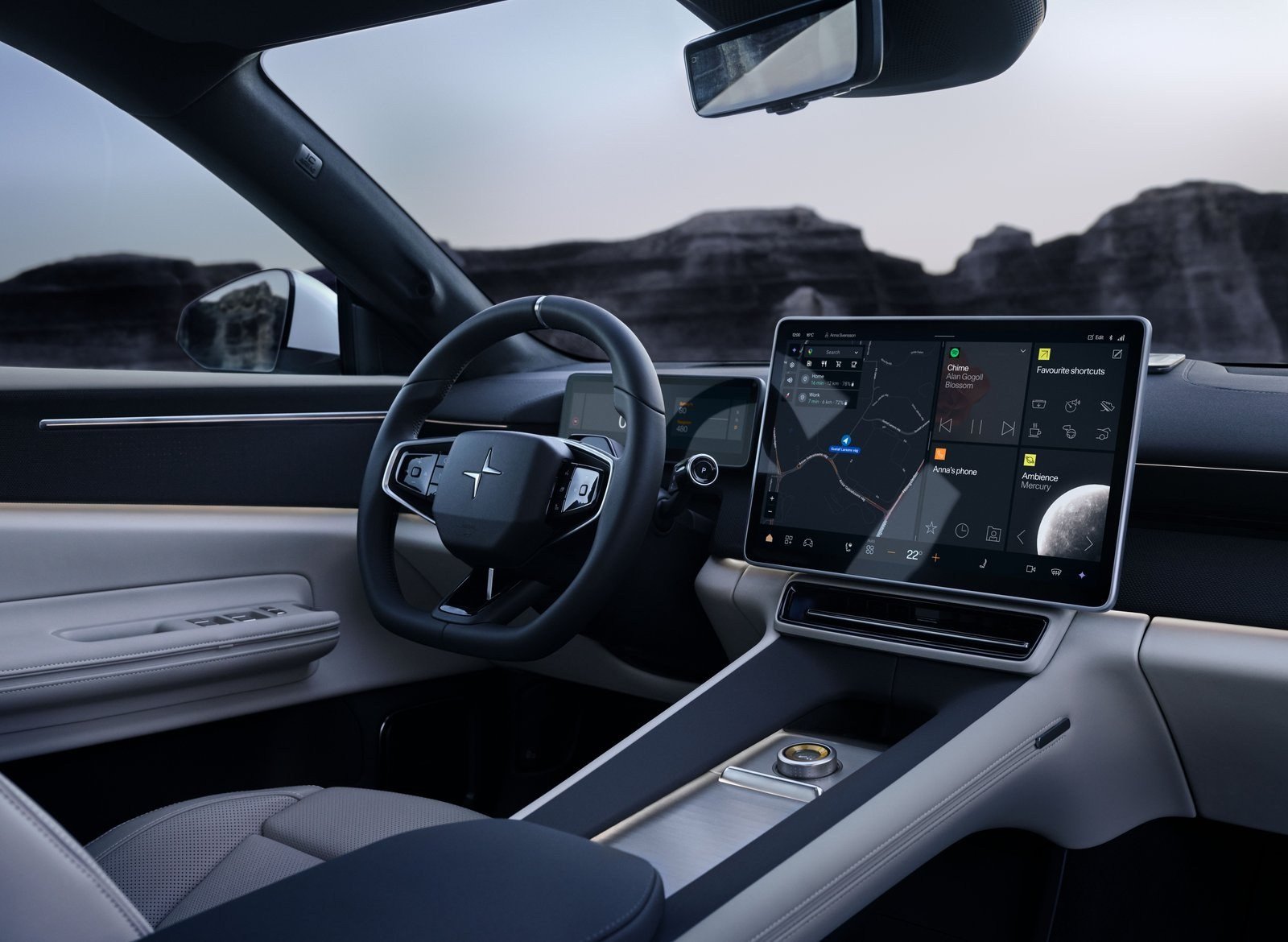
The rule is about new sales, not cars already on the road. Nothing in it requires an existing Polestar to be modified or taken off the street, and the hardware prohibition in 2030 applies to imports, not to vehicles you already own. Polestar has said it will keep supporting U.S. customers through its service network, honor warranties, supply genuine parts, and continue software updates. Expect its U.S. retailers to shift toward service work as the last new cars sell through.
- Keep records of your warranty, service history, and any over-the-air update notices. If support terms change, the paper trail matters.
- If you are shopping a leftover 2026 Polestar 3 or 4, treat it like an orphan-brand purchase: the discounts are real, but check how your nearest retailer plans to handle service once sales stop.
- If you drive a Nautilus, Envision, or Emira, nothing changes for you. The question is only whether the 2027 version reaches dealers.
Separately, the rule says nothing about the data a car collects on you. If that is your concern, our brand-by-brand opt-out guide covers what you can switch off today.
What we don't know
- Which brands and models BIS has authorized. The agency does not publish applications or decisions, so Volvo's May announcement is the only confirmed one.
- Why Polestar and Volvo were treated differently. Neither Commerce nor the two companies has given a public reason.
- Whether Ford and GM received authorizations for the 2027 Nautilus and Envision. Both model years are due in showrooms within months.
- How far the 2030 hardware prohibition will reach into supply chains, and whether BIS tightens the rule further. Lawmakers have proposed tougher versions, but none has passed.
Polestar's exit is the clearest signal yet that this rule has teeth. The next signals will come from Dearborn and Detroit, when the 2027 Nautilus and Envision either arrive on schedule or quietly don't.