Oxford Wired Up Drivers to Find Out Why a Faster Polestar 4 Feels Better
On matched laps, the 544-hp Polestar 4 was barely quicker than the Rear motor, but it needed 15% less steering effort and drivers scored it far higher.
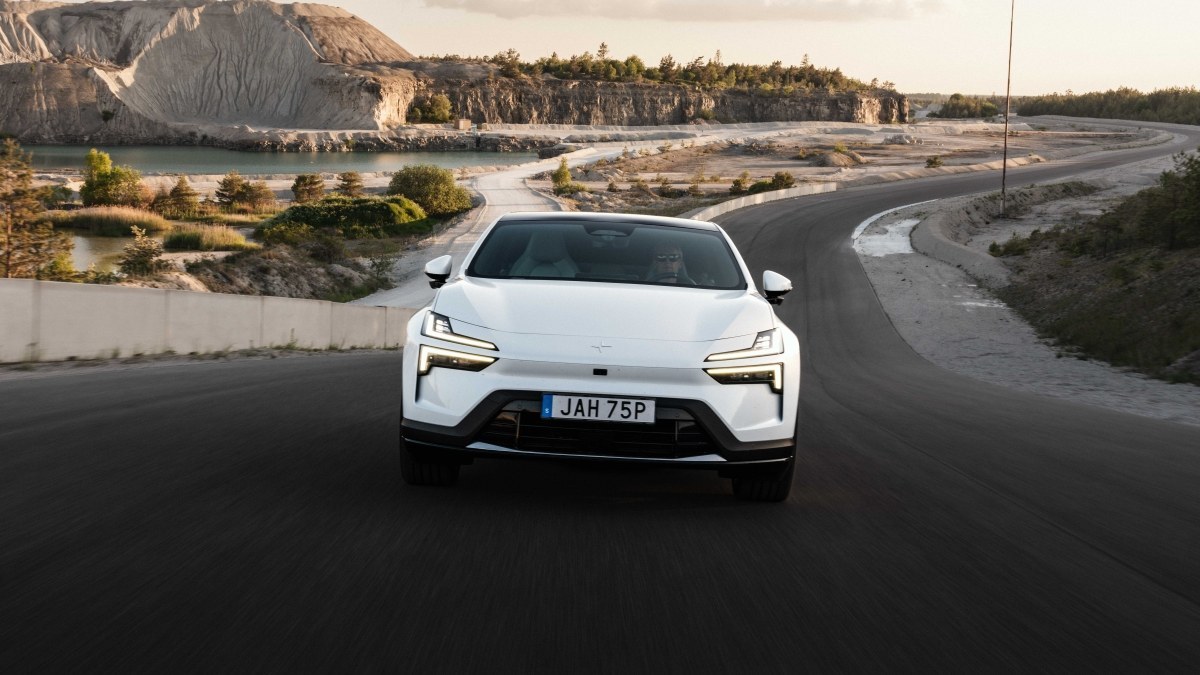
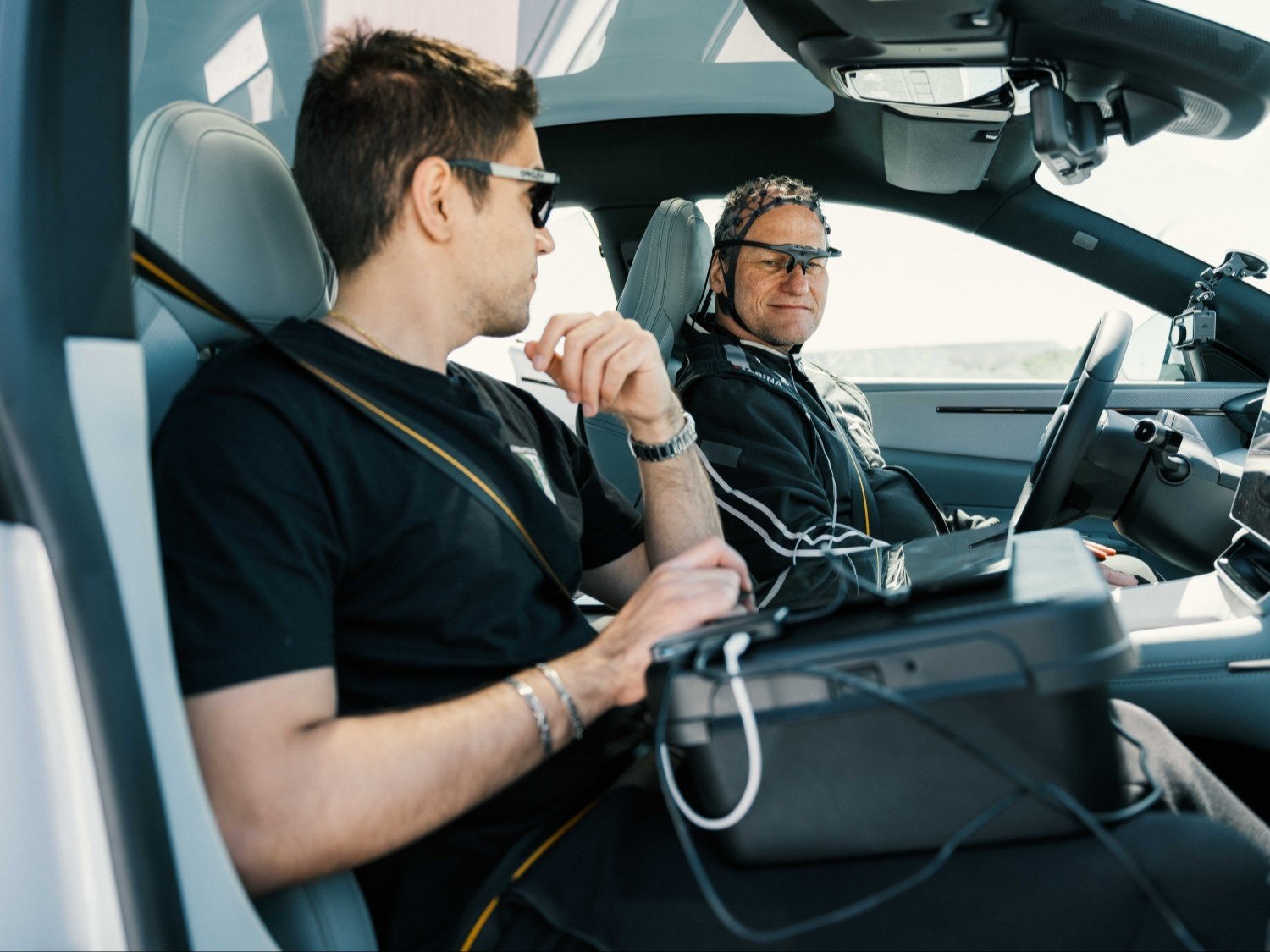
Polestar and researchers at the University of Oxford put 12 drivers through laps of a Swedish race circuit in two versions of the Polestar 4, with sensors tracking their bodies the whole time. The most interesting result isn't about speed. On matched fast laps the two cars were almost equally quick, yet the more powerful one asked noticeably less of the person driving it.
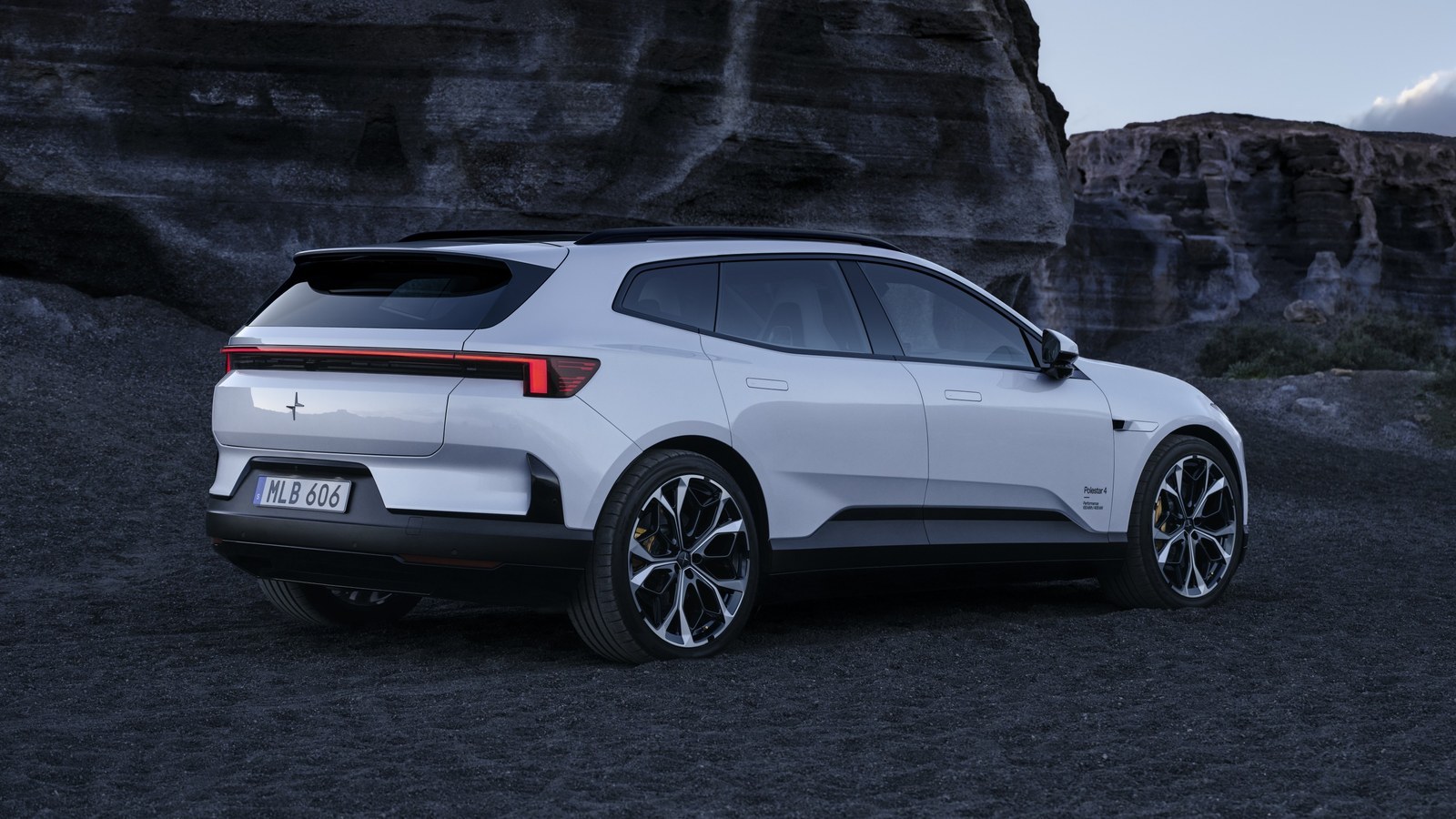
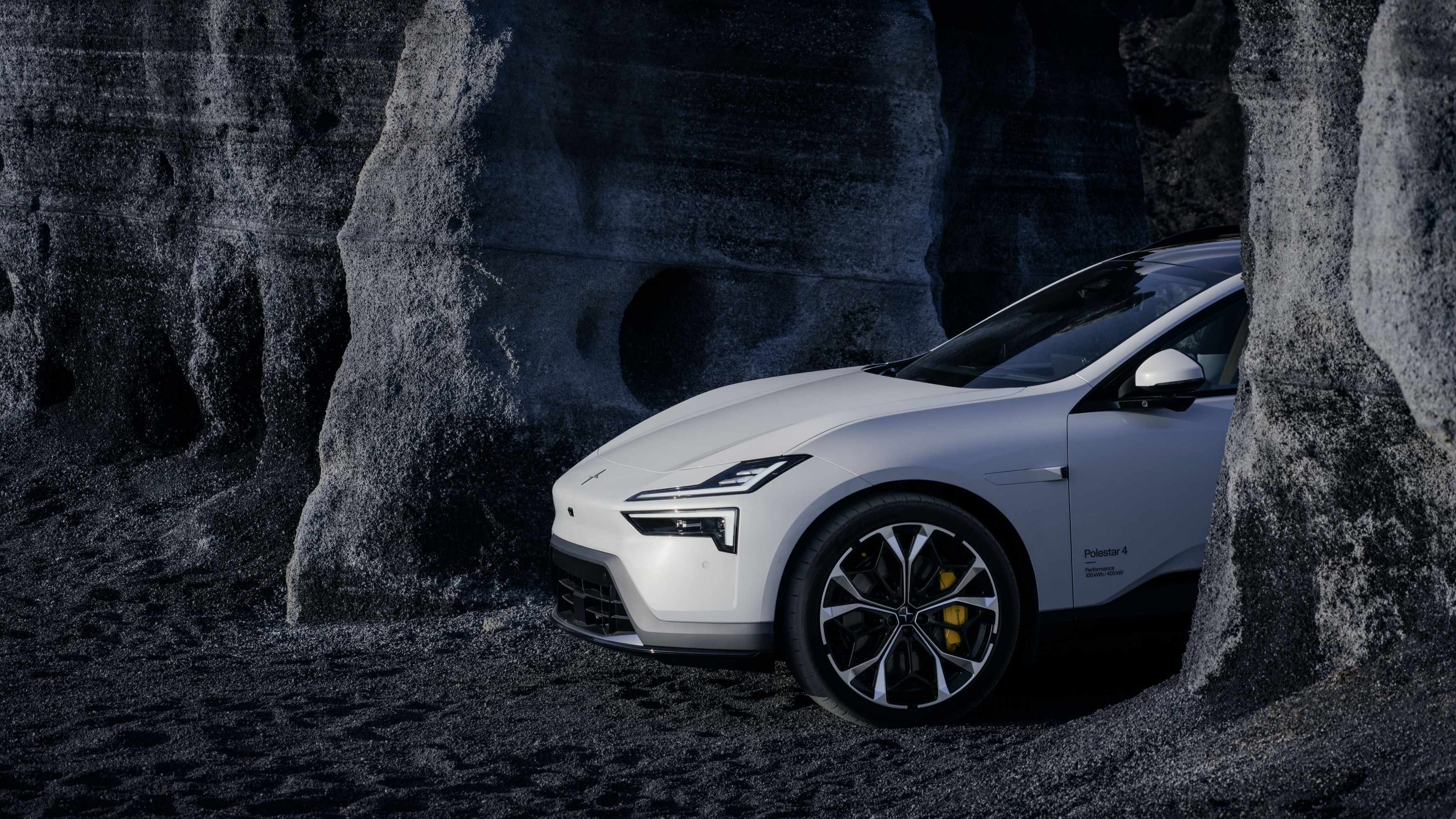
The cars sat at opposite ends of the Polestar 4 lineup: the Rear motor version, rated at 268 hp (200 kW), and the Dual motor with the Performance pack, which doubles that to 544 hp (400 kW). Oxford's SDG Impact Lab ran the pilot at the Gotland Ring, combining vehicle telemetry with heart-rate monitoring, eye tracking, psychological questionnaires, and interviews.
Same pace, less work
According to Polestar, the dual-motor car delivered 32% higher peak acceleration on those matched laps while requiring 15% less steering effort. It also pulled bigger cornering loads and logged more hard-acceleration events.
The drivers noticed. On the study's Performance/Dynamics scale, they scored the Performance pack car 89.2 out of 100, against 67.7 for the Rear motor. For overall experience, the split was 93.0 to 77.9, and most participants rated the quicker car higher on both.
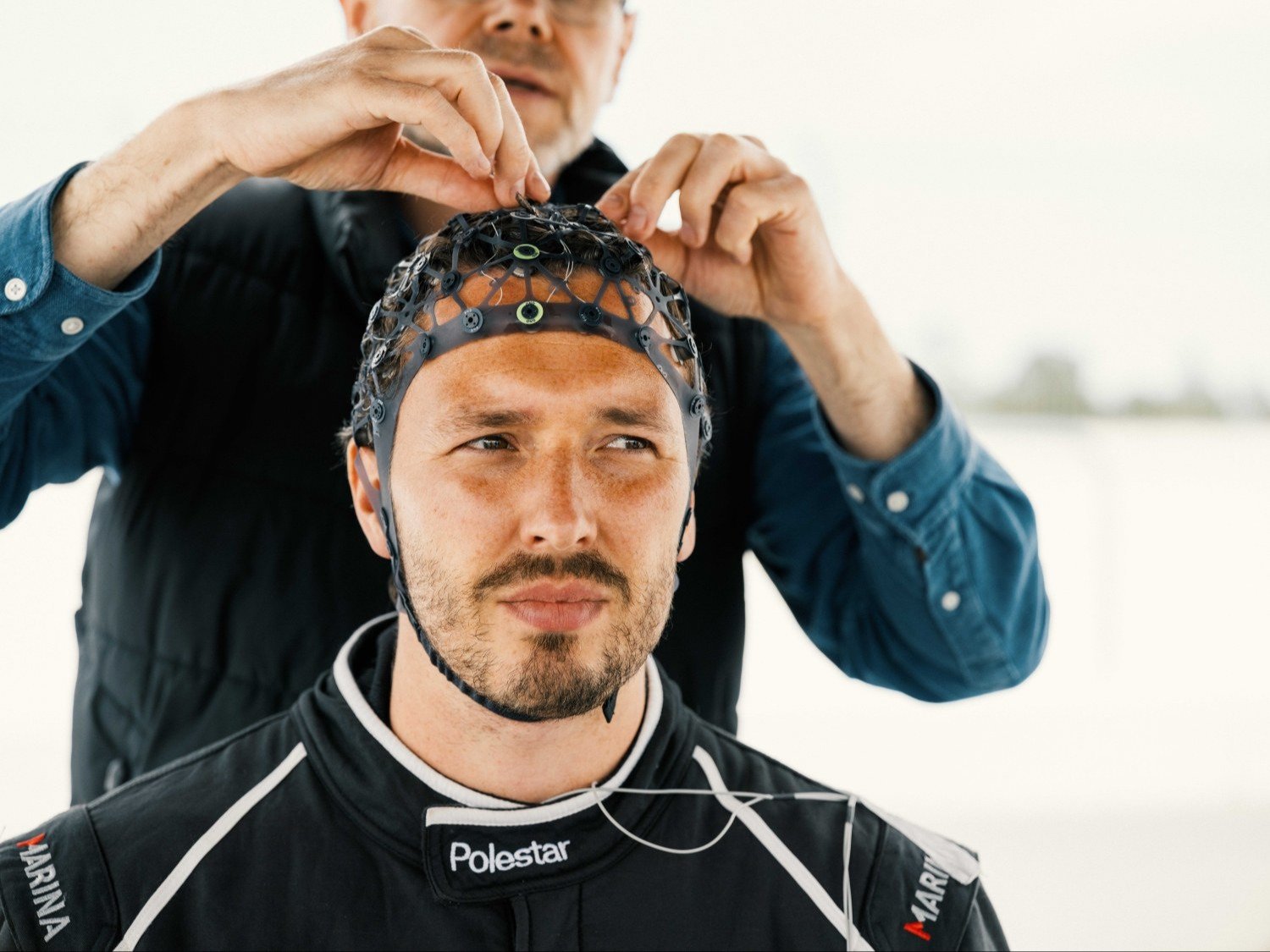
The physiological readings moved with the driving. In dynamic sessions, participants blinked less, their pupils dilated, and they held their gaze longer, which the researchers read as deeper concentration. The telemetry could also be matched against spikes in each driver's physiological activation, tying what the car was doing to how the body reacted.
In interviews, the drivers described something more than a rush. Several, independently, called the faster car a "controlled roller coaster," and one said it made them feel like a better driver than they actually are. The researchers say the Performance version was more consistently linked with that mix of thrill, trust, and control.
Why Polestar wants this data
Electric powertrains have made big acceleration cheap. The Polestar 4 Dual motor already does 0–60 mph in 3.7 seconds, and plenty of family EVs now post numbers that once belonged to sports cars. Once everyone has the straight-line figures, a brand needs another way to explain why its car feels better, and a way to engineer for it.
That's the pitch from Christian Samson, Polestar's head of product attributes, who says the company wants to understand what a spec sheet alone can't capture. When the project was announced in May, he said the findings could help Polestar's engineers fine-tune vehicle dynamics. Max Klapow, a doctoral researcher at the Oxford lab, argues that performance comes down to confidence and control built on predictable responses, not raw speed.
For US buyers, that difference has a price. At launch, the 2026 Polestar 4 Long range Single motor started at $57,800 including destination, while the Dual motor began at $64,300 and the Performance pack added $4,500, according to InsideEVs. Note that the US Single motor is rated at 272 hp, a slightly different figure from the one Polestar used in the study.
The caveats
The researchers themselves call this a feasibility pilot. With 12 participants, they say a larger study is needed before the findings can be considered reliable or valid. The company hasn't said whether drivers knew which version they were in, and the results release doesn't break out any brain-activity findings, even though the May announcement listed brain data among the measures.
No timeline for a larger study has been announced. The work lands as Polestar tries to build momentum in America, where its third-quarter US sales jumped 124%.