Volvo's 13 New Cars by 2030: What's Actually Coming to America
Volvo will launch 13 new models by the end of 2030, seven of them for Western markets. Here's what's actually confirmed for American buyers — and what's still an educated guess.
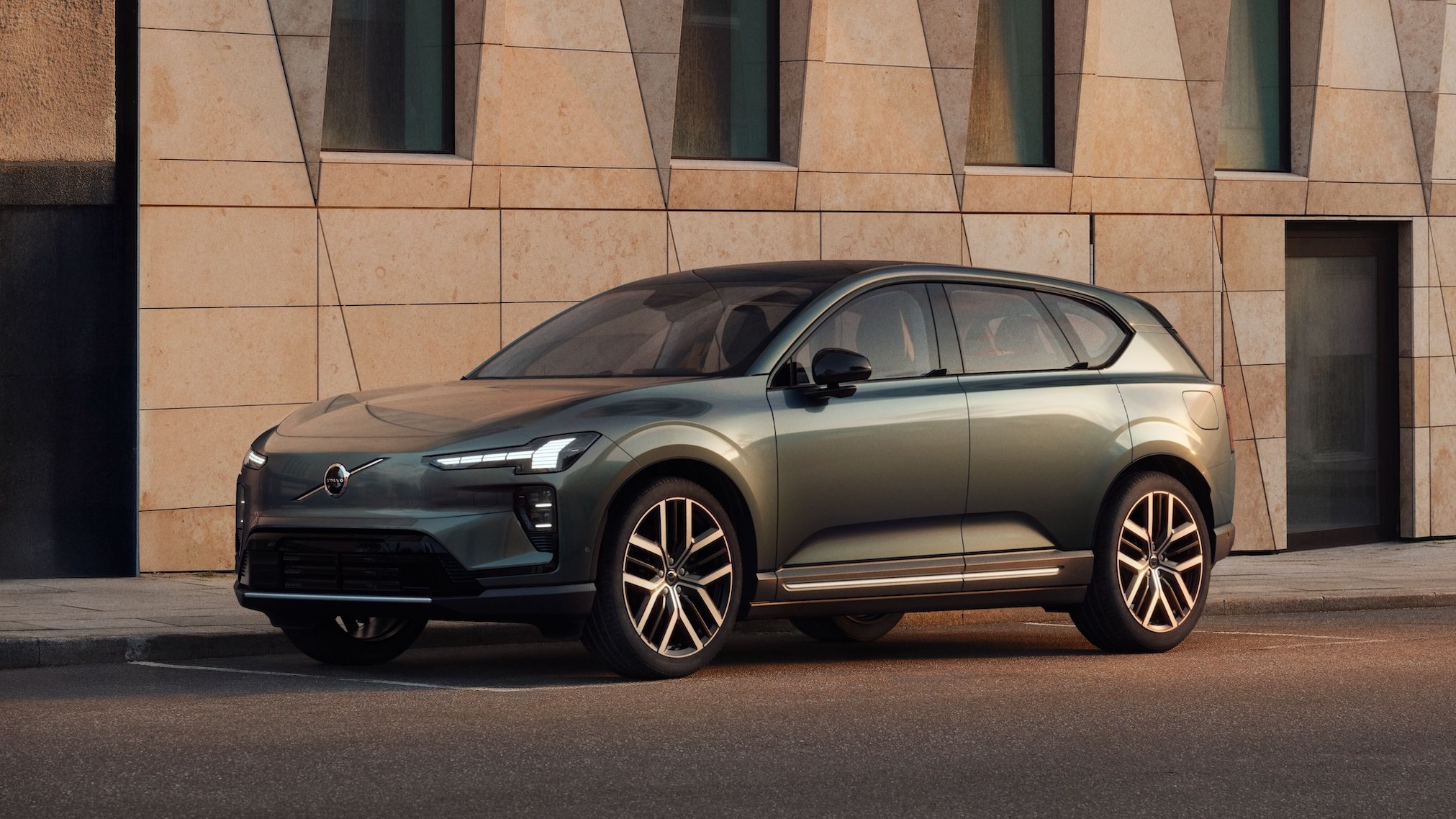
Volvo will launch 13 all-new cars between now and the end of 2030 — the largest product push in its 99-year history. Seven of them are earmarked for Western markets, including the US, and six for China. What Volvo hasn't said is which of those seven will reach American driveways, what they'll be called, or what they'll cost.
The plan was announced at the company's Strategy Update for investors in Stockholm on September 17. Much of the coverage since has led with the prospect of new sedans and wagons. The fine print is more cautious: the strongest "low car" signals so far apply to Europe, while the clearest US-specific commitment is another electric SUV.
What Volvo Actually Announced
The seven Western-market cars will ride on Volvo's existing SPA2 and SPA3 architectures and run its HuginCore computing platform, the company said. Because those platforms are already paid for, Volvo expects investment in technology and manufacturing to fall from today's levels even as the model count grows.
The lineup will mix full EVs with what Volvo calls third-generation hybrids, aimed at "customers still reluctant to go fully electric." The company wants to double its market share in the fast-growing BEV segment and says the push should help it build toward an EBIT margin beyond 8 percent.
Volvo also promises "cars in new segments" across its three main regions — Europe, the US and China — and frames the regionalized strategy as an answer to "technology restrictions, trade tariffs and diverging customer preferences." The six Chinese models will be developed with parent company Geely on shared platforms and a dedicated Chinese tech stack.
What It Means for U.S. Buyers
The press release doesn't break down the seven Western cars by country. The presentation slides went further: according to Autocar, the lineup splits between US-focused and Europe-focused models, and the US side includes a D-segment electric SUV.
Motor1 reports the Western plan also calls for a second model on the SPA3 platform that underpins the EX60, plus larger vehicles offered with a mix of powertrains.
The hybrid piece may matter most for American shoppers. Technology chief Alexander Petrofski said markets are electrifying at different rates, so "an individual car will be offered with a BEV propulsion, a PHEV propulsion and a HEV propulsion," per Autocar. Volvo has already shown what that investment looks like: the updated XC60 and XC90 plug-in hybrids gained a much bigger battery this summer.
The Sedan and Wagon Question
Two slides in the investor presentation promise "new low & high body types." Volvo classes SUVs as high-body vehicles and sedans and wagons as low-body ones — which is why so many headlines this week read like a wagon comeback. Autocar, though, ties that language to the full-BEV lineup Volvo plans for Europe by 2030, not to America.
Motor1 reads "low" as sedans and station wagons, and there is real history behind the hope: CEO Håkan Samuelsson said earlier this year that Volvo went "a bit too far into a single SUV market" in the US and that he would like to see more "lower cars" there.
None of that amounts to a confirmed US sedan or wagon. Volvo currently has no plans to bring the electric ES90 sedan stateside, per Motor1, so any future American low car would be something new rather than a federalized version of an existing model.
If You're Shopping for a Volvo Now
Nothing announced in Stockholm changes what is in US showrooms for 2026 or 2027. The current range carries on — including the refreshed XC40, which replaced the EX40 in the US lineup — and the first of the 13 newcomers has no reveal date yet.
What may change sooner is how you buy. Volvo says its new commercial model will bring transparent pricing, streamlined offers, special fast-delivery versions, regular over-the-air software updates and an all-inclusive Care package.
- Want an SUV? The one known US-focused entry — a D-segment electric SUV — suggests the pipeline still leans that way.
- Want a sedan or wagon? There is nothing official to wait for yet. Treat this week's reports as an informed reading of two slides, not product news.
- Hesitant about going fully electric? Volvo's third-generation hybrids are aimed squarely at you, though no US timing has been announced.
What We Don't Know Yet
- Which of the seven Western-market models will be sold in the US.
- Whether a sedan or wagon will actually reach American showrooms — the "low body types" language is a Europe-anchored slide, not a US product announcement.
- Names, reveal dates and prices for any of the 13 cars.
- Where the US-bound models will be built. Volvo's only American plant today is in South Carolina, and the company has not said what the new plan means for it.
What's Next
Volvo's third-quarter report, due in October, is the next scheduled chance for executives to add detail. Before then, watch for the first model name or teaser from the Western-market seven — and for any statement from Volvo Car USA about the low-body cars everyone is asking about.