Defender's Camel Trophy Revival Narrows 23,000 Applicants to 36 Finalists
Ten regional qualifiers produced the field for a three-country final run with conservation charity Tusk, though Defender still hasn't said exactly where or when.
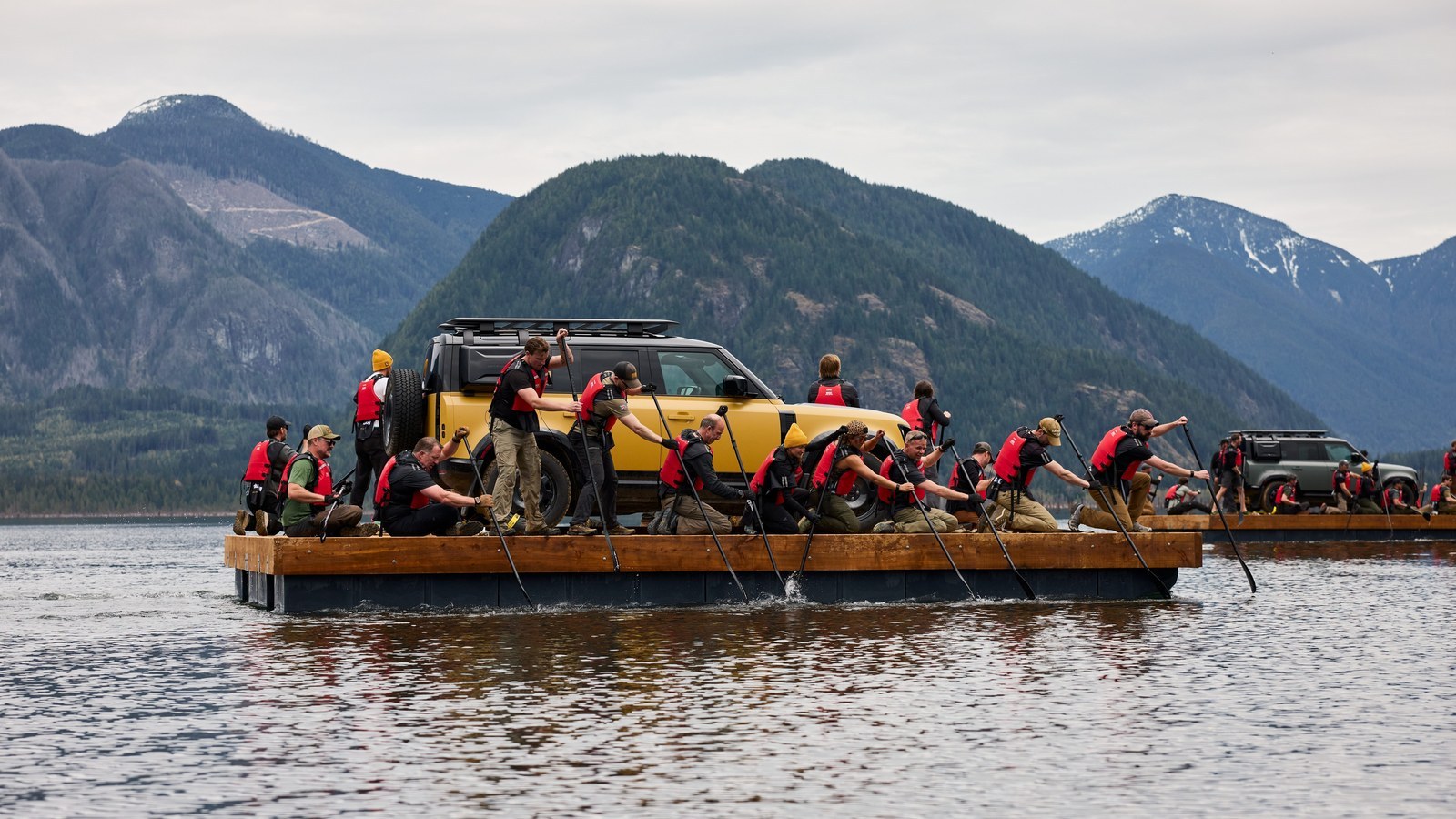
Defender's revival of the old Trophy-style adventure events finally has its field. JLR's Defender brand has named 36 national winners for the inaugural Defender Trophy Global Final, narrowed down from more than 23,000 applicants across 10 regional qualifiers.
The final will cover 3,000 km (1,864 miles) in three African countries later this year, hosted with Tusk, the wildlife charity Defender has backed for more than two decades. Between driving stages, competitors will work on five conservation and community projects. It's a very different kind of competition from the brand's factory rally-raid program, which swept the first FIA Stock titles in its debut season: these are amateurs, not professional crews.
Who made the cut
Europe supplies the biggest group, with 15 of the 36 finalists. North America has five, China and the Middle East and North Africa region three each, and Australia, South Africa, South America, and Taiwan two apiece. Japan and the wider Asia-Pacific region send one each.
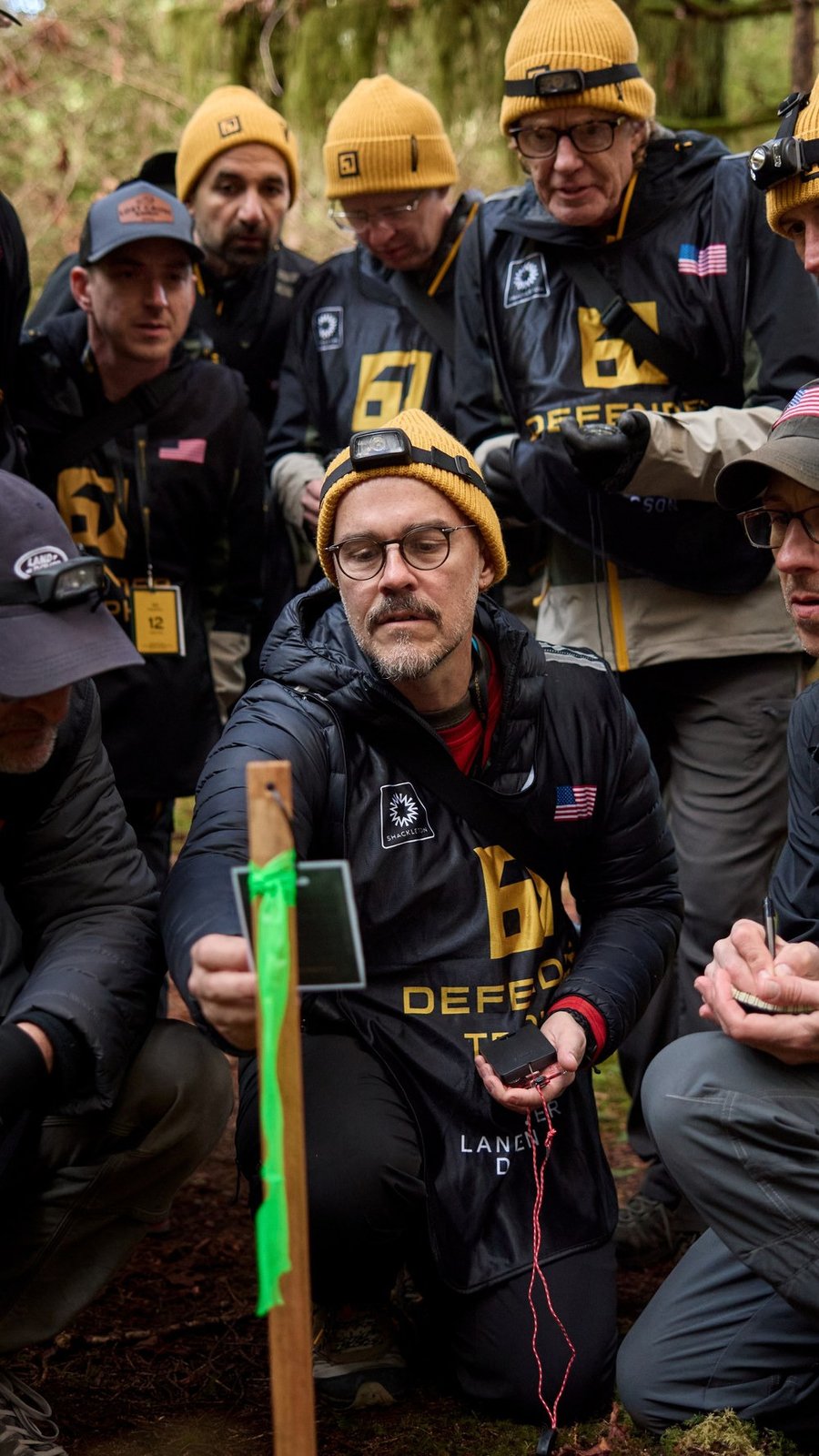
The US will be represented by Nathaniel Biggs and Tirin Cameron, and Canada by Adrian Kowryha and Andrew Leveille, all four of whom came out of a three-day qualifier for 120 competitors in Mission, British Columbia, in April. The North American list now also includes Sarah Gillis, who was not among the four names Defender announced in May. Defender says the field includes astronauts, filmmakers, firefighters, and teachers, but it hasn't said which finalists fill which role.
Back to the Camel Trophy playbook
The event deliberately echoes the Camel Trophy, the expedition contest that ran from 1980 through the 1990s and became synonymous with yellow Land Rovers, and the shorter-lived G4 Challenge that followed it. Defender is pitching this as its return to global challenge events 45 years after the original concept, and late last year it marked the Camel Trophy's 45th anniversary with former competitors at Eastnor Castle in the UK.
The format, however, is new. According to the rules Defender published at launch, finalists are scored individually but compete in pairs, and the lowest-ranked competitor gets first pick of a teammate before each stage. Stages mix driving and navigation tests with physical and so-called ingenuity challenges. To enter, applicants had to be over 23, able to swim 50 meters (164 feet), and fluent in English.
Interest grew well beyond the company's early numbers. When Japan's Naoki Imamura became the first qualifier last November, Defender reported more than 10,000 applicants and a final of 34. The applicant count has since more than doubled, and the field has grown to 36.
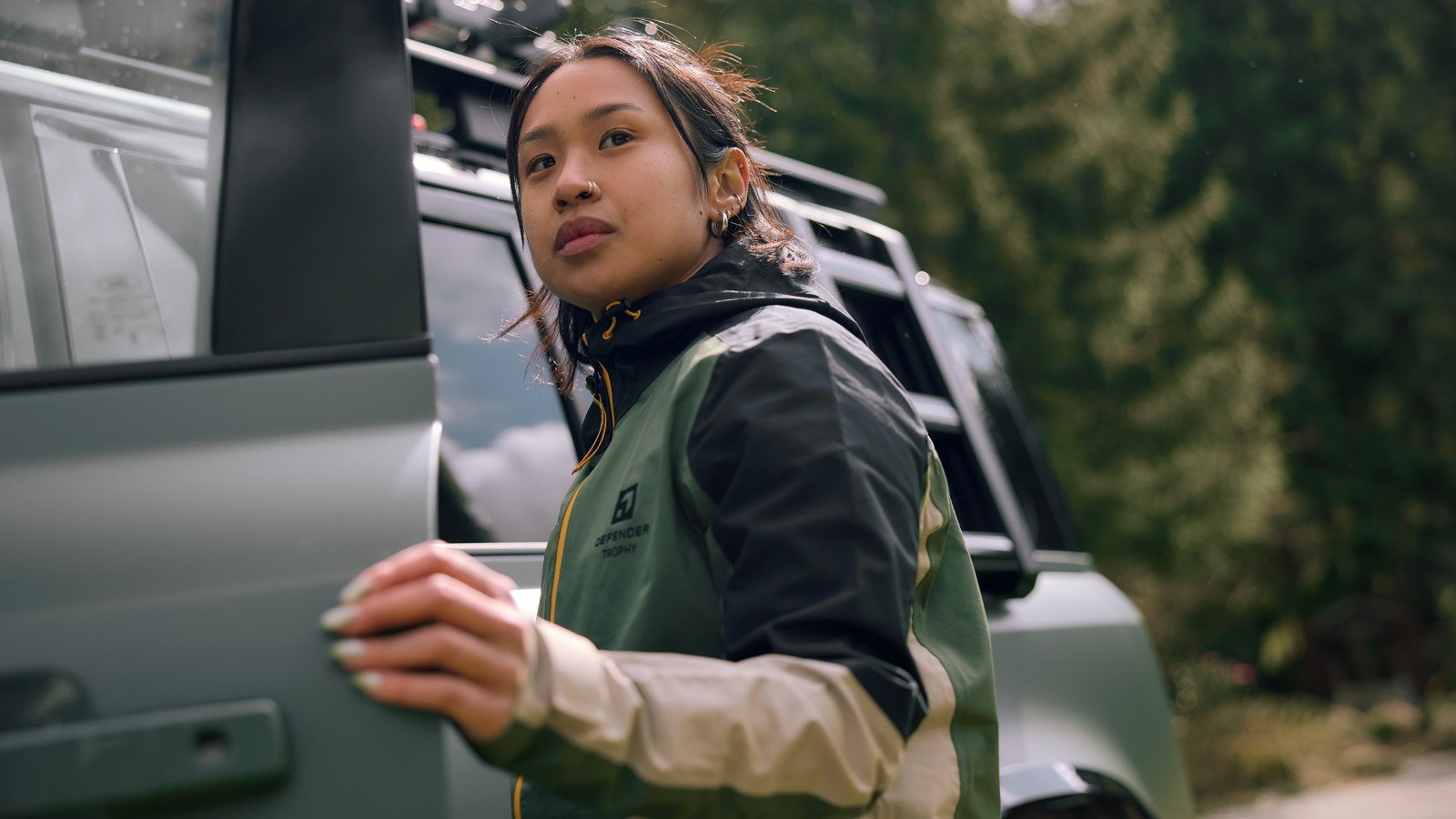
There's a showroom angle, too. The Defender 110 Trophy Edition, offered in Deep Sandglow Yellow or Keswick Green, bundles an expedition roof rack, a roof ladder, a side-mounted gear carrier, a raised air intake, and 20-inch gloss-black wheels on all-terrain tires. The conservation messaging also fits a pattern: the brand's Defender Service Awards already hand mission-equipped Defender 130s to nonprofits every year.
“These are not pure athletes; they are from all walks of life and have an insatiable thirst for adventure,” said Paddy McGillycuddy, Defender's global managing director.
What we still don't know
Defender hasn't named the three host countries, the route, or firm dates. Its May announcement of the North American finalists pointed to October; the latest release says only “later this year.” The company also hasn't detailed the five Tusk projects or how the competition will be shown to its promised global online audience.