More Than Half of Child Car Seats Are Used Wrong, and GM Is Pushing Free Checks
GM invented the modern child seat in 1967. For Child Passenger Safety Week it's pushing free seat checks — while a federal rule on hot car detection tech runs years late.
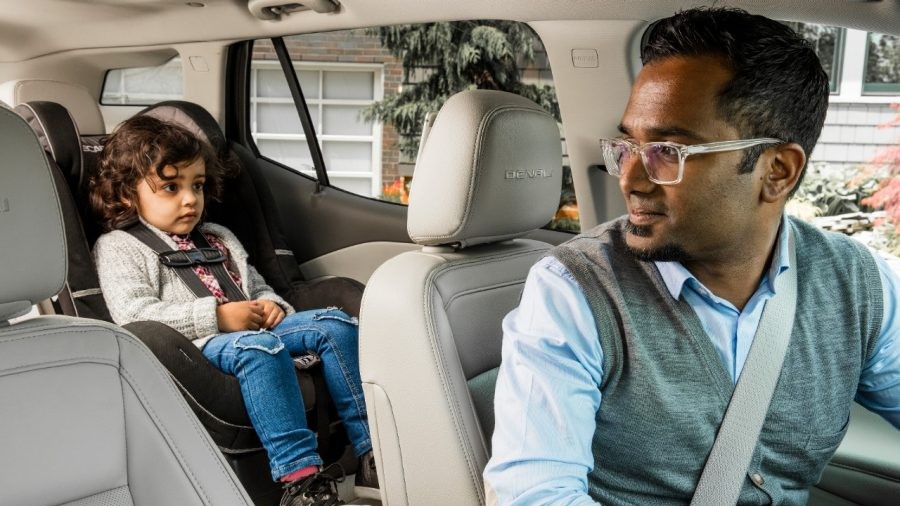
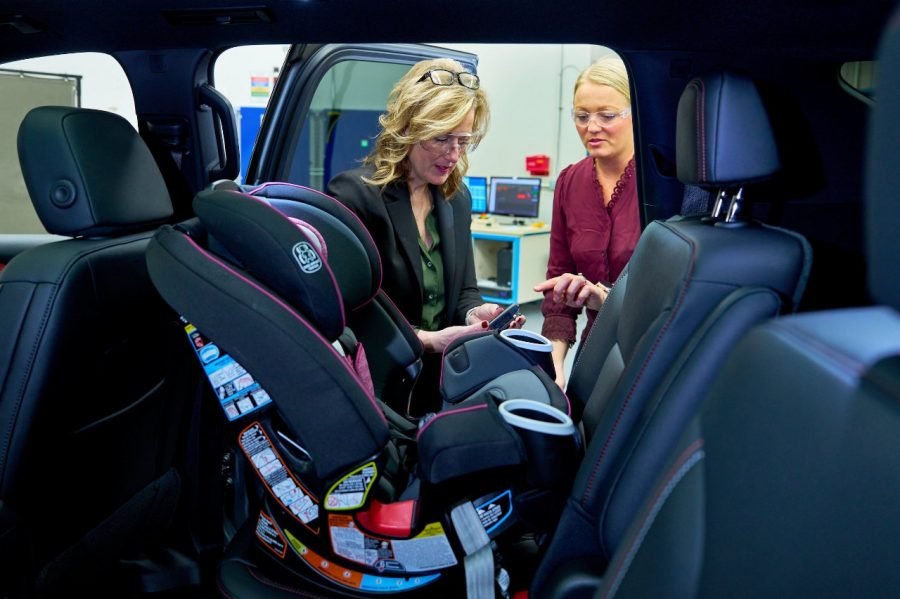
More than half of the child seats riding in American cars are installed or used incorrectly, according to Safe Kids Worldwide — a figure General Motors is putting front and center during Child Passenger Safety Week, which runs September 20–26.
GM has backed the nonprofit since 1997, and the partnership's running totals are substantial: nearly 30 million people reached through education programs, 2.47 million car seat inspections, and more than 810,000 free seats given to families across the U.S. Grant money from the automaker also funds seat-check events at Chevrolet dealerships, hospitals, and fire stations, listed at events.safekids.org.
The company's stake in the subject predates federal regulation entirely. GM built the first modern child safety seat, the Child Love Seat, in 1967, and followed it with a rear-facing infant version with a dedicated harness. Both left the market in the early 1980s, but they helped push the U.S. government toward codified child restraint standards, and GM still works with today's seat manufacturers on compatibility and crash performance.
The other pillar of the campaign is Rear Seat Reminder, introduced on the 2017 GMC Acadia and now standard across every four-door model GM sells. The logic is deliberately simple: if a rear door was opened and closed shortly before or during a trip, a message on the instrument cluster tells the driver to check the back seat at the end of the drive. According to GM, comparable reminders are now standard equipment in more than 260 models on sale in the U.S.
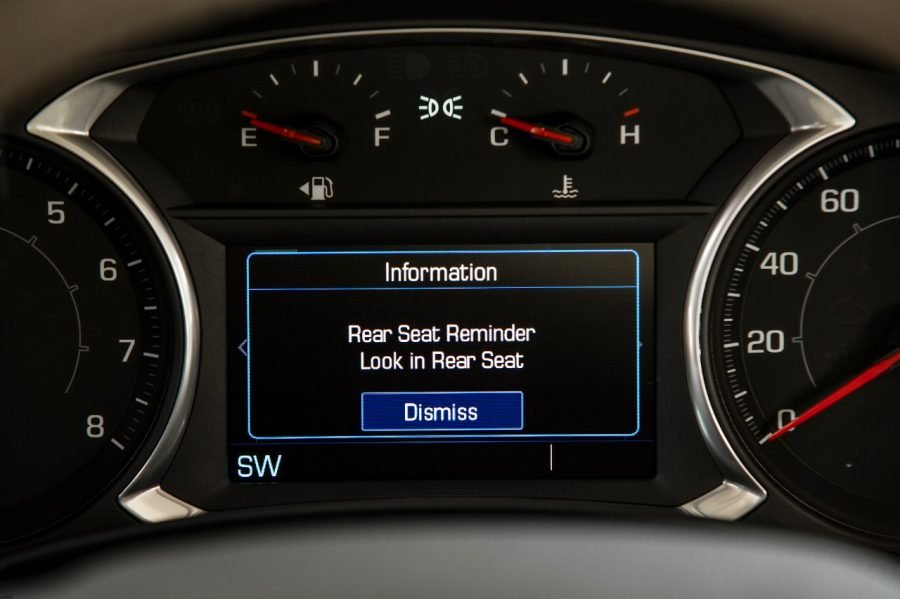
The system's limits matter, though. It tracks door activity, not people — GM's own fine print states it does not detect occupants or items. That gap sits at the center of an overdue federal rule: Congress ordered NHTSA in the 2021 infrastructure law to require alerts that actually sense a child left in a parked car, setting a November 2023 deadline. As of this month, the regulation still has not been issued. A separate rule requiring seat belt reminders for rear seats was finalized in early 2025, but its compliance date has since slipped to September 2028.
The stakes are not abstract. An average of 37 children die of vehicular heatstroke in the U.S. each year, according to National Safety Council data, and 23 deaths have already been reported in 2026. Kids and Car Safety counts more than 1,170 fatalities since 1990. A parked car can heat up by 20 degrees in just 10 minutes, which is why NHTSA's guidance is blunt: never leave a child in a car, put your phone or wallet in the back seat as a memory cue, and call 911 if you see a child alone in a vehicle.
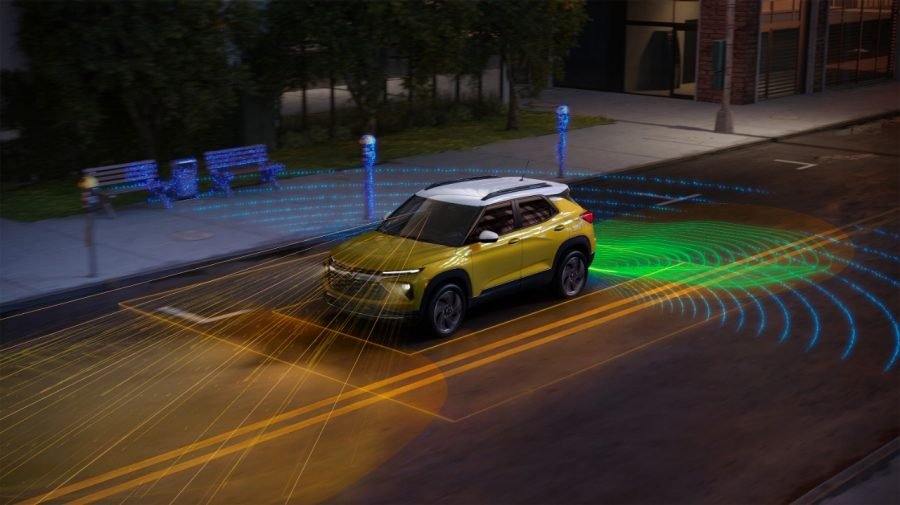
GM is also using the week to point at how cheap its driver assistance hardware has become: six models — including the Chevrolet Trax, Trailblazer, Equinox, and Bolt, plus the Buick Envista and Encore GX — carry MSRPs around $30,000 or less with the safety suite fitted as standard.
For parents, the basics remain the same:
- Keep children rear-facing until at least age 2, or until they outgrow the seat's limits.
- A properly installed seat should not move more than an inch in any direction.
- Harness straps should lie flat and snug, at or below shoulder level for rear-facing kids.
- Avoid used seats, expired seats, and aftermarket add-ons such as mirrors.
- Keep kids in boosters until they are at least 4 feet 9 inches tall — Safe Kids says four in five parents move their children out too early.
Chevrolet and Safe Kids also maintain the Ultimate Car Seat Guide, a free tool that walks parents through choosing and installing the right seat for each stage. The technology keeps improving, but the last line of defense is still the person buckling the harness.