GM's Cheaper Long-Range EV Battery Finally Has a Factory
The GM–LG Energy Solution joint venture will retool its Tennessee plant for lithium manganese-rich cells, a chemistry aimed at long-range trucks without high-nickel costs. Work wraps up in 2028.
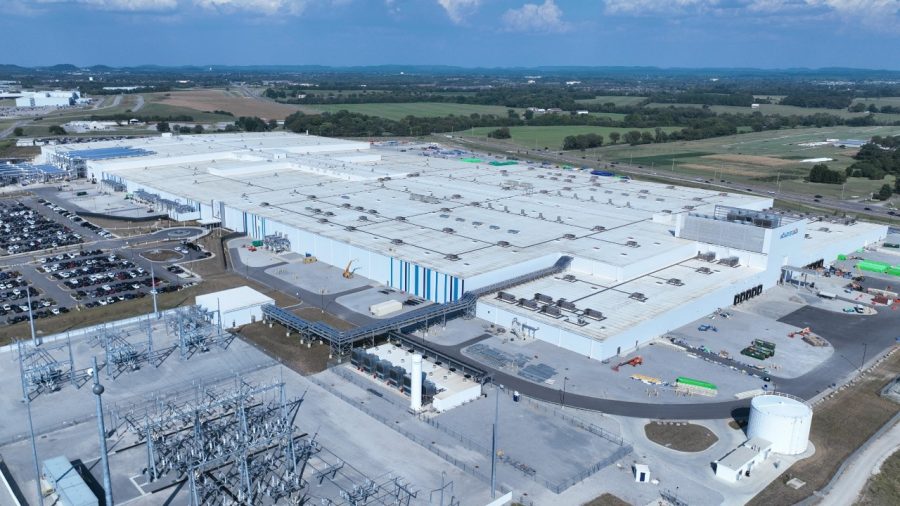
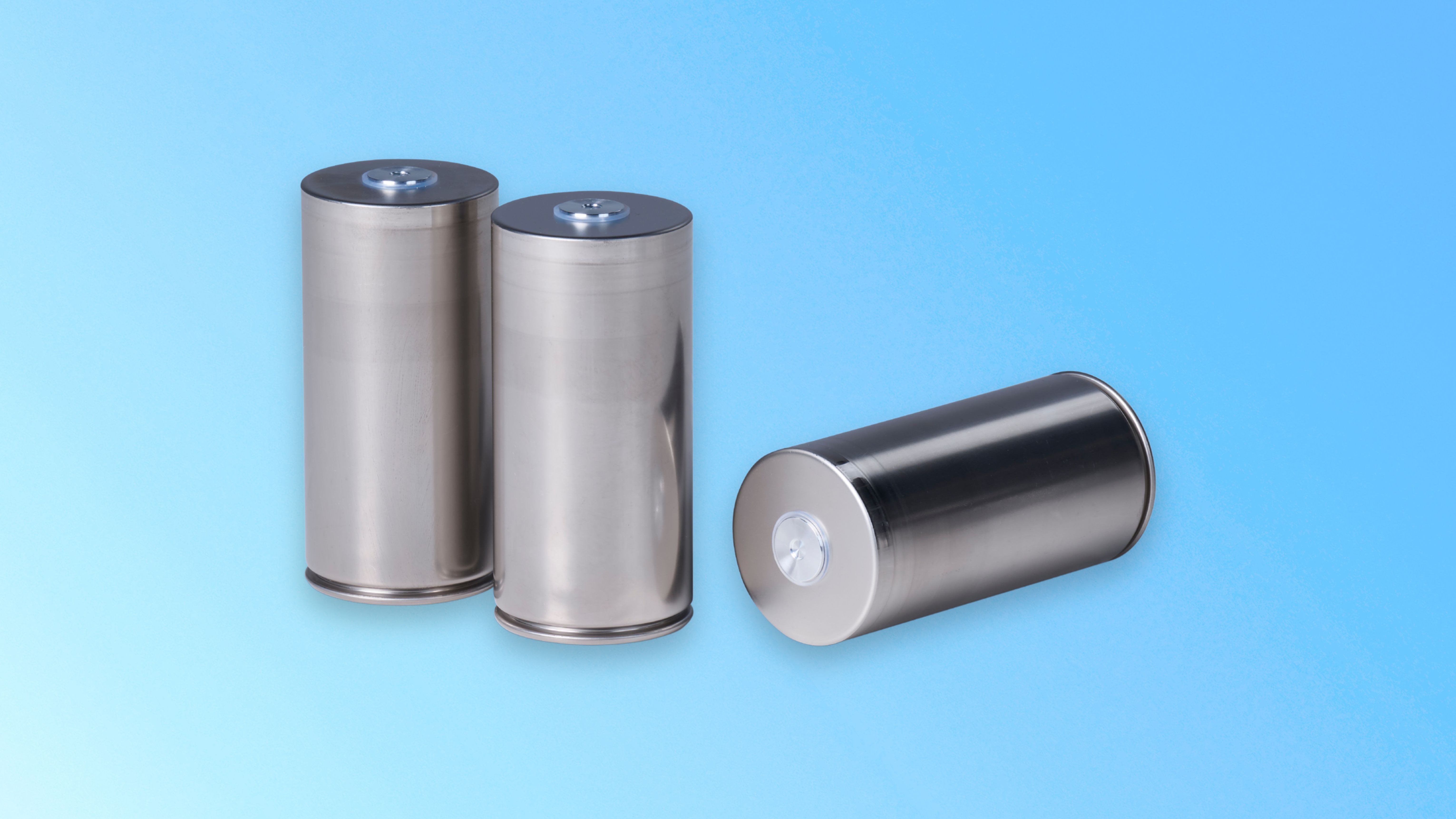
General Motors now has a home for the battery chemistry it is counting on to make long-range electric trucks cheaper. Ultium Cells, GM's joint venture with LG Energy Solution, will retool its plant in Spring Hill, Tennessee, to build lithium manganese-rich (LMR) prismatic cells, with construction starting later this year and finishing in 2028.
The partners say Spring Hill should become the first plant in the world to produce these cells commercially. It is the latest move in a broader battery overhaul at GM, which has already started putting recycled cathode material into some of its current EVs.
Why manganese matters
LMR cells replace much of the costly nickel and cobalt used in today's high-performance batteries with manganese, which is cheaper and easier to source. GM says the result stores about a third more energy than lithium iron phosphate (LFP), the low-cost chemistry many automakers have turned to for affordable EVs, while costing about the same.
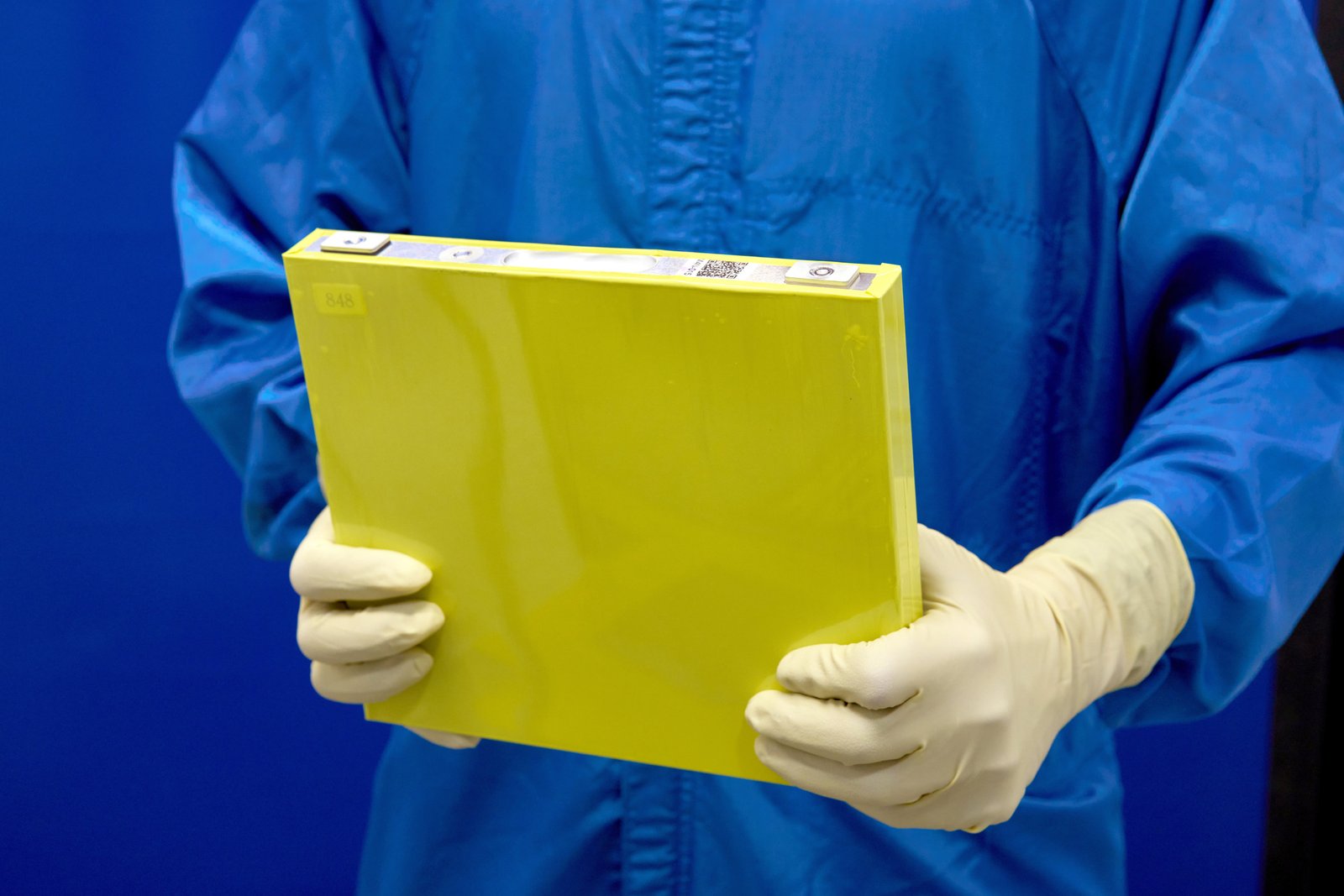
The high-nickel pouch cells aren't going away. Kurt Kelty, GM's vice president of battery and sustainability, says they will remain the choice for the longest-range models, while LMR is meant to beat cheaper chemistries on both cost and performance.
The project is expected to add 500 jobs to the roughly 1,200 people already at the plant. Ultium Cells puts spending on this round of upgrades, which also covers energy-storage work, at $1 billion. For now, Spring Hill builds LFP cells for stationary storage systems rather than cars.
Built for big trucks
When GM and LG first detailed the cell in May 2025, they aimed it squarely at full-size electric pickups and SUVs. GM's target was more than 400 miles of range from an electric truck, with a pack that costs significantly less than today's high-nickel units. That puts vehicles like GMC's Sierra EV and Hummer EV and Cadillac's electric lineup, including the Escalade IQ, first in line, since their range currently depends on expensive nickel-heavy packs.
The plan has shifted since then. In mid-2025, GM said Spring Hill would make LFP cells for its vehicles starting in late 2027. Reuters now reports that Kelty has said GM may drop its LFP plans for EVs to concentrate on LMR.
GM isn't alone. Ford is running second-generation LMR cells off a pilot line at its Ion Park research center in Romulus, Michigan, and aims to put the chemistry in production vehicles before the decade is out. Whoever gets there first, both companies see LMR as a way to compete on cost with the LFP cells that Chinese suppliers dominate.
What we don't know yet
GM previously targeted 2028 for commercial LMR production in the US, with pre-production at an LG facility by late 2027. Tuesday's announcement gives a completion date for construction, not a start date for cell output. GM also hasn't said which model will get LMR first, how much range it will deliver, or what it will cost.